




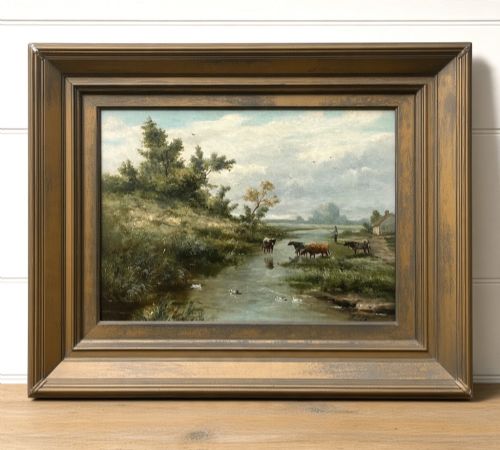
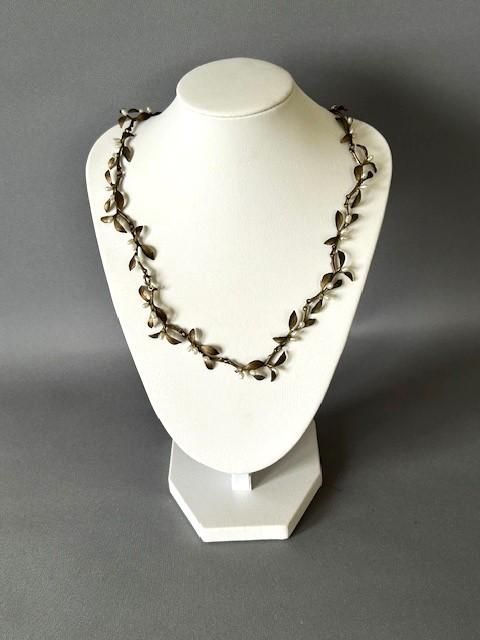
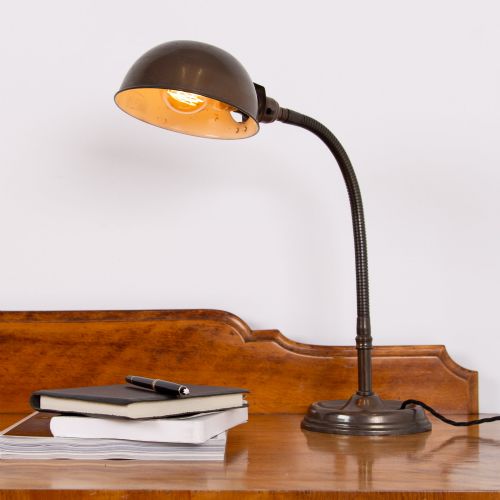
Antique Bronze Art
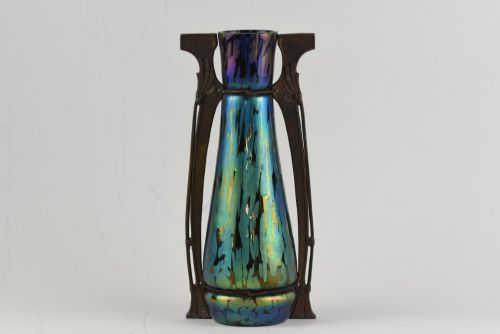
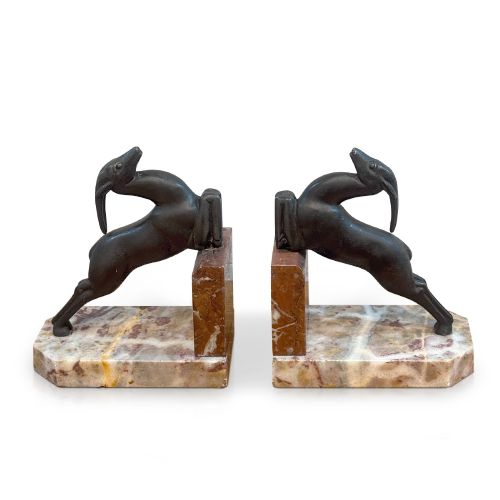
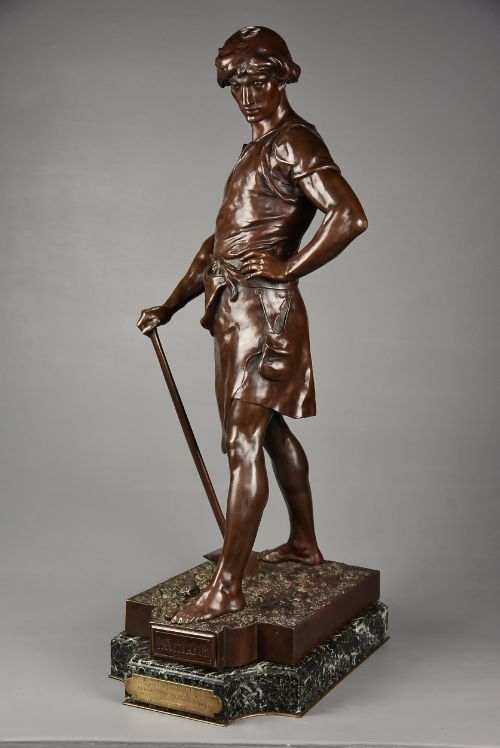
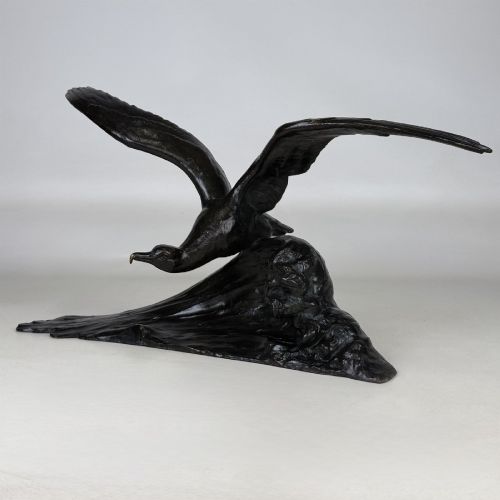
These pieces of antique bronze art bring sculptural presence and period craft into a room through cast metal and patinated surfaces.
Antique Bronze Art
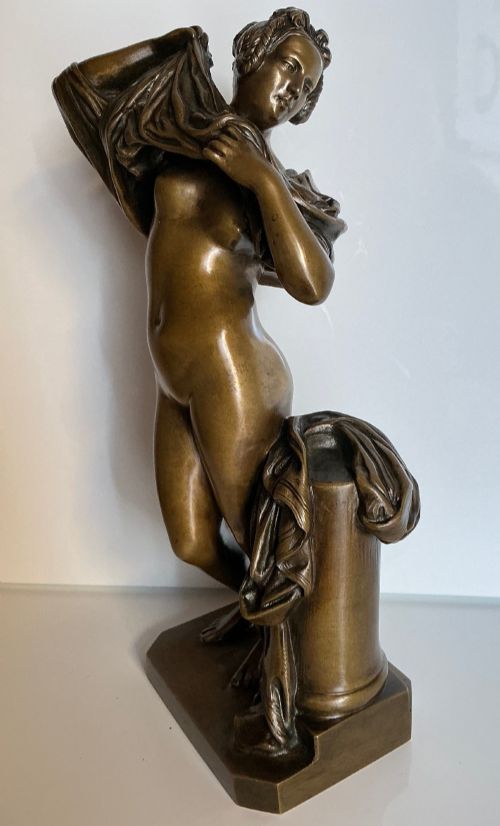
When you search for antique bronze art, you encounter a diverse array of cast metalwork, figures, lighting, and decorative objects spanning the nineteenth and twentieth centuries. The selection leans heavily toward Art Deco and Art Nouveau aesthetics, alongside Victorian works and traditional Asian metalwork.
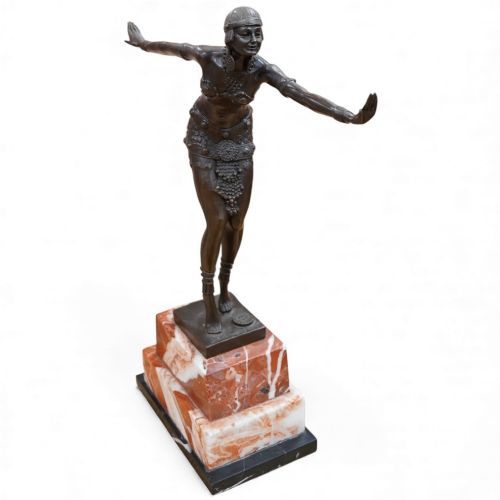
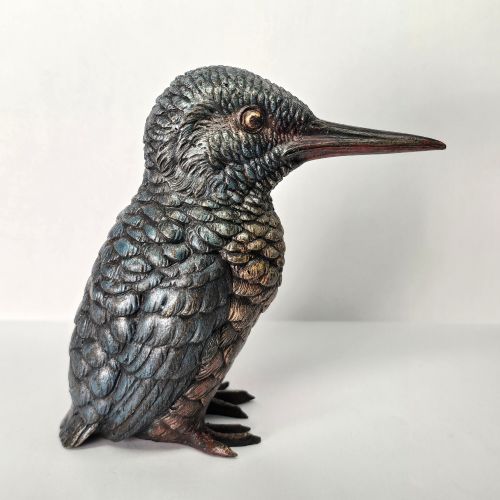
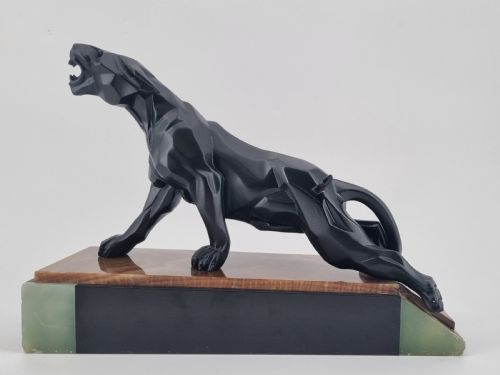
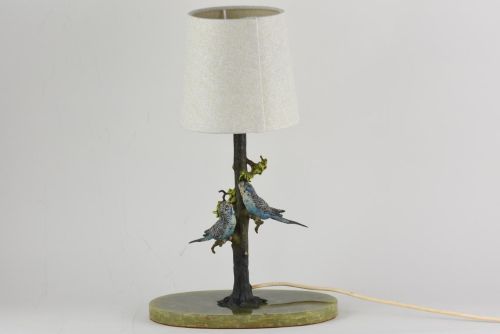
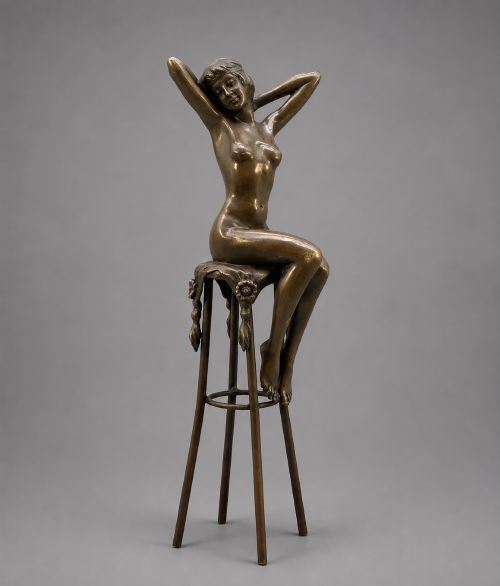
You are most likely to meet figural sculptures and animals cast during the nineteen-twenties, often mounted on marble bases. Alongside these figures sit functional lighting, clocks, and architectural ironwork utilising patinated metal, glass, and bronze.
Distinctions in craftsmanship
The integration of secondary materials, such as heavy marble plinths or genuine glass shades, marks the division between standard production and works by accomplished sculptors and metalworkers.
Antique Bronze Art Retail Price Guide 2026
Typical asking prices for bronze art among the pieces listed under this phrase on Sellingantiques today, from the lower quarter to the upper quarter. They describe what is for sale here now, not the wider market.
Objects range from large architectural screens and floor lamps down to miniature cloisonne enamel vases and portrait miniatures.
Auguste Moreau·Gustave Dussart·Lavroff·D. H. Chiparus·Jean de Roncourt·Hagenauer·Maurice Giraud-Rivière·Degué·Pierre Collinet·Bruno Zach·Josef Lorenzl·Raymond Subes·E.A.Clapp·E F Caldwell New York·Moreau Family
The Antique Bronze Art Glossary
- Patina
- The surface sheen and coloration developed naturally over time or applied chemically by the maker. It protects the metal and defines the visual character.
- Spelter
- A zinc alloy commonly utilised as a less costly alternative to bronze during the nineteenth and twentieth centuries. It often received a bronze-like finish to mimic solid metal.
- Cloisonne
- A decorative technique where enamel paste is applied within compartments wired to a metal base. Firing fuses the glass paste into vibrant coloured patterns.
- Gilt Bronze
- Bronze metal coated with a thin layer of gold through fire gilding or electroplating. This finish produces a bright, enduring golden lustre.
- Plafonnier
- A ceiling light fixture mounted flush or semi-flush against the ceiling. These frequently combine metal frames with moulded glass bowls.
Antique Bronze Art: Frequently Asked Questions
What is spelter?
Spelter is a zinc-based alloy that makers frequently used as an affordable substitute for solid bronze. It appears often in twentieth-century figural sculptures.
Objects cast in spelter are lighter than bronze and typically wear a applied metallic finish to simulate a genuine bronze appearance.
How do I care for bronze?
Bronze requires minimal intervention beyond gentle dusting with a soft, dry cloth. Avoid chemical cleaning agents that strip the historical patina.
Keeping the pieces away from excessive moisture and direct sunlight preserves the chemical finish and prevents surface degradation.
What is a patinated surface?
Patination is the coloration or weathering applied to the exterior of metal objects. It highlights sculptural contours and gives depth to the material.
This finish can occur naturally through environmental exposure or result from chemical treatments applied during creation.
How are these pieces dated?
Dating relies on stylistic markers, materials, subject matter, and recorded artist signatures. Art Deco and Art Nouveau forms point firmly to early twentieth-century production.
Comparing casting techniques and accompanying materials like marble or uranium glass helps narrow the decade of manufacture.