
19th Century Chinese Carving
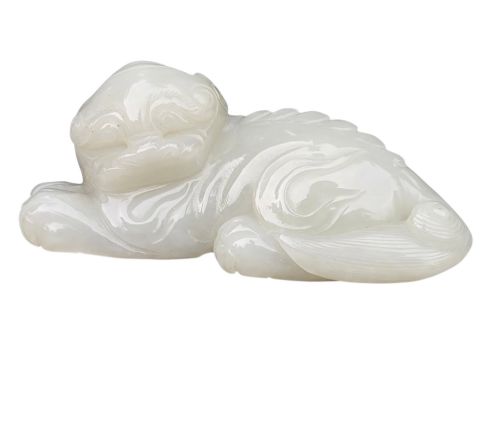
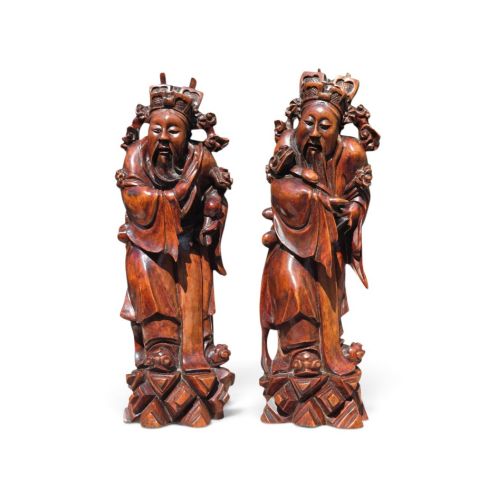
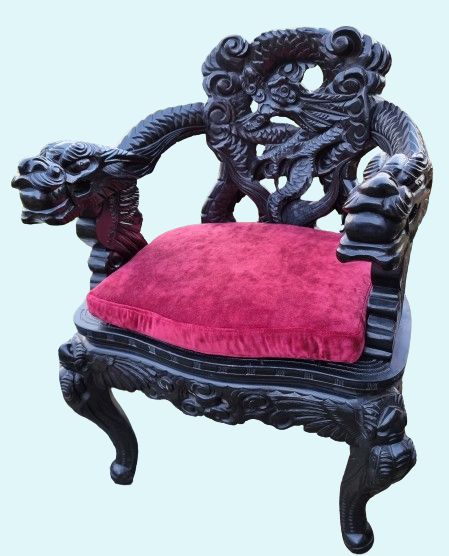
19th century chinese carving encompasses jade figures, hardwood plant stands and lacquer furniture made during the Qing Dynasty.
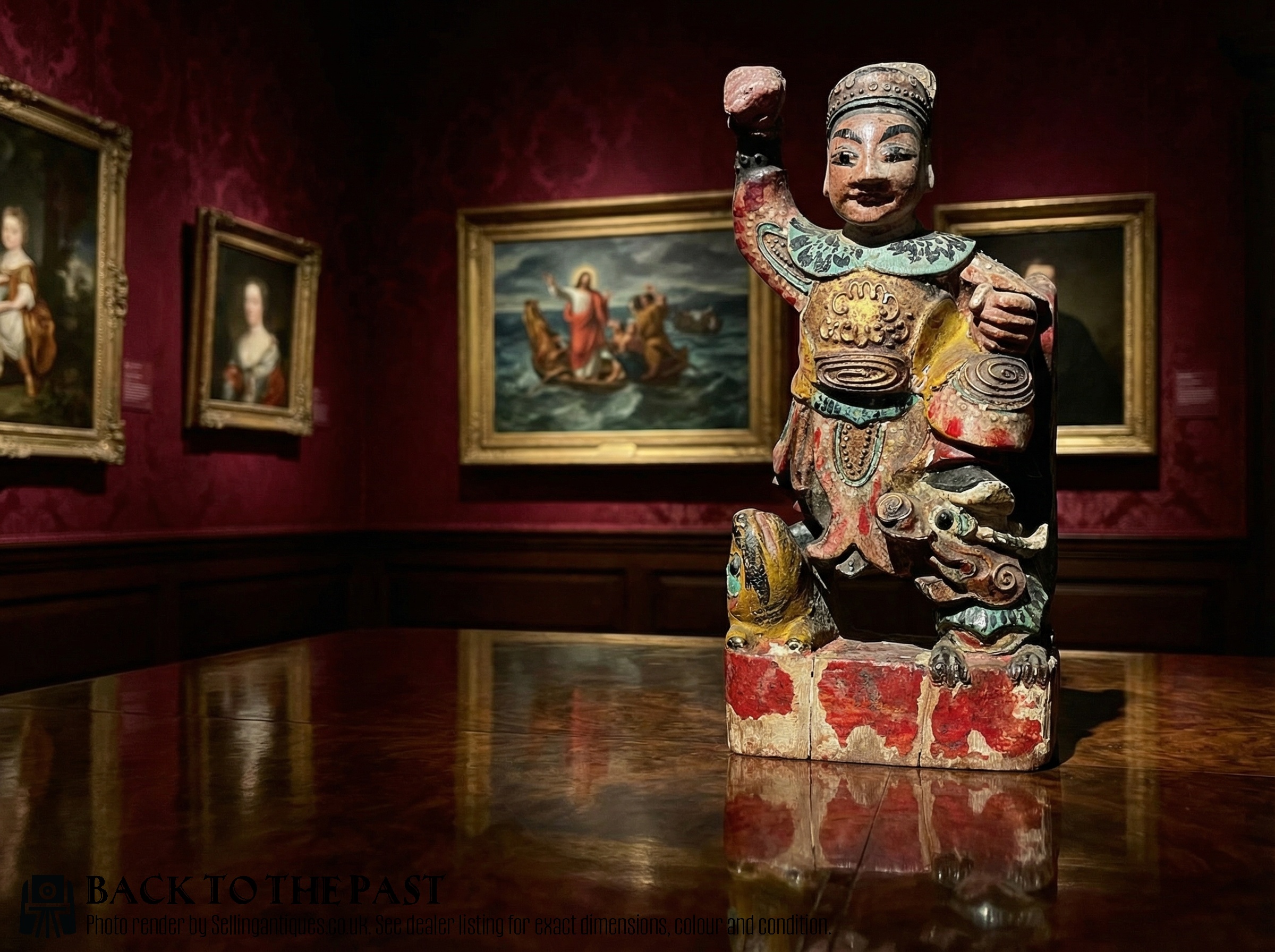
19th Century Chinese Carving
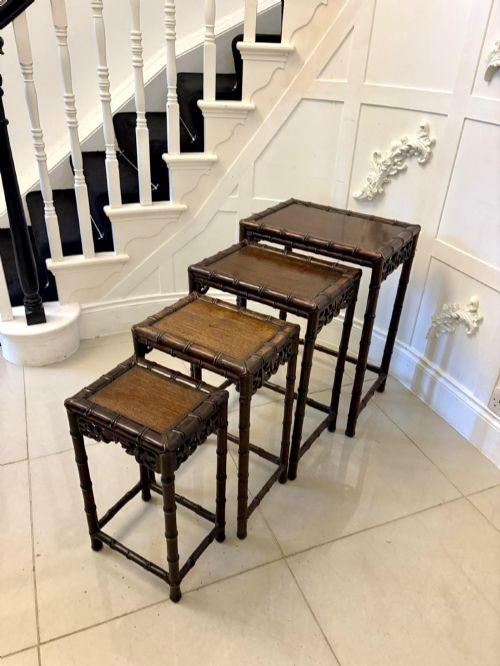
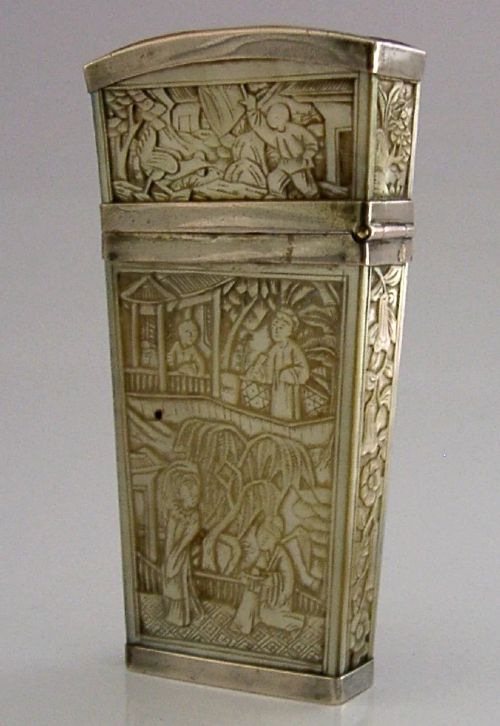
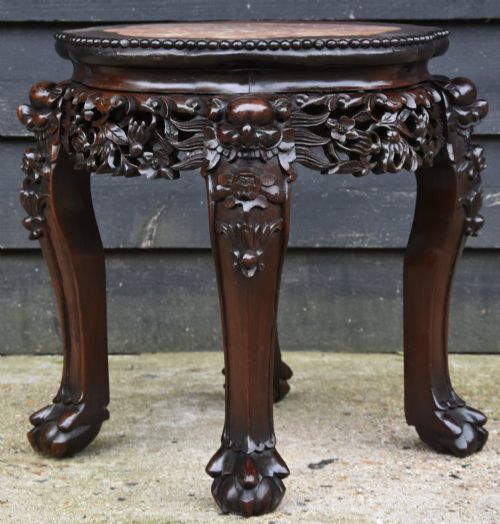
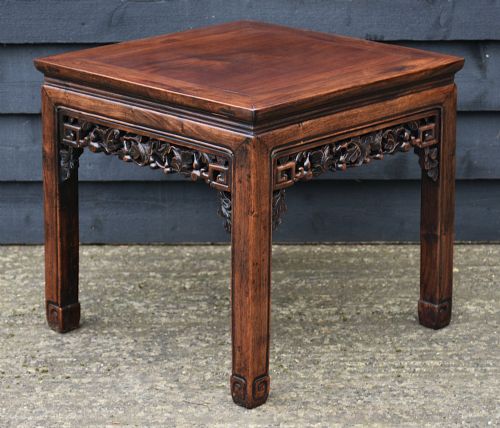
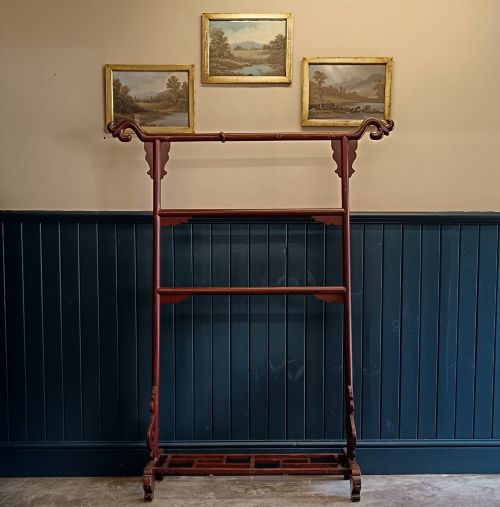
Buyers frequently encounter hardwood furniture such as pot stands and low tables inset with marble or hualien green stone, alongside intricate lacquer cabinets and screens. Smaller scholarly objects in bamboo, coral and jade appear regularly alongside bronze vessels and silver cases.
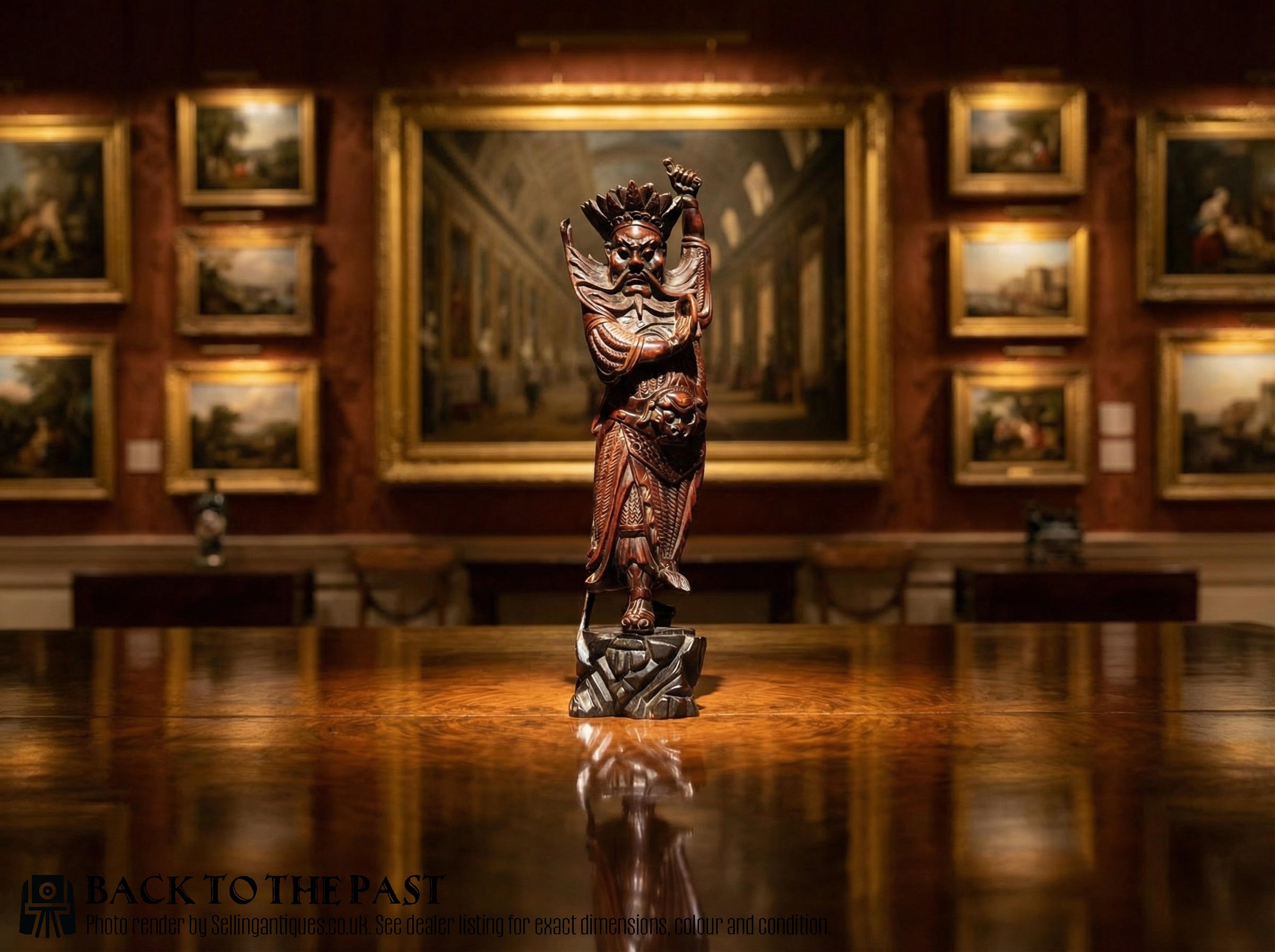
Materials and Techniques
Artisans utilised dense timbers like rosewood, elm and hongmu for structural furniture, employing traditional joinery often without metal nails. Hardstone and mineral carvings rely on meticulous abrasive shaping of jade, soapstone, coral and crystal.
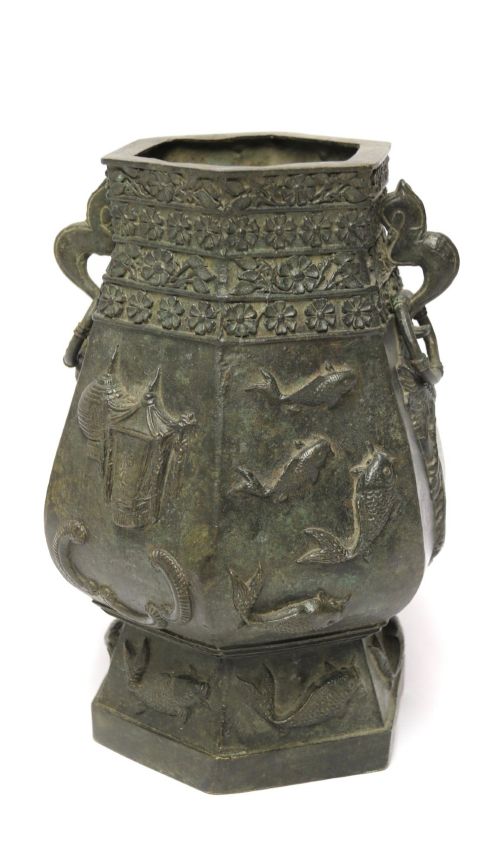
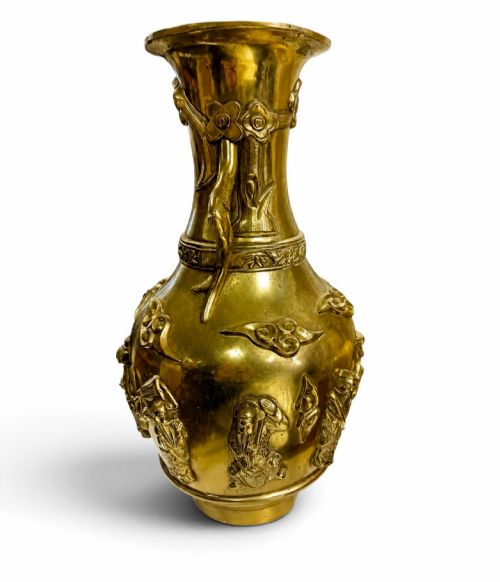
Surface decoration involved multi-layered lacquer applied to wood bases, frequently enhanced with gilded motifs or carved in high relief. Cast metals including bronze, brass and copper-alloy received chased or engraved detailing.
19th Century Chinese Carving Retail Price Guide 2026
Typical asking prices for 19th century chinese carving among the pieces listed under this phrase on Sellingantiques today, from the lower quarter to the upper quarter. They describe what is for sale here now, not the wider market.
Current listings feature hardwood, marble, lacquer and brass across object types including plant stands, vases, side tables and armchairs.
Assessing Quality
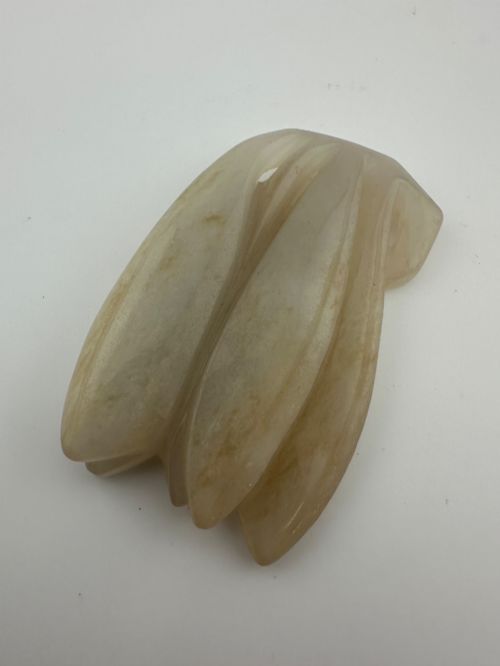
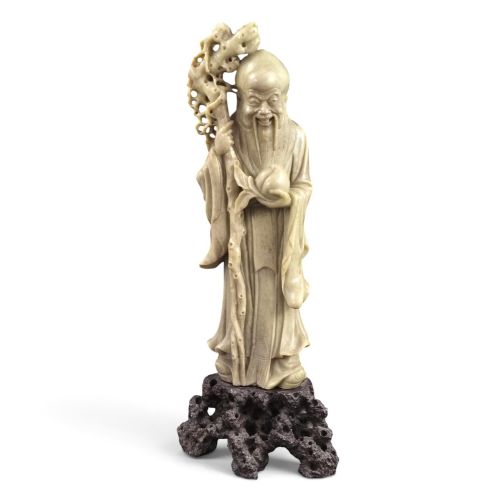
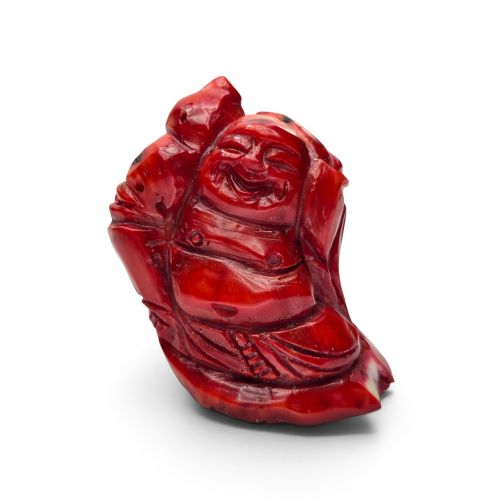
Depth and precision of carving separate exceptional pieces from standard production work, particularly in the undercut detailing of hardwood foliage and the facial expressions on figural soapstone or ivory groups. Natural material selection dictates value, such as the translucency and even tone of pale celadon jade or precious red coral.
Structural integrity and the preservation of original surfaces define better furniture and screens, where patinated wood and intact lacquer coatings remain undisturbed by aggressive modern restoration.
The 19th Century Chinese Carving Glossary
- Qing Dynasty
- The final imperial dynasty of China, ruling from 1644 until 1912. Much of the carved furniture and jade from this era reflects court tastes and traditional symbolism.
- Hongmu
- A generic translation for dense, fragrant red hardwoods used extensively in fine Qing Dynasty furniture construction. It translates literally to red wood.
- Celadon
- A term for ceramics and jade exhibiting a pale green or grey-green glaze and stone colour. It mimics the appearance of natural jade.
- Coromandel
- A type of Chinese incised lacquerware where designs are carved into a dark ground and filled with coloured lacquers or paints. Screens and cabinets frequently utilise this technique.
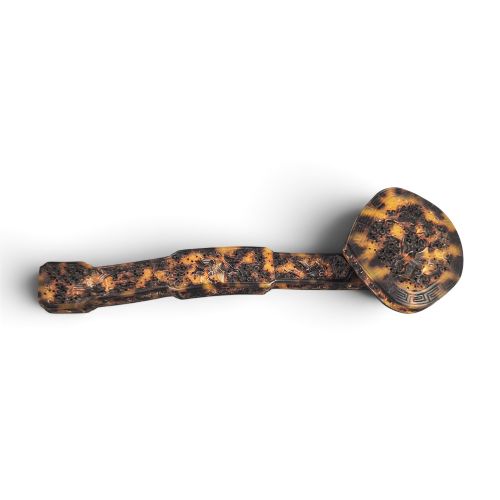
- Ruyi
- A curved decorative sceptre shaped like a lingzhi mushroom, symbolising power and good fortune. They appear carved in jade, wood, and tortoiseshell.
19th Century Chinese Carving: Frequently Asked Questions
How do I date a 19th century Chinese carving?
Dating relies on stylistic markers associated with the Qing Dynasty, specific reign marks where present, and the natural ageing of materials like hardwood patina and soapstone dryness.
Construction methods also provide clues, as traditional joinery changed very little until the late 19th century when Western trade influenced domestic production.
Are these carvings made for export or domestic use?
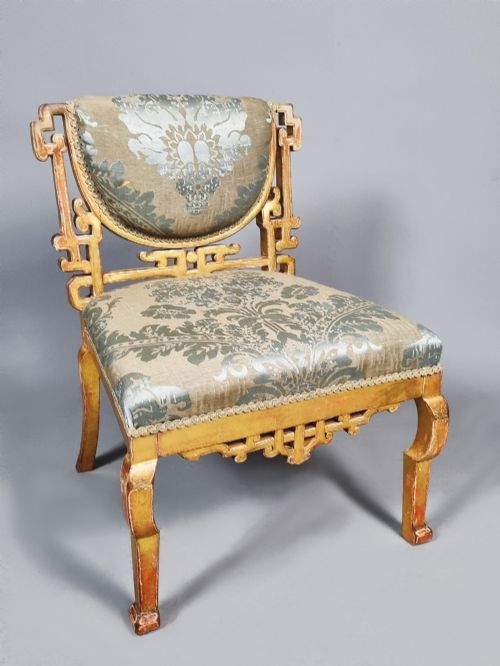
The pieces span both categories, with export items often blending traditional Chinese motifs with European furniture forms like the Chinese Chippendale style or sewing tables.
Domestic items include altar tables, yokeback armchairs and scholar's objects intended for local scholarly and elite households.
How should I care for antique hardwood furniture?
Maintain stable humidity levels in the room to prevent the dense timbers and inset marble panels from splitting or warping due to extreme environmental changes.
Apply occasional natural wax rather than modern silicone polishes to preserve the rich patina built up over generations of handling.
What is the difference between jade and hardstone carvings?
True jade specifically comprises nephrite or jadeite minerals, prized for their extreme toughness, fibrous structure and specific cool touch.
Hardstone encompasses other decorative minerals such as soapstone, crystal, and agate which were carved into similar figural and landscape subjects.