





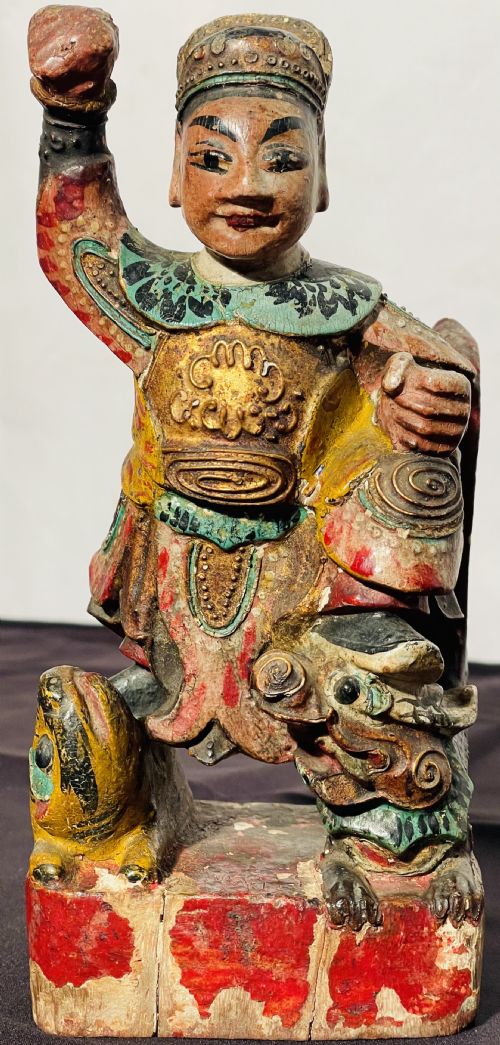
Chinese Folk Art Sculpture
Chinese folk art sculpture brings lively regional character and hand-carved tradition into your home through expressive figures and animals.
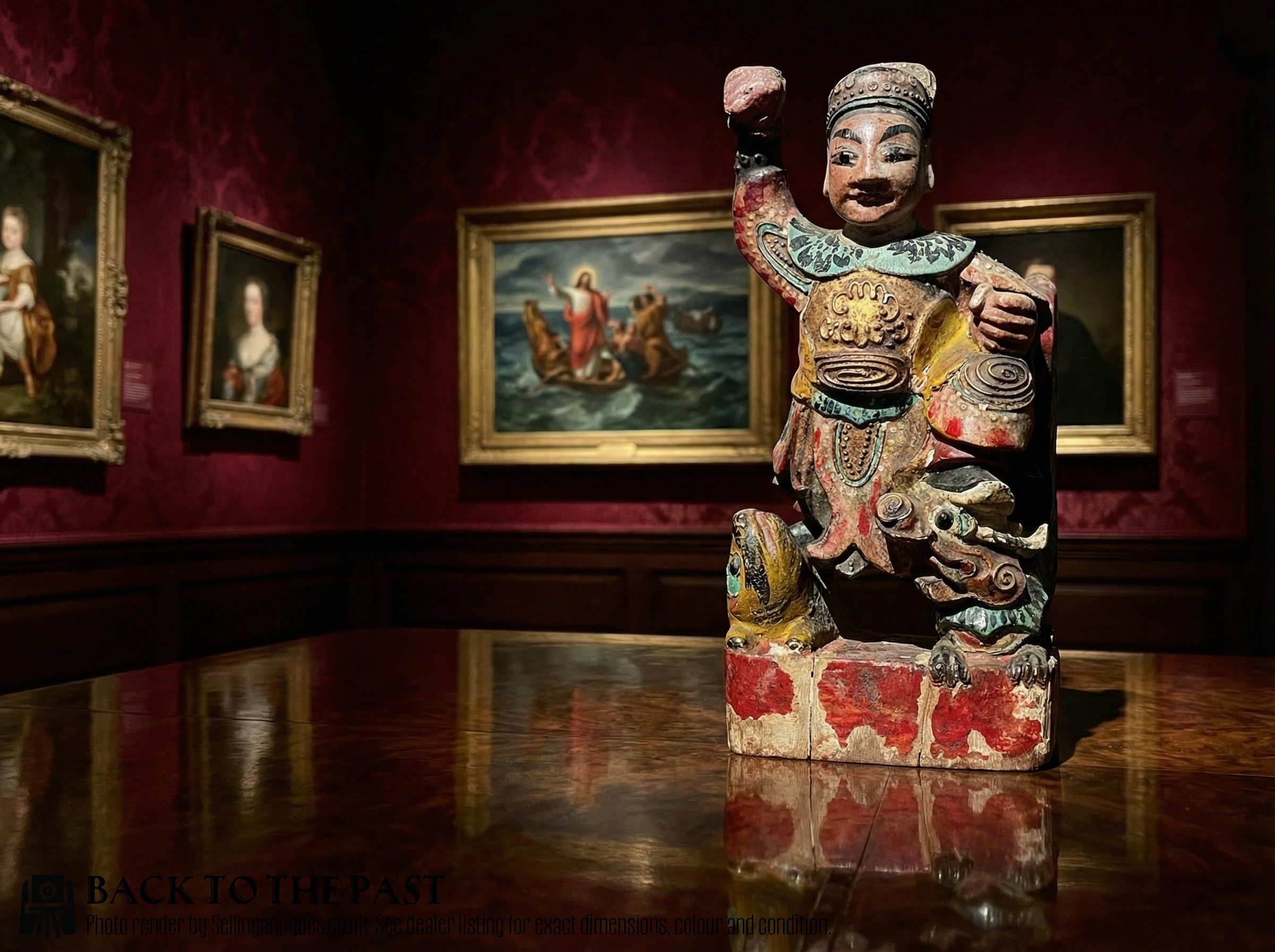
Chinese Folk Art Sculpture
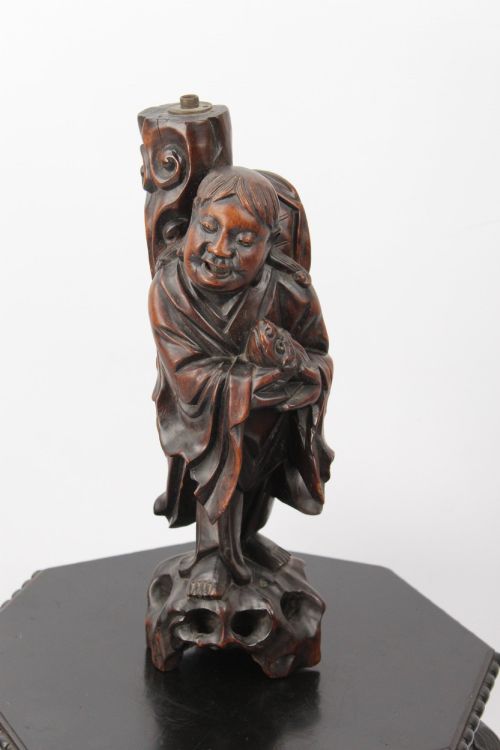
When you search for chinese folk art sculpture, you encounter hand-carved wooden figures and animals created across the nineteenth and eighteenth centuries. These pieces encompass religious deities, scholars, fishermen, and pack animals that reflect traditional beliefs and daily village life.
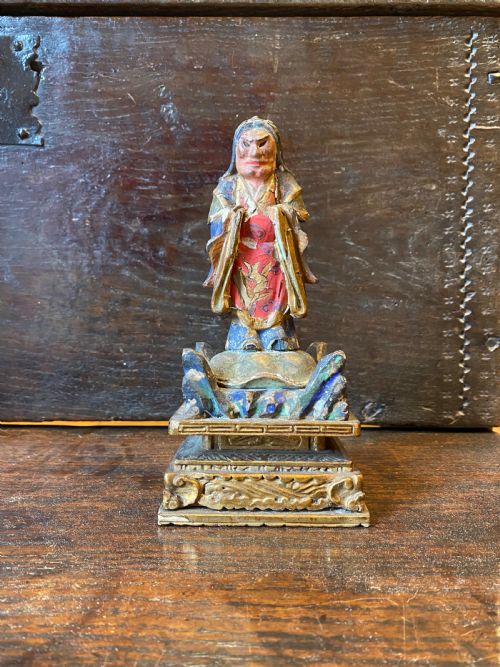
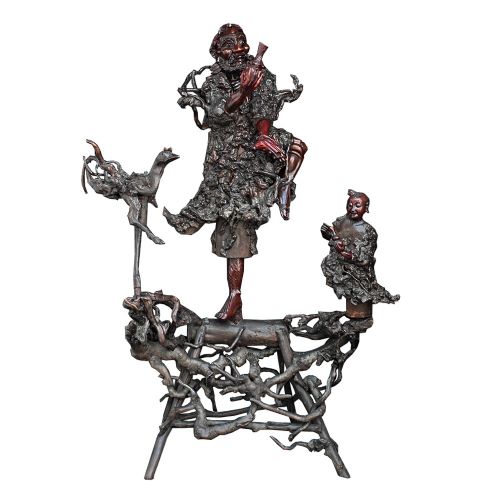
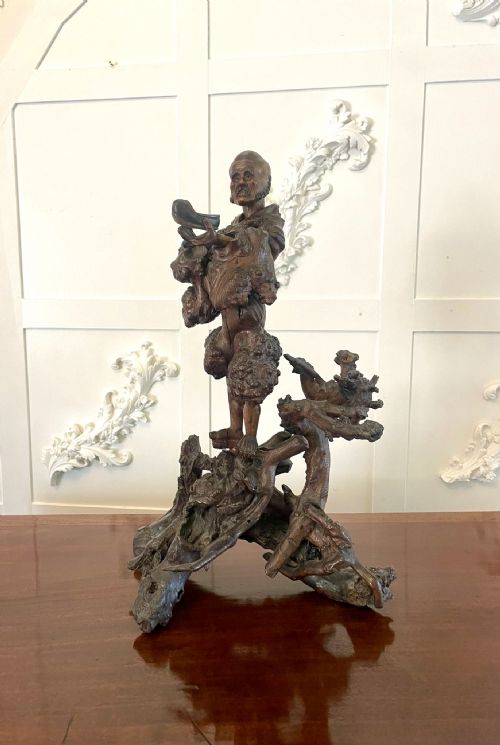
The selections available here lean heavily toward carved wooden representations, including temple deities, Daoist and Buddhist immortals, and figures fashioned from gnarled root wood. Every piece carries the distinct hand of a maker working within the Qing Dynasty aesthetic.
Forms range from individual scholars and deities to dynamic groups of carved figures and animal models like the Mongolian pack horse. These sculptures bridge formal religious art and domestic vernacular craftsmanship.
Materials and construction methods
Makers utilised various timber types, notably burr wood, root wood, and dense hardwoods, shaping the natural contours of the grain into limbs, drapery, and facial expressions. The organic knots and twists of root wood directly dictated the final posture of scholars and fishermen.
Carvers employed traditional hand gouges and chisels to reveal intricate details in hair, clothing folds, and accompanying objects like fish traps, maintaining a direct physical connection between artisan and material.
Chinese Folk Art Sculpture Retail Price Guide 2026
Typical asking prices for chinese folk art sculpture among the pieces listed under this phrase on Sellingantiques today, from the lower quarter to the upper quarter. They describe what is for sale here now, not the wider market.
Listings span the eighteenth and nineteenth centuries, featuring wood, root wood, burr wood, and brass alongside polychrome pigment.
Evaluating sculptural quality
Quality rests primarily on the expressive capability of the carving and how skilfully the artisan exploited the natural growth patterns of burr or root wood. Superior examples capture lively posture and facial detail without losing the organic character of the timber.
The survival of original polychrome pigment and gesso layers significantly elevates a piece, as painted surfaces remain vulnerable to flaking and wear over the centuries. Skilled pigment application enhances the narrative depth of temple deities and immortals.
The Chinese Folk Art Sculpture Glossary
- Burr wood
- Timber featuring distorted grain patterns caused by tree growth stress, prized by carvers for its mottled texture and movement. It creates visually complex surfaces on scholar and root carvings.
- Gesso
- A plaster mix applied as a smooth base layer on wood before painting and gilding. It provides a stable ground for polychrome decoration.
- Qing Dynasty
- The imperial dynasty ruling China from sixteen forty-four to nineteen twelve, encompassing the primary manufacturing periods for these sculptures. It represents the broader cultural era of the pieces.
Chinese Folk Art Sculpture: Frequently Asked Questions
What subjects appear in these sculptures?
The subjects include Daoist and Buddhist immortals, temple deities, scholars, and fishermen engaged with everyday items like traps. Animal models such as Mongolian pack horses also feature.
These figures represent spiritual protectors, literary ideals, and rural occupations that held deep cultural resonance in traditional villages.
How do I care for wooden sculptures?
Keep wooden and polychrome pieces away from direct sunlight and sudden temperature shifts to prevent timber splitting or paint flaking. Dust gently with a dry, soft brush.
Avoid using liquid cleaners or oils, particularly on surfaces retaining original pigment or gesso layers.
How are the ages of these pieces determined?
Age is assessed through wood patina, tool mark characteristics, wear patterns on polychrome surfaces, and stylistic conventions aligned with the nineteenth and eighteenth centuries.
Material degradation and the natural darkening of exposed hardwood over decades provide further physical indicators of period.
Where were these sculptures originally displayed?
Many figures originated in domestic shrines, community temples, or scholar's studios as objects of veneration, meditation, or contemplation. They served both sacred and decorative functions within traditional interiors.
Animal models and figures of daily life often reflected the immediate rural environment of the makers.