



Chinese Oriental Figurine
These Chinese oriental figurine pieces bring centuries of sculptural craft and traditional subjects into domestic spaces.
Chinese Oriental Figurine
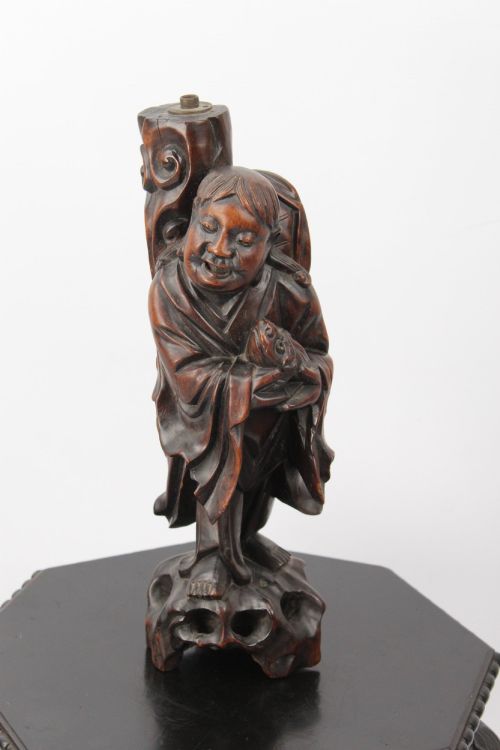
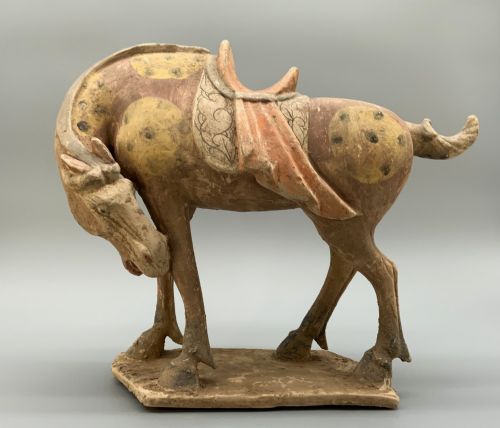
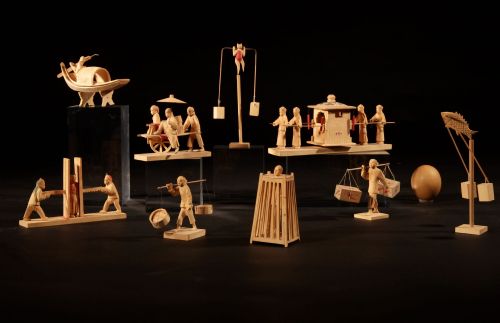
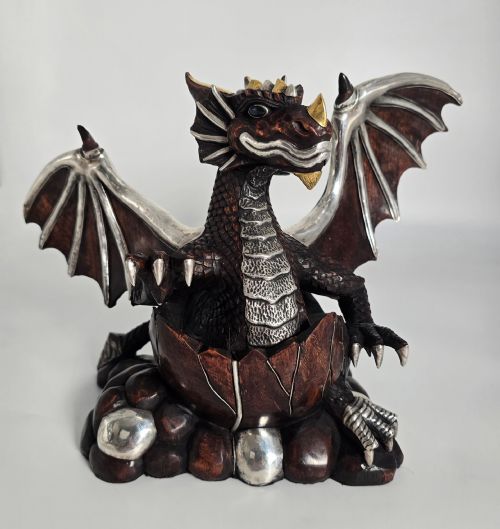
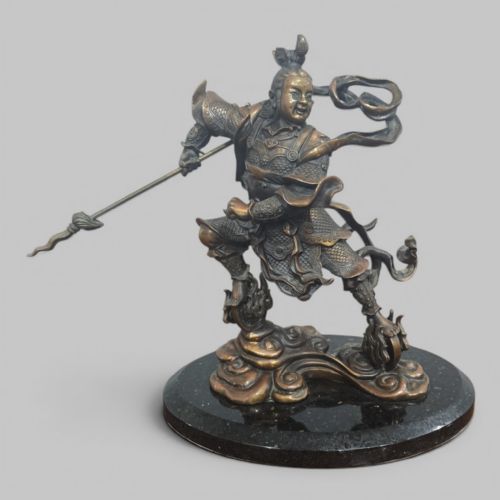
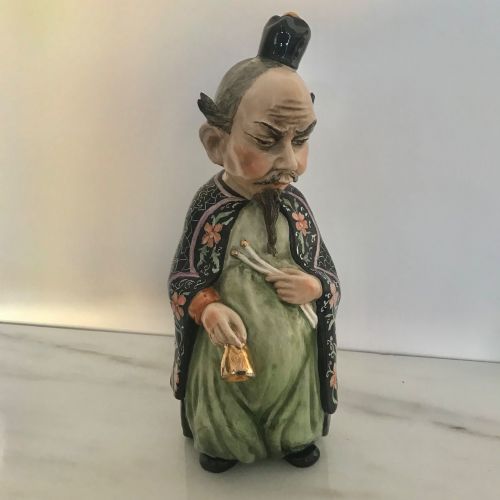
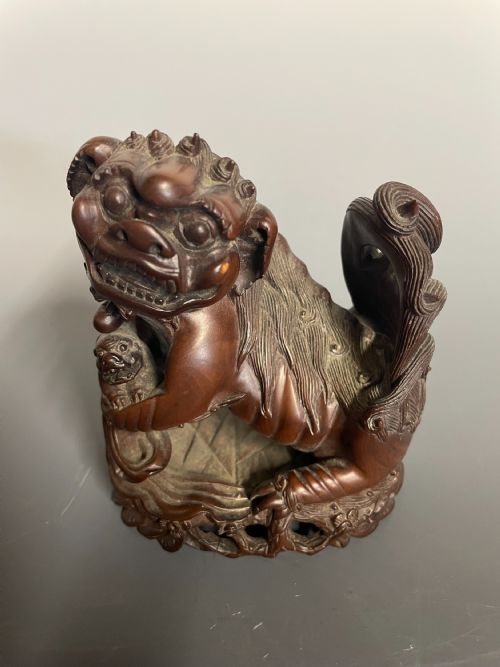
When you search for a Chinese oriental figurine, you encounter a diverse range of sculptures, statues and carvings spanning periods from pre-sixteenth century pottery to the twentieth century. The selection encompasses traditional figures, immortals, scholars, animals and daily life scenes.
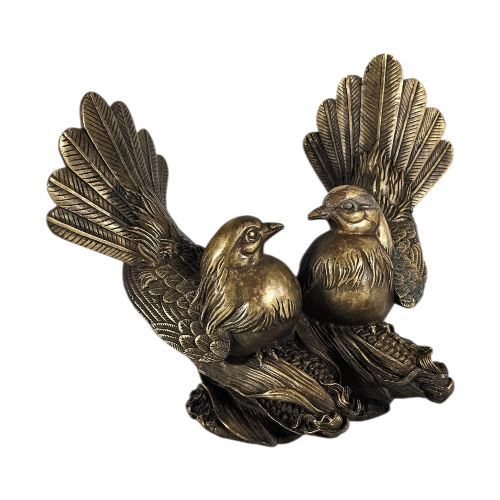
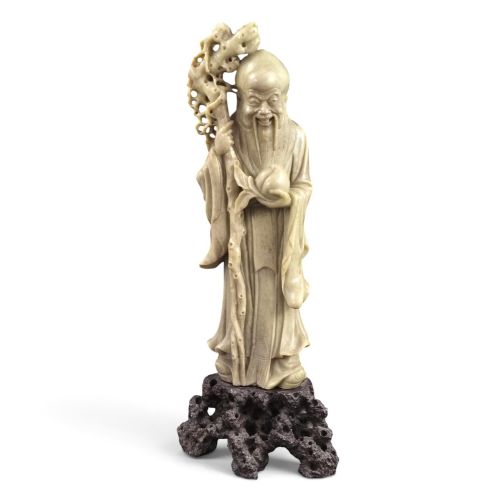
You are most likely to meet nineteenth-century and early twentieth-century examples on this page, particularly works originating from the Qing Dynasty and later traditional styles. These include ceramic ducks, bronze birds, carved hardwood figures and soapstone representations.
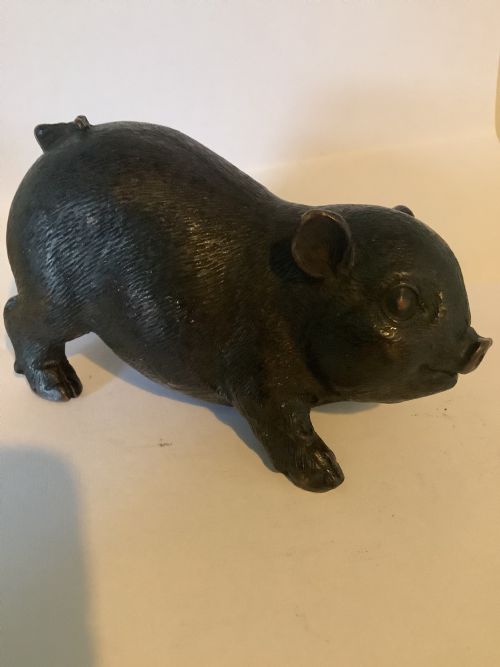
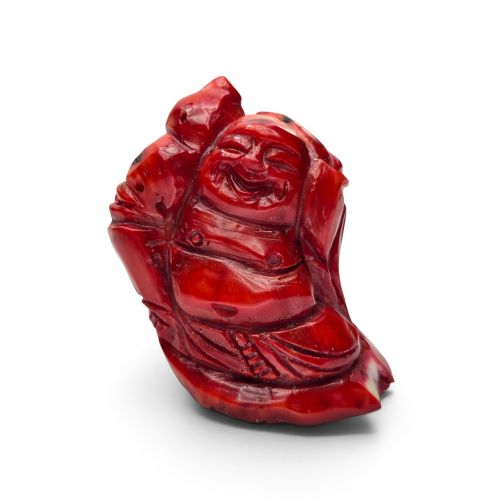
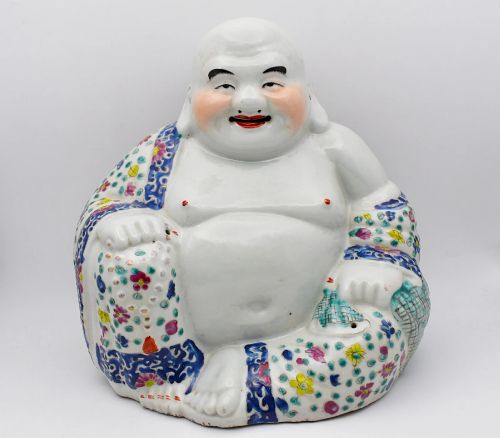
The forms vary widely from single deities like Budai and Guanyin to pairs of bronze pigeons, water buffaloes and ceramic cockerels. Each object reflects distinct regional workshops and historical periods of Chinese art and folk craft.
Materials and Techniques
Carving represents a primary method, utilising natural materials such as hardwood, boxwood, soapstone, jade, hardstone and coral. Artisans shaped these mediums to reveal intricate details in figures, animals and mythical beasts.
Modelling and casting employ bronze, brass, terracotta, earthenware and porcelain. Ceramic pieces frequently utilise enamel decoration, famille rose palettes and sancai glazes to achieve colour and surface finish.
Several stone and wooden water buffaloes on offer demonstrate that carvers enjoyed depicting these placid beasts accompanied by scholarly riders.
What Varies in Quality
The degree of anatomical precision and expressive depth distinguishes standard carvings from superior sculptural works. Master carvers utilised the natural grain of hardwood or the veining of soapstone and jade to enhance the vitality of the subject.
Surface decoration and glazing technique define the upper tier of ceramic and porcelain figures. Controlled enamel application and even sancai glaze distribution indicate higher workshop standards.
Zhu Mao Ji
The Chinese Oriental Figurine Glossary
- Famille Rose
- A palette of opaque enamel colours introduced in Chinese ceramics during the Qing Dynasty, dominated by pink and rose hues. It allows for soft tonal gradations in painted figurines.
- Soapstone
- A talc-schist mineral easily carved into intricate sculptures and figures due to its soft texture. It often displays mottled grey, green or reddish tones.
- Sancai
- A three-colour glaze technique traditionally utilising green, amber and cream hues on pottery bodies. It is frequently associated with Tang Dynasty style figures.
- Blanc de Chine
- A type of white porcelain made at Dehua in Fujian province, known for its milk-white glaze and smooth texture. It is commonly used for religious figures like Guanyin.
- Cloisonné
- An enamelling technique where metal wires form compartments on a bronze or brass base to hold coloured enamel pastes. Firing fixes the design before surface polishing.
Chinese Oriental Figurine: Frequently Asked Questions
How were these figures used historically?
Many figures served as religious icons, scholarly desk ornaments or protective symbols within domestic settings. Deities like Budai and Guanyin held spiritual significance for household devotion and good fortune.
Other pieces, including incense holders and decorative animal pairs, combined practical utility with aesthetic display in scholar's studios and traditional homes.
How do I care for a carved wooden or stone figure?
Wooden carvings benefit from occasional dusting with a soft dry cloth and protection from direct sunlight and extreme humidity changes. Maintaining stable indoor environments prevents wood from splitting or drying out.
Stone and jade pieces require minimal maintenance beyond gentle cleaning. Avoid harsh chemical cleaners that might damage delicate surface patinas.
How can I tell the period of a ceramic piece?
Dating relies on stylistic characteristics, glaze types, potting techniques and base marks where present. Famille rose enamels, sancai glazes and Blanc de Chine finishes each correspond to specific manufacturing traditions.
Comparing the handling of clay, weight and decorative motifs helps distinguish nineteenth-century Qing pieces from earlier dynasties or later revivals.