
Brown Carved Statue
These brown carved statue pieces span European workshops and Asian dynasties, offering solid wood and polychrome figures that ground a room.
Brown Carved Statue
A brown carved statue encompasses wooden sculptures, animal figures, and devotional saints originating from diverse global traditions. These objects range from European devotional carvings to Swiss animal studies and Chinese hardwood sculptures.
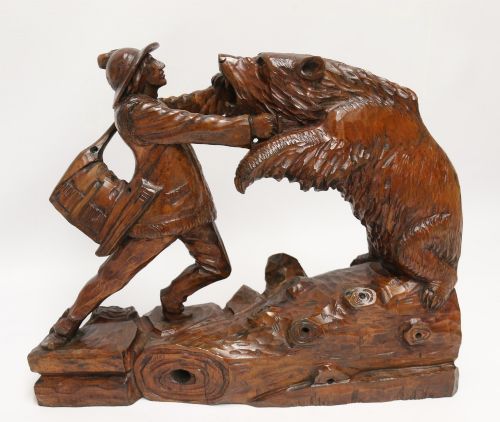
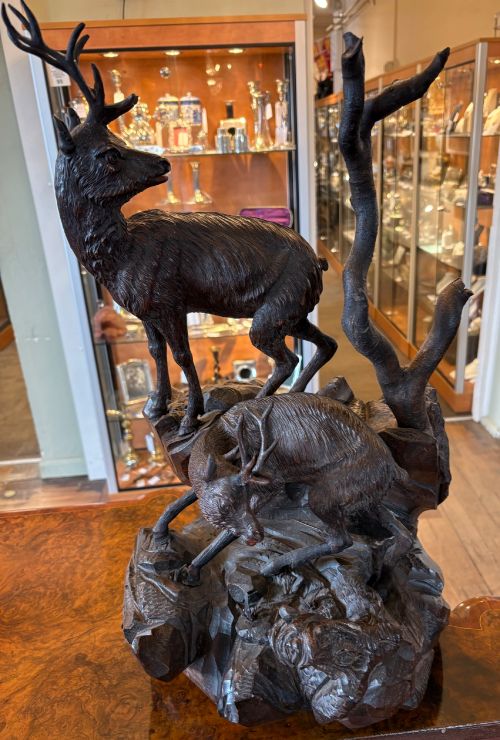
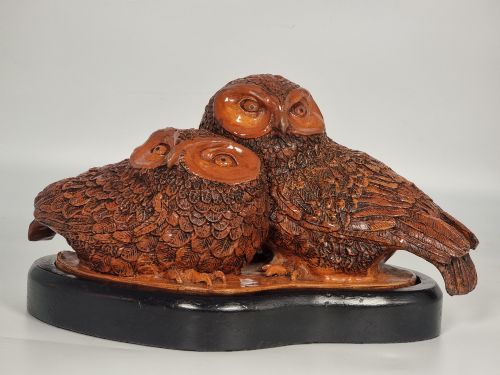
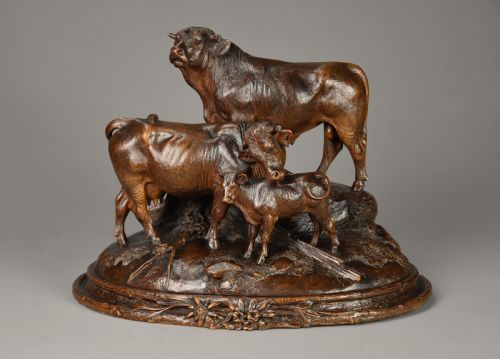
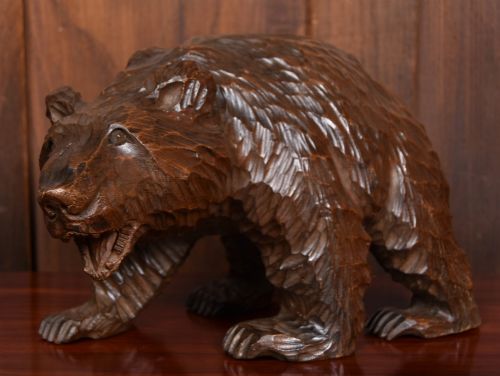
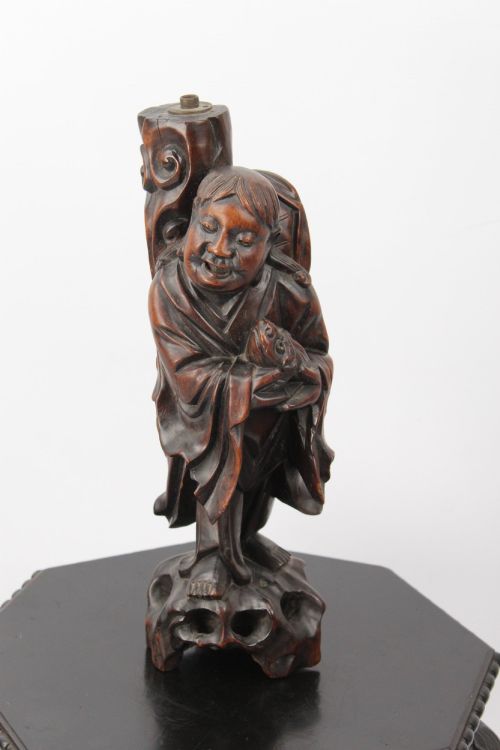
The version most commonly encountered on this page is the nineteenth-century animal study or European folk art figure. Black Forest bears and owls alongside Chinese hardwood guardian figures dominate the current selection.
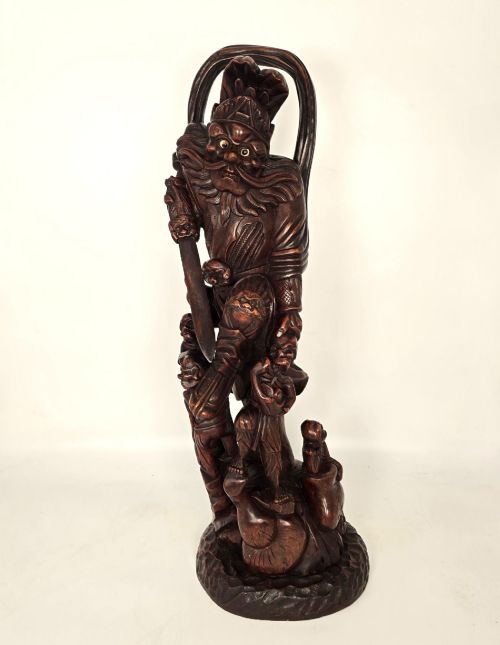
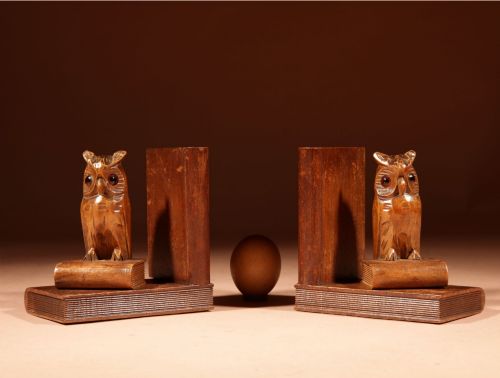
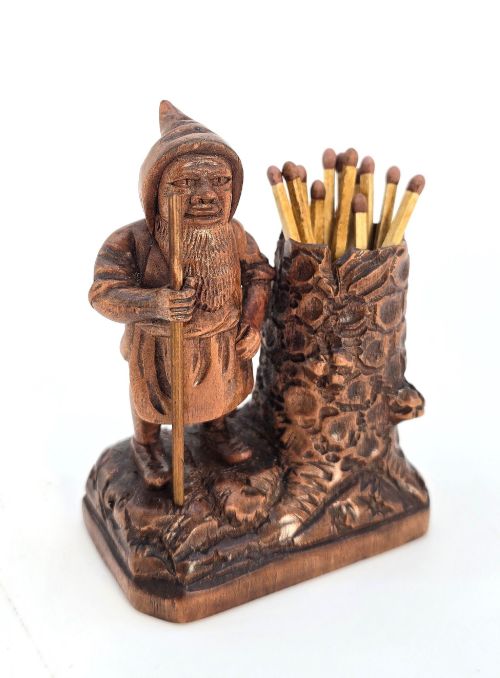
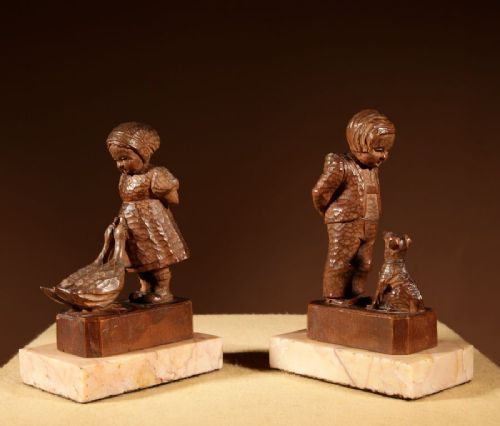
Forms vary from monumental guardian kings and life-size saints down to small bookends and match holders. Each piece reflects the specific regional carving traditions of its period, whether European gothic revival or Qing dynasty craftsmanship.
How they were made
Carvers shaped these pieces primarily from dense timbers including walnut, oak, hardwood, and linden wood. Artisans selected specific woods to accommodate fine anatomical detail or robust structural forms.
Many European and Asian items received surface treatments such as oil finishes, paint, or polychrome decoration over gesso grounds. Some Asian works incorporate mixed metal mounts alongside traditional lacquered surfaces.
The selection includes European folk art, Black Forest animal studies, and Chinese hardwood figures.
What varies in quality
Quality rests in the anatomical precision of the carving and the depth of expression captured in the wood grain. Master carvers defined muscle tension and facial character with clarity, whereas simpler folk art pieces rely on naive charm and straightforward tool marks.
The integrity of the timber and the preservation of original polychrome paint or dark wax finishes determine the visual strength of a sculpture. Pieces retaining distinct maker signatures or precise workshop attributions stand apart from unrecorded anonymous works.
J HUGGLER
The Brown Carved Statue Glossary
- Polychrome
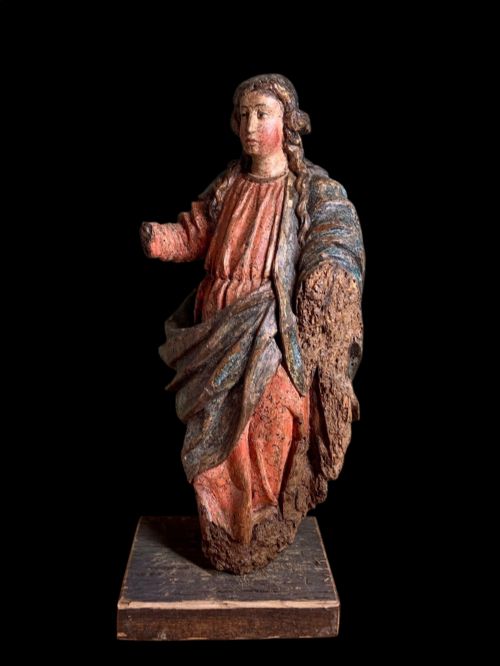
- Painted in several colours. This surface treatment appears frequently on eighteenth-century devotional figures and saints.
- Hardwood
- Timber from broad-leaved deciduous trees. Dense hardwoods like those used in Chinese sculptures resist splitting and hold fine details.
- Black Forest
- A style of wood carving originating in Central Europe. These pieces typically depict local fauna such as bears, deer, and owls.
- Santos
- A carved figure of a saint. These devotional statues often stood in domestic shrines or churches.
- Linden wood
- A pale timber favoured by European carvers. It cuts smoothly in any direction, making it ideal for intricate figures and match holders.
Brown Carved Statue: Frequently Asked Questions
What is a Black Forest carving?
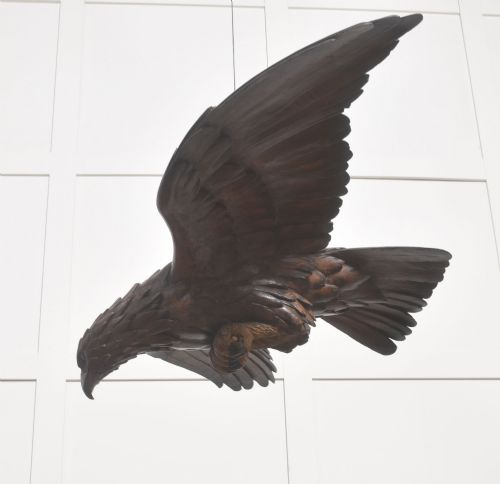
Black Forest carvings are wooden sculptures produced in Switzerland and Germany during the nineteenth and early twentieth centuries. They frequently depict forest animals like bears, eagles, and deer rendered in walnut or linden wood.
These pieces served as decorative ornaments, umbrella stands, and bookends for Victorian interiors. The style emphasises realistic textures and dynamic postures.
How do I care for wooden statues?
Keep wooden sculptures away from direct sunlight and steady heat sources to prevent the timber from splitting. Dust them gently with a dry, soft cloth rather than using liquid polishes.
Maintaining stable room humidity protects both the bare wood and any applied polychrome paint layers. Proper placement ensures the antique surface remains stable over decades.
What are Chinese hardwood sculptures?
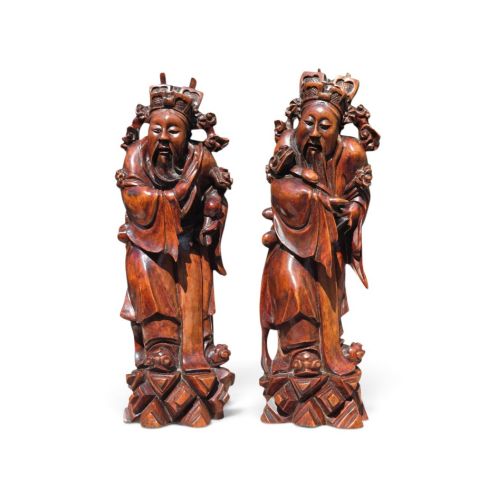
Chinese hardwood sculptures comprise figures carved from dense, dark timbers such as zitan or huanghuali. These works often represent Daoist immortals, guardian kings, and mythological animals from dynastic periods.
Craftsmen utilised the natural weight and fine grain of the wood to create imposing decorative objects. Such pieces demonstrate complex regional carving traditions distinct from European styles.
How are devotional figures identified?
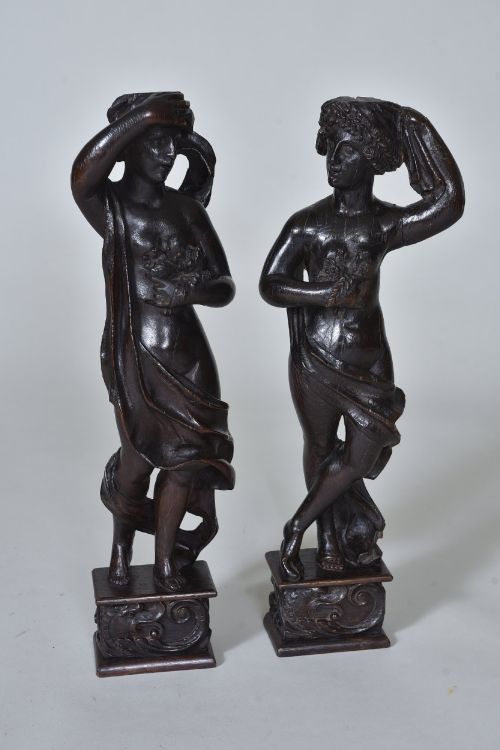
Devotional figures usually represent saints, the Madonna, or Christ and date from the eighteenth and nineteenth centuries. They often display traces of original paint or gesso beneath later wear.
Many of these statues originated in Italy, France, or Spain for use in private chapels or churches. Their poses and vestments follow traditional religious iconography.