

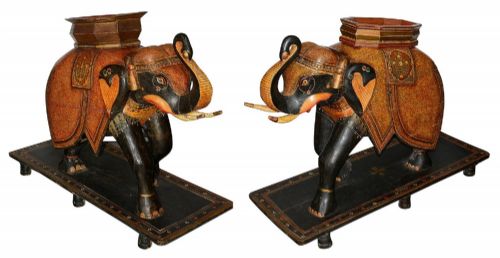

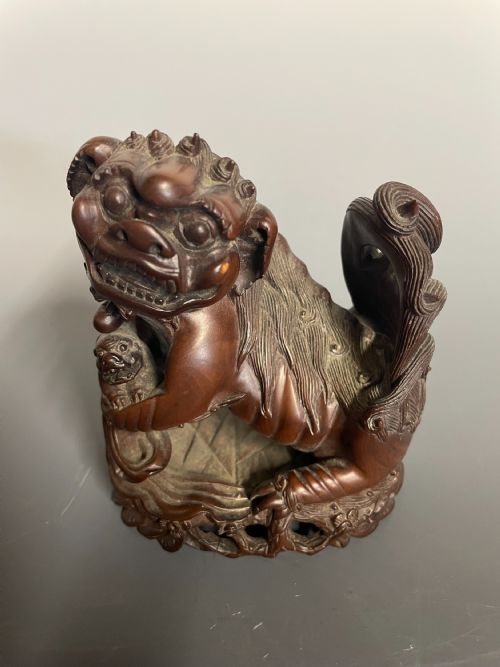
Oriental Carved Wooden Statue
An oriental carved wooden statue brings centuries of master craftsmanship into a room, spanning temple figures to domestic animal carvings.
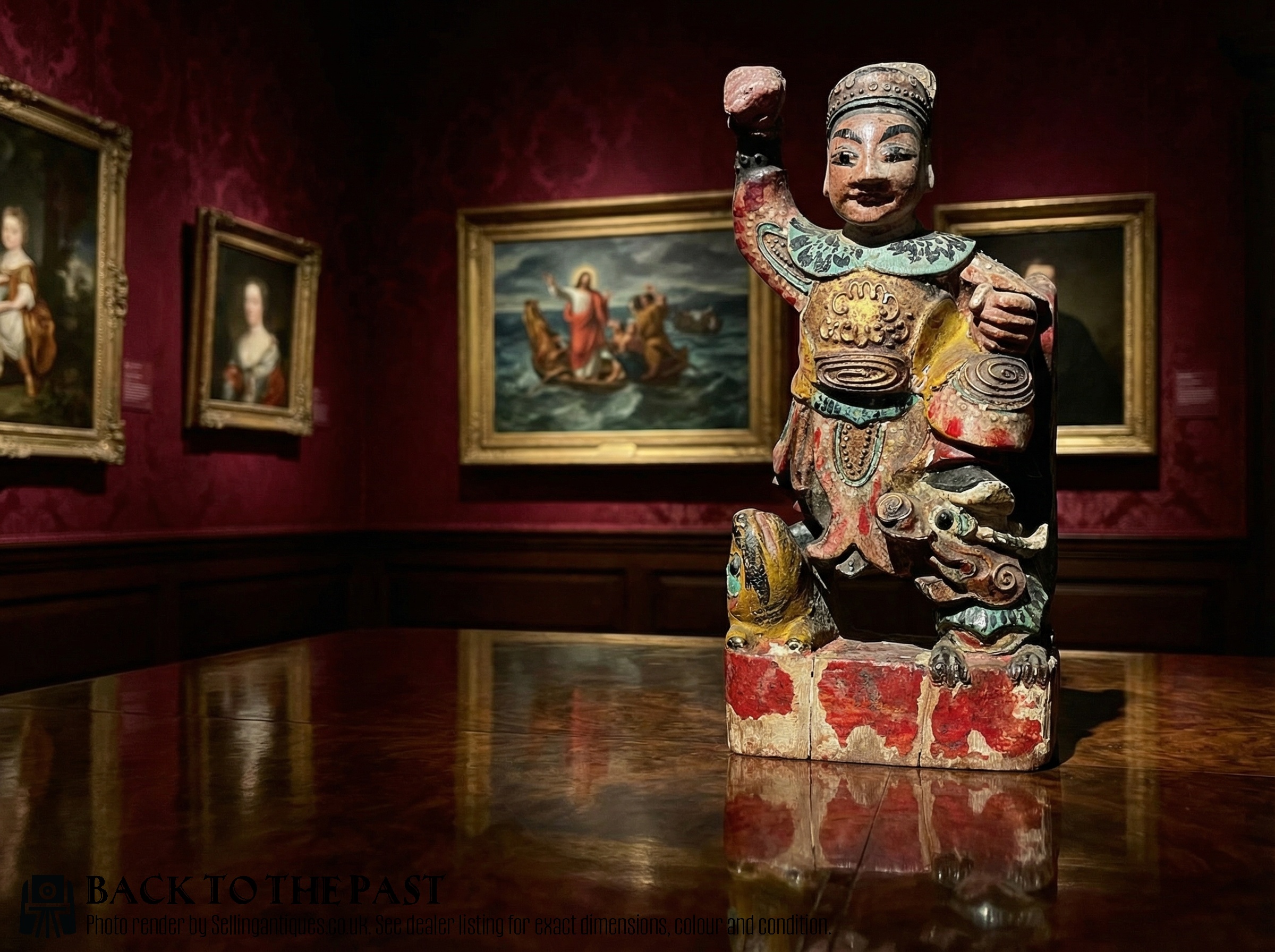
Oriental Carved Wooden Statue
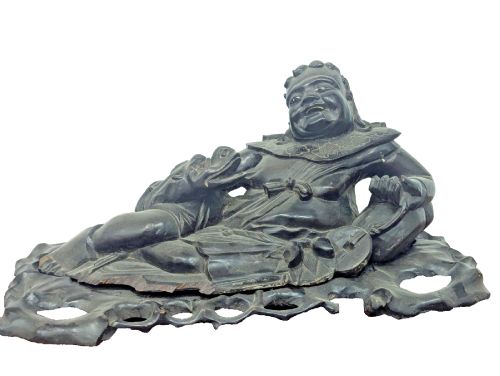
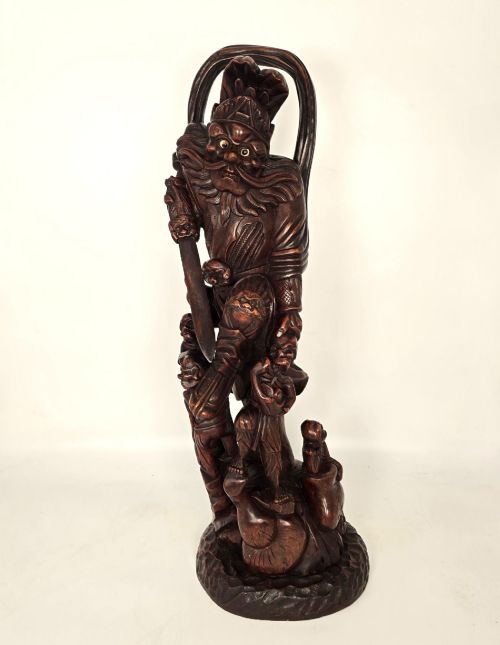
An oriental carved wooden statue encompasses figures, animals, and temple deities originating primarily from China, Japan, India, and Indonesia. These works take the form of guardians, scholars, deities, and daily life figures produced across the eighteenth, nineteenth, and early twentieth centuries.
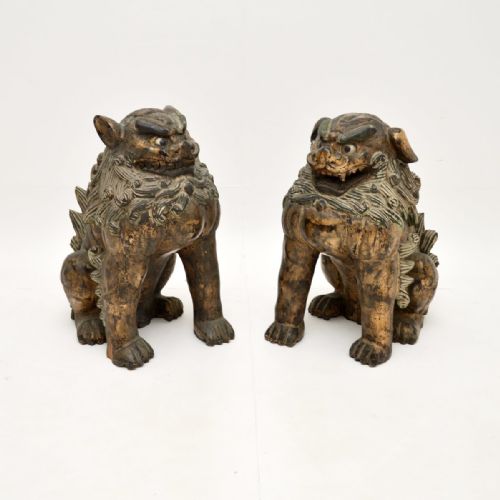
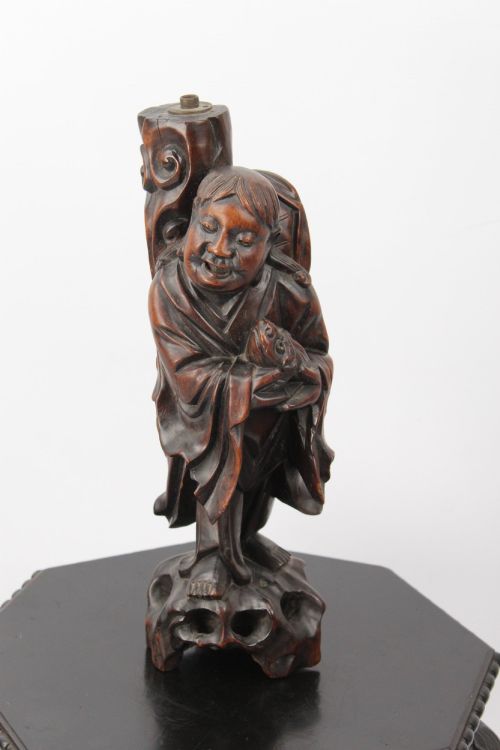
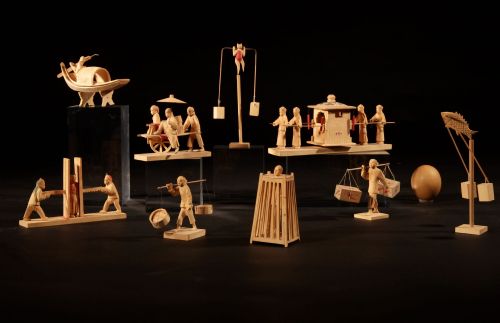
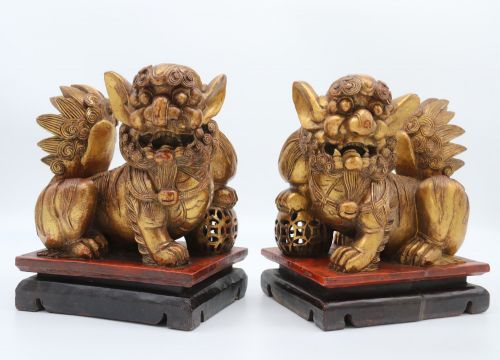
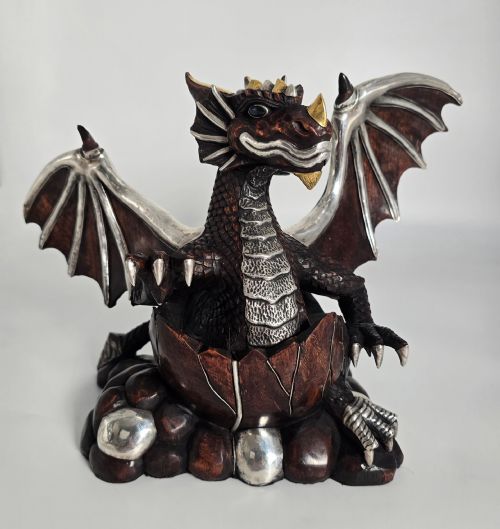
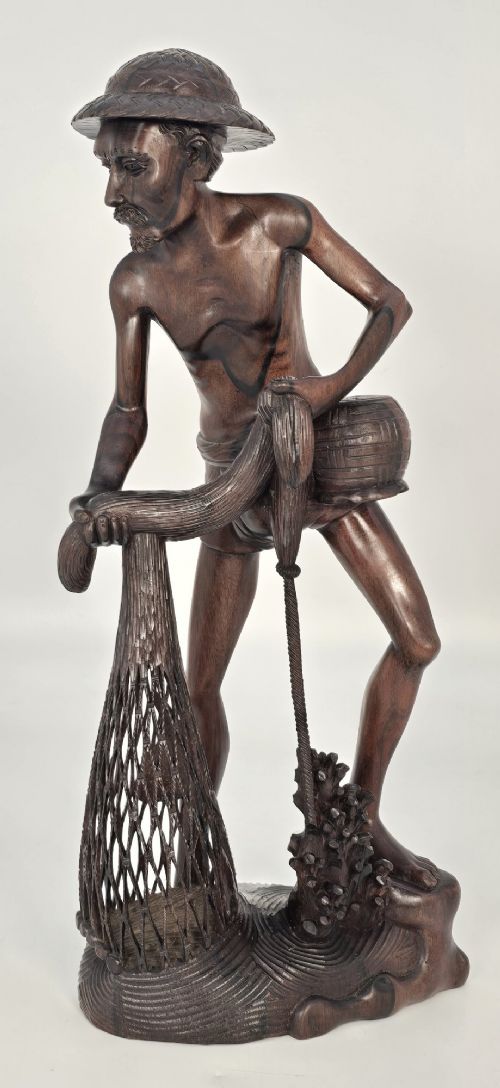
The most common examples encountered on this page are nineteenth-century Chinese hardwood sculptures and Japanese Meiji period carvings. Buyers regularly find mythical beasts like Foo dogs alongside representations of Buddha, Daoist immortals, and local fishermen.
How they were made
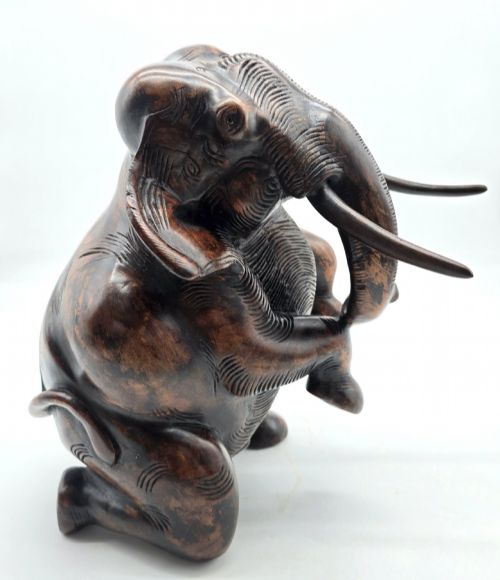
Carvers utilised dense timbers such as hardwood, boxwood, and burr root wood to achieve intricate detail without structural failure. Root wood pieces often follow the natural contours of the timber to form animal shapes and figures.
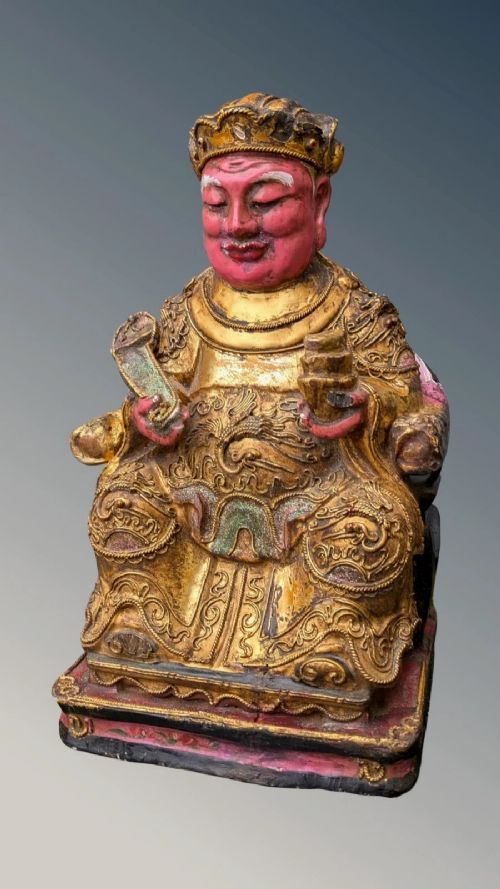
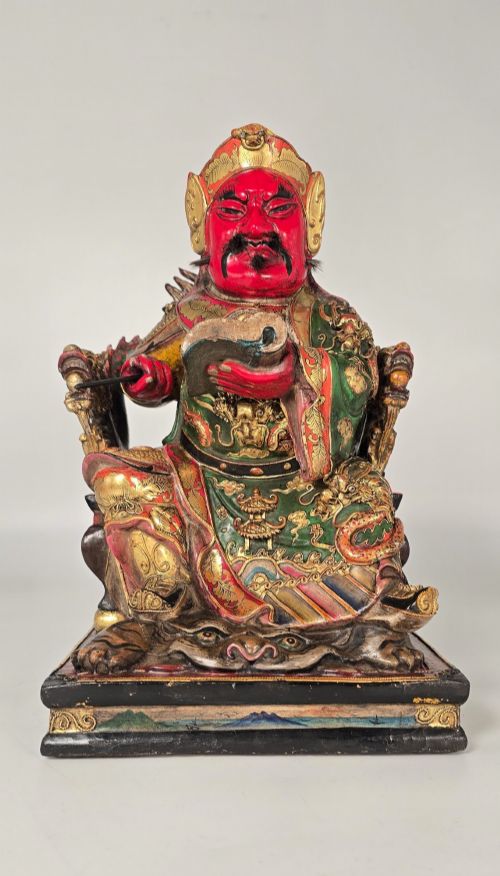
Surfaces frequently received layers of lacquer, gold leaf, or polychrome paint applied by hand. Gilding and pigment highlight the rich relief work found on temple figures and ritual sculptures.
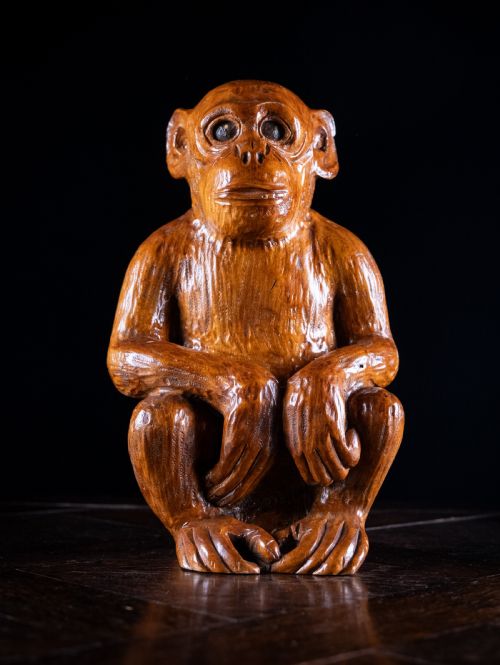
Several monkeys and bears carved by regional artisans demonstrate that historical wood carvers possessed a wonderful sense of humour.
What varies in quality
The depth and precision of the chisel work dictate the sculptural fidelity, separating mechanical production from master execution. Subtle facial expressions and anatomical accuracy distinguish superior figures from basic commercial output.
The preservation of original surface treatments, including polychrome pigments and gold leaf, heavily influences the integrity of each piece. Retained patination on exposed hardwood shows the natural ageing process of the timber.
The Oriental Carved Wooden Statue Glossary
- Hardwood
- Slow-growing dense timber used for detailed oriental carvings. It provides the weight and structural stability necessary for deep relief work.
- Foo Dog
- Traditional Chinese guardian lion sculpture. These mythical beasts frequently appear in pairs guarding entrances.
- Meiji Period
- Japanese historical era lasting from 1868 to 1912. Sculptures from this time often show exceptional naturalism in boxwood and hardwood.
- Polychrome
- Decoration utilising several colours on the surface of wood. Artisans applied paint and pigment over gesso or directly onto carved figures.
- Okimono
- Japanese decorative tabletop sculpture. These small-scale figures portray humans, animals, and folkloric subjects with great precision.
Oriental Carved Wooden Statue: Frequently Asked Questions
How do I identify a temple figure?
Temple figures usually display larger proportions and heavier traces of gilt and polychrome paint. They often represent specific deities, guardians, or officials intended for ritual settings.
Domestic carvings, by contrast, focus on scholars, fishermen, and animals intended for interior display rather than veneration.
Where should I place my wooden statue?
Keep wooden sculptures away from direct sunlight and fluctuating heat sources to prevent the timber from splitting. Stable indoor humidity preserves both the wood and any applied lacquer or gold leaf.
Position larger guardian figures on sturdy flat surfaces where their weight receives proper support.
What is root wood carving?
Root wood carving utilises the natural twisted forms of tree roots and burls to shape figures and animals. Artisans incorporate the organic knots and grains into the final design.
This technique produces distinct, one-of-a-kind silhouettes that celebrate the natural growth patterns of the timber.
How do I date a Japanese carving?
Japanese pieces from the Meiji period often exhibit distinct signatures or subject matter focused on traditional daily life and folklore. Stylistic refinement offers key clues to the era of production.
Comparison with documented examples from nineteenth-century collections helps narrow the decade of origin.