
Polychrome Carved Wood Sculpture
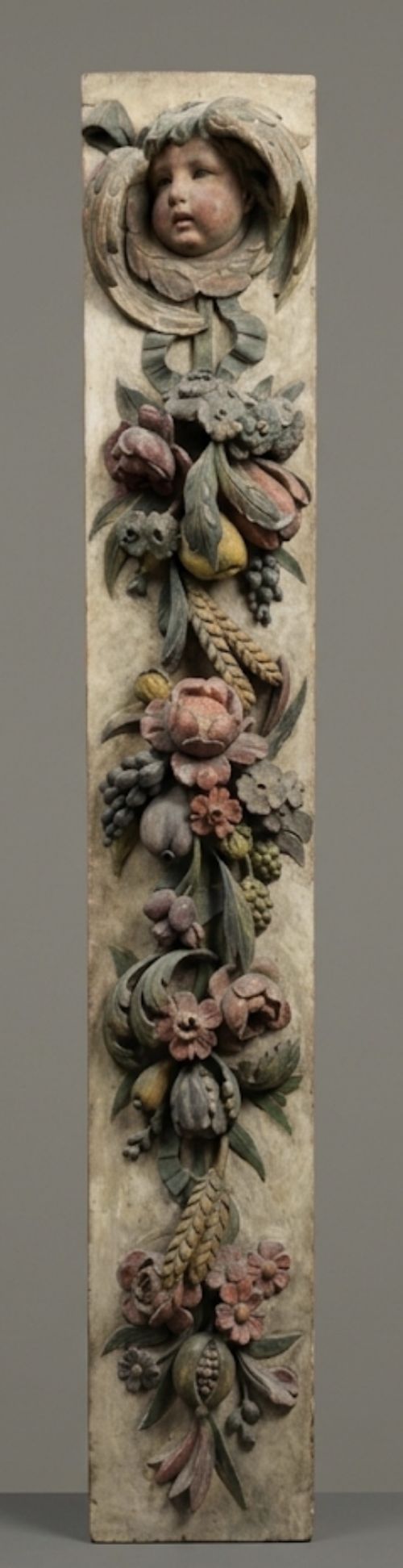
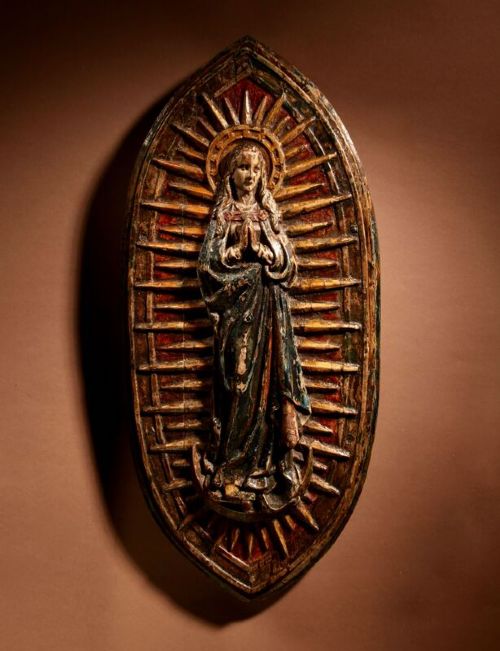
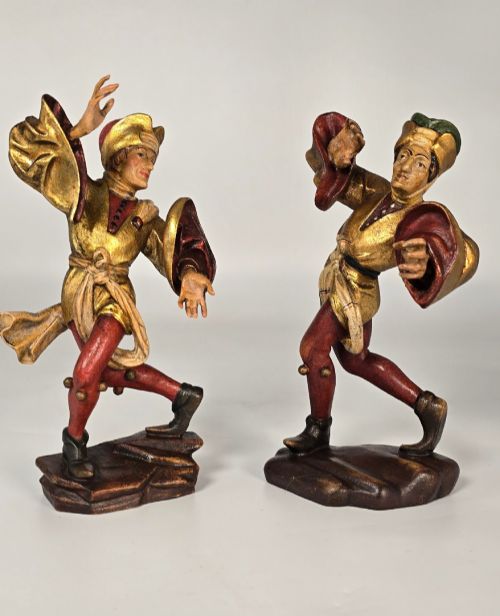
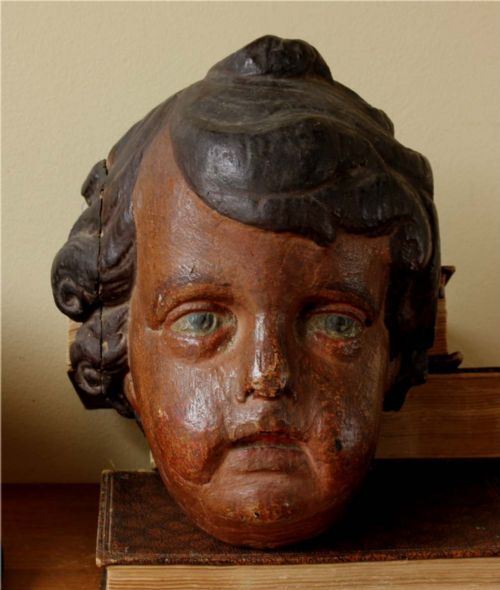
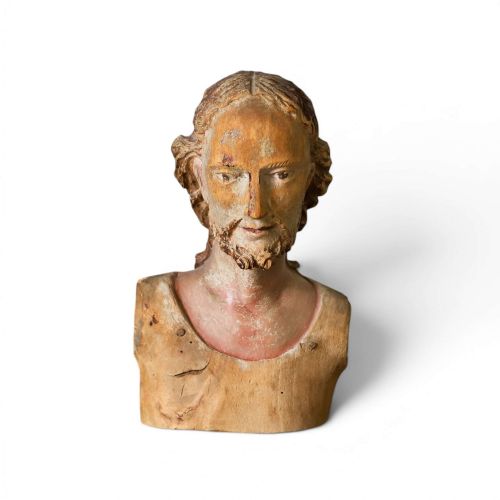
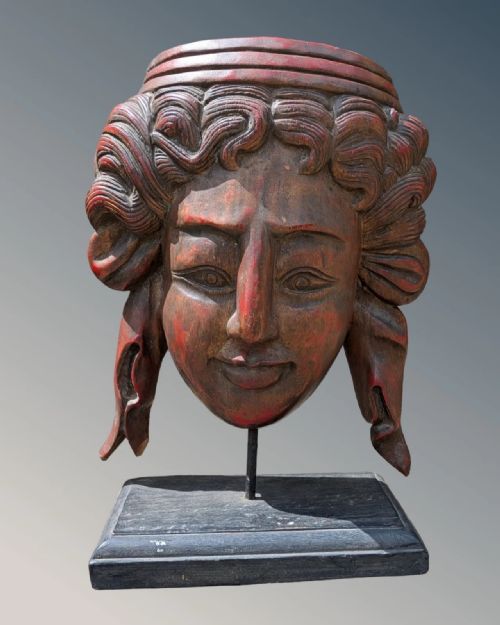
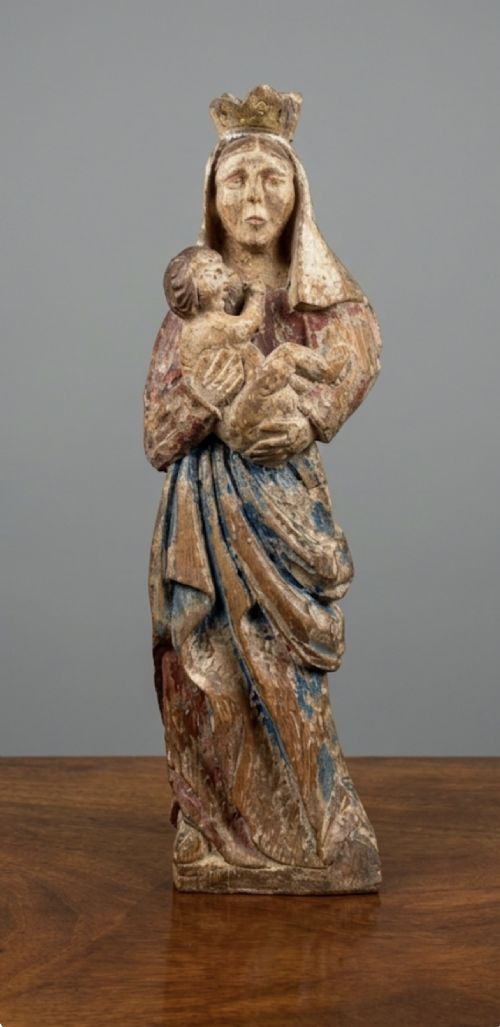
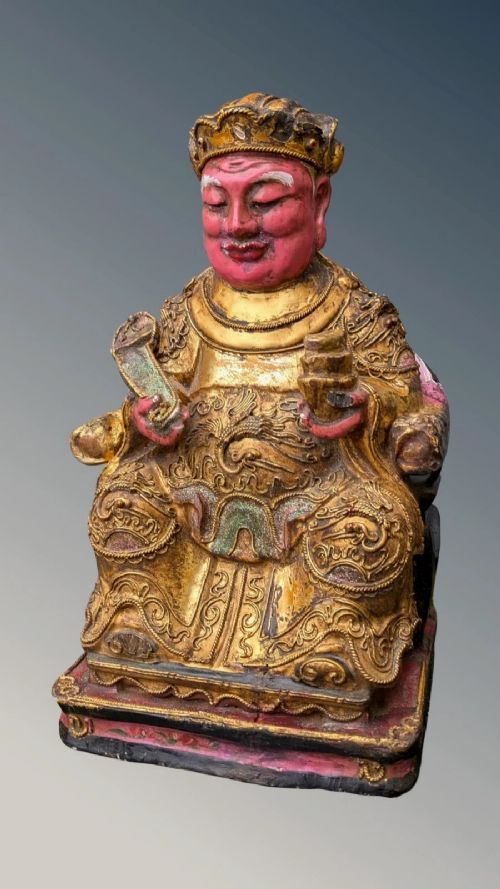
These pieces of polychrome carved wood sculpture bring together hand-cut timber, painted pigment and layered gold leaf to form figures, panels and shrines.
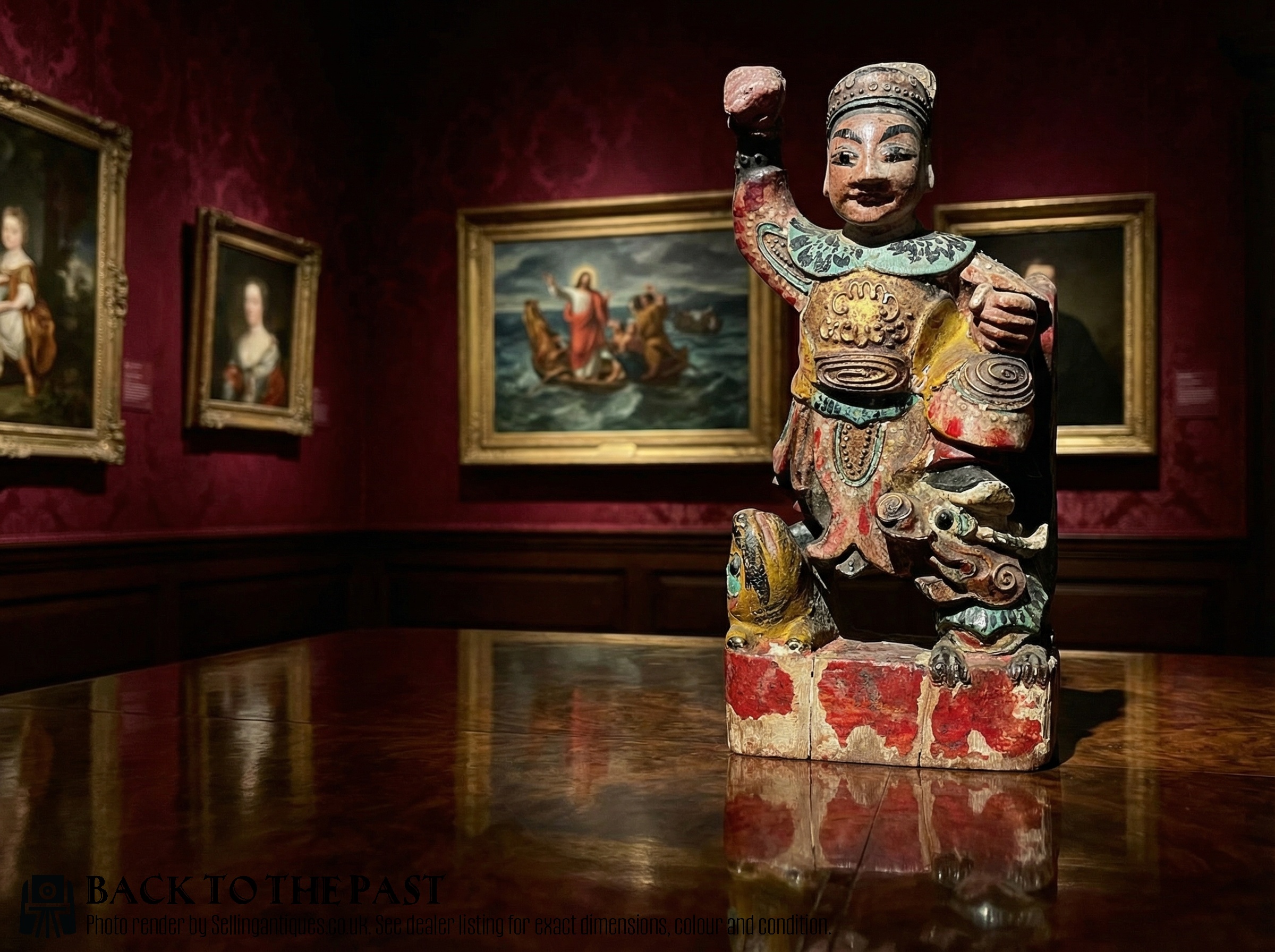
Polychrome Carved Wood Sculpture
A polychrome carved wood sculpture unites traditional timber working with applied surface pigment, bringing together three-dimensional form and painted detail in single objects. When buyers search for polychrome carved wood sculpture, they encounter figures, wall panels and architectural elements spanning several centuries.
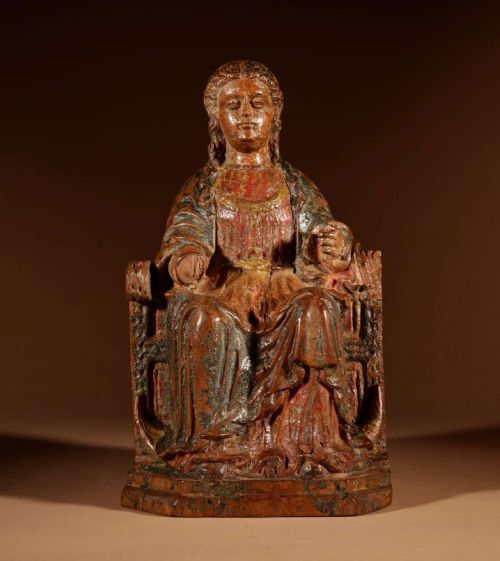
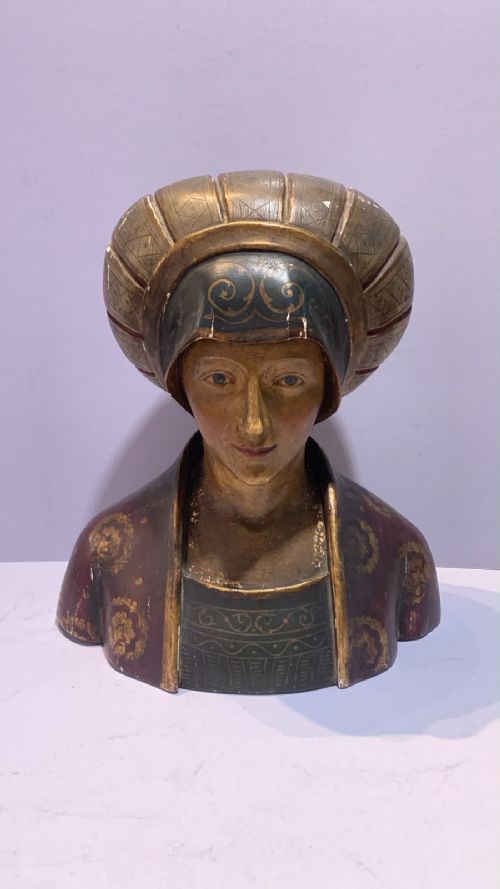
The selection here ranges from early religious altarpieces and figures of saints to folk art animals and decorative busts. Examples stretch from medieval church carvings through to nineteenth-century decorative figures and twentieth-century regional pieces.
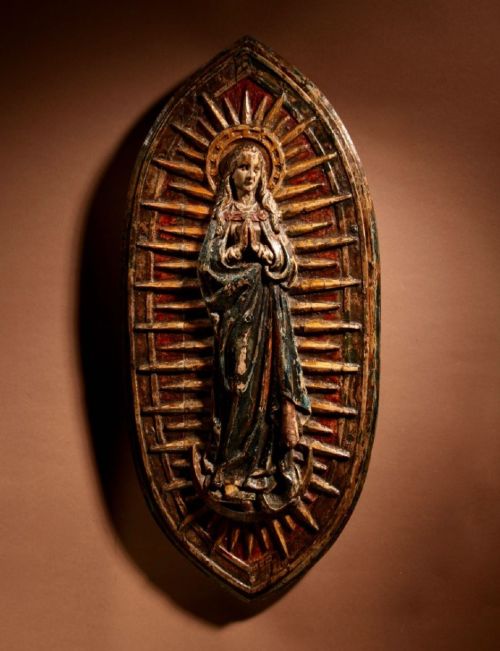
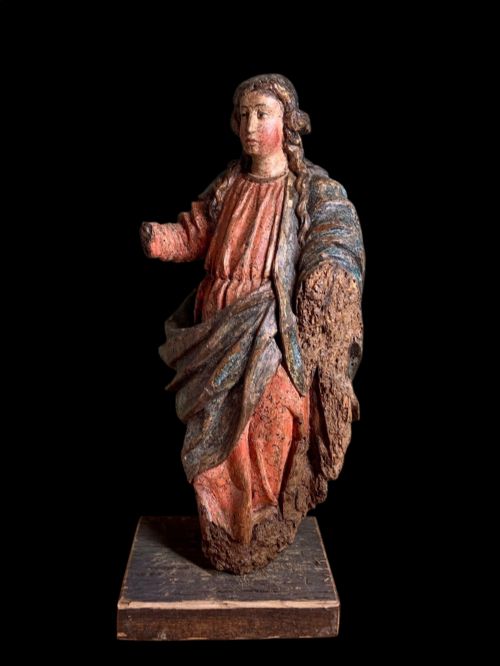
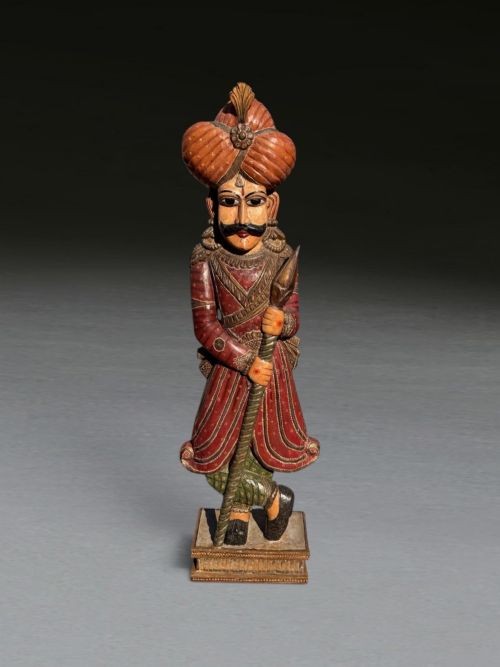
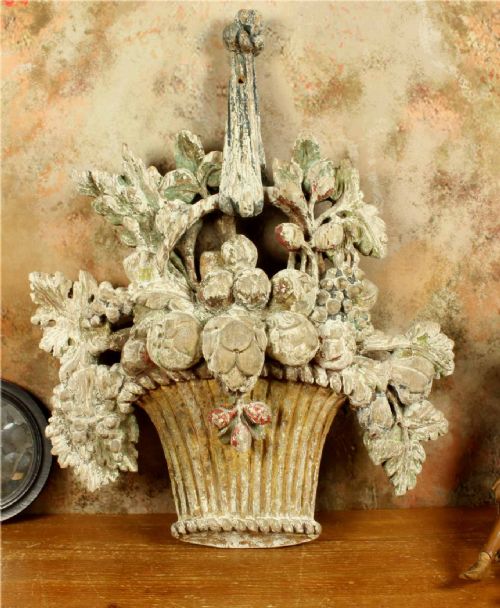
Religious subjects dominate the earlier periods, including depictions of saints, madonnas and biblical scenes rendered in oak, walnut and olive wood. Later nineteenth-century items tend towards decorative figures, animals, architectural ornaments and cultural representations.
How They Were Made
Carvers shaped these works primarily from regional timbers such as oak, walnut, limewood and olive wood using hand gouges and chisels. Artisans then applied a base layer of gesso to smooth the wood grain and provide a stable surface for subsequent painting or gilding.
Surfaces received decoration through hand-applied polychrome paint, lacquer and gold leaf, often finished with protective glazes. This layered technique allowed makers to achieve rich colour and metallic highlights that complemented the underlying carved contours.
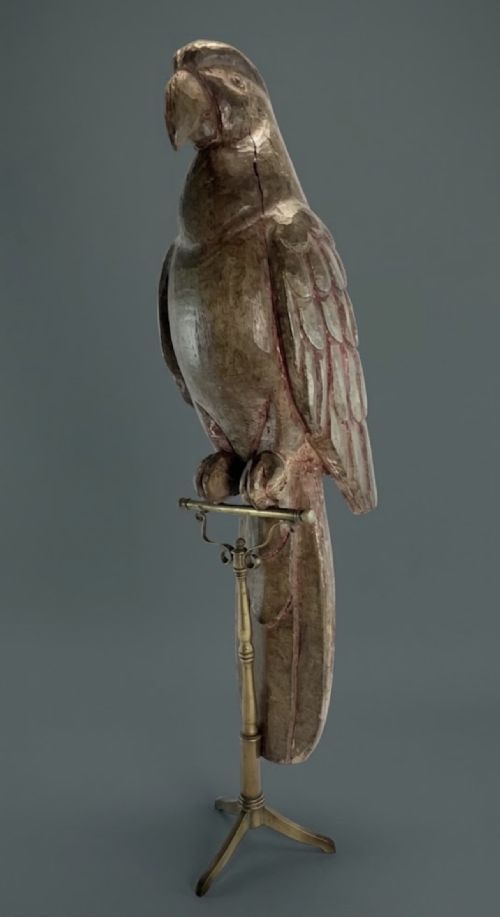
Among the carved animals standing ready to watch over a room, a wooden parrot perches patiently on a brass stand.
What Varies in Quality
The survival of original pigment and surface patina significantly influences the character of a piece. Works retaining their unblemished early paint layers and original gilding hold greater visual coherence than those with extensive later overpainting or stripped surfaces.
The Polychrome Carved Wood Sculpture Glossary
- Polychrome
- Decorated in multiple colours. This term describes sculpture and panels finished with painted pigments.
- Gesso
- A plaster mix applied to wood surfaces. It creates a smooth white ground for subsequent gilding and painting.
- Giltwood
- Timber decorated with gold leaf. Artisans applied thin sheets of gold over a prepared gesso base.
- Newel Post Finial
- An ornamental cap on a staircase post. These carved terminations often take figurative or sculptural forms.
- Altarpiece
- A devotional panel set behind an altar. Central panels frequently feature carved and painted religious figures.
Polychrome Carved Wood Sculpture: Frequently Asked Questions
How old are these sculptures?
The pieces span from pre-sixteenth century medieval church carvings up to twentieth-century folk art and decorative objects. Most standard listings cluster around the eighteenth and nineteenth centuries.
Earlier items often originate from religious contexts, while later pieces lean towards decorative figures, animals and regional craft traditions.
What woods were used?
Carvers utilised a variety of timbers depending on regional availability and the scale of the intended object. Oak and walnut appear frequently in European religious pieces, while limewood and olive wood support finer figurative work.
Makers selected each wood for its grain structure and stability under applied gesso and paint.
How do I care for polychrome wood?
Maintain stable indoor humidity levels and keep pieces away from direct heat sources and strong sunlight. Sudden environmental shifts can cause timber to move and the historic gesso or paint layer to flake.
Dust gently with a soft dry brush and avoid liquid cleaners or polishes that might damage the original pigment.
What is gesso?
Gesso is a traditional mixture of binder and chalk applied directly to the carved wood surface. It acts as an adhesive ground and smooths out tool marks before the artisan lays down gold leaf or paint.
The quality of this preparation layer underpins the durability and appearance of the final polychrome finish.