



Antique Religious Statue Bust
An antique religious statue bust brings centuries of devotion into a room, carved from wood and stone with solemn focus.
Antique Religious Statue Bust
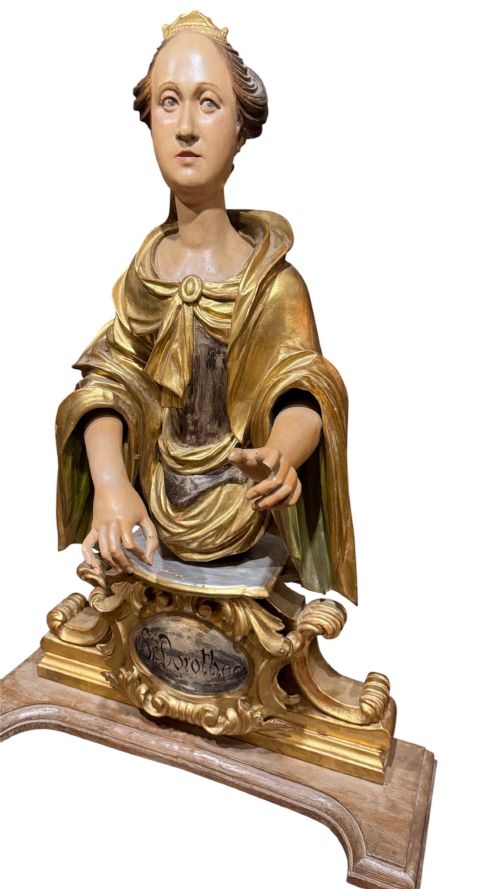
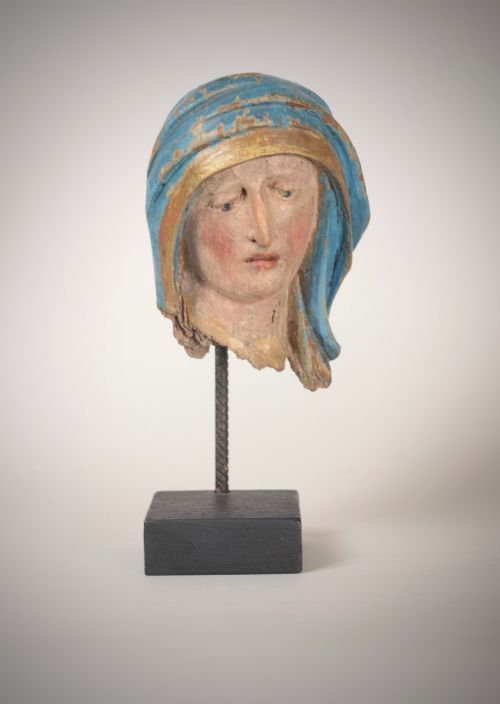
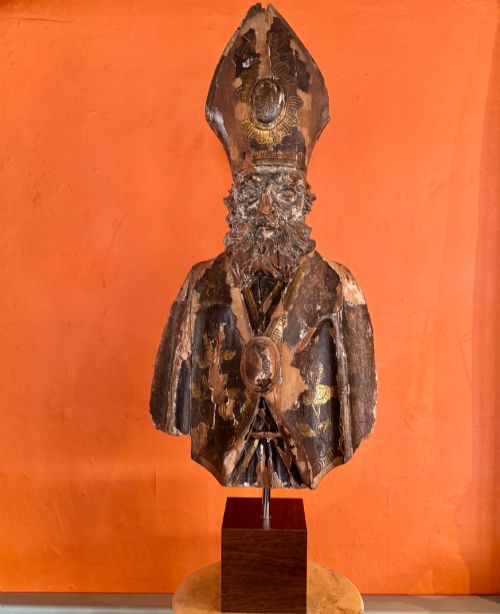
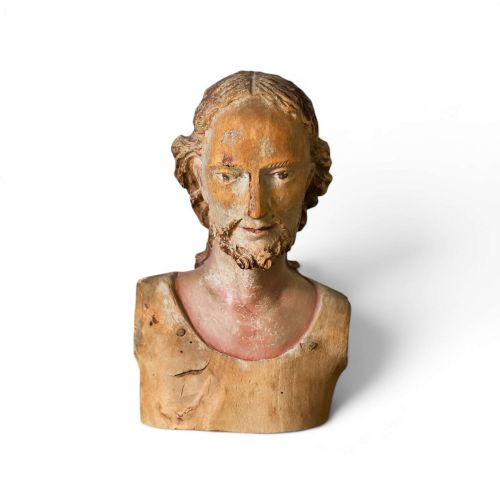
An antique religious statue bust captures sacred figures in wood, marble, and bronze, often surviving as fragments from larger devotional groups.
The versions most commonly met on this page span the sixteenth through nineteenth centuries, originating from Italian, French, and Austrian workshops.
Subjects range from biblical figures such as Christ, St John the Baptist, and St Jude to bishops, saints, and angels.
Materials and Methods
Carvers shaped these pieces primarily from walnut, olive wood, and general timber, applying gesso to prepare surfaces for detail work.
Polychrome paint and gold leaf brought lifelike colour and ecclesiastical richness to wood surfaces, while other works relied on patinated bronze and marble.
Antique Religious Statue Bust Retail Price Guide 2026
Typical asking prices for religious statue bust among the pieces listed under this phrase on Sellingantiques today, from the lower quarter to the upper quarter. They describe what is for sale here now, not the wider market.
Listings feature periods from the sixteenth century to the nineteenth century, utilising carved wood, marble, bronze, and polychrome paint.
Evaluating Quality
Quality rests upon the skill of the hand in rendering expression and drapery, moving from simple village carvings to sophisticated studio pieces.
The survival of original polychrome paint, gesso, and gilding elevates a piece, as does the clarity of the sculptural fragment.
Antonio Rossellino
The Antique Religious Statue Bust Glossary
- Polychrome
- Decoration in multiple colours applied to wood or stone sculpture. This technique brings a lifelike warmth to religious figures.
- Gesso
- A plaster mixture applied as a smooth base for paint or gold leaf on carved wood. It allows fine details to be built up before finishing.
- Fragment
- A surviving portion of a larger destroyed or dismantled artwork. Many historical busts began as parts of full-figure statues.
- Patination
- The natural surface sheen or applied colour acquired by age and handling. Bronze and wood develop distinct tones over decades.
- Ecclesiastical
- Relating to the Christian Church or its clergy. These objects were originally created for worship spaces.
Antique Religious Statue Bust: Frequently Asked Questions
How were these busts used originally?
Sculptures of this type stood upon altars, within church niches, or inside private domestic oratories for prayer and meditation.
Some formed parts of larger altarpieces or comprehensive sculptural groups before becoming separated over time.
How do I care for a carved wood bust?
Keep wooden and polychrome sculptures away from direct heat sources and strong sunlight to prevent the timber and paint from drying out.
Dust gently with a dry, soft cloth and avoid chemical cleaning agents that might harm fragile historical surfaces.
How can I tell the period of a sculpture?
Dating relies upon stylistic markers such as Renaissance restraint, Baroque movement, or Victorian Gothic revival details.
Tool marks, wood shrinkage, and the ageing patterns of gesso and polychrome paint also help indicate the century of creation.