





Antique Chinese Wooden Buddha
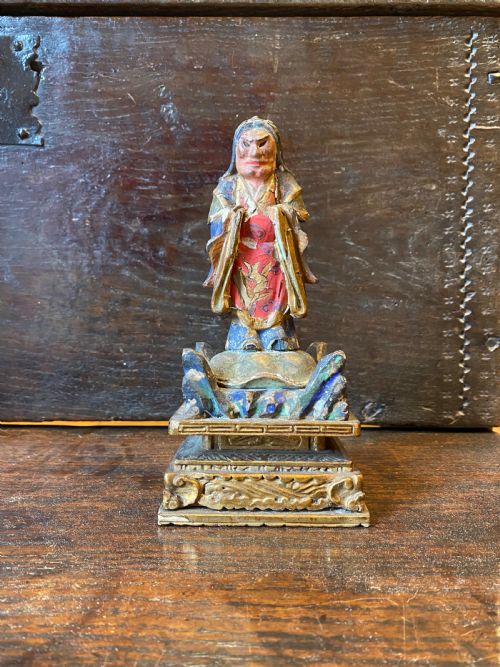
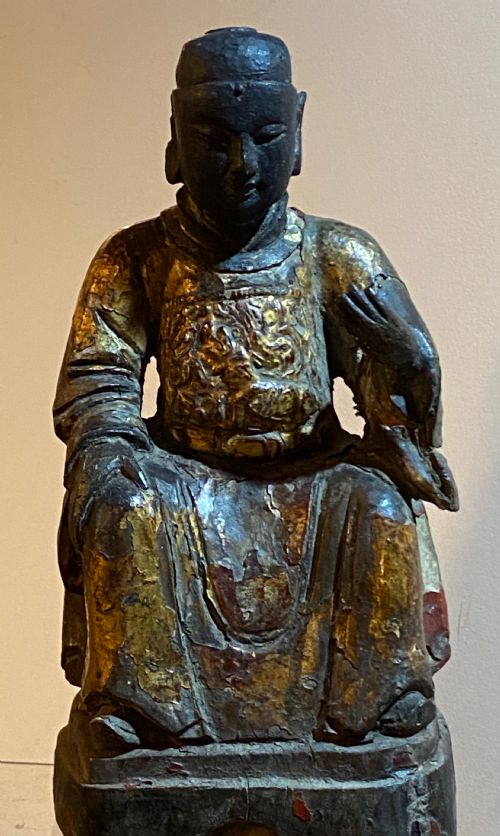
These antique chinese wooden buddha figures are sacred sculptures that bring centuries of devotional craft and contemplative presence into a room.
Antique Chinese Wooden Buddha
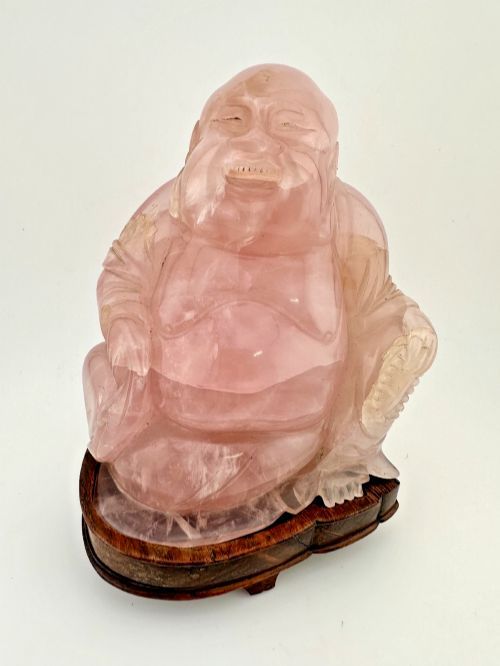
When you search for an antique chinese wooden buddha, you encounter sacred sculptures carved across the eighteenth and nineteenth centuries during the Qing dynasty. These pieces take various forms, from large temple guardians and seated deities to reclining Buddhas, laughing Budai figures, and medicine figures.
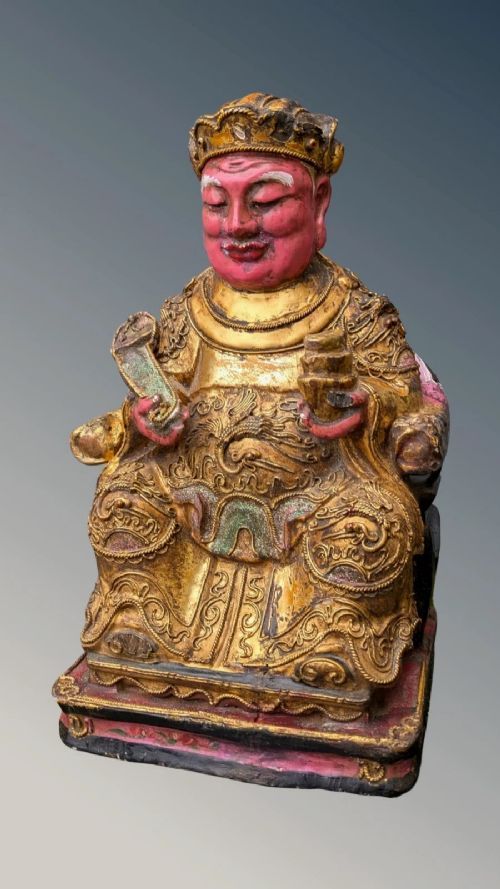
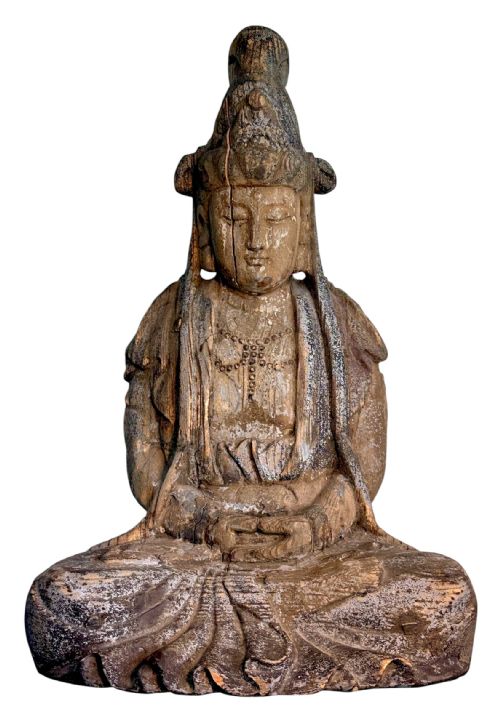
The versions you are most likely to meet on this page span the nineteenth century, often showing the mellow patination of aged timber beneath layers of historic pigment or gold leaf. They originate from temples, domestic shrines, and ritual spaces across China, capturing both serene spiritual composure and lively folklore.
How they were made
The surviving surfaces display the interplay between organic wood and applied decoration, where centuries of ritual use have worn the polychrome paint and exposed the grain beneath. Some sculptures incorporate carved wooden stands, uniting the main figure with its base through traditional joinery.
Antique Chinese Wooden Buddha Retail Price Guide 2026
Typical asking prices for chinese wooden buddha among the pieces listed under this phrase on Sellingantiques today, from the lower quarter to the upper quarter. They describe what is for sale here now, not the wider market.
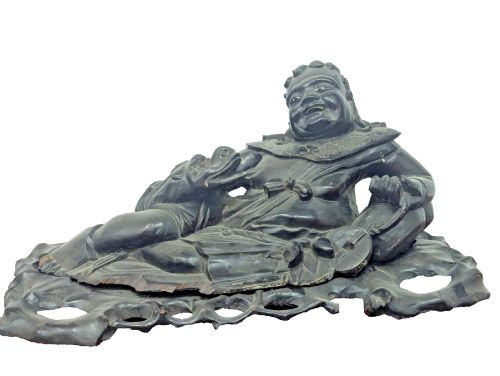
One cheerful nineteenth-century deity is described simply as an amusing reclining figure of a corpulent Buddha.
What varies in quality
The distinction between ordinary and exceptional sculptures rests in the ambition of the carving and the preservation of the original surface. Master carvers achieved a fluidity in the drapery and a subtlety in the facial expression that elevates a ritual object into a powerful work of art.
Quality also shows in the integrity of the polychrome pigment and gold leaf. Examples that retain their historic colour and gesso layers without heavy modern intervention command greater visual depth and historical coherence.
The Antique Chinese Wooden Buddha Glossary
- Budai
- A popular deity often depicted as a corpulent, laughing monk associated with contentment and abundance. He frequently appears in nineteenth-century carvings.
- Gesso
- A plaster-like preparation applied to wood to create a smooth surface for painting or gilding. It forms the white foundation seen beneath flaking pigment on older statues.
- Polychrome
- Decorated in multiple colours using historic pigments applied directly to the carved wood or gesso ground. This surface treatment brings lifelike detail to temple sculptures.
- Qing Dynasty
- The final imperial dynasty of China, spanning from sixteen forty-four to nineteen twelve. Most wooden figures on this page date from its later decades.
Antique Chinese Wooden Buddha: Frequently Asked Questions
How do I date an antique chinese wooden buddha?
Dating relies on stylistic clues, tool marks left by the carver, and the natural ageing of the hardwood and gesso. Eighteenth-century pieces often display deeper ritual wear and different pigment formulations compared to later nineteenth-century examples.
Examining the base, the joinery, and the way the polychrome paint has oxidised helps establish whether a piece belongs to the early Qing period or the end of the nineteenth century.
Were these figures made for temples or homes?
These sculptures served both public and private devotion, originating from bustling temples, rural shrines, and domestic ancestral altars. Monumental guardian figures usually stood in temple halls, while smaller statues belonged to household shrines.
Domestic figures often show intimate handling wear from generations of daily prayer and familial reverence.
Why do some figures have flaking paint?
Flaking paint and worn gesso result from centuries of environmental shifts, fluctuating humidity, and the natural drying of the underlying wood. As timber expands and contracts over generations, the rigid gesso ground and pigment layers inevitably separate.
This wear is a natural part of an antique sculpture's history rather than a modern defect.
How do I display a carved wooden figure safely?
Place the sculpture away from direct sunlight, heat sources, and damp areas to prevent the hardwood from cracking and the historic pigments from fading. Stable indoor humidity is essential for preserving dry timber and fragile gesso.
Ensure the figure rests on a flat, secure surface, utilising its original wooden stand if one is present.