




Qing Dynasty Polychrome Sculpture
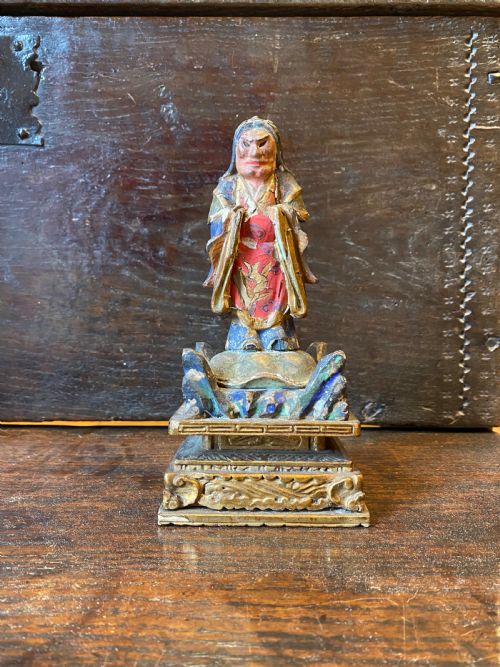
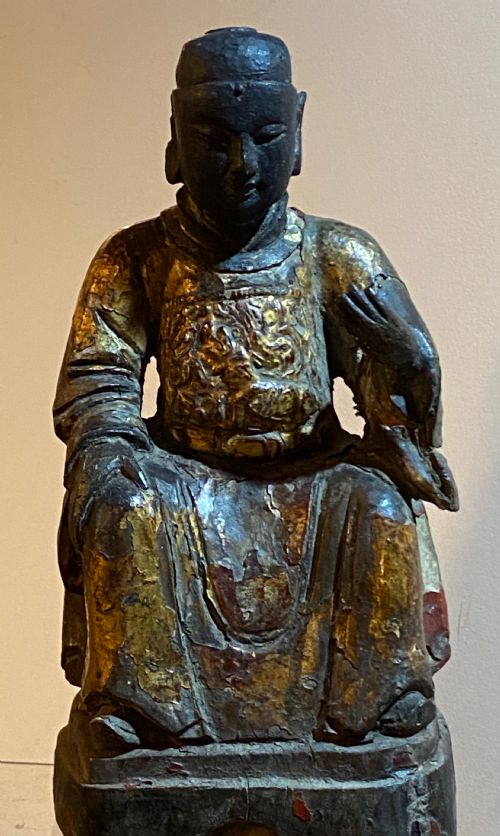
Qing dynasty polychrome sculpture brings vividly painted wood and ceramic deities, scholars, and temple guardians directly into your interior.
Qing Dynasty Polychrome Sculpture
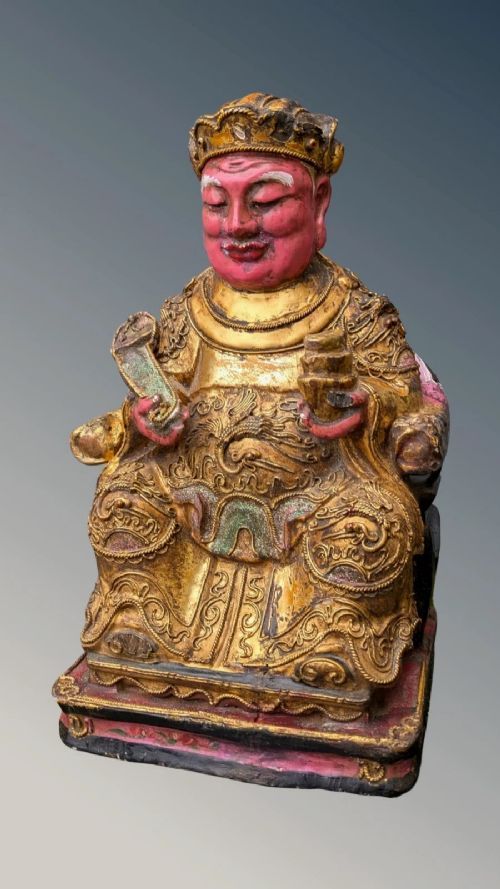
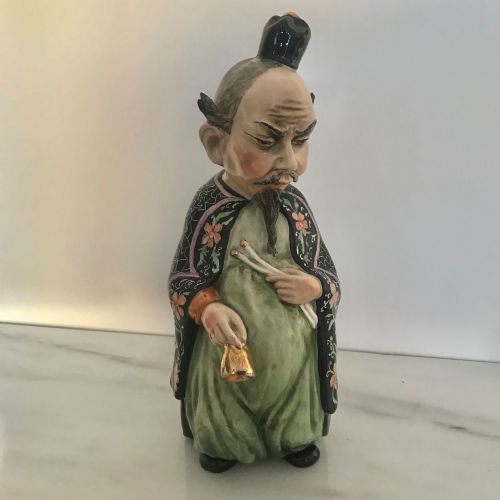
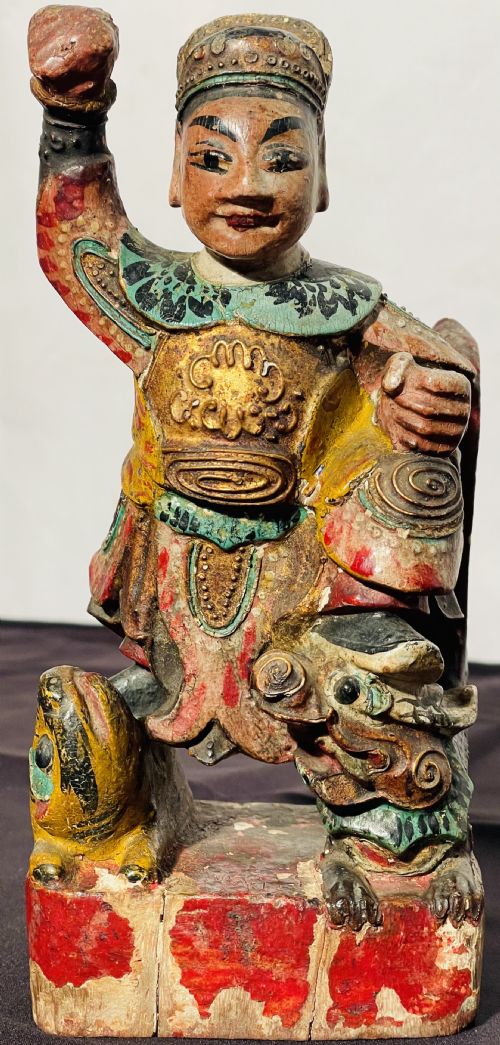
When searching for qing dynasty polychrome sculpture, collectors encounter figures ranging from carved wooden temple deities and civil officials to ceramic figurines and Foo dogs. The listings present carved wooden forms alongside ceramic pieces, all carrying pigment, lacquer, or enamel decoration.
Most examples found here date from the nineteenth and eighteenth centuries, though earlier transitional pieces and later twentieth-century scholar figures also appear. These works span religious statues, ritual figures, and decorative temple guardians rooted in Chinese antiquities.
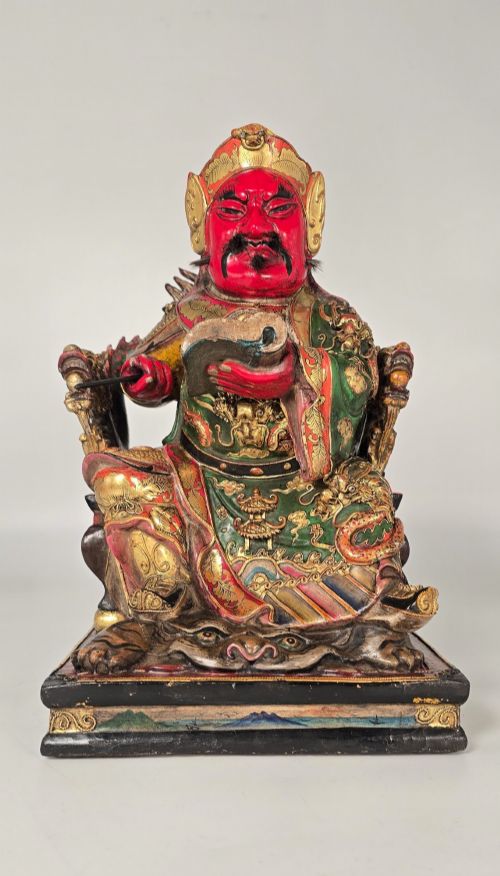
The subjects depicted include Guanyin, civil officials, wealthy scholars, and Zhenwu, capturing centuries of craftsmanship in wood, gesso, and gold leaf. Buyers find both monumental temple pieces and smaller domestic figures bearing the distinct marks of hand painting and carving.
How they were made
Carving forms the foundation of these works, utilising wood shaped into high relief figures of deities, animals, and officials. Artisans then applied layers of gesso to prepare wooden surfaces before adding intricate polychrome pigment, lacquer, and gold leaf.
Ceramic pieces receive hand enamel decoration, fusing colourful pigments directly onto the clay body during firing. Gilt and polychrome painted finishes were carefully layered by hand, creating the textured surfaces seen on temple guardians and ritual figures.
Qing Dynasty Polychrome Sculpture Retail Price Guide 2026
Typical asking prices for qing dynasty polychrome sculpture among the pieces listed under this phrase on Sellingantiques today, from the lower quarter to the upper quarter. They describe what is for sale here now, not the wider market.
A fierce Foo Dog stands guard while a scholarly figure contemplates quiet corners, proving antiquity has a sense of character.
What varies in quality
The finesse of the carving dictates the distinction between standard figures and monumental temple works, particularly in the rendering of drapery folds and facial expressions. High-relief carving on wooden sculptures demonstrates a superior command of depth and proportion.
The preservation of original polychrome pigment, gold leaf, and lacquer directly influences the visual impact of each piece. Finer examples retain their hand-painted detail and layered gilding with greater clarity across the surface.
The Qing Dynasty Polychrome Sculpture Glossary
- Polychrome
- Decorated in multiple colours using paint, enamel, or pigment. This surface treatment brings depth and realism to carved wood and ceramic figures.
- Guanyin
- A revered Buddhist deity representing compassion, frequently depicted in carved wood and porcelain. These figures often feature elaborate robes and serene expressions.
- Foo Dog
- A traditional Chinese mythical guardian lion shown in pairs or individually. They protect sacred spaces and domestic interiors from negative energy.
- Gesso
- A plaster-like mixture applied to wooden sculptures as a smooth base for subsequent gilding and painting. It helps secure the adherence of polychrome pigments.
- Zhenwu
- A powerful warrior deity and temple guardian associated with Daoism. Statues of this figure often display monumental scale and stern authority.
Qing Dynasty Polychrome Sculpture: Frequently Asked Questions
What materials are used in these sculptures?
The listings show sculptures created primarily from carved wood enhanced with gesso, lacquer, and polychrome pigment. Gold leaf and gilt details frequently accent these wooden figures, alongside ceramic and hand enamel decorated alternatives.
Craftsmen shaped these materials into detailed representations of deities, animals, and officials, applying pigments by hand to achieve lasting visual depth.
How do I identify a temple figure?
Temple figures typically present a larger, monumental scale designed for shrines and sacred spaces rather than domestic display. They often depict deities, civil officials, or guardians such as Zhenwu and Guanyin.
These pieces generally feature robust carved wood construction, substantial height, and remnants of protective lacquer and gilt finishes applied centuries ago.
How should I care for polychrome wood?
Display these sculptures in stable environments away from direct sunlight and rapid humidity fluctuations to protect the underlying wood and delicate pigments. Gentle dusting with a soft, dry brush preserves the fragile surface.
Avoid using water, chemical cleaners, or polishes, as moisture damages historic lacquer, gesso, and hand-painted polychrome layers.
What periods do these pieces span?
The available works primarily date from the eighteenth and nineteenth centuries, reflecting the artistic output of the Qing Dynasty. Pieces range from early transitional examples bridging the Ming and Qing periods up to the early twentieth century.
Each era brings distinct sculptural styles, from refined scholar figures to powerful temple guardians.