




Gilded Chinese Sculpture
These gilded Chinese sculpture pieces bring carved wood, bronze, and gilt surfaces into a room, offering centuries of regional craftsmanship.
Gilded Chinese Sculpture
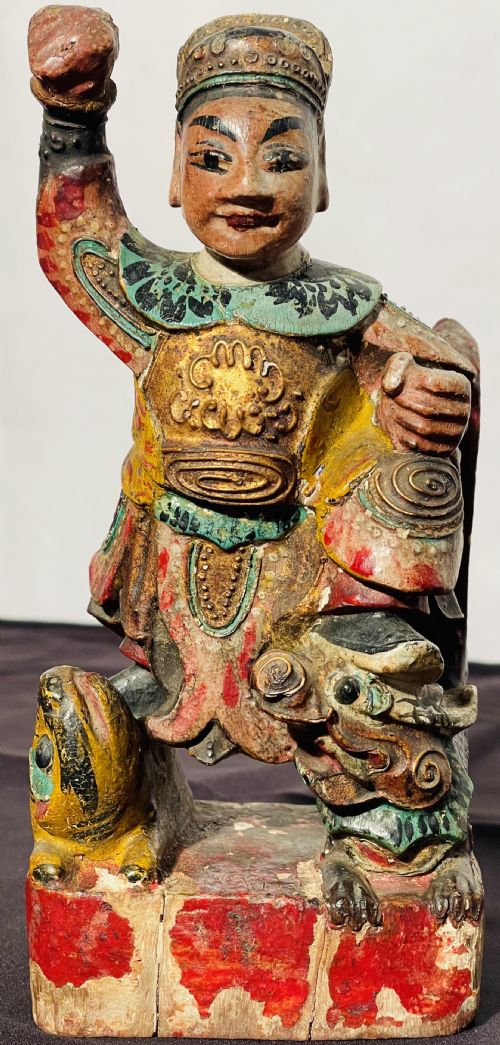
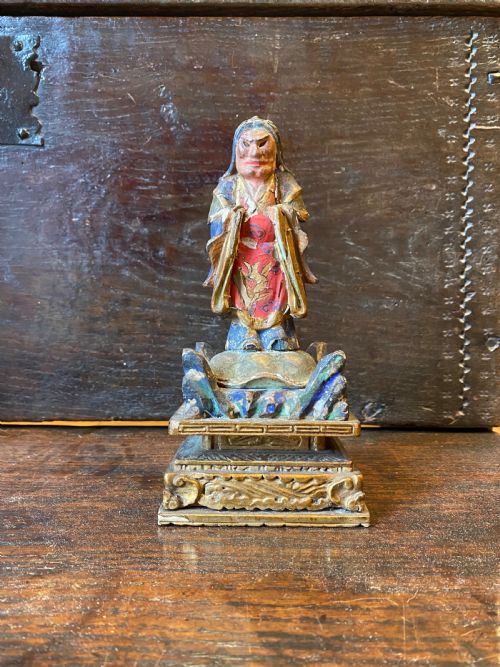
When you search for gilded chinese sculpture, you encounter figures ranging from small desk paperweights to large temple guardians and deities. The selection spans multiple centuries, with pieces originating from the Ming and Qing dynasties through to the Chinese Republic period and the early twentieth century.
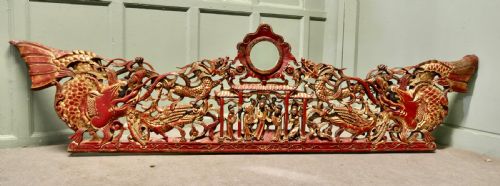
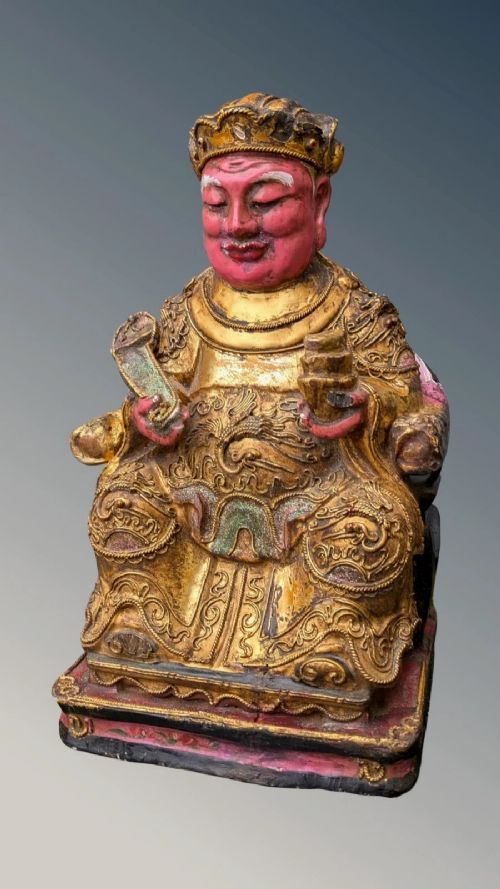
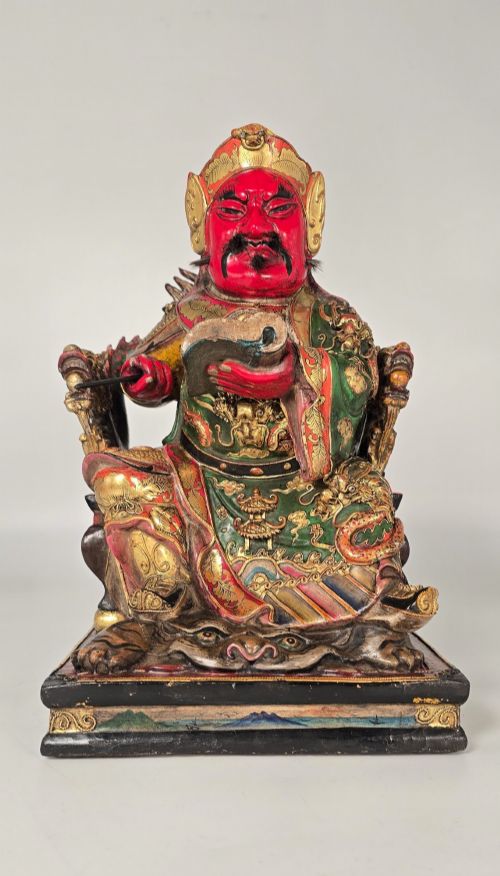
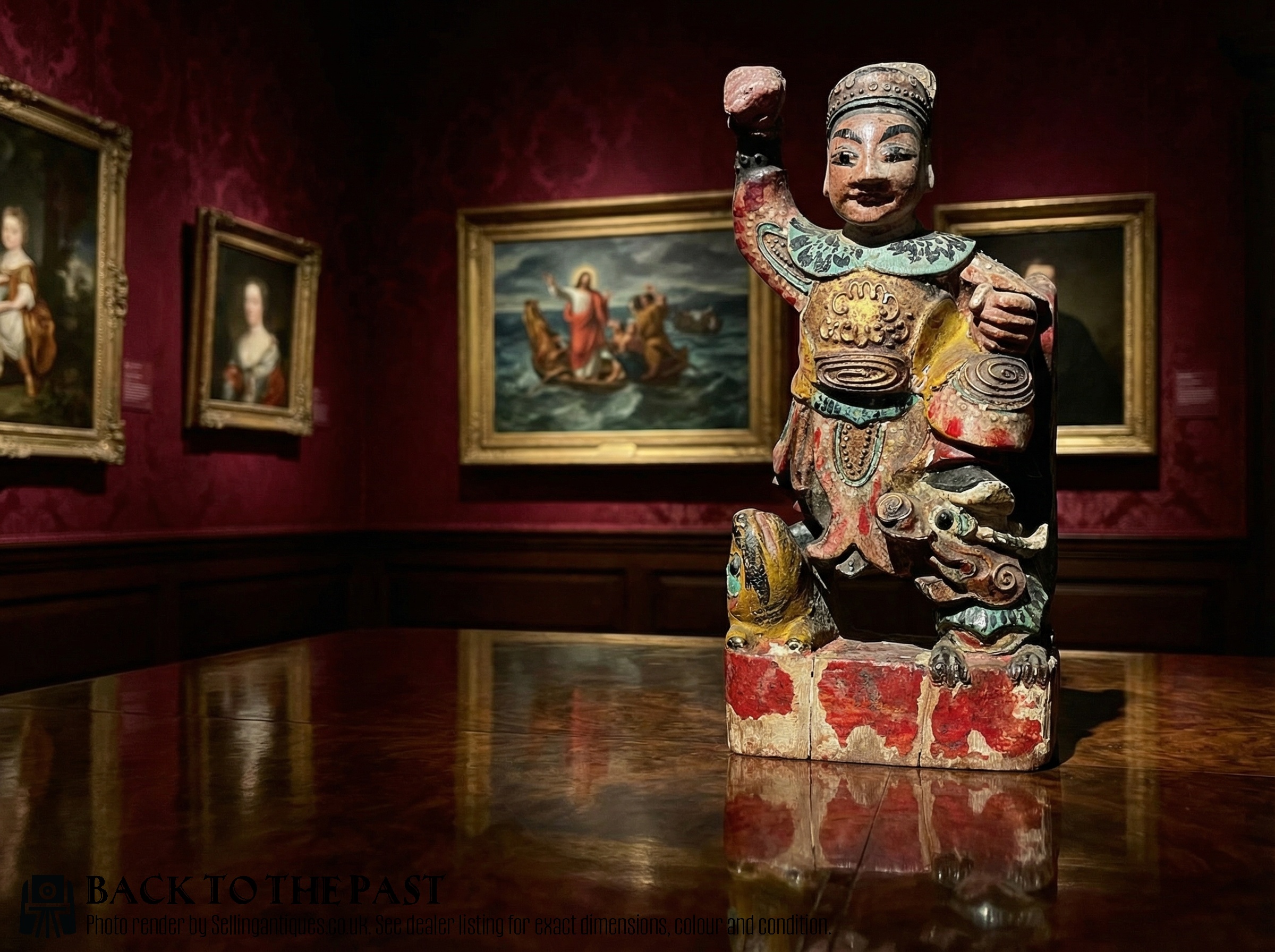
Wooden carved figures dominate the offerings, often finished with polychrome pigment, gesso, and gold leaf. Formats include temple pediments, wall carvings, officials, scholars, and mythical animals such as Foo dogs and temple lions.
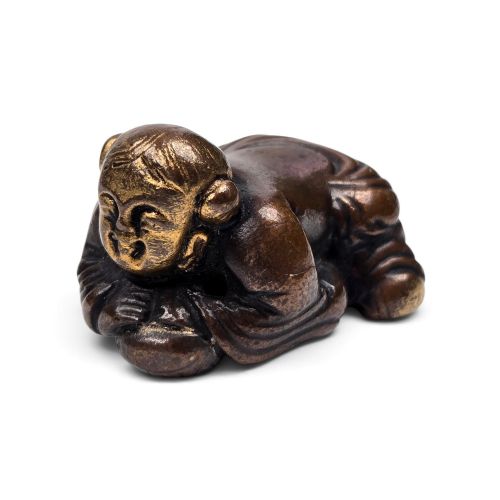
Depictions cover both religious and secular subjects, including Guanyin, civil officials, and reclining boys. Origin points extend to Tibetan works alongside mainland temple and domestic pieces.
Materials and construction techniques
Bronze and iron appear in select cast items, including solid-cast bronze with selective fire-gilding and heavy iron busts. Cloisonné enamel provides an alternative medium for sculptural animal forms.
Represented forms include figures of Guanyin, civil officials, wealthy scholars, reclining boys, Foo dogs, and temple lions.
Assessing quality in surface and carving
Quality rests in the crispness of the wood carving and the preservation of the original gilt and polychrome surfaces. Finer pieces retain intricate detail in facial expressions, drapery folds, and decorative attributes.
The integration of the gilding with the underlying gesso or wood determines the visual depth of the finish. Greater skill in the carving and the application of pigment separates standard decorative objects from accomplished sculptural works.
The Gilded Chinese Sculpture Glossary
- Giltwood
- Wood that has been coated with gold leaf or gold powder. This surface treatment provides the characteristic metallic sheen seen on many temple figures.
- Polychrome
- The practice of decorating architectural elements, sculpture, or pottery in a variety of colours. Pigments are frequently layered beneath or alongside gold leaf on these figures.
- Gesso
- A plaster mix used as a prepared surface for painting or gilding on wood. It creates a smooth base for the application of gold leaf.
- Cloisonné
- An ancient technique for decorating metalwork objects with coloured material held in place by metal strips. Enamel fills the compartments created by the wire partitions.
- Pediment
- The triangular upper part of the front of a building in classical architecture, often adapted as a carved decorative wall element. Temple pediments feature relief carvings of traditional motifs.
Gilded Chinese Sculpture: Frequently Asked Questions
What are gilded Chinese sculptures?
These pieces comprise carved wooden and cast metal figures coated in gold leaf, gilt, or paint. They include deities, officials, and temple animals produced across various dynasties.
Craftsmen created them for religious, secular, and decorative purposes in temples, homes, and administrative settings.
How do I date a Chinese wooden sculpture?
Dating relies on stylistic traits associated with specific periods like the Ming and Qing dynasties. Carving techniques, garment styles, and the composition of the wood offer key chronological clues.
Surface materials such as gesso, lacquer, and specific pigment palettes also help establish the era of production.
Where were these sculptures placed originally?
Many examples originated in temples as guardians, deities, or architectural pediments. Others served as scholarly desk accessories or domestic figures in elite households.
Their placement reflected their religious significance or status within traditional Chinese architecture and interiors.
How do I care for antique gilt wood?
Gilt wood surfaces require stable environmental conditions away from direct sunlight and excessive humidity. Gentle dusting with a soft brush preserves the delicate gold leaf and pigment.
Moisture and harsh cleaning agents damage the underlying gesso and lacquer layers.