
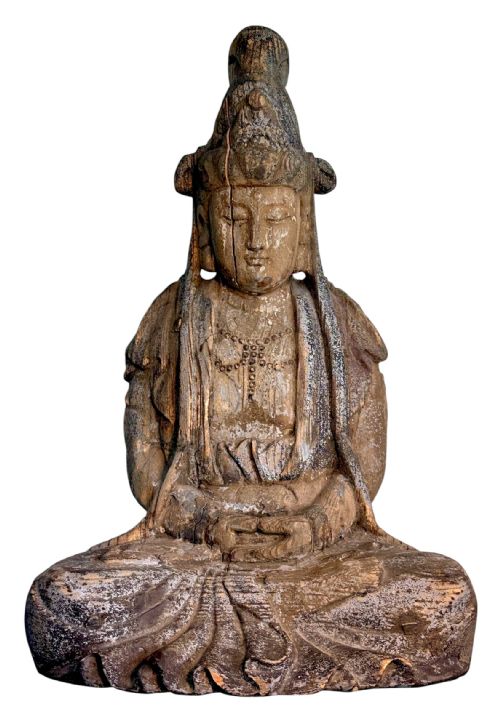


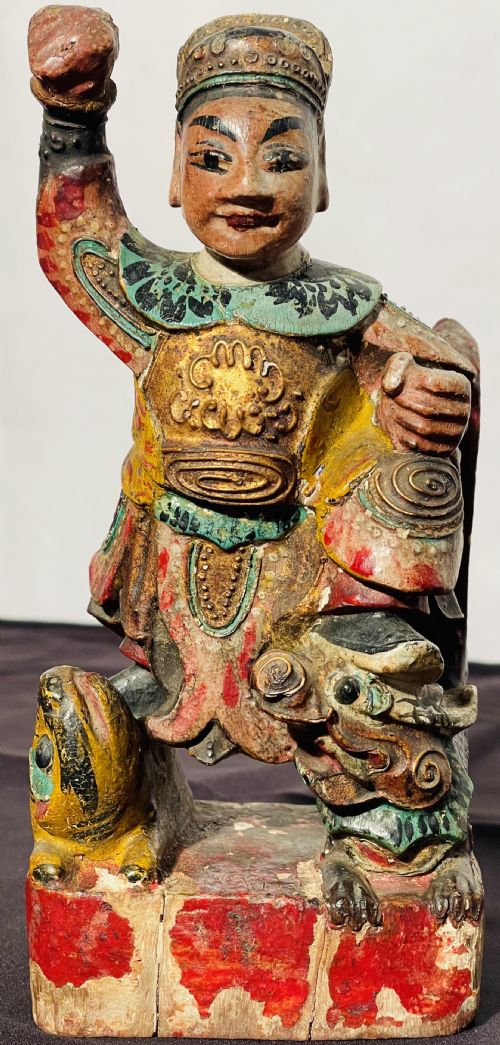
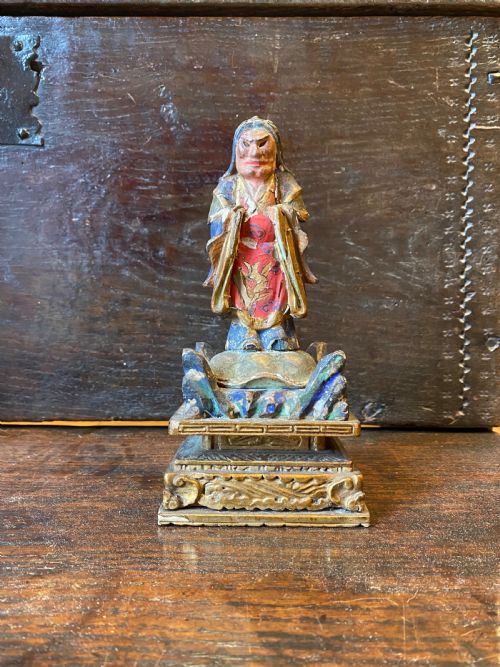


Chinese Temple Carved Figure
These Chinese temple carved figure pieces bring centuries of traditional craftsmanship into your home, offering an authentic glimpse into sacred Asian artistry.
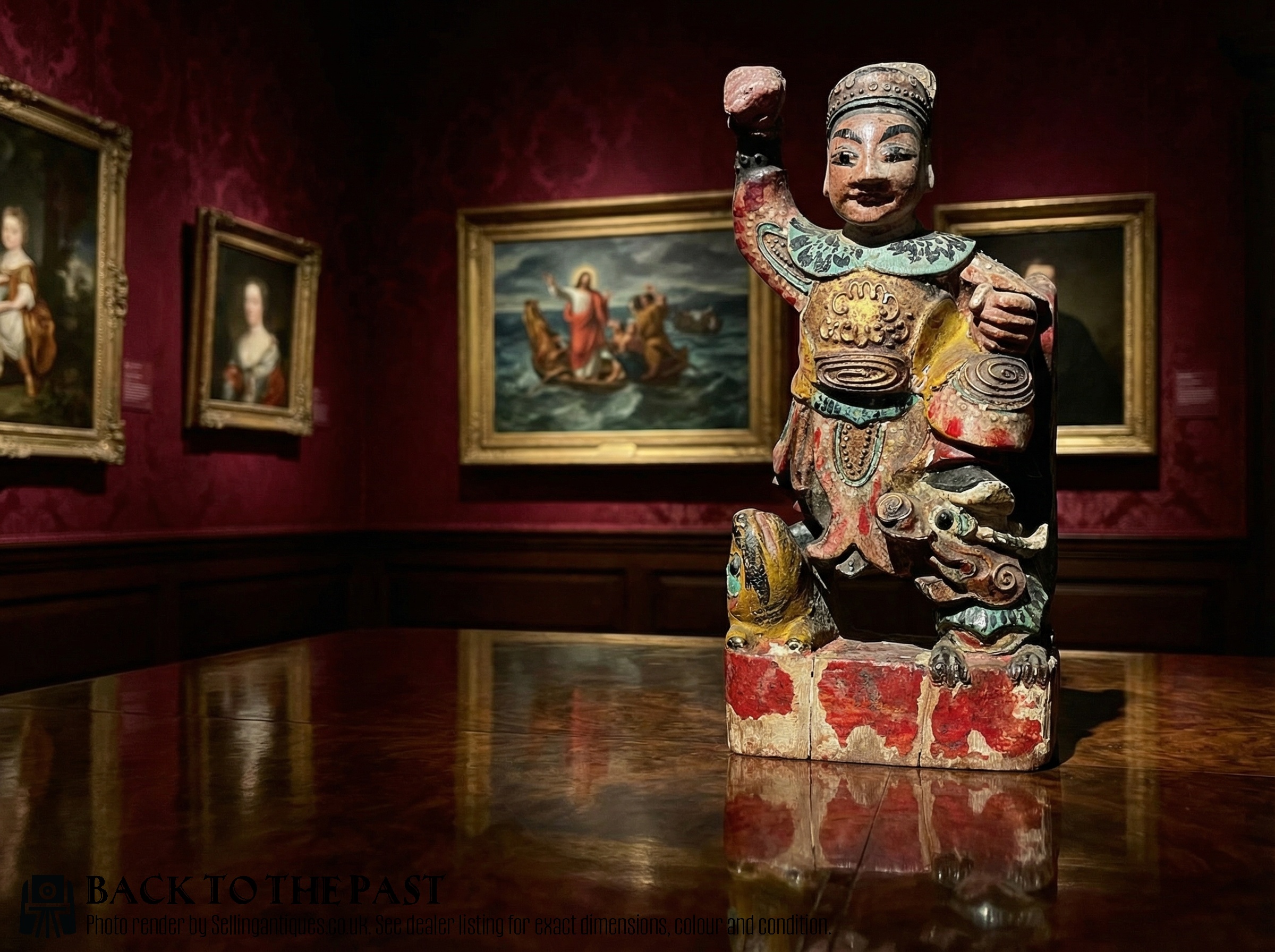
Chinese Temple Carved Figure
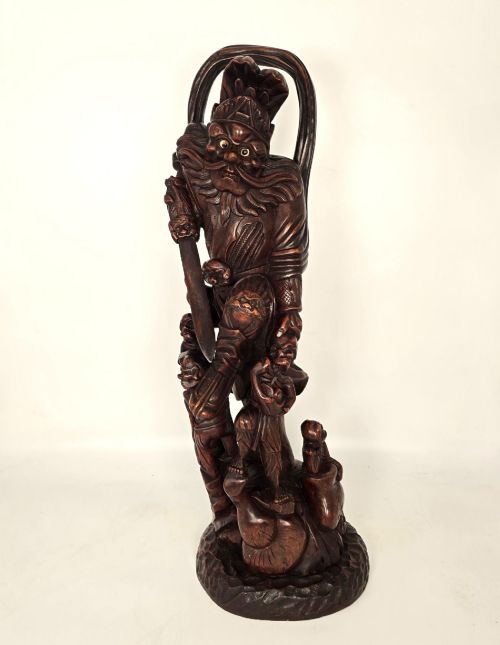
When you search for a Chinese temple carved figure, you examine sculptural works sourced from religious and architectural settings across several centuries. The selections span from the seventeenth century through to the early twentieth century, encompassing periods like the Ming and Qing dynasties.
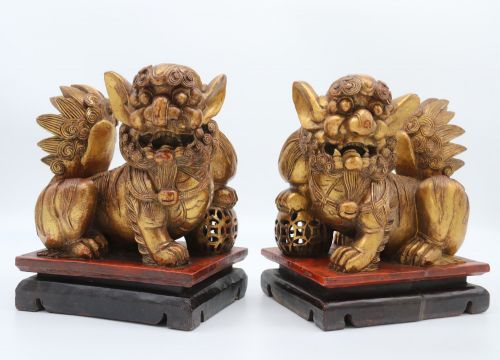
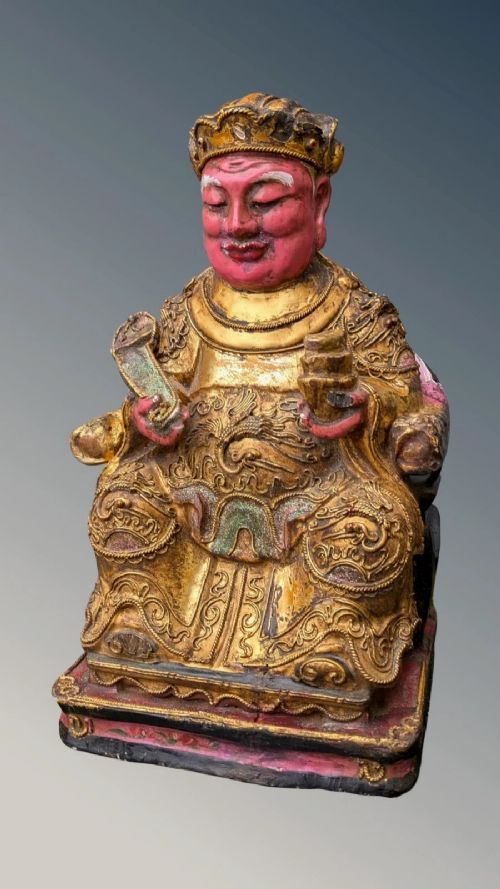
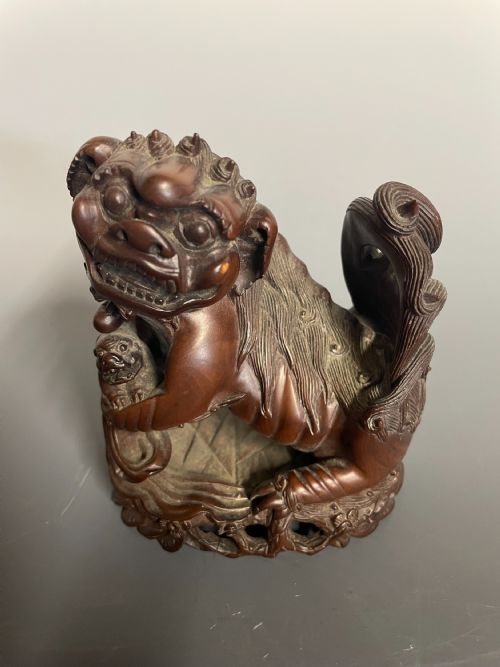
The forms you are most likely to encounter include guardian kings, civil officials, deities, and protective lion dogs or foo dogs. These pieces frequently originate from temple contexts, architectural salvage, or domestic shrines.
Makers shaped these subjects using traditional Chinese methods, producing standalone statues as well as functional architectural elements such as corbels. Each piece carries the distinct stylistic markers of its specific era.
How they were made
Carvers primarily used wood, boxwood, and hardwood as the structural foundation for these sculptures. Artisans worked the timber to create complex, three-dimensional forms representing figures and mythical beasts.
Object types include religious statues, architectural salvage, and table gongs executed in traditional Chinese styles.
What varies in quality
The preservation of original surface treatments, including polychrome pigments and gold leaf, significantly influences the integrity of a piece. Finer examples retain their layered decoration with minimal modern intervention.
The Chinese Temple Carved Figure Glossary
- Foo Dog
- A traditional guardian figure resembling a lion, commonly placed outside temples to ward off evil spirits. These mythical beasts appear frequently in wood and boxwood carvings.
- Polychrome
- Painted in several colours, a technique used on wood surfaces to bring depth and realism to garments and ornamentation. This finish often incorporates red, green, and blue pigments.
- Gilt
- Covered thinly with gold leaf or gold paint to simulate solid gold and provide a reflective, sacred appearance. It frequently overlays a gesso ground on wooden temple sculptures.
- Lokapala
- A celestial guardian king tasked with protecting a quarter of the world, often depicted in imposing armour. These monumental figures stood watch in sacred spaces.
- Corbel
- A structural piece of stone or wood projecting from a wall to carry a weight, sometimes carved into figurative forms. Examples in the evidence include large wooden architectural elements.
Chinese Temple Carved Figure: Frequently Asked Questions
What is a temple guardian?
A temple guardian is a protective figure, such as a Lokapala or Zhenwu, placed in sacred spaces to ward off malevolent forces.
These sculptures were positioned near entrances or altars to command authority and maintain spiritual defence.
How old are these wooden figures?
The pieces span from the seventeenth century through the Qing dynasty and into the early twentieth century.
Dates are determined by stylistic attributes, material wear, and structural characteristics recorded in the listings.
Where were these carvings displayed?
They originated in religious temples, domestic shrines, and architectural structures across China.
Many functioned as sacred statues or supportive architectural salvage before entering collections.
How do I care for gilt wood?
Gilt and polychrome wood requires stable indoor humidity and protection from direct sunlight.
Dusting should be done gently with a dry, soft brush to preserve the delicate paint and gold leaf layers.