

19th Century Ceramic Ornament
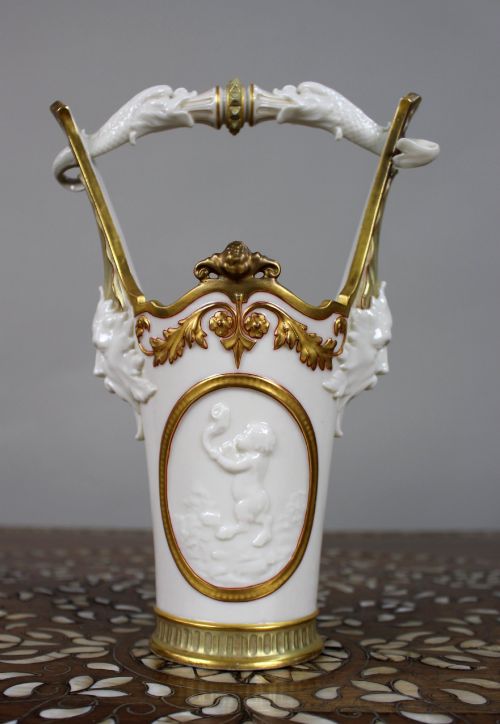
These 19th century ceramic ornament pieces bring Victorian character and European craftsmanship into a room through figures, animals, and spill vases.
19th Century Ceramic Ornament
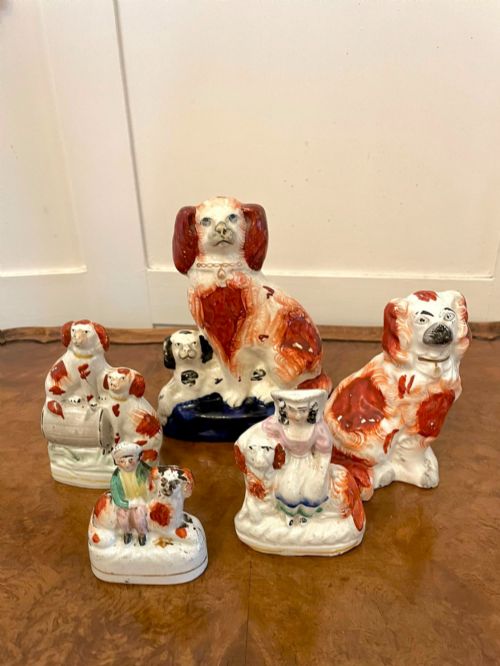
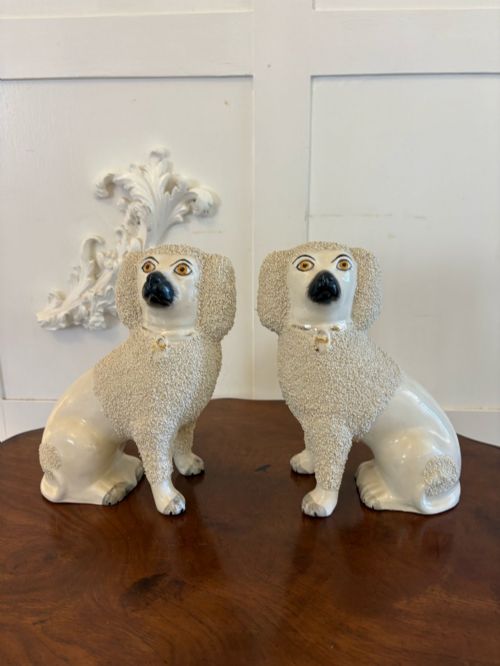
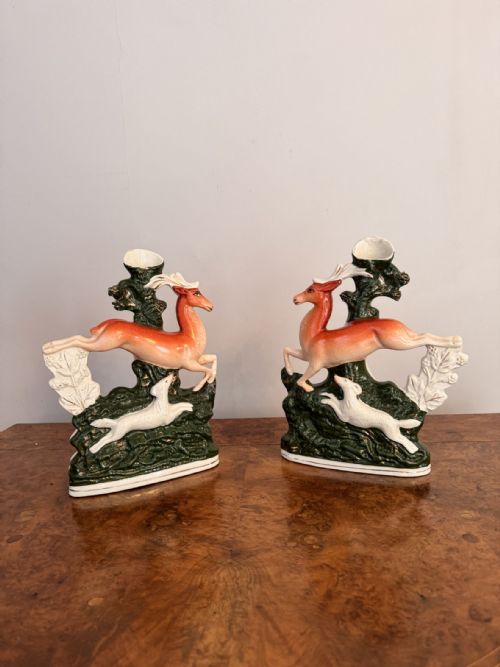
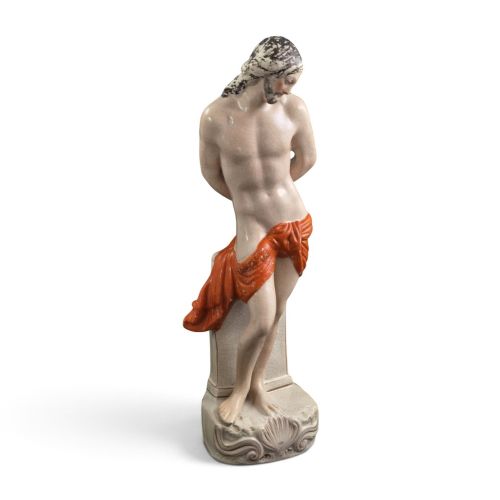
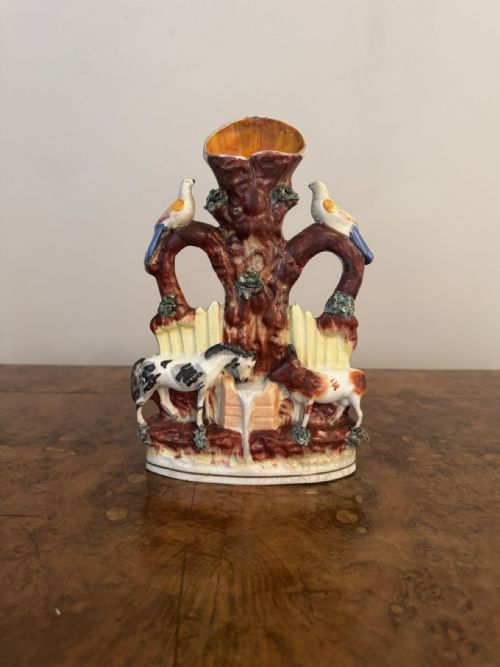
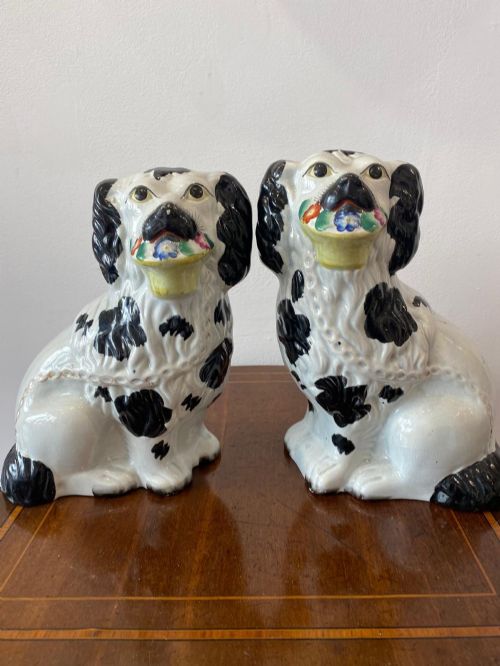
A 19th century ceramic ornament encompasses a wide variety of decorative pottery and porcelain figures, animal groups, and spill vases produced across European workshops. Buyers exploring this category frequently encounter Staffordshire earthenware dogs, poodles, lions, and historic portrait figures made for mantelpieces.
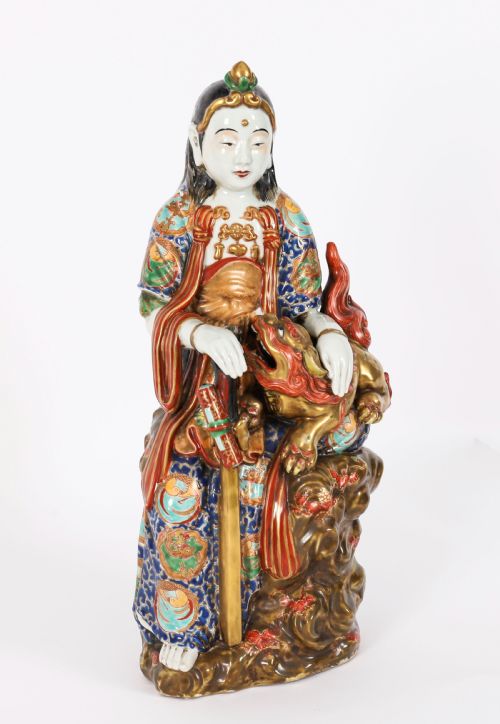
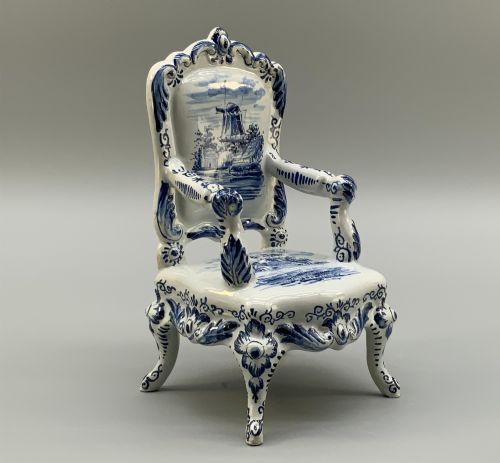
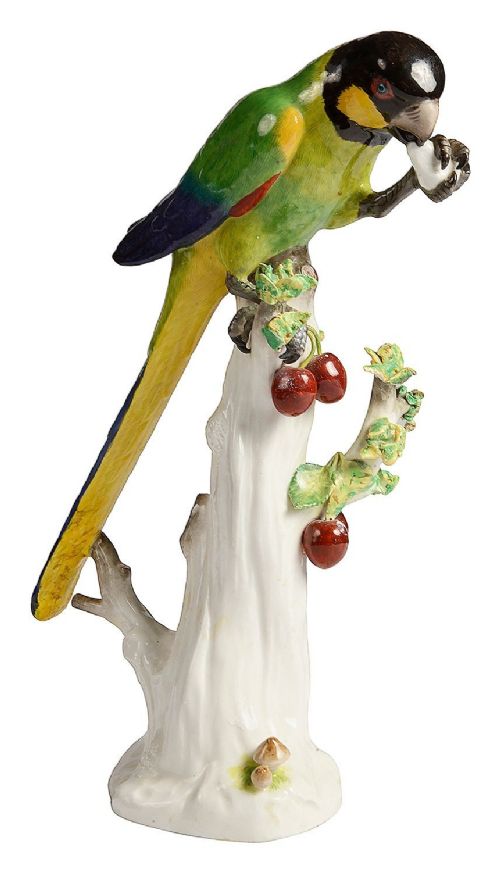
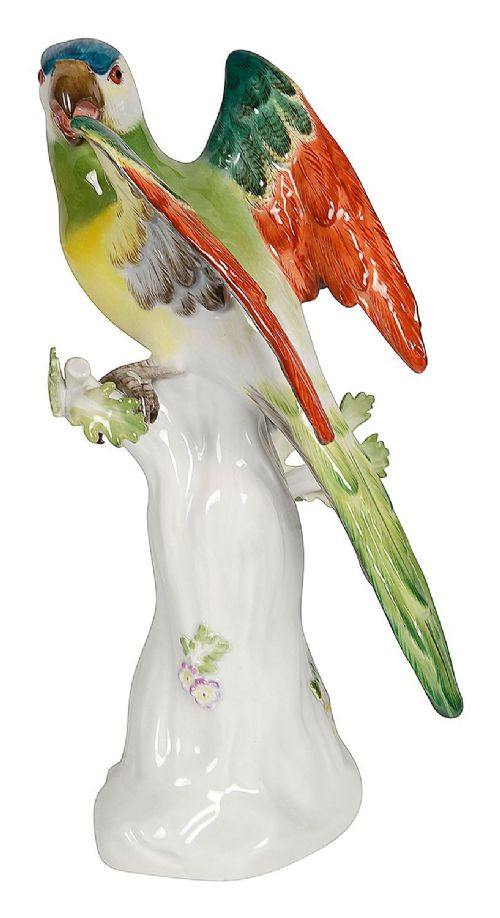
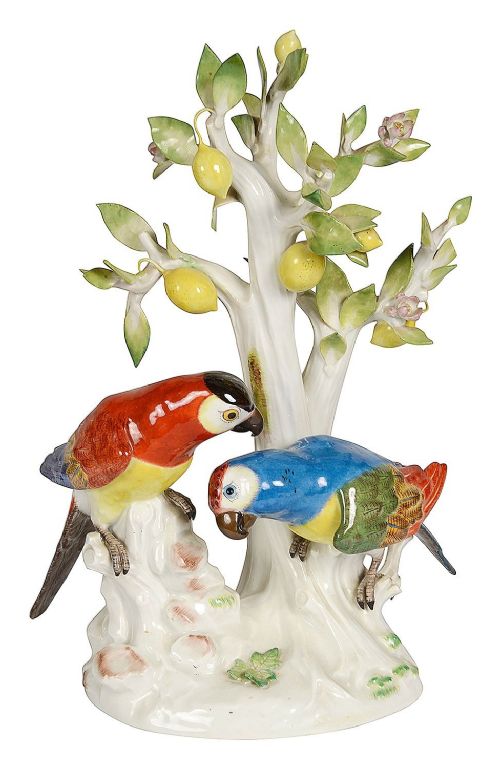
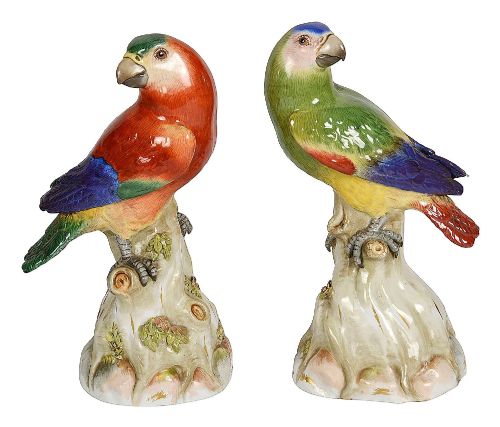
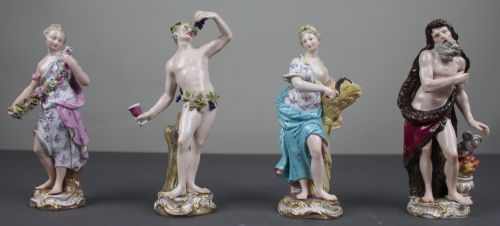
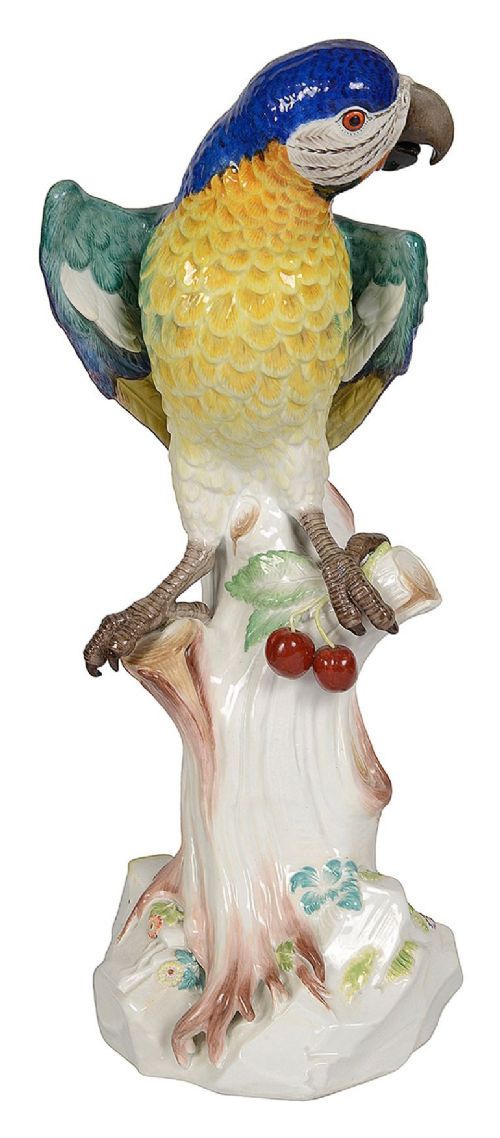
Beyond English earthenware, the selection includes continental porcelain groups such as Meissen parrots and German figures, alongside Dutch Delft blue and white pottery. These objects range from modest Staffordshire flatbacks to exhibition-quality porcelain works designed to adorn period interiors.
Materials and production methods
Makers utilised earthenware, terracotta, and porcelain as the primary foundational bodies, shaping them through moulding and hand-modelling techniques. Lead glaze, enamel, and gold leaf were then applied to surface details to create bright finishes on figures and animals.
Porcelain works received detailed hand-painting under or over glaze, while Staffordshire potteries relied on fluid coloured glazes on earthenware bodies. Firing methods varied from earthenware kiln runs to high-heat porcelain firings that allowed for intricate modelling.
Staffordshire potters immortalised the Crimean War and stray poodles alike, proving that Victorian mantelpieces welcomed both military heroes and fluffy dogs.
Distinctions in execution and finish
The standard of an ornament rests upon the crispness of the moulding and the skill of the hand-painted details. Finer pieces display careful facial expressions, clean glaze application, and well-preserved gilding without blurring.
Proportion and scale also separate standard decorative ware from superior examples, particularly in matched pairs where symmetry and balanced modelling dictate visual appeal. Maker marks and factory origins further influence the standing of porcelain and earthenware pieces.
Royal Worcester·Meissen·Edme Sampson·Volkstedt Rudolstadt Factory·John Bevington
The 19th Century Ceramic Ornament Glossary
- Flatback
- A Staffordshire pottery figure finished with a flat, unglazed or minimally painted back designed to stand against a wall on a mantelpiece.
- Spill vase
- A hollow pottery or porcelain figure incorporating an adjacent cylindrical holder intended to contain wooden matches or spills for lighting fires.
- Pearlware
- A refined form of earthenware developed in the late eighteenth century featuring a subtle bluish glaze that pooled in recesses.
- Faience
- European tin-glazed earthenware decorated with opaque colours, frequently associated with French and continental workshops.
- Earthenware
- Porous pottery fired at lower temperatures, commonly used for heavy Staffordshire figures and covered in a lead glaze.
19th Century Ceramic Ornament: Frequently Asked Questions
How were Staffordshire figures displayed?
Staffordshire figures and animal pairs were typically arranged on mantelpieces, brackets, or side tables in Victorian parlours as decorative ornaments.
Their flatback construction allowed them to sit flush against the wall in domestic living spaces.
What is a spill vase?
A spill vase combines a decorative animal or human figure with an integrated hollow tube designed to hold wooden spill sticks.
These sticks were used to transfer flames from the hearth to candles or lamps before safety matches became common.
How do I identify porcelain from earthenware?
Porcelain bodies are hard, white, and vitrified, often showing a translucent quality when held to the light alongside delicate hand-painted enamel details.
Earthenware is heavier, opaque, and coated in a glossy lead glaze over a porous clay body.
Are these ornaments factory made?
Many nineteenth-century pieces were produced using moulds in large potteries like those in Staffordshire, though individual hand-painting ensured variation.
Continental porcelain works such as Meissen also utilised specialised modellers and painters for their high-end figures.