


Black Glazed Ceramic Figurine
These black glazed ceramic figurine pieces bring robust character and historic charm to a mantelpiece, offering rich dark glazes and varied Victorian forms.
Black Glazed Ceramic Figurine
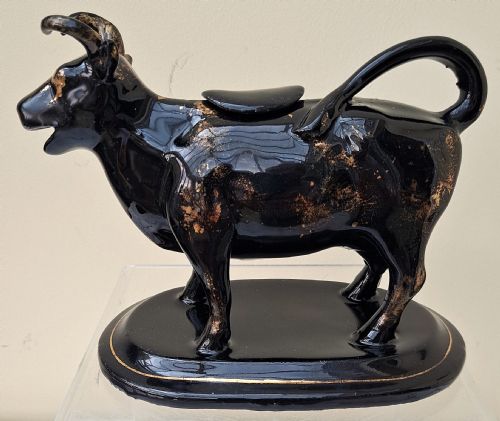
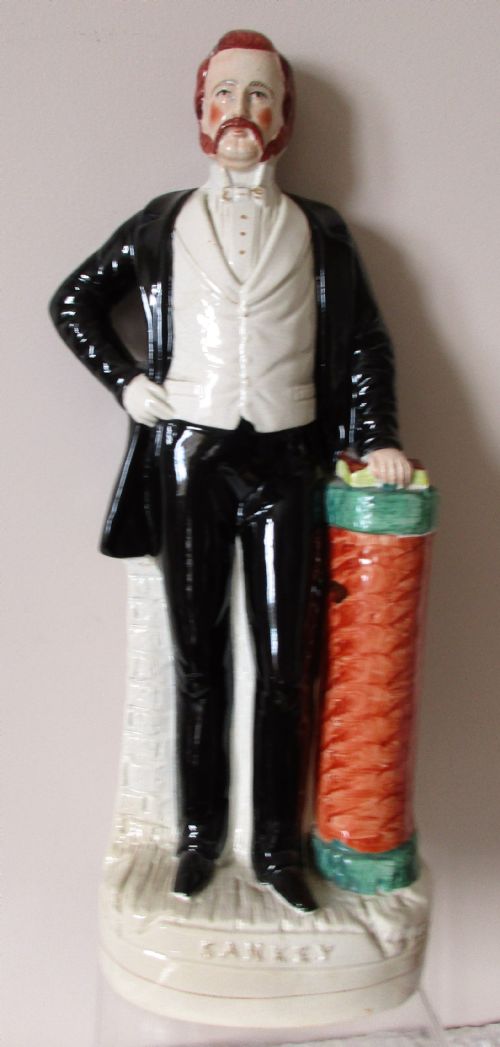
When you search for black glazed ceramic figurine, you encounter a selection spanning Victorian pottery, Staffordshire portraits, and decorative animals alongside earlier porcelain and earthenware examples. The most common form you will meet on this page is the Victorian Staffordshire figure or animal group, frequently rendered with deep dark finishes or contrasting markings.
The objects range from portrait figures and cream jugs shaped as animals to Chinese Tang Dynasty style horses and eighteenth-century continental porcelain. Makers and decorators produced these figures to serve as ornamental mantel displays, household vessels, and cabinet pieces across several centuries of ceramic production.
Stylistic influences vary widely across the selection, moving from ornate rococo flourishes to English traditional cottage pottery and geometric art deco lines. Each piece reflects the aesthetic priorities of its period, whether that involves the stark monochrome gloss of Jackfield pottery or the polychrome detailing found on portrait figures.
Materials and methods
Potters shaped these objects from earthenware, terracotta, and porcelain, applying liquid clay bodies into moulds or shaping them by hand before firing. The resulting biscuit bodies provided a porous foundation ready to receive decorative treatments.
Countless Victorian mantelpieces owed their solemn dignity to pairs of glazed ceramic spaniels staring intently into the room.
Qualities of distinction
Historical authenticity and original finish integrity elevate certain pieces above standard production wares, particularly where kilns achieved a deep, unblemished black surface without excessive pitting. The weight of the ceramic body and the crispness of any gilt or enamel highlights further indicate the care taken during production.
Beswick·Limoges
The Black Glazed Ceramic Figurine Glossary
- Earthenware
- Porous pottery fired at lower temperatures than stoneware or porcelain, requiring a glaze to achieve waterproof qualities.
- Glaze
- A glassy coating fused to ceramic surfaces through firing, providing colour, shine, and impermeability.
- Porcelain
- A fine, dense ceramic material traditionally fired at high temperatures until vitrified and translucent.
- Terracotta
- Unglazed or glazed fired brownish-red earthenware, widely used for sculptural objects and architectural ornaments.
- Enamel
- Opaque glass-like paint applied over fired glazes and subsequently fixed with a low-temperature second firing.
Black Glazed Ceramic Figurine: Frequently Asked Questions
How were black glazed ceramic figures used?
Many of these objects functioned primarily as decorative mantel ornaments designed to display social taste and status in nineteenth-century homes.
Other variations, such as cow creamers, combined sculptural forms with practical utility for serving cream at the dining table.
What periods do these ceramics represent?
The selection spans multiple eras, with a heavy concentration of nineteenth-century English Victorian Staffordshire pottery and portrait figures.
Additional examples stretch back to eighteenth-century porcelain and forward into early twentieth-century art deco production.
How do I care for antique ceramic figures?
Keep these pieces out of direct sunlight to prevent fading on any hand-painted enamel decorations or gilt highlights.
Dust them gently with a soft, dry cloth rather than using liquid cleaners that might seep into old hairline fractures.
How can I distinguish Staffordshire dogs from other figures?
Staffordshire spaniels and other canine models typically appear in opposing pairs designed to sit at either end of a fireplace.
They often feature distinctive black patches, golden chains, or glossy dark glazes characteristic of nineteenth-century Staffordshire potteries.