


White Ceramic Portrait Figure
A white ceramic portrait figure captures real public figures in clay, giving a room instant historical character.
White Ceramic Portrait Figure
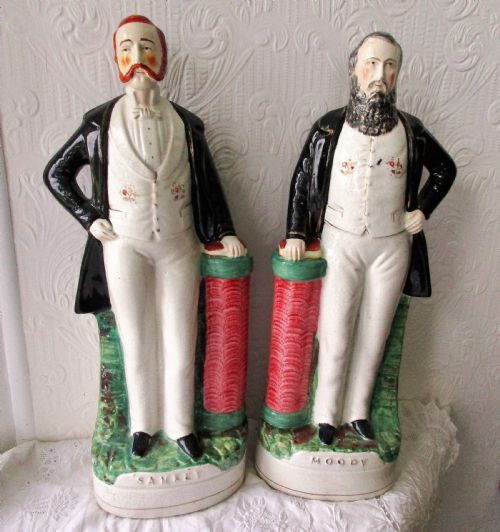
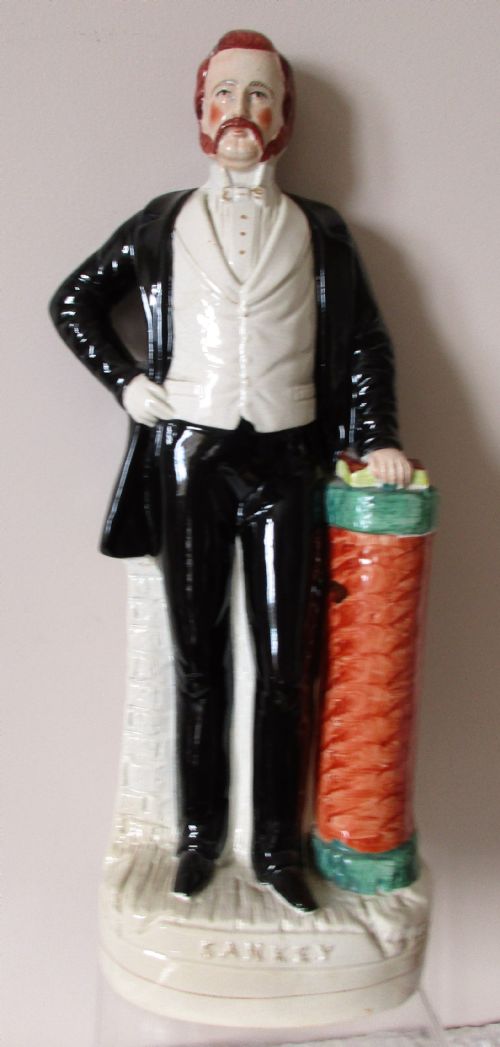
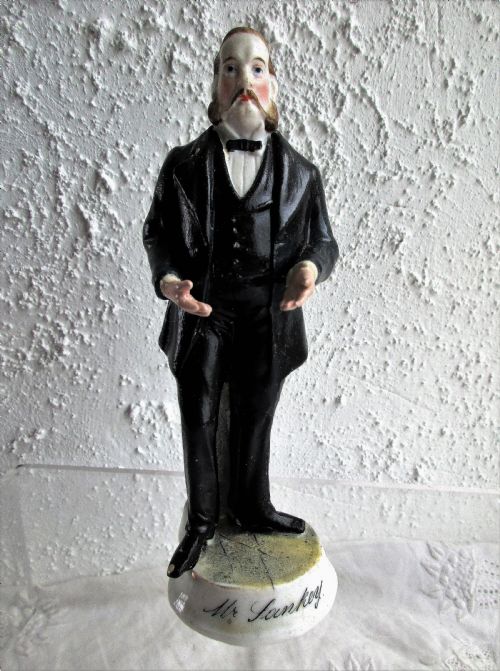
A white ceramic portrait figure represents recognizable historical personalities, royalty and religious reformers in earthenware, porcelain and parian ware. When exploring a white ceramic portrait figure, you encounter subjects ranging from Queen Victoria and Prince Albert to evangelists Moody and Sankey.
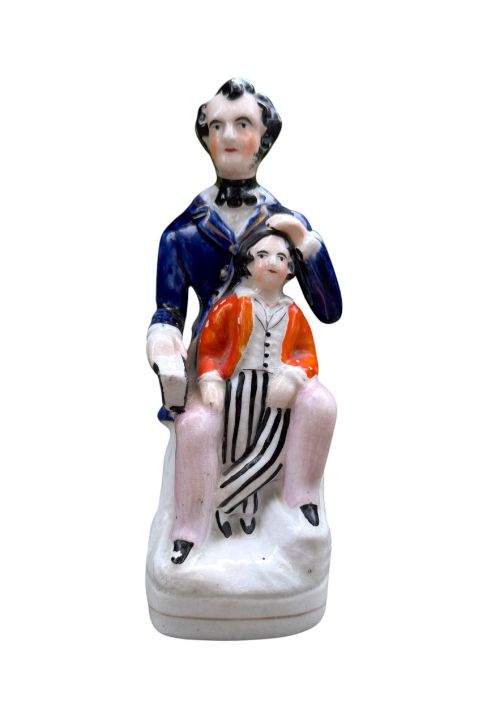
Most examples originate in the nineteenth century, taking the form of standing figures, portrait groups, flatbacks and busts. Staffordshire potteries produced the majority of these earthenware and porcelain likenesses, capturing contemporary political and cultural interest.
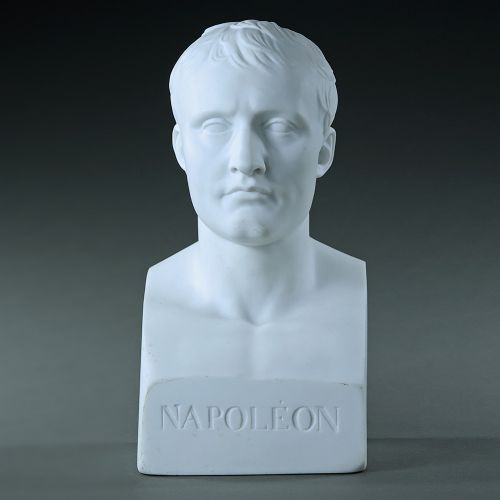
Makers recorded specific names, titles or alliances directly onto the bases or fronts of the pieces. These inscriptions identify figures such as Napoleon III, Princess Alexandra and General Charles George Gordon.
Materials and production methods
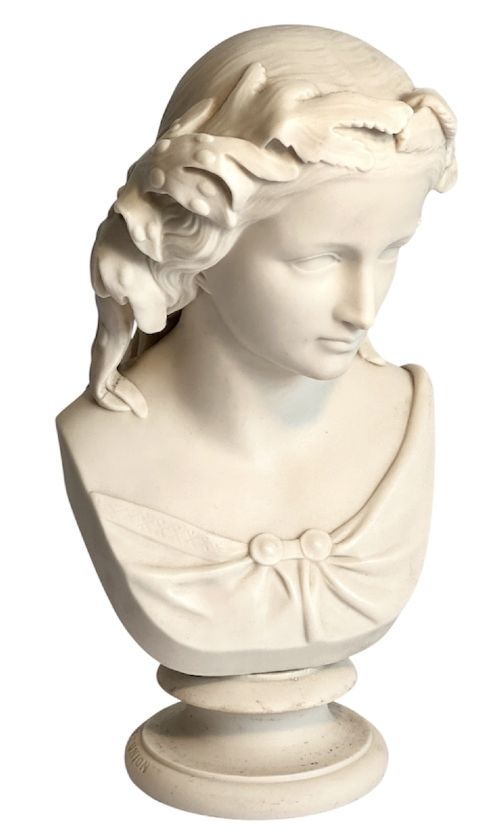
Potters utilised earthenware and porcelain bodies, often finishing the surfaces with lead glaze, enamel paint and gilt details. Parian porcelain provided a fine-grained, unglazed matte finish that closely resembled carved marble for portrait busts.
Evangelists Moody and Sankey share shelf space here with emperors and royalty, proving that Victorian sermon-goers commanded just as much ceramic fame as monarchs.
Assessing quality and craftsmanship
The choice of material also alters the character of the object, with fine parian porcelain capturing delicate drapery and facial expressions more sharply than standard glazed earthenware.
Staffordshire pottery·Copeland Parian Ware
The White Ceramic Portrait Figure Glossary
- Flatback
- A figure designed with an unadorned or partially finished rear side meant to stand against a wall on a mantelpiece.
- Parian ware
- A fine-grained, unglazed porcelain developed in the nineteenth century to imitate white marble portrait busts.
- Lead glaze
- A glossy coating applied to earthenware bodies to seal the porous clay and provide a smooth surface.
- Enamel paint
- Vitreous coloured pigments fused to the ceramic surface during a secondary low-temperature firing.
- Staffordshire pottery
- Ceramics manufactured in the cluster of potteries in Staffordshire, England, known for popular figures and utilitarian wares.
White Ceramic Portrait Figure: Frequently Asked Questions
What do these figures depict?
These pieces portray notable historical figures, including British royalty, European monarchs, military commanders and visiting evangelists. The subjects reflect the popular news and public interests of the Victorian era.
Potters commemorated weddings, alliances and prominent public figures through these ceramic likenesses, creating affordable mantelpiece ornaments for households.
How were they displayed?
Makers designed flatback figures to sit flush against the wall on mantelpieces, shelves or console tables. Pairs and portrait groups arranged several related individuals together.
Busts stood independently on desks or pedestals, functioning as miniature versions of grand marble sculptures found in galleries.
Are all pieces glazed?
Glazing varied depending on the specific ceramic body and the aesthetic intention of the manufacturer. Earthenware pieces typically received a clear lead glaze to seal the clay and add a glossy shine.
Parian porcelain pieces remained unglazed to preserve a matte texture that resembled carved white marble.
How can I identify the subjects?
Potters frequently inscribed names, titles or historical events directly onto the front or base of the ceramic body. Names such as Sankey, Queen Victoria or Napoleon III appear in raised letters or painted script.
Historical context and uniform details also help identify military commanders and royals when inscriptions are absent or worn.