


19th Century Buddha Statue
A 19th century buddha statue brings centuries of regional artistry and meditative presence into a room, spanning bronze, wood, stone, and gilt finishes.
19th Century Buddha Statue
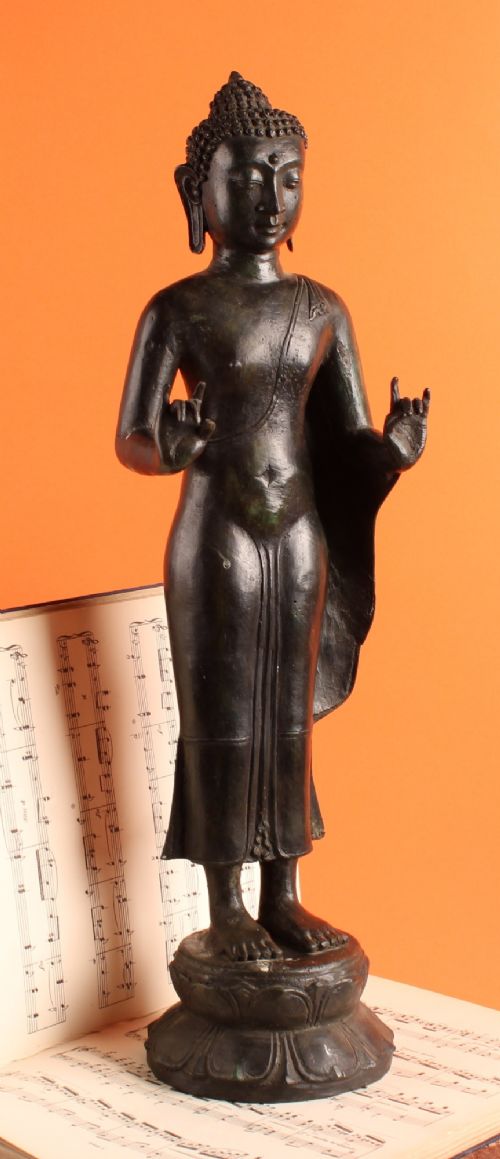
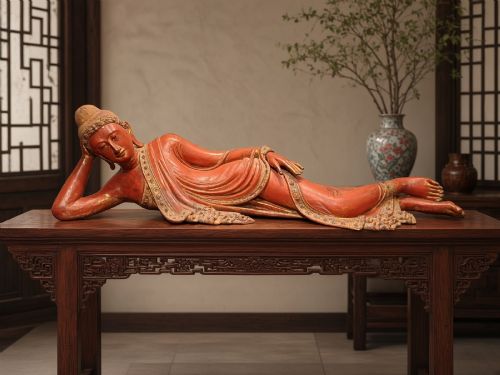
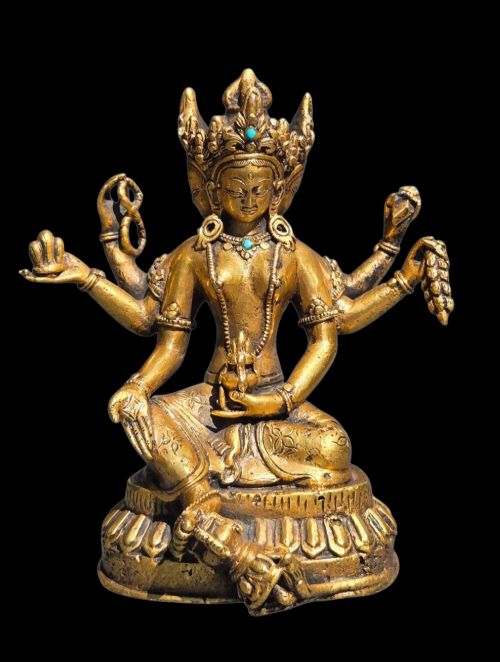
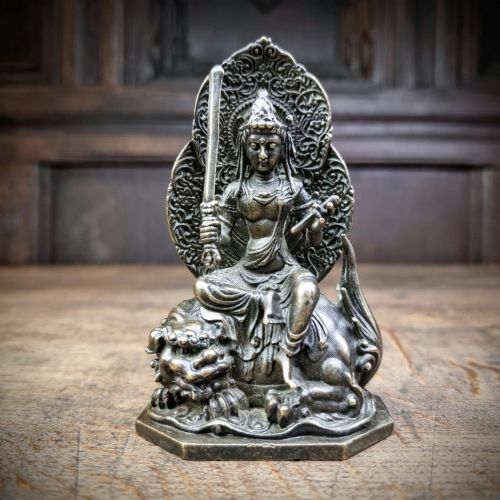
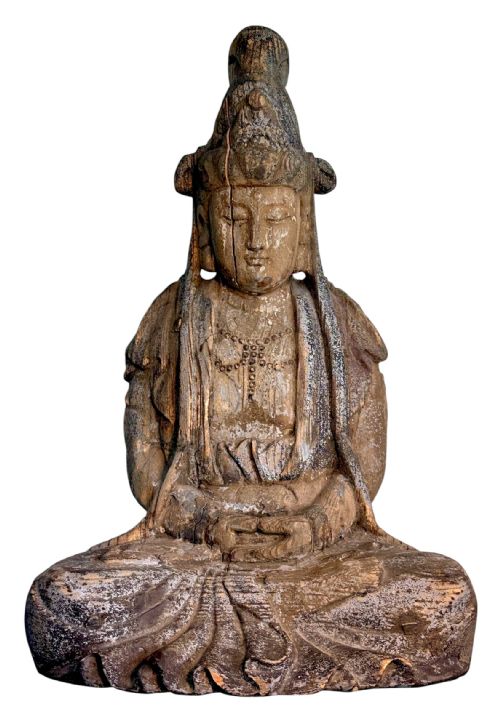
A 19th century buddha statue encompasses a diverse group of ritual and devotional sculptures originating from across Asia, including Burma, Thailand, China, Tibet, and Sri Lanka. These pieces take the form of standing, seated, and reclining figures, along with sculptural heads, busts, and related deities such as Guanyin.
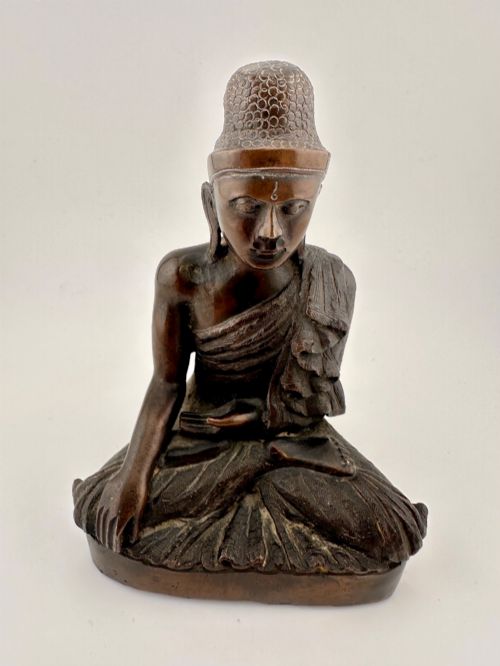
The version most commonly encountered on this page is the cast bronze figure, often hailing from Burmese Mandalay traditions or Thai Rattanakosin workshops. Alongside these metal castings, collectors regularly find carved wooden figures adorned with polychrome paint, gesso, and gold leaf, as well as substantial works carved from white marble, stone, and alabaster.
Regional stylistic traits define these sculptures, from the specific posture and mudra of a Southeast Asian bronze to the intricate vestments of Chinese temple guardians and Tibetan deities. Their scale varies significantly, ranging from small devotional objects weighing under a kilogram to monumental temple statues standing over a metre tall.
How They Were Made
Metal sculptures rely primarily on traditional bronze casting techniques, yielding patinated brown surfaces, gilded finishes, and occasional turquoise inlays. Molten metal poured into moulds captured intricate details in robes, hair curls, and hand gestures.
Wooden statues employ skilled carving and joinery, frequently enhanced with layers of gesso, polychrome paint, and gold leaf to create durable ritual surfaces. Stone and marble figures are shaped through direct carving, resulting in heavy, enduring monuments suited for temples and shrines.
Several statues weigh enough to double as modern home gym equipment, maxing out at a hefty fourteen kilograms.
What Varies in Quality
The preservation of original surface treatments - such as untouched patinas, intact gilding, and original polychrome pigment - determines the integrity of the piece. Losses, overpainting, or heavy restoration alter the original character of the material.
The 19th Century Buddha Statue Glossary
- Mudra
- A symbolic hand gesture depicted on Buddhist sculptures, conveying specific teachings or protective qualities. Different hand positions denote events in the life of the Buddha.
- Gilt Bronze
- Metal sculpture coated with a thin layer of gold or gold leaf to create a luminous finish. This technique enhances the sacred status of the figure.
- Gesso
- A plaster mixture applied to carved wood as a smooth base for gilding and paint. It creates a stable surface for intricate decoration.
- Mandalay Period
- A Burmese artistic style characterised by serene facial expressions, elaborate monastic robes, and distinct crown or headdress details. Statues from this tradition often utilise bronze or white marble.
19th Century Buddha Statue: Frequently Asked Questions
How do I identify a Burmese buddha statue?
Burmese statues frequently feature characteristic monastic robes, serene oval countenances, and specific hand gestures like the bhumisparsha mudra. Many examples originate from the Mandalay tradition and utilise cast bronze or white marble.
Regional variations also include specific crown designs and earlobe lengths that distinguish Burmese work from Thai or Chinese pieces.
How should I clean a bronze buddha?
Bronze statues require minimal intervention to preserve their historic patinas and finishes. Dusting gently with a soft, dry cloth is sufficient for routine maintenance.
Avoid using water, chemical cleaners, or abrasive polishes, as these can strip the natural oxidation and historical surface layers from the metal.
Are these statues from temples?
Many larger sculptures served ritual functions in temples, shrines, or domestic devotional spaces across Asia. Monumental figures and temple guardians were specifically created for architectural settings.
Smaller portable statues were often utilised for personal meditation and household altars.