


Buddhist Bronze Figure
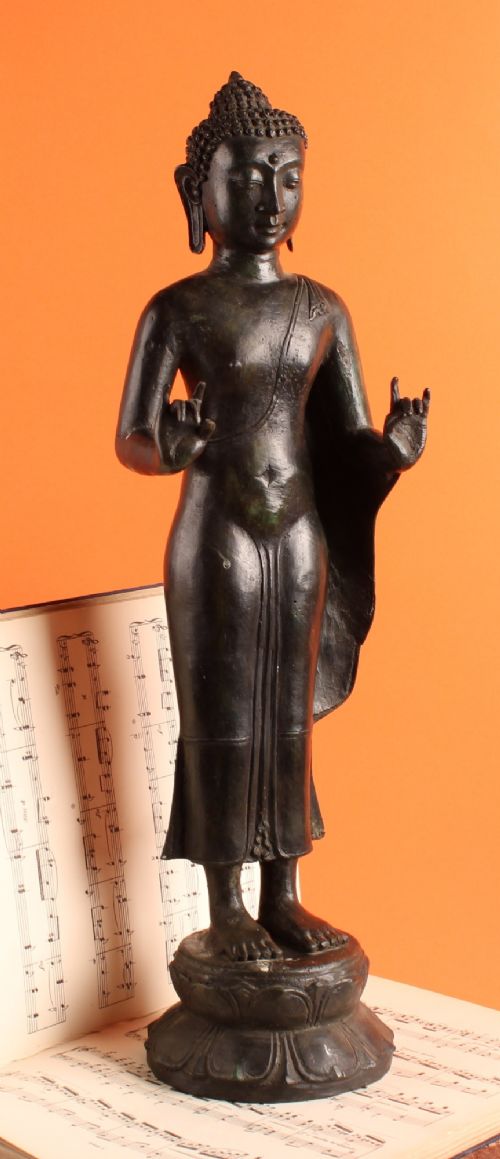
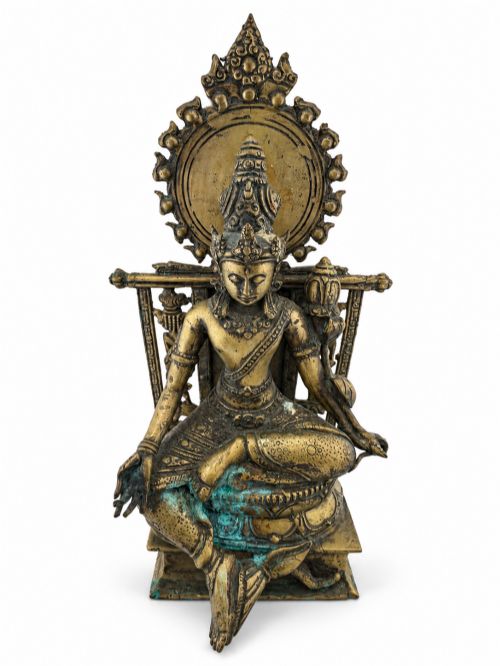
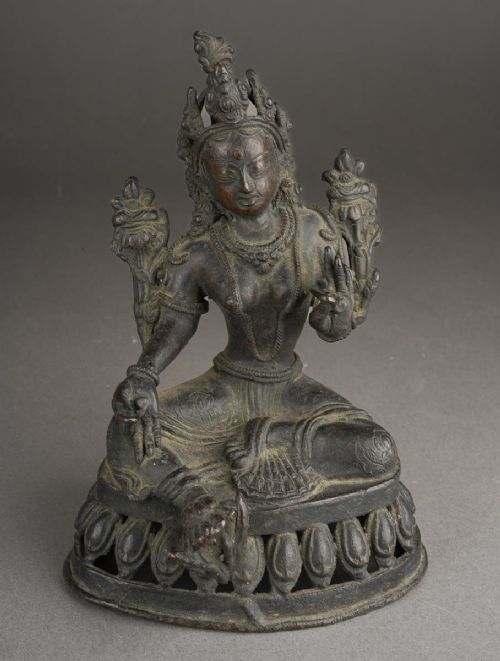
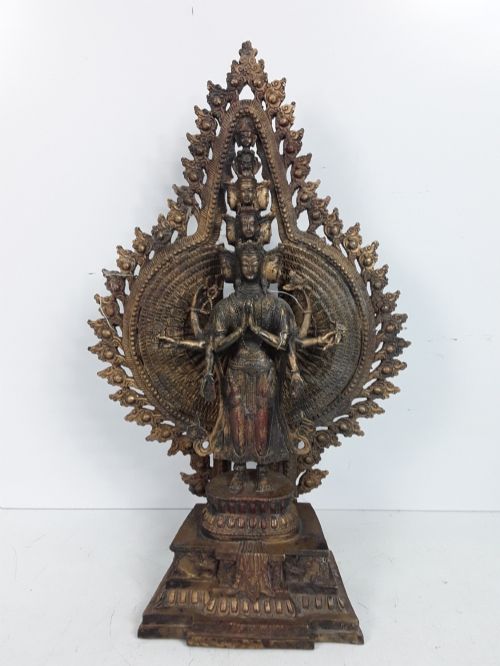
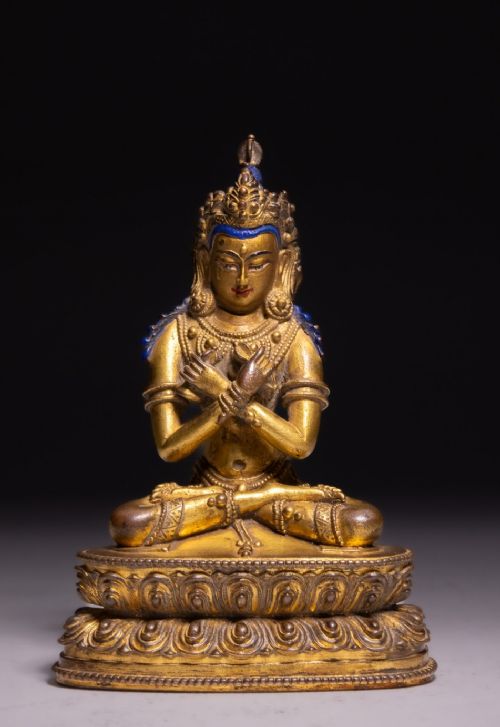
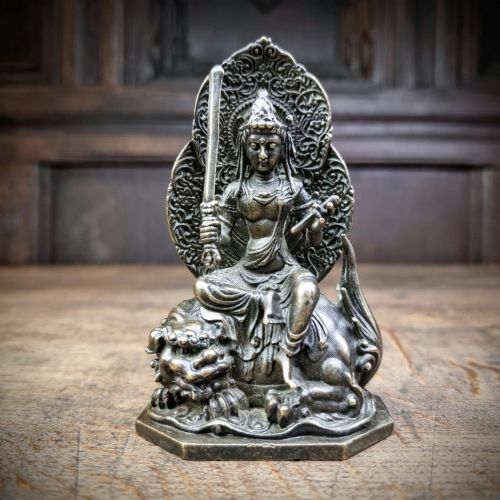
A buddhist bronze figure embodies centuries of sacred devotion, taking form as a cast deity or temple guardian designed to anchor meditation and ritual space.
Buddhist Bronze Figure
When you search for a buddhist bronze figure, you encounter cast metal representations of enlightened beings, deities, and guardians originating from across Asia. These works serve as devotional icons, household shrines, and focal points for contemplation within Buddhist traditions.
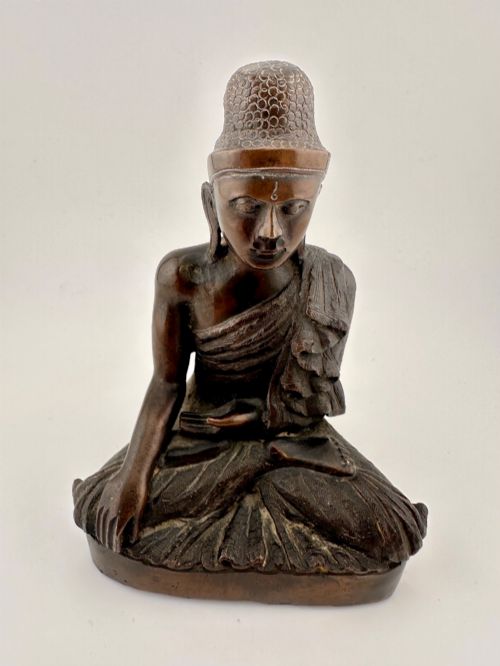
The selections span distinct regional traditions, including Sino-Tibetan, Burmese Mandalay, Rattanakosin, and Himalayan styles. Pieces range from small domestic altar figures to substantial temple sculptures cast over centuries of metalworking heritage.
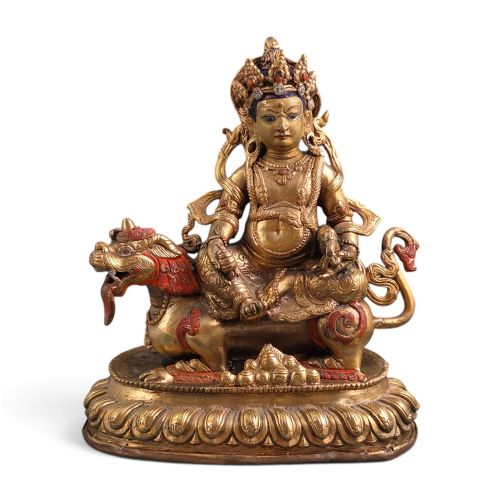
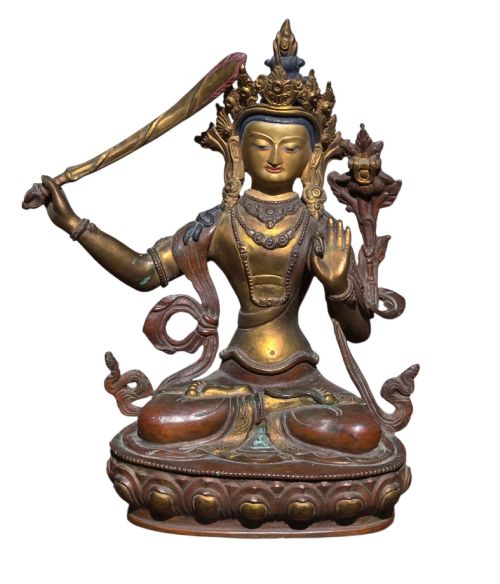
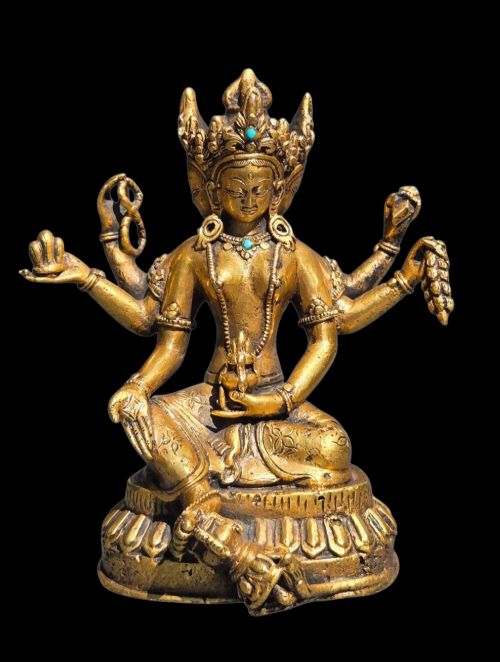
Historical periods represented on this page stretch from pre-sixteenth-century examples up to the early twentieth century. Common forms include seated Buddhas, standing bodhisattvas, multi-armed deities, and guardian lions rendered in bronze, copper alloy, and brass.
How they were made
The primary construction method relies on lost-wax casting, allowing artisans to capture intricate details in molten metal such as flowing robes, elaborate jewellery, and serene facial expressions. Workshops utilised copper alloys and brass alongside standard bronze to achieve varying structural strengths and tones.
Surface treatments frequently involve fire gilding, where an amalgam of gold and mercury is applied and heated to leave a rich layer of gold across the bronze. Artisans also integrated cold-painted pigments and mineral inlays such as turquoise to accent eyes, crowns, and sacred attributes.
The listings feature diverse materials including copper alloy, brass, wood, and turquoise mineral inlays alongside traditional bronze.
What varies in quality
Material application also defines the upper tier, particularly the durability and warmth of genuine gilt surfaces versus plain patinated bronze. The proportion, balance, and fluidity of the posture distinguish master-worked regional pieces from standard commercial production.
Unno Shomin
The Buddhist Bronze Figure Glossary
- Mudras
- Hand gestures symbolising specific teachings, states of mind, or actions associated with the Buddha. Each position carries distinct iconographic meaning for practitioners.
- Bodhisattva
- An enlightened being who defers Buddhahood to assist others on the path to liberation. They are typically depicted adorned in princely garments and jewellery.
- Lost-wax casting
- A metalworking process where a molten metal is poured into a mould that has been created by melting away a wax model. This technique allows for complex, undercut forms.
- Gilt bronze
- Metal cast sculpture treated with a layer of gold, often through mercury gilding. This creates a brilliant, durable golden finish that resists tarnishing.
- Tara
- A female meditation deity in Tibetan Buddhism representing compassion and liberation. She appears in various forms, frequently distinguished by colour or posture.
Buddhist Bronze Figure: Frequently Asked Questions
What is a mudra on a bronze figure?
A mudra is a symbolic hand gesture formed by the deity to communicate specific spiritual concepts or teachings. These positions help identify the particular Buddha or bodhisattva depicted in the sculpture.
Common gestures include the touching-earth mudra for calling the earth to witness, and the wheel-turning mudra representing the exposition of sacred law.
How do I date an antique bronze statue?
Dating relies on stylistic markers, casting techniques, regional iconographic conventions, and wear patterns. Artisans in different centuries utilised distinct casting methods and metallurgical compositions.
Examining the base, chiselling style, and residual gilding or pigment helps place a piece within specific periods such as the Sino-Tibetan or Rattanakosin eras.
Why are some figures gilt while others are dark?
Gilt surfaces were created by applying gold amalgam to honour the deity and illuminate temple altars with precious metal. Figures without gilding often retain a natural bronze, brass, or copper alloy patina developed through age and handling.
Some un-gilt works were originally painted with cold pigments or left with a simple dark brown finish favoured in specific regional aesthetic traditions.
Where were these temple figures originally placed?
These sculptures stood on household altars, inside monastery shrines, or as large protective pairs flanking temple entrances. Their placement depended on their scale and spiritual function within the religious community.
Smaller figures were designed for personal devotion and travel, whereas monumental statues commanded central devotional spaces in regional temples.