

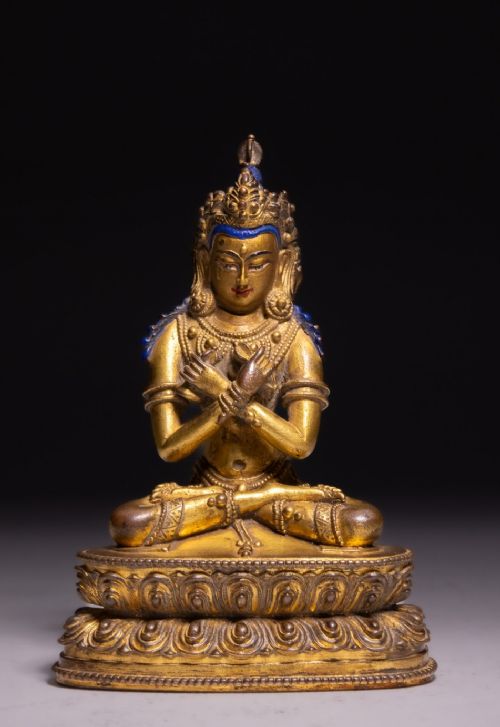


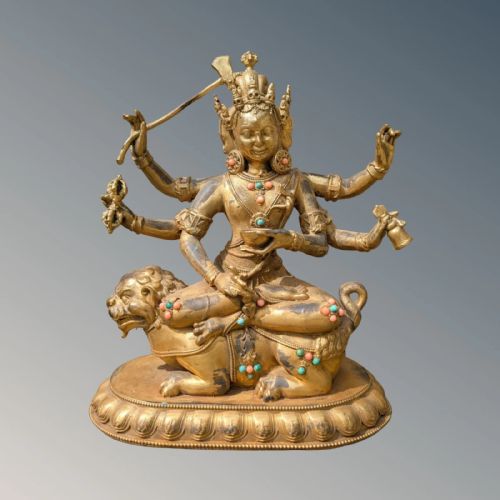

Gold Bronze Deity Sculpture
These gold bronze deity sculpture pieces bring centuries of ritual craftsmanship into modern interiors.
Gold Bronze Deity Sculpture
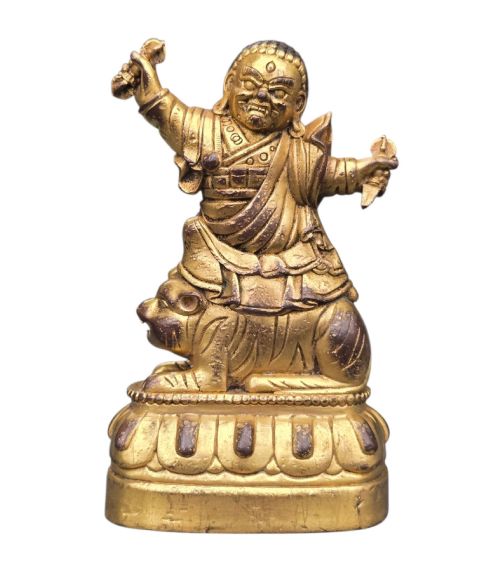
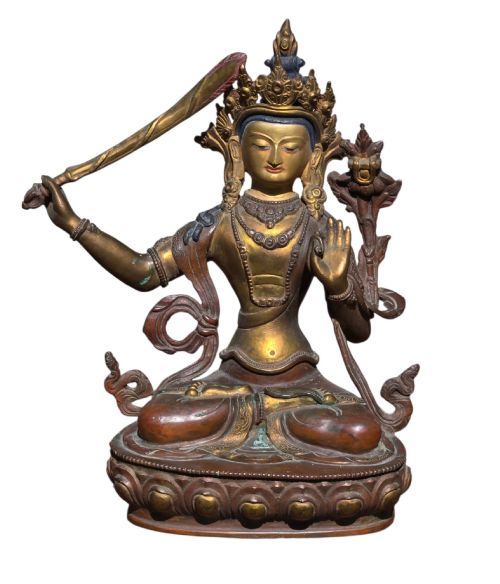
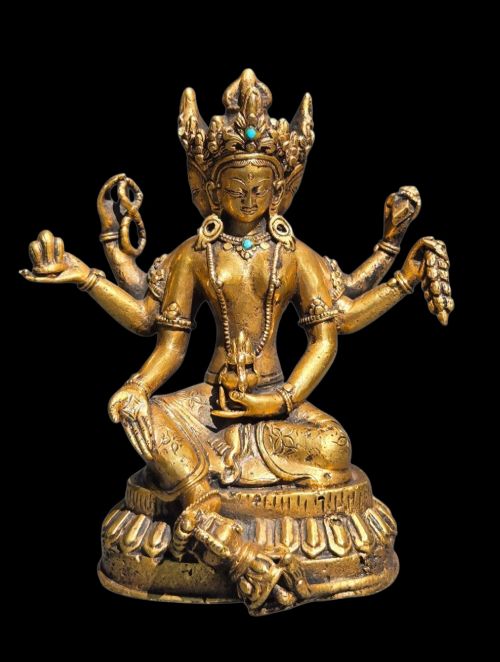
When you search for a gold bronze deity sculpture, you encounter sacred representations spanning several centuries and diverse regional traditions. The selection predominantly includes Sino-Tibetan, Tibetan, Javanese Classical, and Thai works rendered as seated or standing figures.
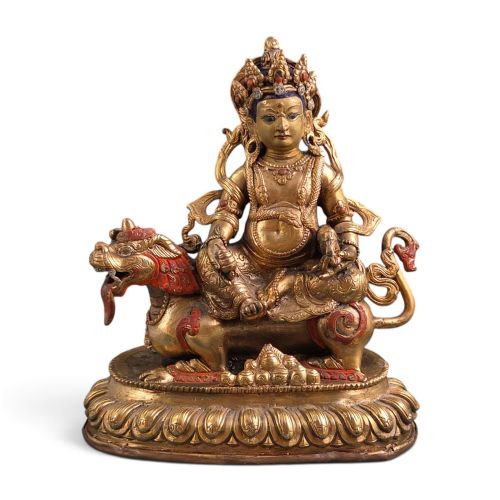
Most examples date from the eighteenth and nineteenth centuries, with occasional pieces stretching back to earlier periods or reaching into the early twentieth century. Common subjects comprise figures such as Jambhala, Manjushri, Vajradhara, Garuda, Buddha, Dakini, and Dewi Tara.
Materials and construction methods
Makers embellished specific pieces with mineral inlays, turquoise, and coral to highlight adornments and ceremonial attributes. Certain examples display a polished solid bronze surface rather than traditional gilding.
Gold Bronze Deity Sculpture Retail Price Guide 2026
Typical asking prices for gold bronze deity sculpture among the pieces listed under this phrase on Sellingantiques today, from the lower quarter to the upper quarter. They describe what is for sale here now, not the wider market.
Some divine figures sit atop fierce lions while others stand tall, proving that even celestial beings appreciate a good seat.
Assessing quality and execution
The application and preservation of the gilt bronze or gold gilding significantly influence the visual impact of each piece. Superior works maintain crisp facial expressions and balanced proportions that reflect their specific stylistic origins.
The Gold Bronze Deity Sculpture Glossary
- Gilt Bronze
- Metalwork coated with a thin layer of gold. This finish provides a warm, reflective surface that highlights the sculptural contours.
- Sino-Tibetan
- An artistic style combining Chinese and Tibetan elements. It often manifests in ornate garments and characteristic facial structures.
- Mineral Inlays
- Stones or minerals embedded into the metal surface. Turquoise and coral are typical examples used to decorate sacred attire.
- Copper Alloy
- A metal mixture containing copper as the principal component. It serves as the foundational substrate for numerous cast sculptures.
Gold Bronze Deity Sculpture: Frequently Asked Questions
How old are these sculptures?
The pieces span multiple centuries, ranging from pre-sixteenth century Javanese examples to eighteenth and nineteenth-century Sino-Tibetan and Tibetan works, extending into the early twentieth century.
Each period imparts distinct stylistic conventions and casting techniques that help determine the age of the sculpture.
What materials were used?
Makers utilised bronze, brass, and copper alloy as base metals, frequently applying gilt bronze or gold gilding across the exterior.
Additional materials include applied pigments for facial details and mineral inlays such as turquoise and coral for ornamentation.
How do I identify the regional style?
Regional aesthetics appear through iconographic details, facial proportions, and the treatment of garments and jewellery. Sino-Tibetan and Tibetan pieces often present elaborate crowns and robes, whereas Javanese Classical and Thai works follow distinct regional body canons.
Comparing the posture and attributes provides further clues to the origin of the deity.
How should I display them?
Place the sculpture on a stable, flat surface away from direct sunlight and fluctuating humidity to protect the gilt bronze and mineral inlays. Ensure adequate lighting to appreciate the chased details and applied pigments.
Allow sufficient space around the figure so its sculptural silhouette remains the focus of the room.