


Tibetan Bronze Deity
These tibetan bronze deity figures bring centuries of Himalayan Buddhist devotion straight to your home shrine.
Tibetan Bronze Deity
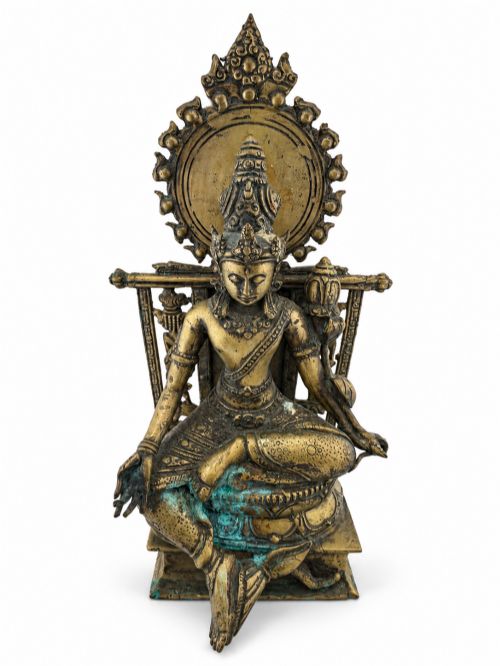
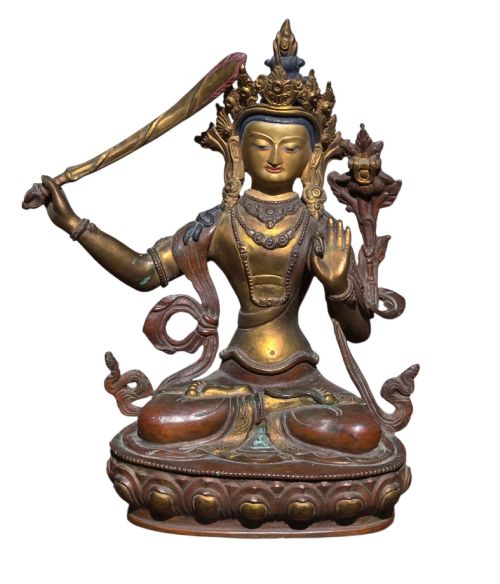
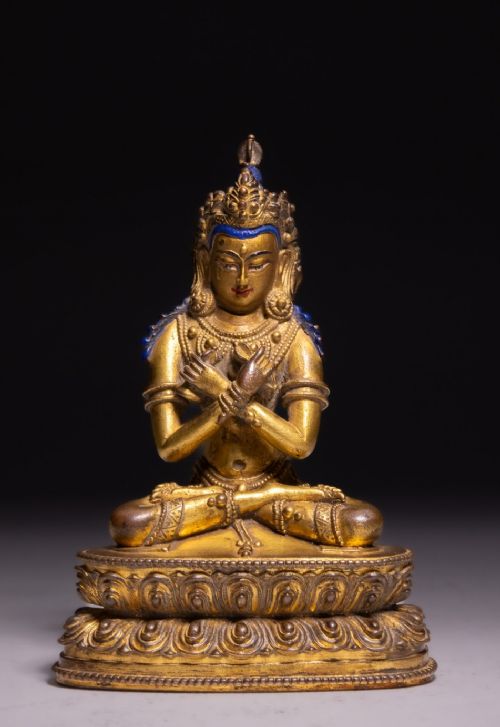
A tibetan bronze deity is a sculptural representation of a Buddhist or Hindu divine figure, typically taking the form of a seated or standing shrine statue.
The pieces available span from the seventeenth century through to the early twentieth century, encompassing Tibetan, Nepalese, and Sino-Tibetan artistic traditions.
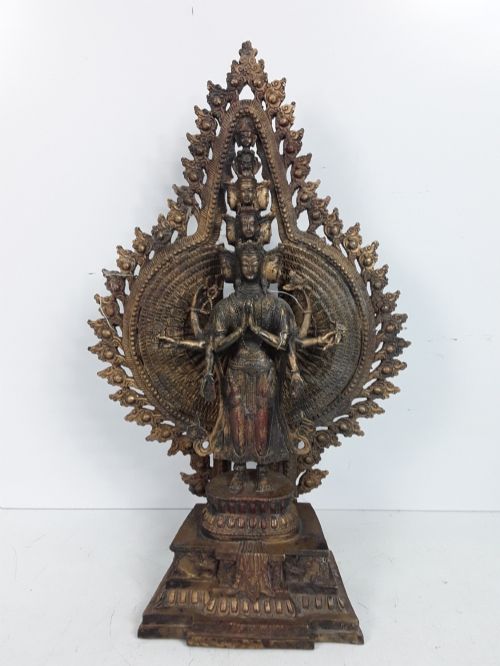
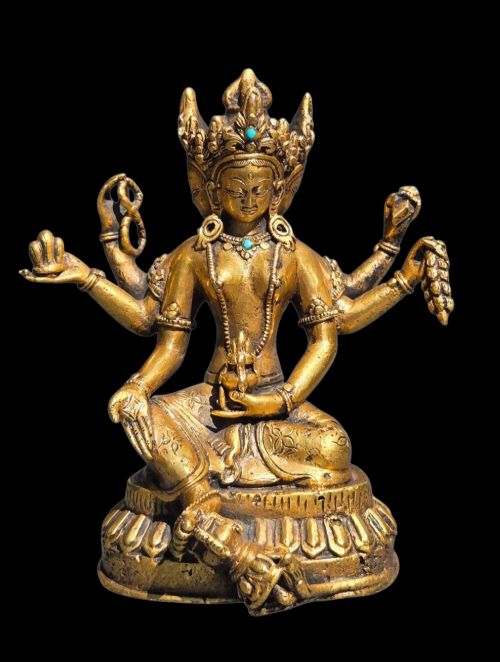
Common forms include multi-armed bodhisattvas, seated Buddhas, and fierce protectors such as Mahakala and Vajrakilaya, often rendered as statues or figures.
How they were made
Foundries cast these pieces primarily in bronze, copper alloy, and gilt bronze, occasionally employing gilt metal or brass for later or regional variations.
Casting is frequently enhanced with surface gilding, applied pigment, and detailed mineral inlays including turquoise and coral.
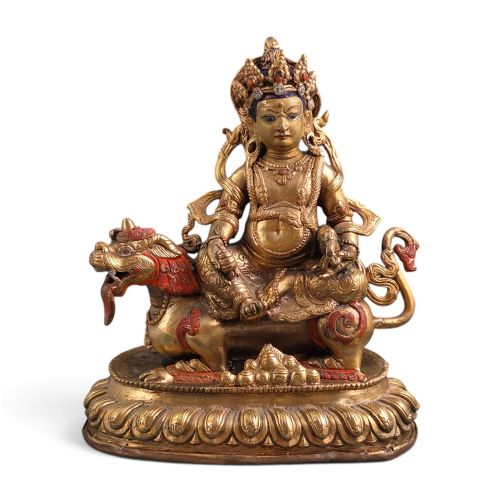
Several deities sit atop unusual mounts, including a lion and a kylin, proving that even divine beings occasionally appreciate a spirited ride.
What varies in quality
The presence and preservation of original cold-painted pigments, fire gilding, and securely set turquoise or coral inlays elevate the status of a piece.
The Tibetan Bronze Deity Glossary
- Bodhisattva
- An enlightened being who chooses to remain in the cycle of rebirth to help others attain salvation. These figures are commonly depicted wearing royal ornaments and elaborate crowns.
- Gilt bronze
- Metal cast with a thin layer of gold applied to its surface. This technique imparts a radiant finish that highlights the intricate details of the deity's garments.
- Sino-Tibetan
- A stylistic classification reflecting the artistic exchange between Chinese imperial workshops and Tibetan religious traditions. Pieces in this style often display refined casting and ornate lotus bases.
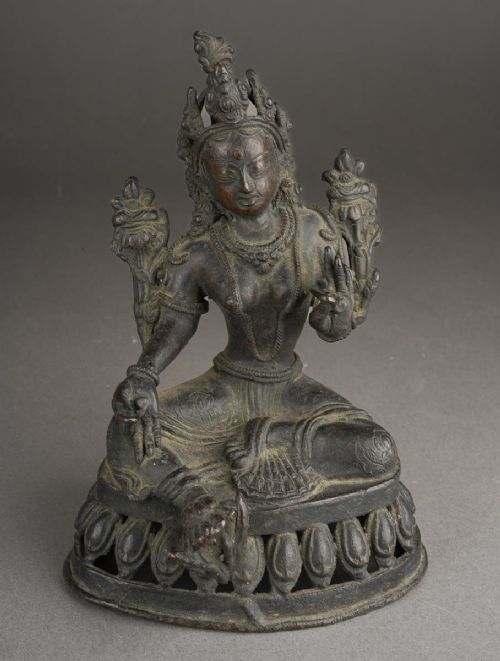
- Tara
- A female Buddha and meditation deity representing compassion and liberation. She appears frequently in these listings, often shown seated in a meditative posture.
Tibetan Bronze Deity: Frequently Asked Questions
What is a tibetan bronze deity?
A tibetan bronze deity is a cast metal sculpture depicting a revered figure from Buddhist or Hindu traditions, created for shrine worship or domestic devotion.
These sculptures take many forms, from serene seated Buddhas to multi-armed bodhisattvas and wrathful protectors.
How were these statues used?
These figures served as focal points for meditation, prayer, and ritual offerings in monasteries and household shrines across the Himalayan region.
Devotees utilised them to aid spiritual practice and invoke the blessings of the specific deity represented.
How do I live with a bronze deity?
Display your sculpture on a stable surface away from direct sunlight and fluctuating humidity to protect any remaining surface pigments or delicate metalwork.
Dust the piece gently with a soft, dry brush to maintain the finish without disturbing ancient patinas or mineral inlays.
How can I tell the period?
Dating relies upon stylistic nuances in the casting, the style of the lotus throne, and the wear and composition of the bronze or gilt surface.
Earlier examples from the seventeenth century often display deep patination and hand-chased details distinct from twentieth-century production.