




Buddhist Gilt Sculpture
These buddhist gilt sculpture pieces combine sacred iconography with rich metallic surfaces, offering collectors a tangible connection to Asian spiritual traditions and historical metalwork.
Buddhist Gilt Sculpture
When you search for buddhist gilt sculpture, you are looking at sacred figures cast in metal or carved in wood, then finished with gold leaf or gilding. The selection on this page spans several centuries, running from the sixteenth century through to the early twentieth century.
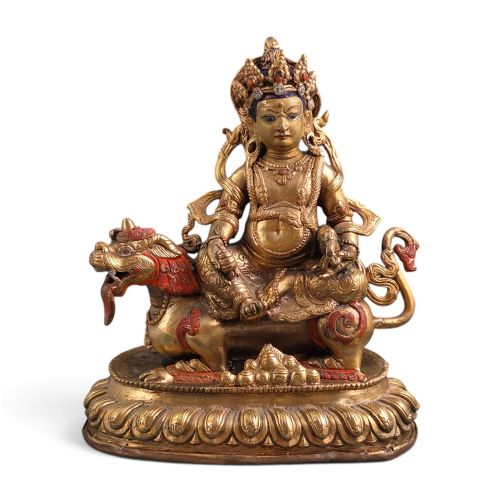
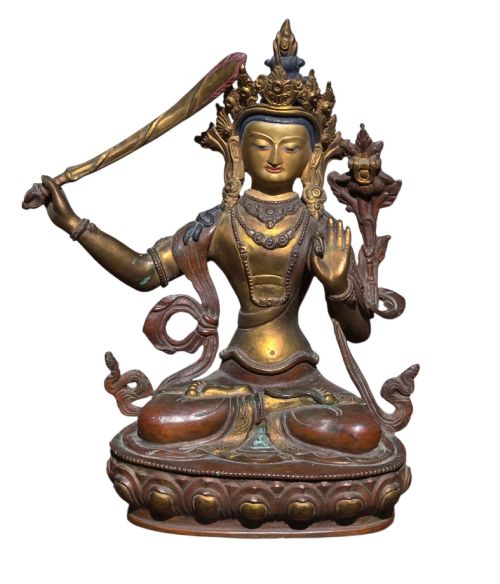
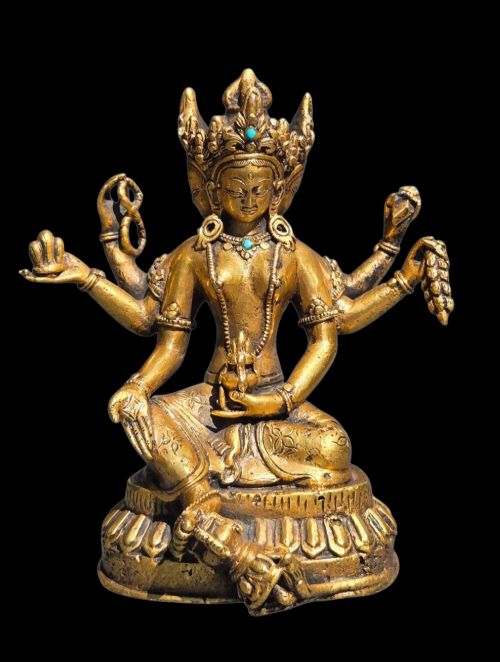
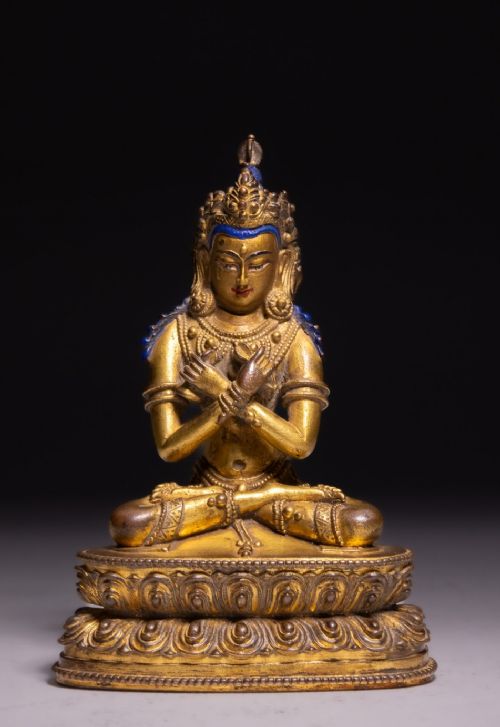
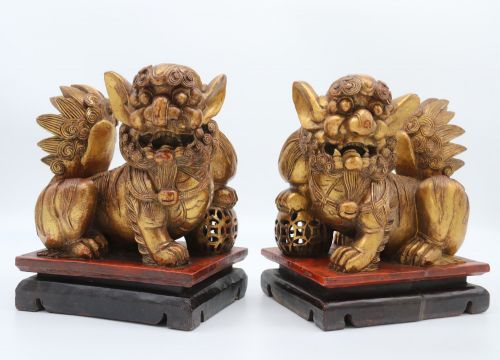
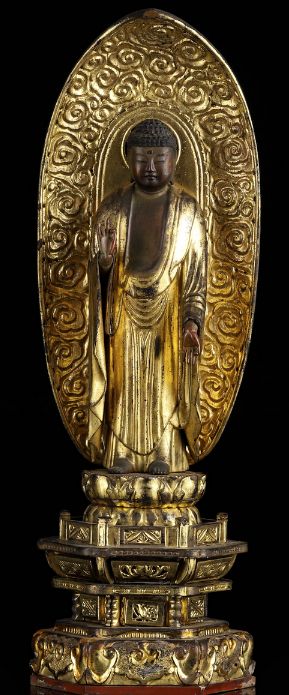
Most pieces encountered here originate from Sino-Tibetan, Tibetan, Chinese, and Southeast Asian workshops. They take the form of seated deities, multi-armed figures, temple lions, and Buddha statues rendered in bronze, copper alloy, and gilt wood.
How they were made
The metal sculptures in this group rely on traditional casting techniques, predominantly utilising bronze or copper alloy as a base. Artisans then applied a layer of gold leaf or gilt, sometimes enhancing the surface with pigments and turquoise inlays.
Wooden examples involve detailed carving from blocks of timber, subsequently coated in layers of lacquer and gilt. This combination of materials provided both structural durability and a radiant finish suited to sacred spaces.
Listings span multiple centuries, ranging from sixteenth-century examples to twentieth-century pieces.
What varies in quality
Quality in these sculptures rests upon the precision of the initial cast or carving and the retention of the original surface finishes. Finer examples display crisp detail in the facial expressions, drapery, and ornamentation without excessive smoothing from later wear.
The integrity of the gilding and the application of any secondary pigments or stone inlays also differentiate the pieces. Works with largely intact gilt surfaces and well-preserved ritual attributes command greater attention from collectors.
The Buddhist Gilt Sculpture Glossary
- Gilt bronze
- A metal object made from a bronze alloy that has been covered with a thin layer of gold or gold leaf. This technique gives the sculpture a bright, enduring metallic sheen.
- Sino-Tibetan
- A stylistic classification describing art that merges Chinese imperial manufacturing techniques with Tibetan Buddhist iconography. These pieces frequently date from the eighteenth and nineteenth centuries.
- Bodhisattva
- An enlightened being who delays entering nirvana to help others achieve salvation. They are typically depicted in sculpture with royal ornaments and elaborate headdresses.
- Turquoise inlay
- Small pieces of turquoise gemstone fitted directly into recesses within the metal surface. This decorative method adds contrasting blue-green colour to the gilt body.
Buddhist Gilt Sculpture: Frequently Asked Questions
How do I identify a Tibetan bronze?
Tibetan bronzes often display distinct iconographic details, such as specific hand gestures and ritual implements associated with Vajrayana Buddhism. Look closely at the casting style and the treatment of the base.
Many of these figures feature sealed bases filled with consecrated mantras and ritual objects. The presence of residual pigments or turquoise inlays can also point towards Himalayan workshops.
What is the difference between gilt wood and gilt bronze?
Gilt wood sculptures are carved from timber and coated with lacquer before receiving gold leaf. Gilt bronze pieces are cast in metal using techniques like lost-wax casting before being gilded.
Wood figures tend to be lighter and show softer organic carving, whereas bronze and copper alloy pieces offer heavier weight and sharper surface detail.
How should I care for gilt sculptures?
Keep these pieces in a stable environment away from direct sunlight and excessive humidity. Sudden temperature shifts can cause wood to crack or lacquer to lift.
Dust the surface gently with a soft, dry brush. Avoid using liquid cleaners, polishes, or cloths that might abrade the delicate gold leaf or remove historic pigments.
How can I tell the age of a sculpture?
Dating relies on examining the wear patterns on the gilding, the oxidation of the underlying metal, and the tool marks left by the maker. Stylistic clues in the robes and headdress also help place a piece within a specific century.
Comparing the construction methods to dated examples helps narrow down the period of manufacture, from sixteenth-century temple pieces to twentieth-century figures.