

19th Century Bronze Pair
A 19th century bronze pair delivers symmetrical balance and classical presence to a room through matching metalwork.
19th Century Bronze Pair
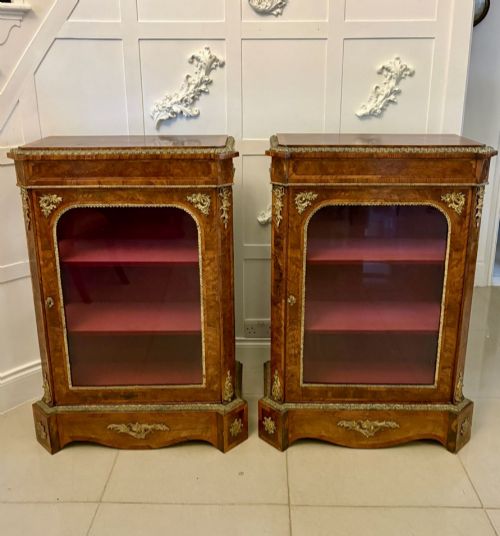
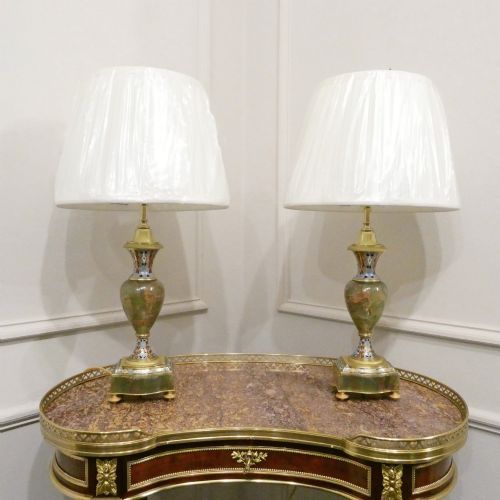
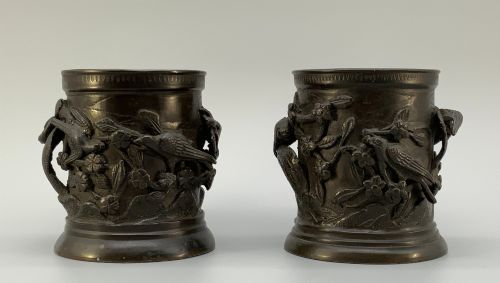
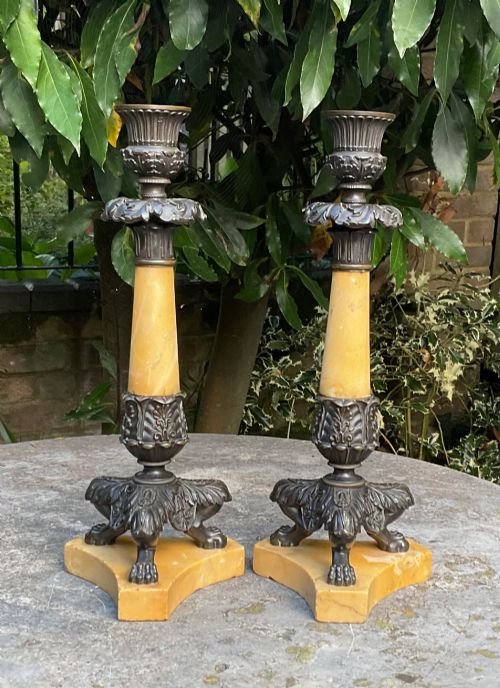
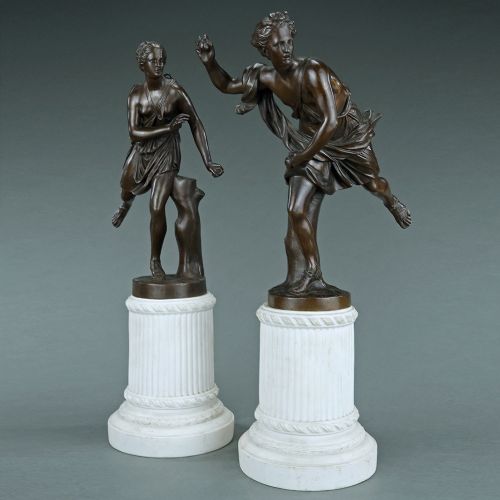
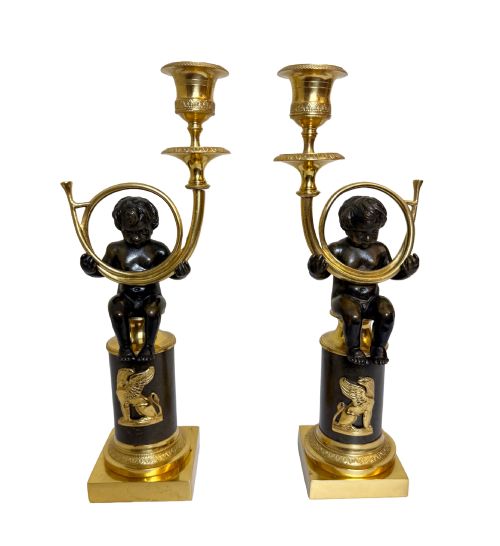
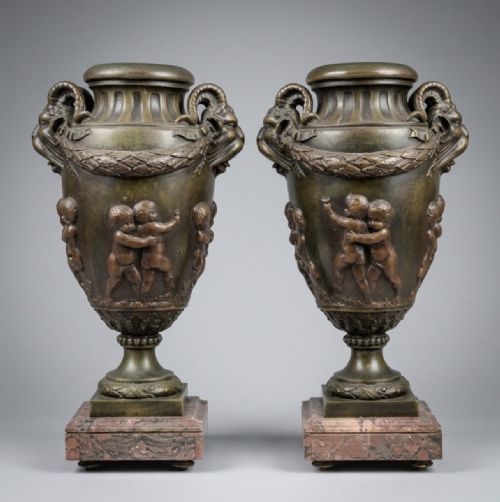
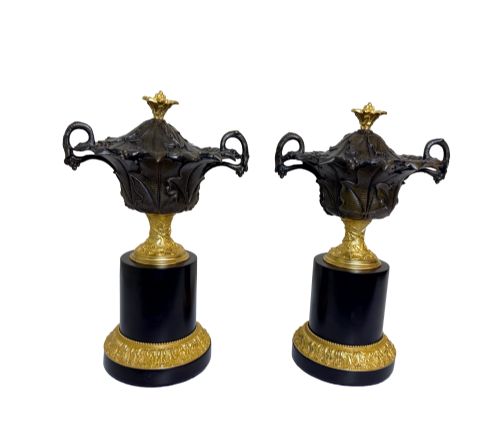
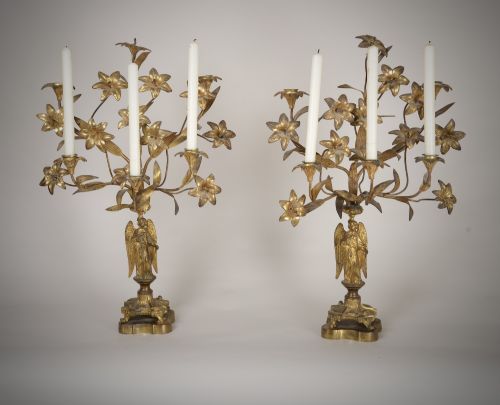
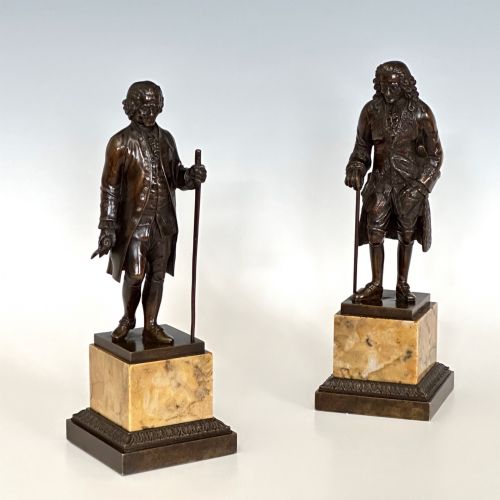
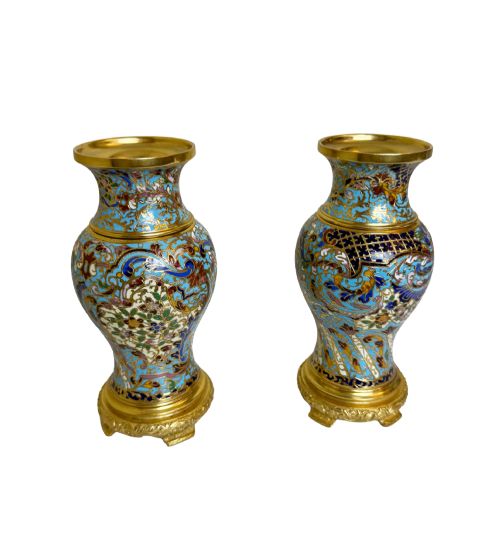
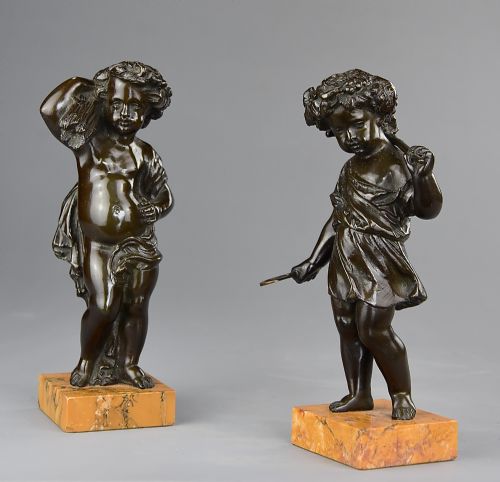
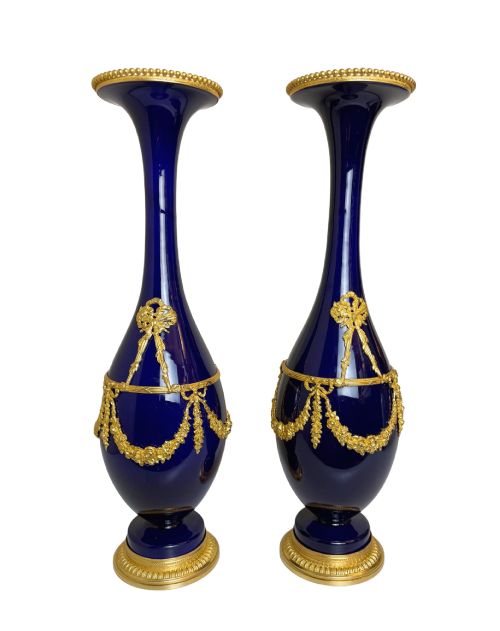
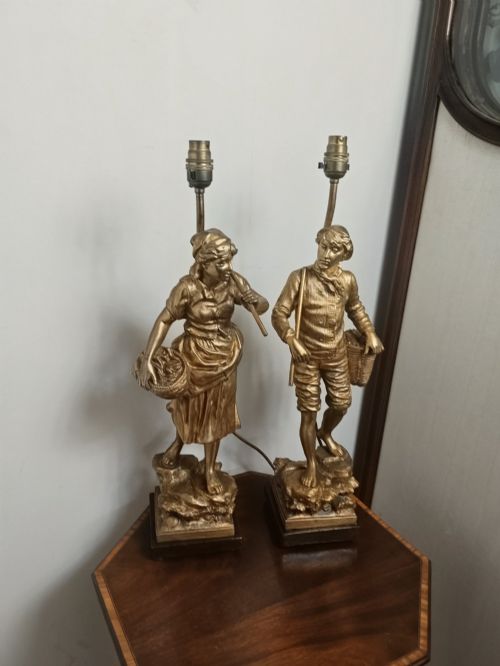
A 19th century bronze pair encompasses matching decorative objects created during the eighteen hundreds, ranging from Regency creations to late Victorian items. The evidence shows these matched sets take the form of candlesticks, candelabra, urns, vases, sculptures, and table lamps.
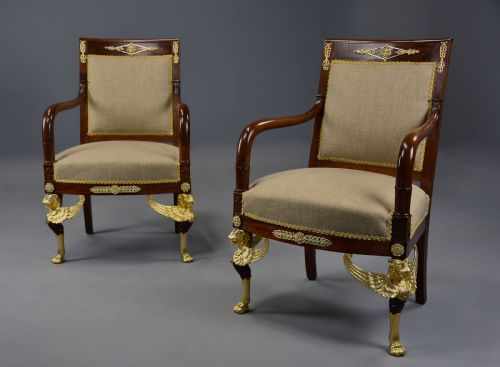
Buyers encounter French Empire and Neoclassical designs most frequently on this page, often combining cast metal with contrasting marble bases. Many pieces reflect revival styles, drawing on Louis XV, Louis XVI, and Gothic motifs.
The selection includes decorative pairings originating from European workshops alongside Japanese Meiji period examples. These matched items served primarily as mantel garnitures, table ornaments, and lighting fixtures in period interiors.
Materials and construction methods
Foundry workers utilised traditional lost-wax or sand-casting techniques to shape the metal components, producing sharp details across figures, foliage, and architectural ornaments. Artisans then finished the raw metal surfaces through patination, chemical darkening, or the application of gold leaf known as ormolu.
Makers frequently mounted the heavy metal components onto contrasting natural materials such as white marble, Siena marble, or onyx bases. Additional decorative elements incorporated porcelain bodies, champlevé enamel work, and glass inserts secured within the bronze framework.
Listings feature various forms including candlesticks, candelabra, vases, urns, and sculptural groups dating from the Regency era through to the late nineteenth century.
Factors determining quality
The quality of the secondary materials also dictates the standing of a piece, demonstrated by dense, unblemished marble plinths and richly saturated fire-gilding rather than modern electroplate. Furthermore, the accuracy of the symmetry between the two objects indicates the care taken during initial workshop production.
Barbedienne·E Rousseau·Pierre Philippe Thomire
The 19th Century Bronze Pair Glossary
- Ormolu
- A technique of applying finely ground high-carat gold amalgam to a bronze object before firing. This process creates a durable, bright golden surface finish typical of luxury French decorative arts.
- Patinated bronze
- Metal treated with chemical solutions to produce a controlled surface coloration ranging from deep brown to black. This coating protects the underlying alloy and defines sculptural contours.
- Cassolette
- A decorative vessel featuring a reversible lid that functions either as a closed urn or an incense burner. These dual-purpose objects often combine bronze mounts with marble or porcelain bodies.
- Grand Tour
- Souvenirs and classical replicas purchased by affluent travellers visiting cultural sites in Italy during the nineteenth century. These items typically depict reduced-scale sculptures, architectural models, or antique vases.
- Champlevé
- An enamelling method where troughs are dug into the metal surface and filled with vitreous paste before firing. The resulting coloured patterns sit flush with the surrounding bronze borders.
19th Century Bronze Pair: Frequently Asked Questions
What rooms suit a bronze pair?
These matched objects suit reception rooms and hallways where symmetry creates a formal focal point. Placement on mantelpieces, sideboards, or pedestals allows the matching silhouettes to anchor the surrounding decor.
Heavier items require sturdy furniture support due to the combined weight of the metal and stone bases. Proper placement highlights the reflective qualities of the patination or gilding against natural light.
How were candelabra used?
Nineteenth-century households utilised candelabra for interior illumination during evening gatherings and formal dinners. Paired arrangements provided balanced lighting across dining tables and mantel shelves before the widespread adoption of electricity.
Many surviving examples have undergone conversion to table lamps while retaining their original structural metalwork. This dual heritage allows modern interiors to utilise period lighting fixtures safely.
How do I identify Regency pieces?
Regency items display distinct Neoclassical influences derived from classical Greek and Roman archaeological discoveries. Look for architectural proportions, animal monopodia supports, and dark patination contrasted with bright ormolu mounts.
These early objects often incorporate specific motifs like sphinxes, acanthus leaves, and campana urn profiles. Such stylistic markers separate them from later Victorian revival productions.
What is a Grand Tour souvenir?
Grand Tour pieces are reduction-scale models of famous classical sculptures, architectural ruins, and ancient vases collected during European travels. Workshops in Italy and France produced these portable bronze copies for wealthy tourists.
Their presence indicates an educational and cultural pursuit typical of nineteenth-century collecting habits. Collectors prize them for their accurate rendering of canonical antiquities.