

Antique Male Statues
Antique male statues combine classical form and nineteenth-century foundry skill, offering buyers enduring studies of the human figure.
Antique Male Statues
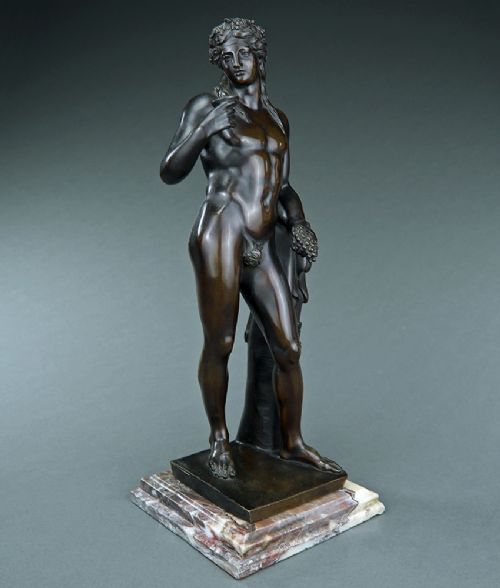
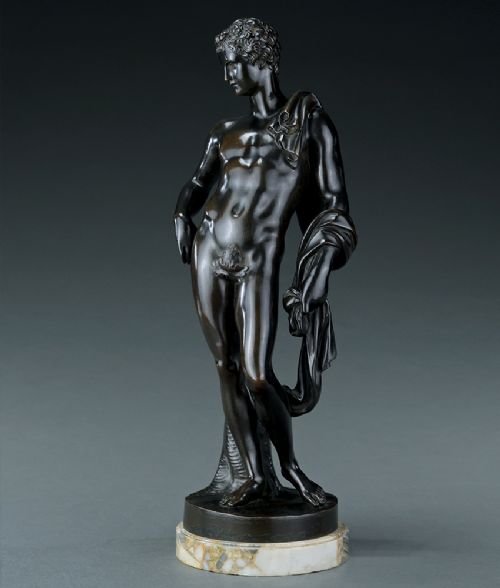
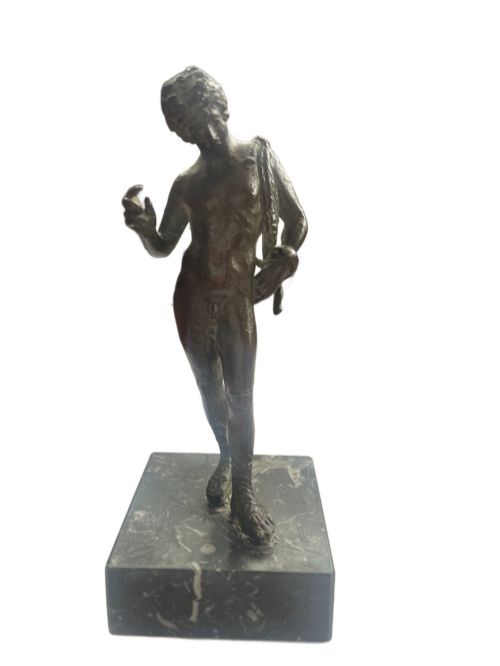
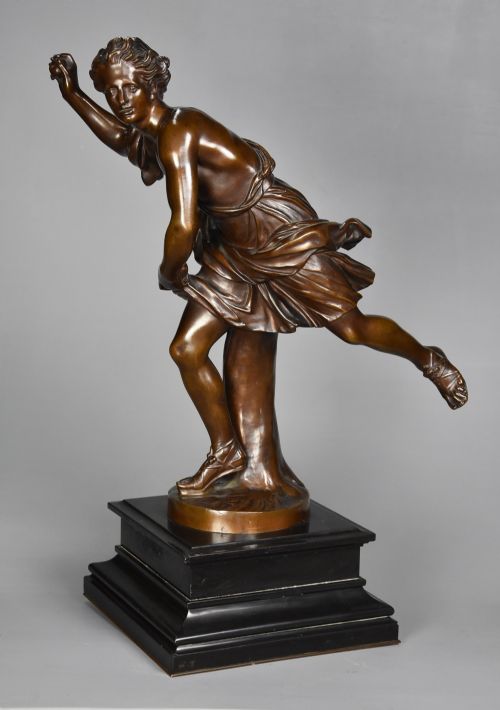
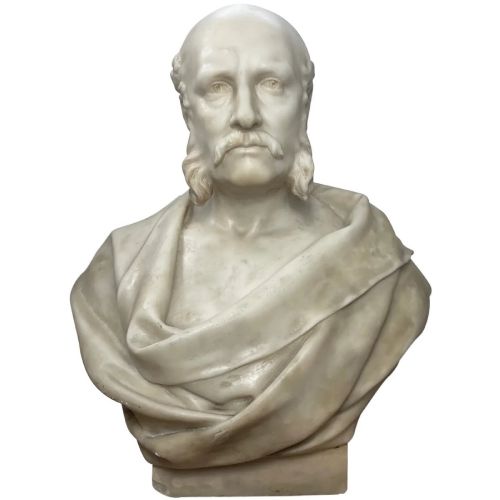
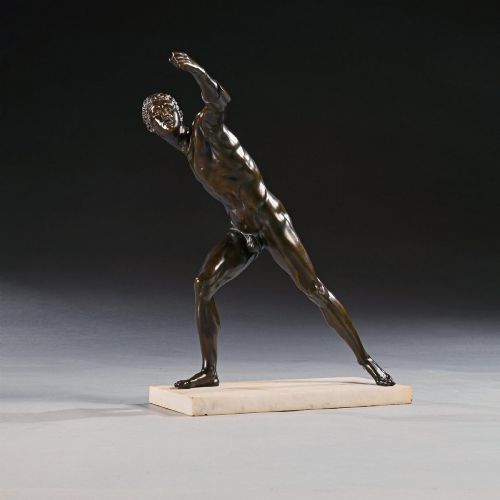
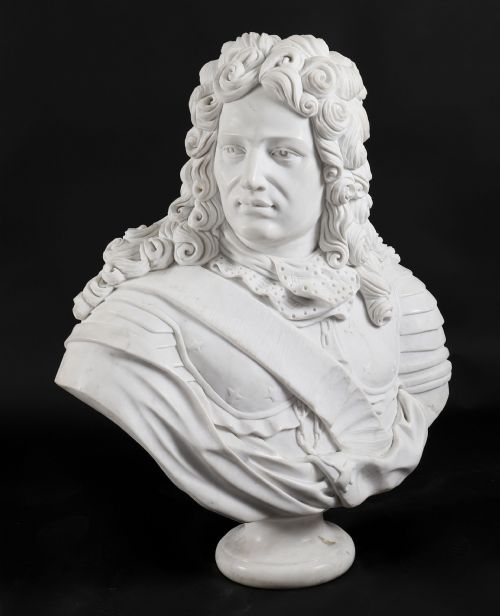
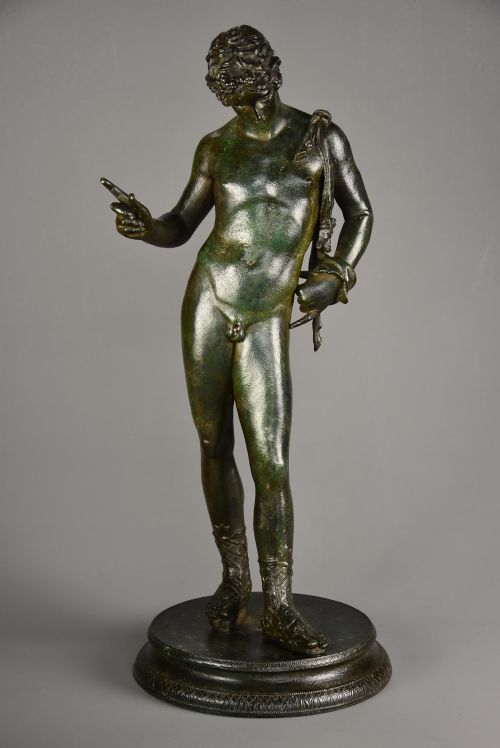
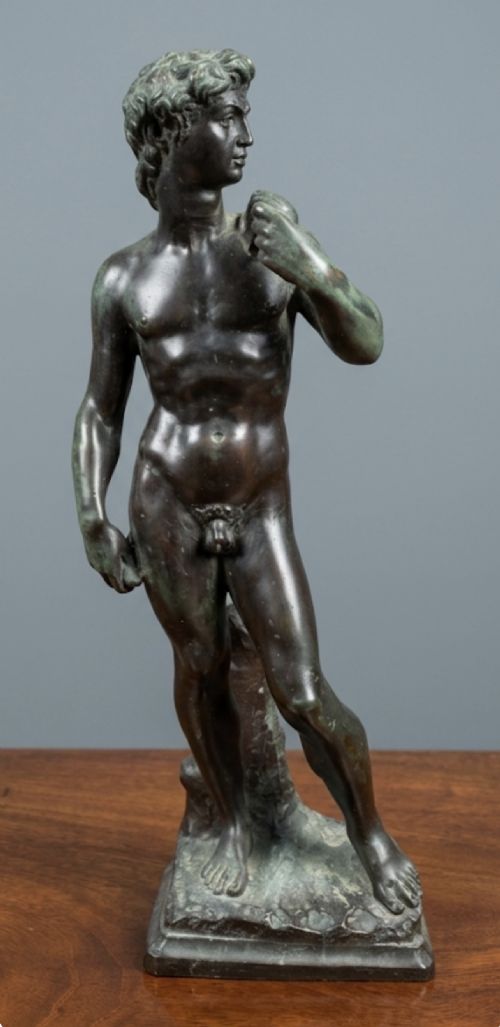
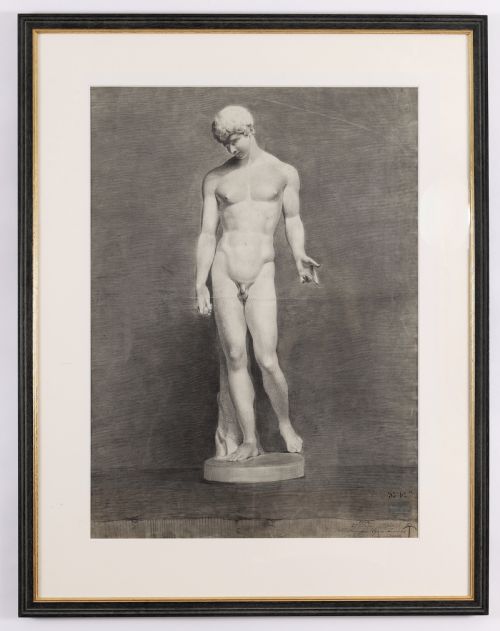
Antique male statues encompass bronze and marble figures, classical revivals, and Grand Tour reductions originating primarily from the nineteenth century. These sculptures draw inspiration from ancient prototypes such as Narcissus, the Borghese Gladiator, and the Dancing Faun. Collectors encounter works ranging in scale from cabinet bronzes to monumental civic marble busts.
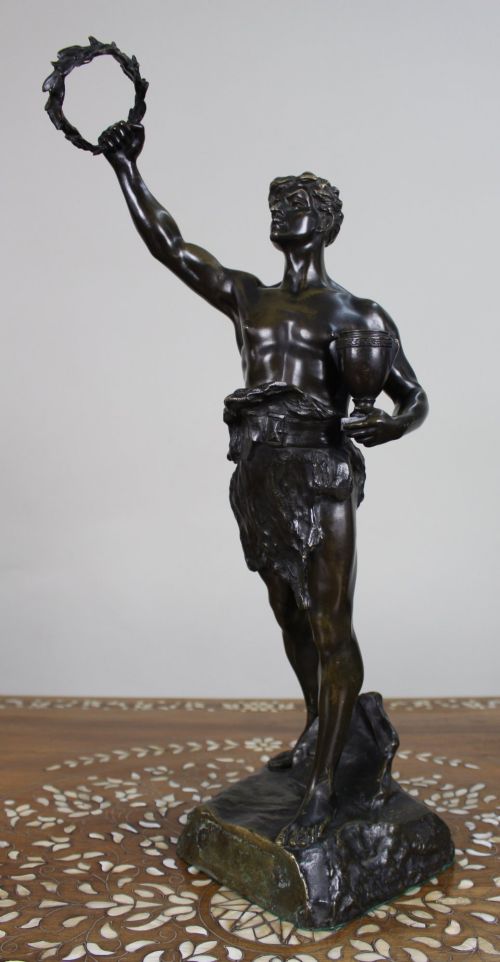
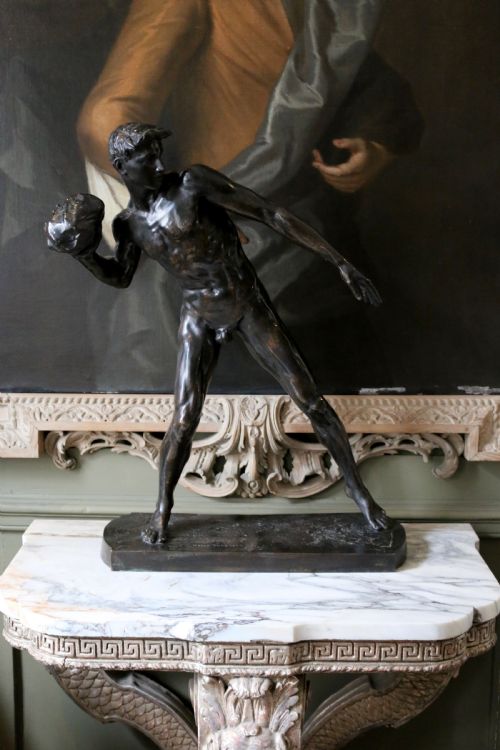
Grand Tour subjects dominate the selection, reflecting European travel traditions and a taste for classical antiquity. Alongside these classical representations, the category includes nineteenth-century French bronzes, Art Deco athletic figures, and portrait busts of specific individuals. Materials extend beyond metal and stone to incorporate plaster, carved wood, and glazed pottery.
How they were made
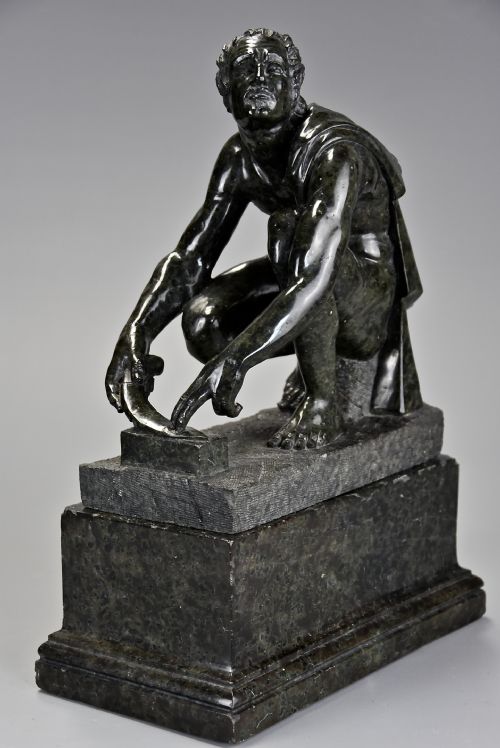
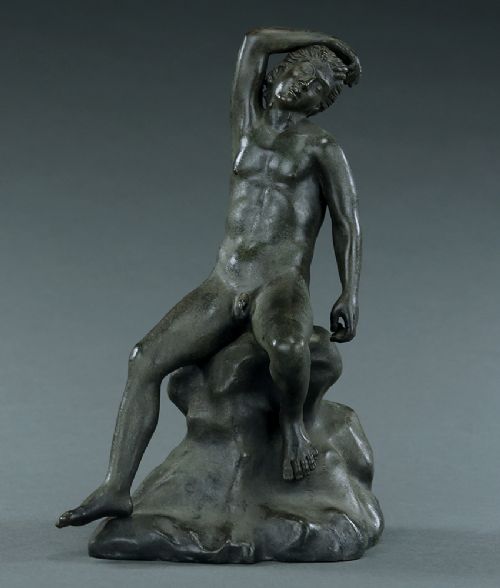
Foundries produced many of these figures using the lost-wax casting method or sand casting in bronze, frequently applying chemical patination to achieve dark green, brown, or verdigris surfaces. Marble and stone versions rely on hand carving and chiselling, sometimes mounted upon specialised bases such as fossil marble. Plaster and pottery pieces utilise slip casting or moulding techniques, occasionally enhanced with polychrome paint.
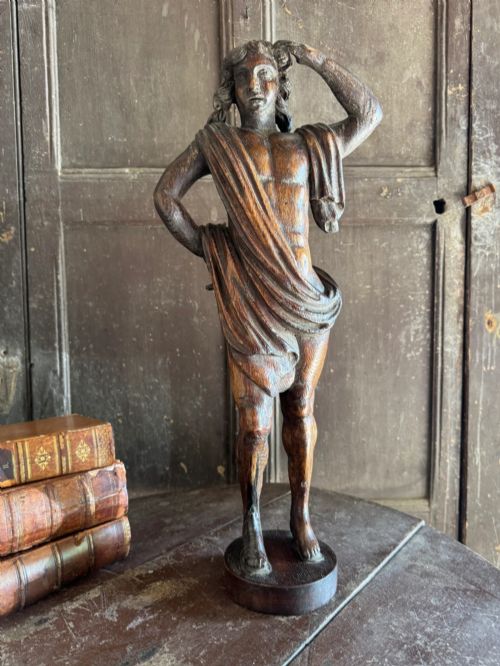
Wood carvings employ traditional hand tools applied to oak or hardwoods to shape the anatomical contours of the figure. Signatures, foundry stamps, and dates are often chased directly into the bronze or carved into the material surface during the finishing stage.
Even ancient athletes needed a rest, as demonstrated by the multiple resting fauns and meditating figures caught mid-pause.
What varies in quality
The precision of the chasing and the crispness of anatomical detail distinguish finer bronze casts from standard commercial productions. Foundry marks, signatures by known sculptors, and individualised patination indicate superior workmanship. Marble statues demonstrate quality through the fluidity of drapery carving and the absence of heavy veining flaws in the stone.
The depth of the casting clean-up and the structural stability of the base material contribute significantly to the overall integrity of the piece. Superior examples retain their original surface treatments and mounting components without significant alteration or replacement.
Barbedienne·Jules Dalou·Julien Lorieux·Friedrich Goldscheider·Emile Louis Picault·Sir Thomas Brock
The Antique Male Statues Glossary
- Grand Tour
- Souvenirs and classical copies acquired by travellers during nineteenth-century tours of Italy and Europe. These reductions of famous antiquities were cast in bronze or carved in marble.
- Patination
- The chemical or natural colouration applied to the surface of a bronze sculpture. Varied patinas create brown, black, or green tones.
- Lost-wax casting
- A metal casting method where a wax model is melted from a mould and replaced with molten bronze. This technique allows for intricate detail in figurative works.
- Verdi prato
- A deep green Italian marble often utilised for sculptural bases. It provides a contrasting background for patinated bronze figures.
Antique Male Statues: Frequently Asked Questions
What is a Grand Tour bronze statue?
Grand Tour bronzes are nineteenth-century reductions of famous classical sculptures collected by travellers in Italy. They replicate ancient Greek and Roman masterpieces for domestic display.
These pieces were typically cast in Neapolitan or French foundries using high-grade bronze and detailed patination. They serve as portable representations of classical antiquity.
How do I identify the subject of a male statue?
Many nineteenth-century statues depict recognisable mythological figures or ancient prototypes such as Narcissus, the Borghese Gladiator, or Hermes. Attributes like a bow, discus, or specific posture usually reveal the identity of the subject.
Inscribed titles on the base or corresponding records in foundry catalogues assist in confirming the exact mythological or historical source.
Are these statues solid bronze or hollow?
Most antique bronze statues are cast hollow to conserve metal and reduce weight, utilising the lost-wax or sand casting method. Hollow casts often feature internal core material or threaded mounting rods.
Smaller cabinet figures can sometimes feel heavier due to dense foundational bases made of marble or slate.
How should I clean a patinated bronze figure?
Cleaning should be limited to gentle dusting with a soft, dry brush to preserve the original chemical patination. Water, oils, and abrasive cleaners risk damaging the surface finish and removing historical patination layers.
Applied wax treatments should only be undertaken if appropriate for the specific metal composition and existing surface condition.