


Romantic Bronze Sculptures
Romantic bronze sculptures capture expressive nineteenth-century narratives in cast metal, bringing classical and allegorical drama directly to a mantelpiece.
Romantic Bronze Sculptures
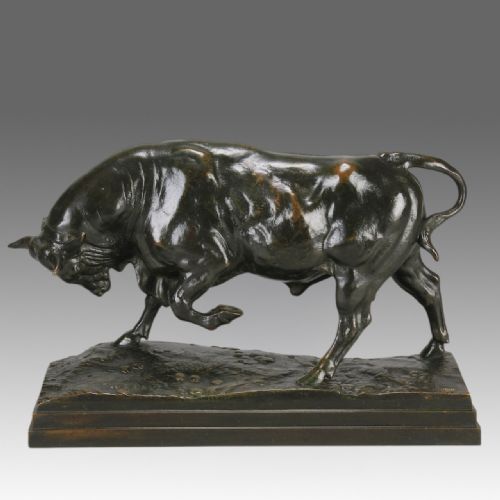
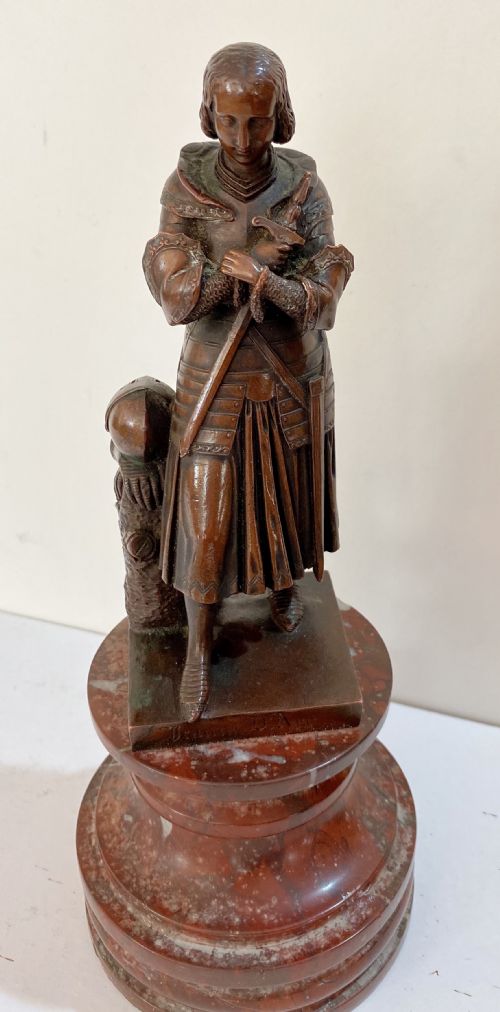
Romantic bronze sculptures encompass nineteenth-century figures, animals, and busts originating primarily from French and Victorian traditions. When buyers search for romantic bronze sculptures, they encounter dynamic representations of figures like Joan of Arc, classical deities, and literary poets.
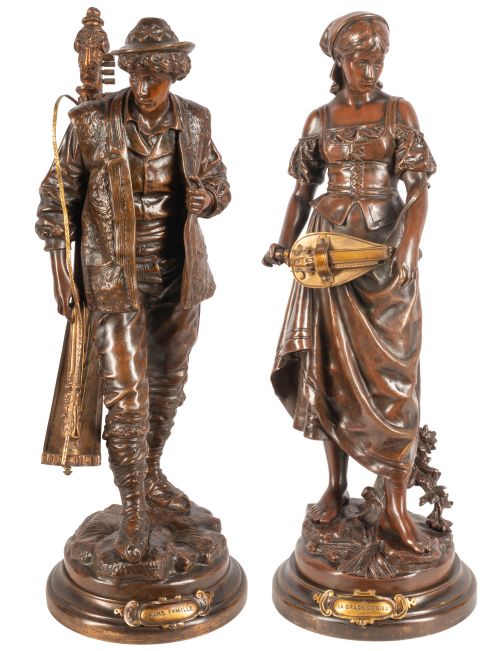
Originating largely from the nineteenth century, these sculptures reflect the dominant French and Victorian styles of the period, employing classical motifs and emotional subjects. Collectors find both single cabinet pieces and matched pairs that typify the foundry output of the era.
How they were made
Foundries produced these works using traditional metal-casting methods, shaping molten alloy into detailed figurative forms. The resulting metal figures received careful hand-finishing to accentuate muscle, drapery, and facial expression.
Surface treatments define the visual character of the metal, utilising patinated bronze, dark patina, polychrome, parcel-gilt, and gilt bronze. Many works incorporate marble elements, providing a contrasting classical plinth or base for the cast metal figure.
The listings on this page span the nineteenth century, featuring materials such as bronze, marble, polychrome, and gilt bronze.
What varies in quality
Quality rests in the crispness of the metal chasing and the sensitivity of the surface finish, which determines how clearly fingers, hair, and clothing read from a distance. Foundries achieved varied levels of sharpness in the cast, separating mass production from finer sculptural editions.
The application of patination and polychrome details alters the depth and visual weight of the sculpture, with superior examples retaining subtle tonal transitions. Bases and mountings in marble further distinguish the finish of individual works.
Antoine Louis Barye·Auguste Moreau·Louis Auguste Moreau·Arthur Waagen·Charles Cumberworth·Jean Jacques Pradier·Salmson·J C De Blezer
The Romantic Bronze Sculptures Glossary
- Animalier
- A nineteenth-century artistic focus on the realistic portrayal of animals, particularly associated with French bronze sculpture. These works capture creatures in motion or repose with anatomical precision.
- Patinated bronze
- Metal treated with chemical solutions to produce a specific surface colour and tone. This finish protects the alloy while enhancing the sculptural contours.
- Parcel-gilt
- A decorative technique where selected areas of the bronze surface receive a thin layer of gold leaf or gilding. This highlights specific details against a darker patinated background.
- Polychrome
- The application of multiple colours to the surface of the bronze sculpture. This technique adds painted lifelike tones to the figures and garments.
- Neoclassical
- A style drawing inspiration from the classical art and culture of ancient Greece and Rome. It informs the balanced composition and subject matter of many nineteenth-century bronzes.
Romantic Bronze Sculptures: Frequently Asked Questions
How do I clean romantic bronze sculptures?
Dust the metal gently with a soft, dry brush to prevent particulate buildup on the surface. Avoid using chemical polishes, which can strip the original patina and damage the finish.
Apply a very thin coat of microcrystalline wax if the metal requires protection against moisture. Buff the surface lightly with a clean cloth after application to maintain a stable finish.
Where should I display these bronzes?
Position the figures on stable surfaces away from direct heat sources and strong sunlight. Wooden mantelpieces and sturdy side tables provide secure placement for heavier metal and marble compositions.
Ensure adequate room around the sculpture so the silhouettes and patination remain clearly visible. Placing them at eye level allows the fine details of the chasing to be appreciated.
How do I identify nineteenth-century bronzes?
Examine the base and lower portions of the figure for foundry stamps, caster marks, or incised signatures. Nineteenth-century works typically display signatures integrated directly into the casting before patination.
Assess the weight and composition of the materials, noting the depth of the patina and the integration of marble bases. Period pieces often exhibit hand-finished chisel marks in concealed areas of the metal.
Are these sculptures suitable for daily handling?
Bronze objects withstand normal environmental conditions well, but frequent handling transfers oils from skin to the metal. Over time, skin contact can alter or wear away patination on high points of the sculpture.
Limit repositioning to necessary maintenance and use clean cotton gloves if moving the pieces frequently. Securing the figures firmly prevents accidental tipping and damage to projecting details.