


19th Century Brass Box
When you handle a 19th century brass box, you touch an object made for travel, correspondence, or safe storage during a period of global movement.
19th Century Brass Box
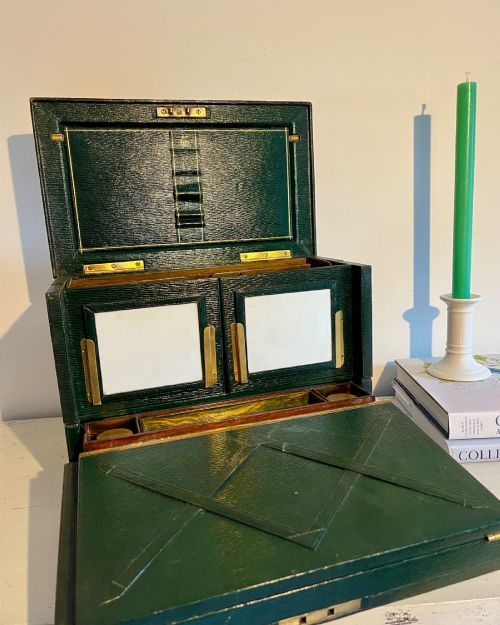
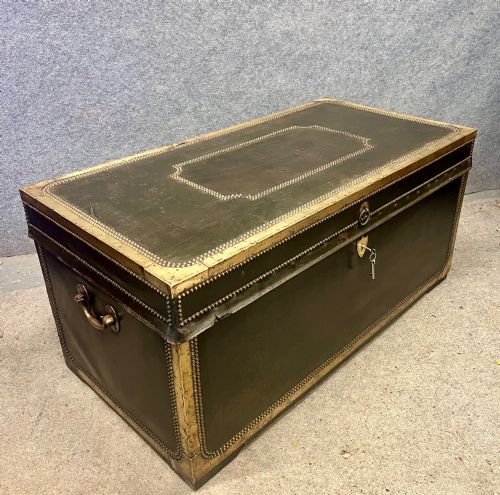
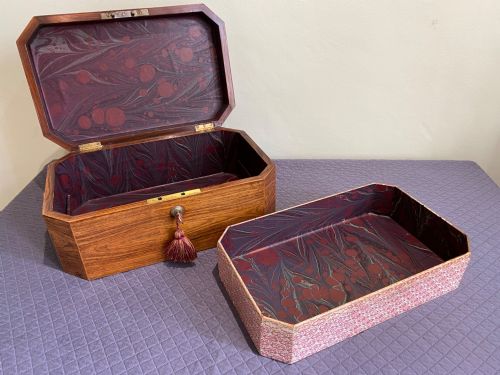
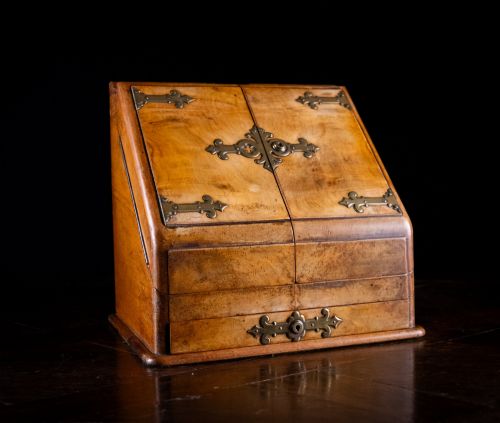
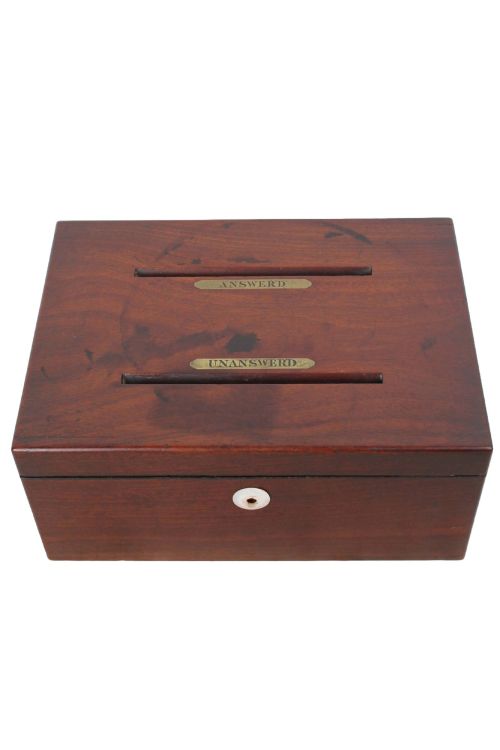
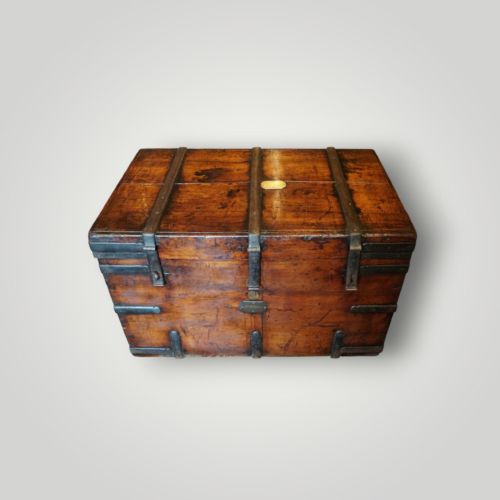
A 19th century brass box encompasses a broad functional group of containers, ranging from large campaign trunks and chests to small stationery boxes, writing slopes, and desk accessories.
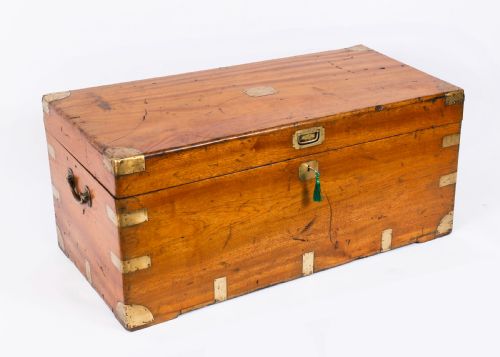
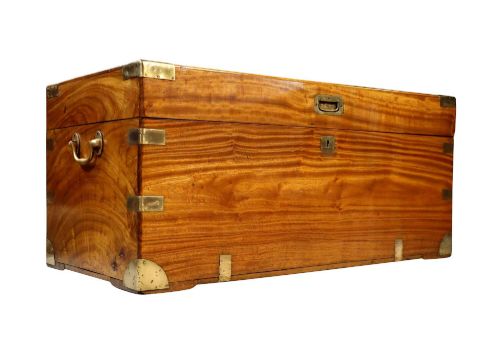
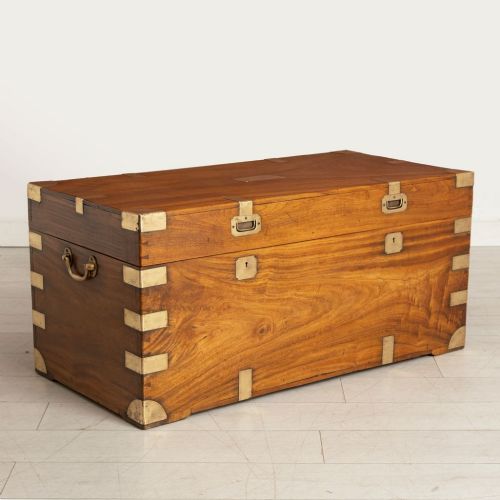
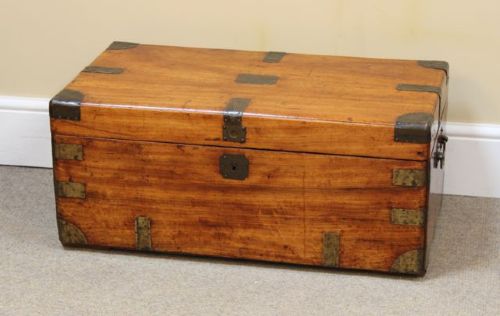
The material vocabulary of these pieces relies heavily on durable timbers like camphor wood, mahogany, rosewood, and coromandel, heavily reinforced with brass corners, straps, and corner brackets.
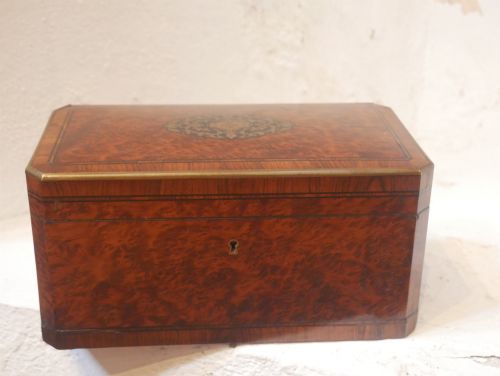
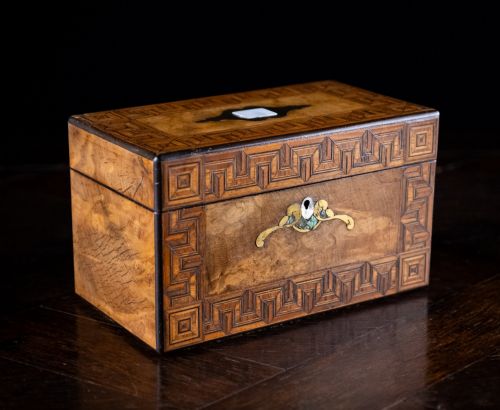
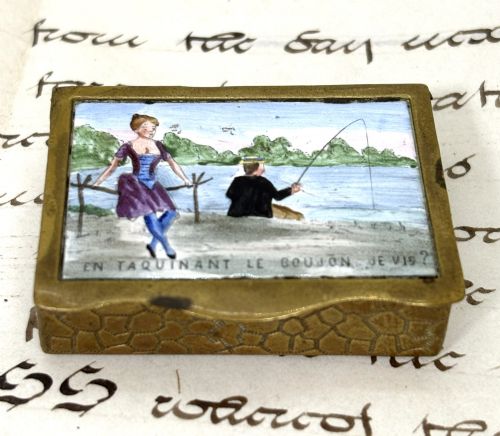
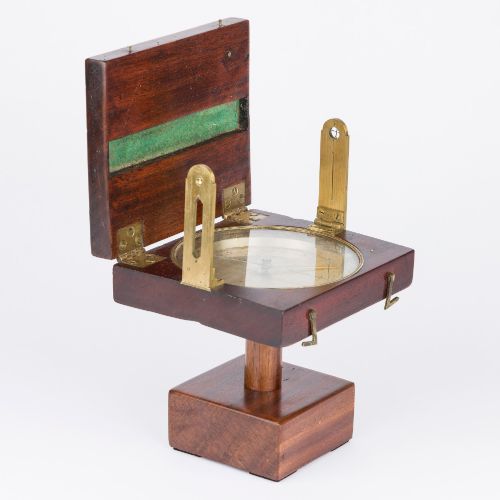
Smaller examples include trinket boxes, tea caddies, and scientific instrument cases, reflecting the Victorian appetite for organised personal possessions and travel readiness.
How They Were Made
Cabinet makers constructed the primary carcasses from dense tropical hardwoods or native veneers, using dovetail joints and sturdy internal partitions to withstand long journeys.
Sheet brass and cast brass hardware, including recessed carry-handles, corner straps, and escutcheons, were hand-screwed into the wood to protect vulnerable edges from impact.
Inlaid pieces incorporate brass stringing, mother-of-pearl, or copper, set flush into channels carved into rosewood, walnut, or coromandel surfaces.
What Varies In Quality
The calibre of a piece depends on the precision of its metalwork, particularly how cleanly brass inlays and corner braces sit flush with the surrounding timber.
Internal fittings dictate execution standards, distinguishing simple lined compartments from complex, multi-tiered stationery boxes, velvet-lined jewellery trays, and fully appointed writing slopes with working locks and original keys.
The choice of primary wood affects the tier of the object, moving from utilitarian pine or plain mahogany up to figured coromandel, amboyna, and heavy camphor wood destined for military or colonial service.
Tahan Paris·Samuel Pratt·Howell & James London·F. West·Leuchars of London·Hicks of London
The 19th Century Brass Box Glossary
- Campaign trunk
- A heavy wooden chest reinforced with brass corners and fitted with recessed side handles, built for transport by officers and traders during the nineteenth century.
- Escutcheon
- A flat plate of brass surrounding a keyhole, designed to protect the surrounding wood from wear caused by the key.
- Writing slope
- A portable box with a hinged, slanted lid that opens to reveal a sloping writing surface, inkwell compartments, and secret drawers.
- Coromandel
- A dense, heavily figured exotic timber from South Asia and Southeast Asia, utilised for high-end Victorian decorative boxes and writing caskets.
- Stringing
- Thin lines of contrasting material, such as brass or light wood, inlaid into grooves cut into the surface of a box to create geometric borders.
19th Century Brass Box: Frequently Asked Questions
What were campaign boxes used for?
Military officers and colonial administrators used campaign boxes to transport uniforms, documents, and personal valuables safely across rough terrain. Their robust construction and recessed brass fittings allowed them to endure frequent loading onto ships and carriages.
Over time, these chests transitioned from functional military equipment into decorative household furniture, appreciated for their sturdy build and aromatic camphor wood interiors.
How can I tell a writing box from a jewellery box?
Writing boxes feature a hinged lid that opens to reveal a slanted writing surface, often covered in leather, alongside dedicated slots for inkwells and pens. They frequently include hidden compartments beneath the writing flap for confidential papers.
Jewellery boxes, by contrast, focus on shallow, partitioned trays lined with velvet or silk, designed specifically to hold rings, necklaces, and watches without sloping writing panels.
What is camphor wood?
Camphor wood is a fragrant timber harvested from the camphor tree, widely used in the nineteenth century for campaign chests and trunks destined for tropical climates. Its natural oils repel insects and help protect stored garments from damp conditions.
Boxes made from this wood retain their distinct, medicinal aroma decades later, serving as a primary indicator of colonial and military transport use.
Are keys usually included with these boxes?
Many nineteenth-century boxes survive without their original keys due to decades of moving and misplacement. Working locks with matching keys are noted in descriptions when present.
Even without a key, the brass escutcheons and lock mechanisms remain intact as decorative and structural components of the piece.