



Engraved Brass Container
An engraved brass container brings tactile weight and period character to a desk or pocket, spanning snuff boxes, tobacco tins, and ritual vessels.
Engraved Brass Container
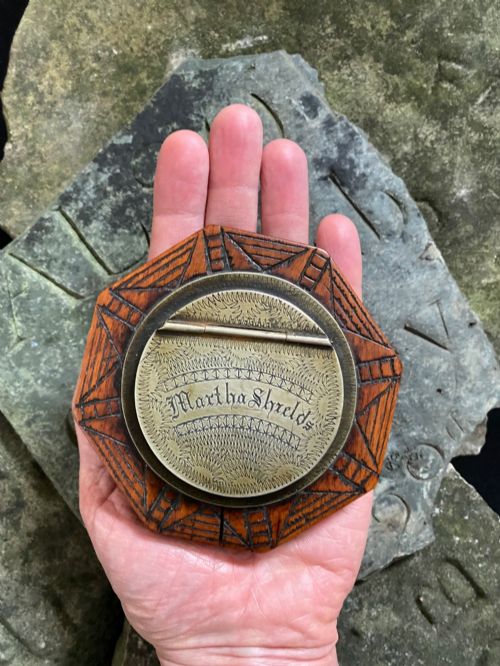
An engraved brass container represents a diverse group of functional objects designed to hold tobacco, snuff, betel nut, or holy water. These items range from pocket-sized receptacles intended for personal use to larger domestic and decorative vessels.
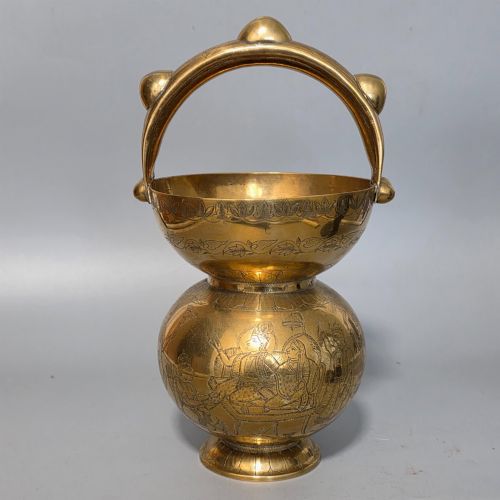
The pieces on this page cross multiple periods, including the eighteenth century, the Victorian era, and the Edwardian period. Formats stretch from European snuff boxes and tobacco tins to Indian betel nut dishes and Jeypore holy water carriers.
Makers utilised diverse regional traditions, resulting in English inscribed boxes, Dutch and German tobacco containers, and Indonesian sireh stands. Each form reflects the specific domestic or ceremonial customs of its origin.
How they were made
Construction relies primarily on brass and copper, sometimes combined with wood, horn, or silver inlay. Artisans shaped sheet metal and cast components to form boxes, vessels, and novelty items like bellows or shoes.
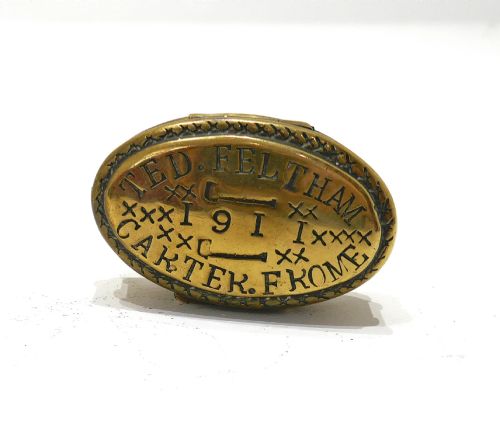
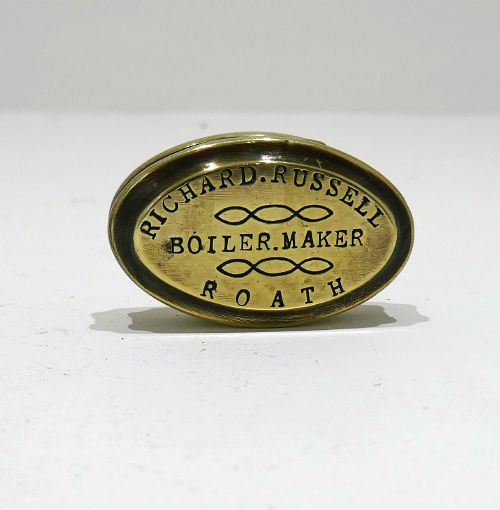
Decoration depends on surface engraving, hand-punching, and chased detailing to record names, inscriptions, dates, and decorative motifs. Certain pieces incorporate applied elements, such as figural finials cast in metal.
Engraved Brass Container Retail Price Guide 2026
Typical asking prices for engraved brass container among the pieces listed under this phrase on Sellingantiques today, from the lower quarter to the upper quarter. They describe what is for sale here now, not the wider market.
Listings incorporate materials beyond plain metal, including horn, wood, and silver inlay.
What varies in quality
Quality rests on the crispness and depth of the engraving, alongside the structural integrity of hinges, lids, and joints. Pieces with personal inscriptions or named historical connections often display sharper individual character than plain production items.
The sophistication of the design work, from folk art execution to structured workshop output like the Jeypore School of Art, dictates the visual standard. Material combinations, such as integrated silver inlay or mixed horn and wood elements, further elevate specific examples.
The Engraved Brass Container Glossary
- Snuff box
- A small container designed to hold powdered tobacco for inhalation. These pocket items frequently feature hinged lids and personalized engravings.
- Kamandal
- A traditional water vessel carried by ascetics or used in Hindu rituals. Examples from the Jeypore School of Art exhibit spherical brass bodies.
- Etui
- A small case used for holding sewing needles, bodkins, and other small accessories. Victorian brass versions organise these implements for portable use.
- Sireh stand
- A vessel or dish used in traditional Indonesian hospitality for holding betel nut components. These items connect to structured social rituals of chewing betel.
- Novelty brass
- Objects cast and formed to resemble familiar items such as shoes or bellows. These entertaining pieces gained popularity during the early twentieth century.
Engraved Brass Container: Frequently Asked Questions
What were brass snuff boxes used for?
These boxes held dry tobacco powder intended for nasal consumption. Owners carried them in pockets or kept them on tables for social use.
Many bear personal inscriptions, dates, or trade references that connect them directly to their original owners.
How do I tell an 18th-century tobacco box apart?
Eighteenth-century examples from Dutch or German workshops typically feature specific rectangular or oval proportions with hinged lids. Their surface decoration relies on dense, hand-engraved historic scenes or heraldic motifs.
Later Victorian and Edwardian boxes often adopt different shapes, such as novelty boots or simpler inscribed pocket formats.
How should I clean an antique brass container?
Antique metalware benefits from minimal intervention to preserve its historic surface appearance and natural tone. Dusting with a soft, dry cloth is usually sufficient for routine maintenance.
Harsh chemical polishes remove age and should be avoided to protect the original engraved lines.
Are these containers safe for daily use?
Most of these pieces function mechanically as they did originally, with operational hinges and secure lids. However, age can make historical closures delicate.
Treating the moving parts with care ensures the longevity of the metal structure.