

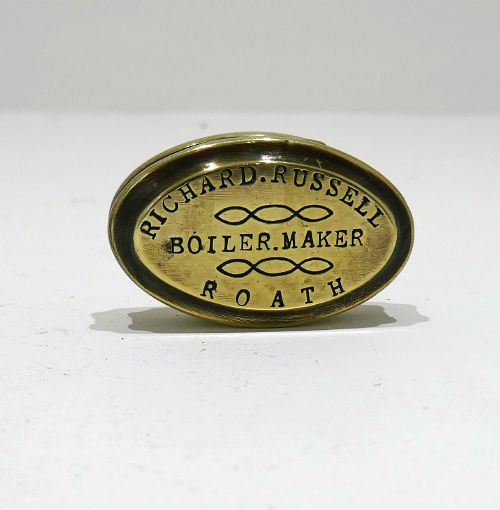


Nineteenth Century Tobacco Box
A nineteenth century tobacco box brings tangible history to your desk, offering miniature artistry forged in horn, brass, and precious metals.
Nineteenth Century Tobacco Box
When you search for a nineteenth century tobacco box, you encounter an array of pocket and table receptacles designed for dried leaf and snuff. The pieces appearing here span Victorian, Georgian, and Edwardian periods, stretching from the late eighteenth century into the early twentieth century.
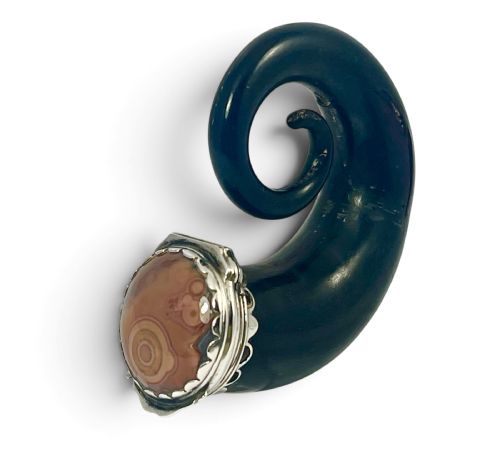
You meet various portable forms alongside larger desk and table containers. These range from Scottish horn mulls and treen fruitwood shuttles to brass pocket boxes, painted tole ware, and walnut humidors.
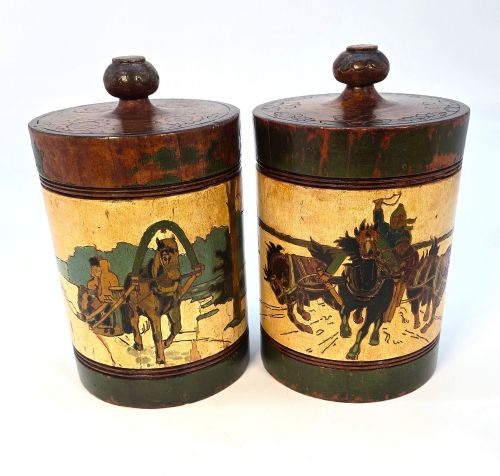
Continental examples appear alongside British works, including Russian folk art containers, German gold pieces, and Dutch brass boxes. The selection favours utilitarian containers elevated by careful carving and metalwork.
Materials and construction methods
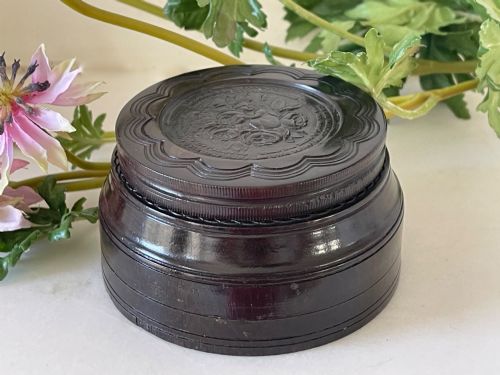
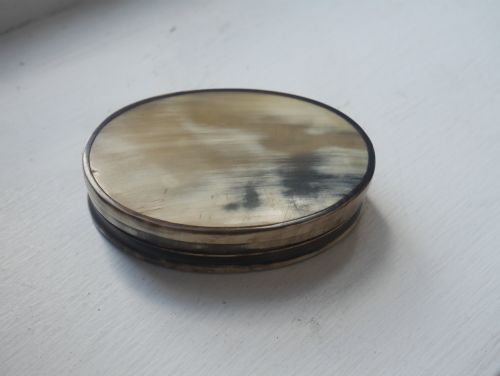
Makers utilised organic materials including horn, tortoiseshell, burr walnut, fruitwood, and hardwood, shaping them through carving, turning, and polishing. Horn mulls often incorporate silver mounts, while treen items like shuttle boxes display bone inlay set into the timber.
Metalworking techniques defined the rigid containers, utilising engraved brass, tole ware with hand-painted surfaces, and solid fourteen-carat gold. Papier-mâché and lacquer provided smooth surfaces suited to detailed miniature portraiture and varnish finishes.
Nineteenth Century Tobacco Box Retail Price Guide 2026
Typical asking prices for nineteenth century tobacco box among the pieces listed under this phrase on Sellingantiques today, from the lower quarter to the upper quarter. They describe what is for sale here now, not the wider market.
Listings feature organic materials such as horn and burr walnut alongside metals including brass, gold, and painted tole ware.
Assessing quality in nineteenth century tobacco box examples
Quality rests upon the crispness of the carving and the fidelity of the engraving, where skilled hands achieved clean lines in stubborn horn or dense hardwood. The depth and warmth of the natural patina accumulated through handling also distinguish superior specimens from plain utilitarian containers.
Refinement of construction details elevates certain pieces, such as tight-fitting hinged lids, well-balanced silver mounts, and intricate bone inlay. Conversely, crude assembly or worn painted decoration places an item lower down the scale of craftsmanship.
Jean Baptiste Isabey
The Nineteenth Century Tobacco Box Glossary
- Snuff mull
- A traditional Scottish pocket container for holding ground tobacco, usually fashioned from ram's horn and often mounted with silver.
- Treen
- Small handmade wooden household objects created by turning on a lathe or through careful hand carving.
- Tole ware
- Sheet metal, typically iron or steel, that has been shaped and finished with opaque tin-lead enamel and hand-painted decoration.
- Humidor
- A specialised storage container designed to keep cigars and tobacco at a regulated humidity level.
- Patina
- The surface sheen and mellowing of colour developed on wood, metal, or horn through decades of handling and exposure to air.
Nineteenth Century Tobacco Box: Frequently Asked Questions
What is a nineteenth century tobacco box?
These pieces are portable or tabletop containers fashioned to hold loose leaf tobacco, cigars, or powdered snuff. Makers used materials such as brass, horn, treen, walnut, and gold to construct them.
They served daily domestic and social functions among smokers and snuff-takers. Today they survive as decorative antiques that display period craftsmanship.
How were these boxes used originally?
Owners carried pocket versions during travel or social gatherings to dispense tobacco or snuff conveniently. Larger table boxes and humidors remained in studies or drawing rooms for communal use.
Opening the hinged lids or sliding fitted covers formed part of polite social rituals. The containers kept the contents protected from moisture and air.
How do I live with a nineteenth century tobacco box?
Display these small boxes on sideboards, desks, or coffee tables where their materials and patinas can be appreciated up close. They require no special installation beyond keeping them away from direct heat sources.
Gentle dusting with a dry cloth maintains the surface. Opening and closing them should be done with care to preserve historic hinges and clasps.
How do I tell different periods apart?
Georgian and early nineteenth-century pieces often feature restrained lines, fruitwood treen, or engraved brass. Victorian items frequently showcase eclectic revival styles, folk art carving, and heavier use of horn or walnut.
Edwardian examples lean towards larger table receptacles with deep patinas. Examining the construction methods and decorative motifs clarifies the era of manufacture.