




Vintage Tobacco Tin
These vintage tobacco tin examples bring practical pocket and counter history to life, offering collectors tangible links to past smoking habits through tactile metal and ceramic containers.
Vintage Tobacco Tin
A vintage tobacco tin search covers a broad spectrum of small receptacles designed to hold leaf, twist, or snuff, ranging from pocket-sized brass containers to large shop storage jars. These pieces emerge from various eras, with domestic and continental examples dominating the selection.
Buyers frequently encounter pocket snuff boxes and hinged metal cases alongside earthenware storage jars from continental tobacconist shops. The range extends from Georgian and Regency brass work down to Art Deco metal boxes and painted tin pieces.
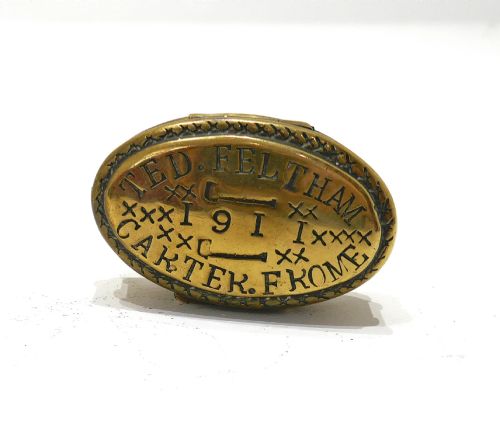
Objects span several centuries of smoking culture, encompassing 18th-century Dutch delft jars, Victorian brass work, and Edwardian silver pieces. Forms vary from simple sheet metal storage tins to intricately engraved pocket boxes bearing personal names.
Materials and construction methods
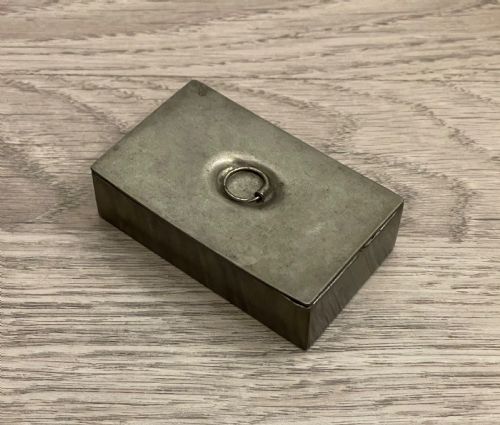
Metals form the core of these containers, utilising brass, copper, pewter, sterling silver, and plated surfaces shaped into hinged boxes and cylindrical jars. Sheet metal and painted tin provide lighter options for pocket use, while tole ware brings hand-painted decoration to iron surfaces.
Ceramic examples rely on earthenware and tin-glazed earthenware, particularly demonstrated in Dutch delft storage jars designed for shop counters. Metalworking techniques involve engraving, piercing, and silver-plating, creating decorated surfaces that survive across generations.
Vintage Tobacco Tin Retail Price Guide 2026
Typical asking prices for vintage tobacco tin among the pieces listed under this phrase on Sellingantiques today, from the lower quarter to the upper quarter. They describe what is for sale here now, not the wider market.
The listings span from the eighteenth century through to the Art Deco era, covering brass, pewter, silver, and tin-glazed earthenware.
Distinctions in craftsmanship and survival
Quality rests upon the crispness of engraving, the structural integrity of hinges on pocket boxes, and the preservation of original hand-painted or delft surfaces. Pieces retaining clear hallmarks, maker marks, or specific historical dates command greater interest.
The choice of material and complexity of decoration separate simple utility vessels from finer examples. Heavy cast brass, substantial silver work, and well-preserved painted tole ware demonstrate higher standards of period manufacture.
Mappin & Webb·Nathaniel Mills
The Vintage Tobacco Tin Glossary
- Snuff Box
- A small pocket container designed to hold powdered tobacco. These typically feature tightly fitted hinged lids to keep the contents dry.
- Tole Ware
- Metalware painted and lacquered, often with floral or pastoral motifs. This technique was widely used on household storage boxes during the nineteenth century.
- Tobacciana
- Antiques and collectibles related to the preparation, consumption, and storage of tobacco. This category includes boxes, jars, pipes, and tampers.
- Delft
- Tin-glazed earthenware originating from the Netherlands and England. These ceramic jars often feature blue and white painted decorations for shop use.
Vintage Tobacco Tin: Frequently Asked Questions
What is a vintage tobacco tin used for?
These containers were originally manufactured to store pipe tobacco, cigars, or snuff while keeping the contents fresh and protected from moisture. Pocket versions allowed users to carry loose leaf while travelling or working.
Today, collectors utilise them as decorative storage objects or display them as examples of historical metalwork and ceramics.
How do I identify an 18th-century tin?
Eighteenth-century examples often display heavy brass or copper construction, sometimes engraved with commemorative scenes or dates relating to specific historical events. The fabrication methods show hand-beaten panels and simple lap joints rather than modern industrial stamping.
Ceramic counterparts from this period typically take the form of tin-glazed delft jars intended for shop display rather than personal pocket use.
Are all these items made of tin?
Despite the common search term, many pieces are actually constructed from brass, copper, pewter, sterling silver, or earthenware. Painted tin and sheet metal appear alongside these heavier materials.
The terminology covers various metals and ceramics used by tobacconists and smokers across multiple centuries.
How should I clean a metal tobacco box?
Metal surfaces benefit from gentle dusting with a soft, dry cloth to remove surface grime. Harsh chemical polishes should be avoided because they can strip away patination and historic finishes.
Preserving the natural age and accumulated wear helps maintain the character and historical integrity of the piece.