

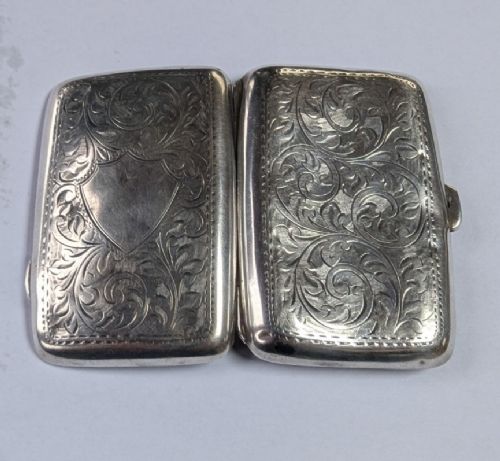
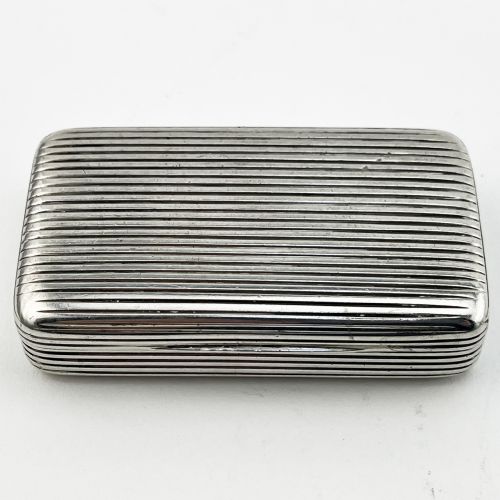


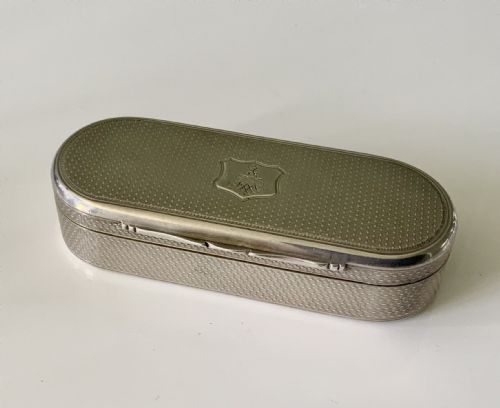


Antique Engraved Tobacco Case
These antique engraved tobacco case examples range from Georgian sterling silver to Victorian pieces, offering pocket-sized craftsmanship for daily carry or display.
Antique Engraved Tobacco Case
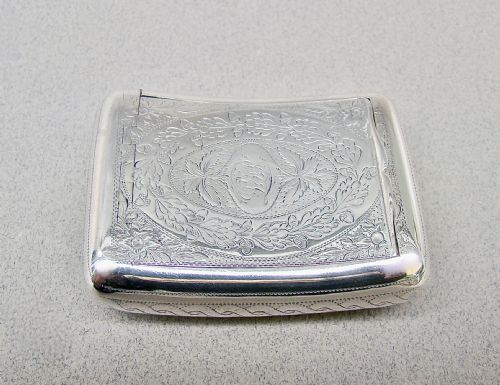
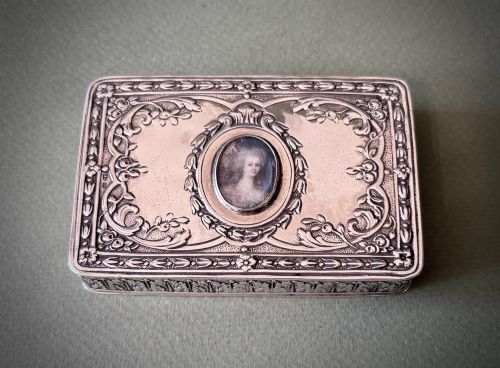
An antique engraved tobacco case groups together small containers designed to hold tobacco, cigars, cheroots, or cigarettes, alongside snuff boxes and combined vesta cases. The pieces catalogued here span periods from the Georgian era through to the mid-twentieth century, with strong representation from Victorian makers.
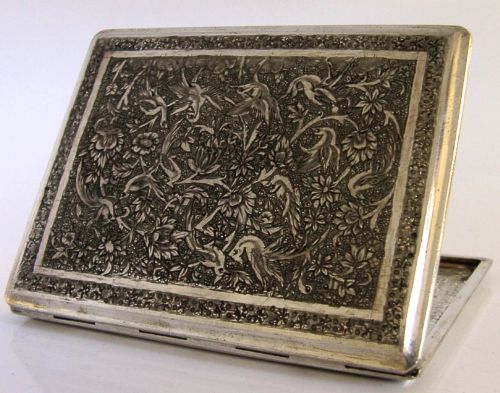
Forms vary according to the specific smoking habit of the period, ranging from curved silver cigarette cases to rigid cigar holders and pocket snuff boxes. Continental, Dutch 19th-century, and Ottoman designs sit alongside English sterling silver examples from London.
Buyers will encounter materials such as sterling silver, solid silver, brass, bronze, mixed metals, and silk, often embellished with detailed engraving, engine turning, or crests. These items served as functional personal accessories that doubled as statements of social standing.
How They Were Made
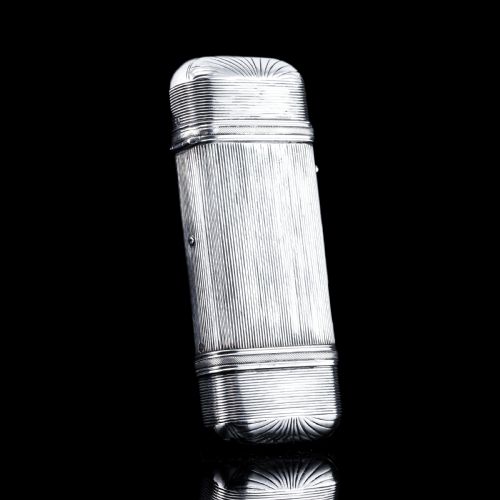
Silversmiths and metalworkers utilised sterling silver, solid silver, brass, and bronze, often applying gilding to the interior surfaces of boxes. Techniques such as engine turning created precise geometric patterns on the metal body.
Hand engraving adorned the exterior surfaces with crests, foliage, and narrative scenes, particularly on Victorian and Dutch 19th-century pieces. Hinges, double compartments, and curved profiles required precise metal fabrication to ensure a secure and flush closure.
Antique Engraved Tobacco Case Retail Price Guide 2026
Typical asking prices for engraved tobacco case among the pieces listed under this phrase on Sellingantiques today, from the lower quarter to the upper quarter. They describe what is for sale here now, not the wider market.
Listings feature items from the Georgian and Victorian eras alongside 20th-century pieces from Russia, Turkey, and China.
What Varies in Quality
The depth, crispness, and clarity of the hand engraving distinguish simpler containers from superior examples, as worn or shallow lines indicate heavy use or hurried production. Crisp engine turning and well-defined crests point to skilled workmanship.
The weight of the metal and the integrity of hinges and closures determine the durability and tactile appeal of each box. Pieces featuring gilt interiors or combined functions, such as integrated vesta compartments, demonstrate higher ambition in design and execution.
Edward Edwards
The Antique Engraved Tobacco Case Glossary
- Sterling silver
- A silver alloy containing 92.5 percent pure silver and 7.5 percent other metals, typically copper. This standard composition provides the durability required for pocket items while maintaining a bright metallic lustre.
- Engine turned
- A decorative technique involving a machine that cuts intricate geometric patterns into metal. This method produces precise, repetitive lines across the surface of a case.
- Vesta case
- A small pocket container designed to hold matches and keep them dry. These often appeared combined with snuff or cigarette compartments in Victorian accessories.
- Gilt
- A thin layer of gold applied to the interior surface of a silver box. This treatment protected the metal from the corrosive properties of tobacco.
- Cheroot
- A cylindrical cigar with both ends cut straight, popular during the nineteenth century. Cases specifically sized for these required rigid construction to prevent the tobacco from crushing.
Antique Engraved Tobacco Case: Frequently Asked Questions
What fits inside an antique tobacco case?
These cases held rolled tobacco products, loose leaf, or snuff depending on their internal configuration and original purpose. Slim metal containers accommodated cigarettes or cheroots, while deeper boxes held snuff or cut tobacco.
Buyers should check the internal dimensions and compartment layouts to understand what each specific container was built to carry.
How do I date a silver tobacco case?
Dating relies on hallmarks stamped into the metal, which indicate the city of assay, the maker's mark, and the year of production. Stylistic clues such as Rococo Revival motifs or Victorian crests also help narrow down the period.
Makers often included date letters that correspond to specific historical records for London and other assay offices.
Can I still use these cases daily?
Many of these silver and metal cases remain structurally sound enough for carrying modern cigarettes, business cards, or small personal items. The hinges and clasps on solid silver pieces were built to withstand regular pocket use.
Owners should handle vintage mechanisms with care and avoid forcing tight lids to preserve the original metalwork and hinges.