


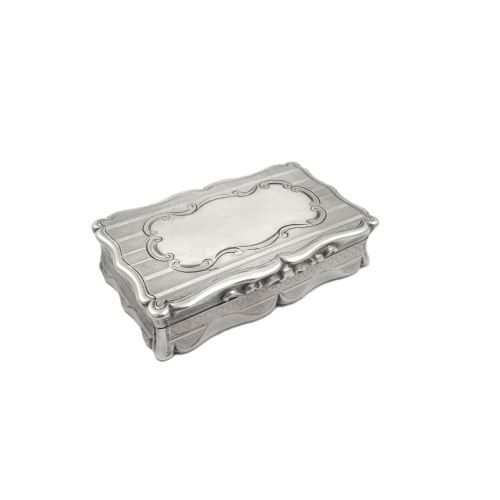
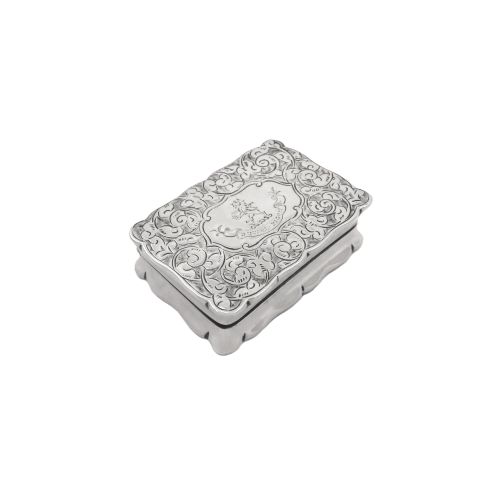

Engraved Tobacco Box
When you handle an engraved tobacco box, you hold a pocket-sized piece of personal history shaped by centuries of smoking customs.
Engraved Tobacco Box
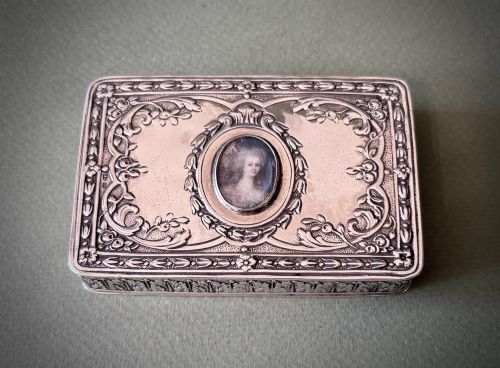
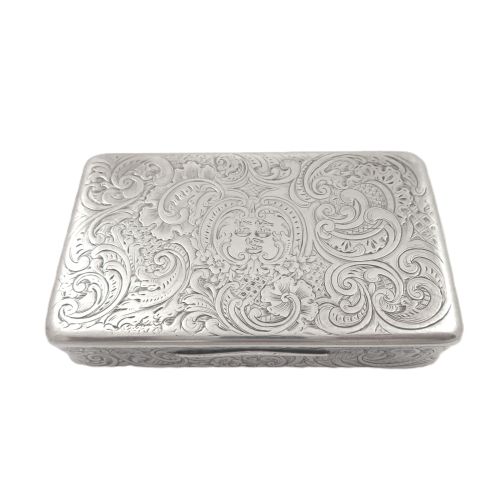
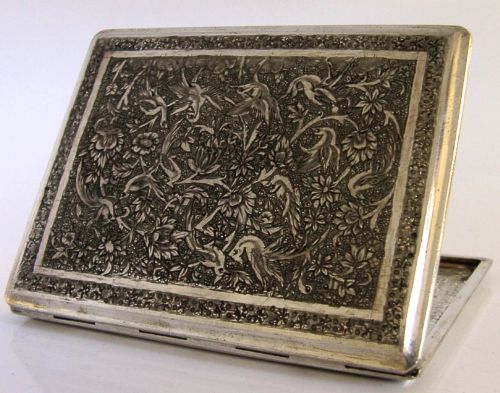
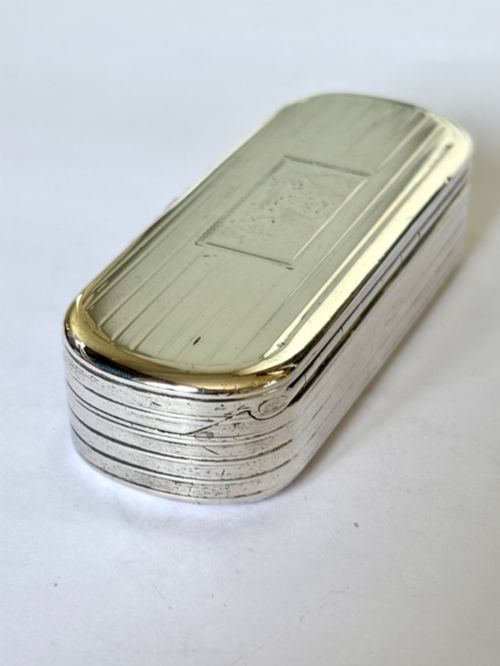
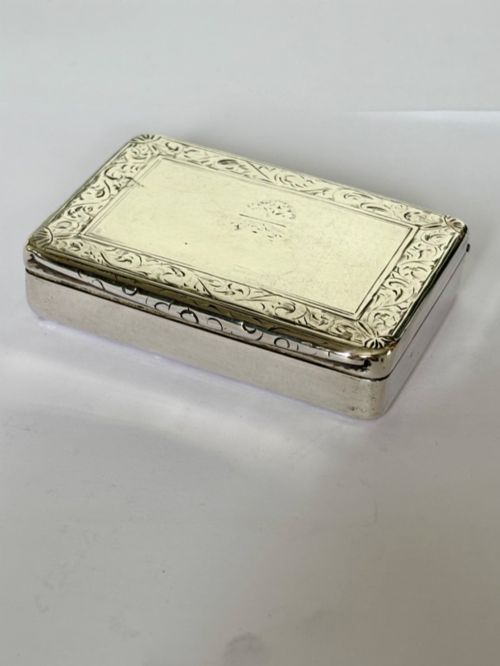
An engraved tobacco box spans small pocket containers and larger receptacles meant for holding leaf or prepared tobacco, often taking the form of snuff boxes, caddies, and cigar cases. On this page, you will most frequently meet sterling silver and brass examples originating from the Georgian and Victorian periods.
The objects listed display diverse stylistic influences, ranging from 18th Century Dutch craftsmanship to Rococo Revival and Ottoman designs. Makers and towns across Britain and continental Europe produced these items for personal use, military presentation, and commemorative purposes.
Materials and Technique
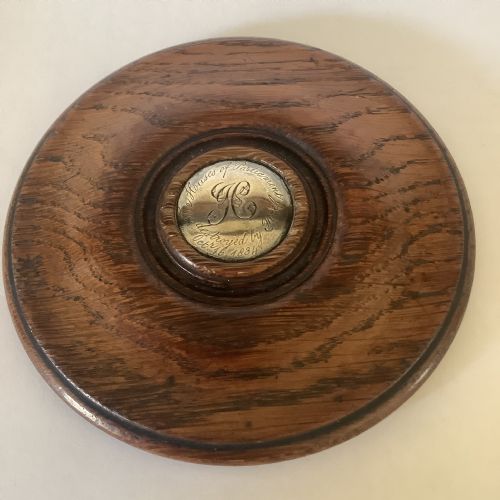
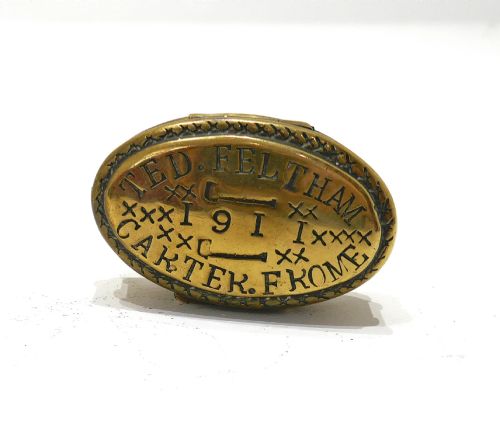
Metals dominate the evidence, with sterling silver, solid silver, and silver-gilt appearing alongside brass and copper. Artisans also worked in 18ct gold, leather, and wood, utilising techniques such as hand-wrought shaping, chasing, and engine turning.
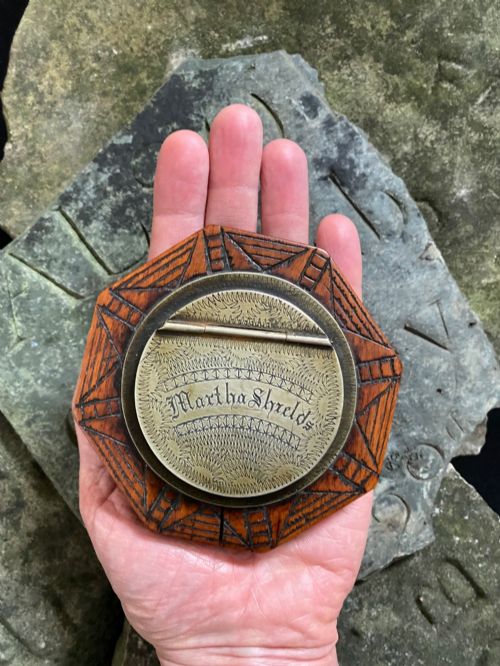
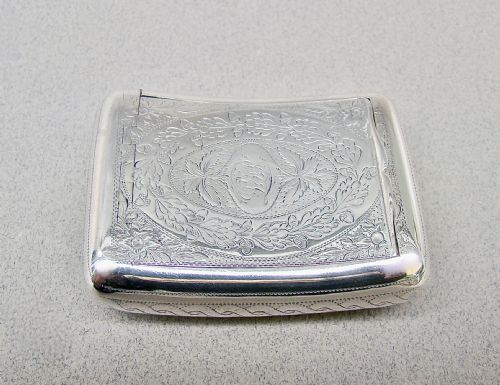
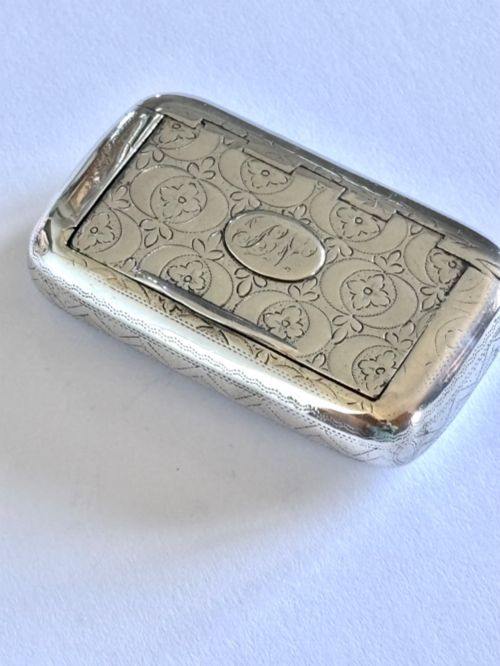
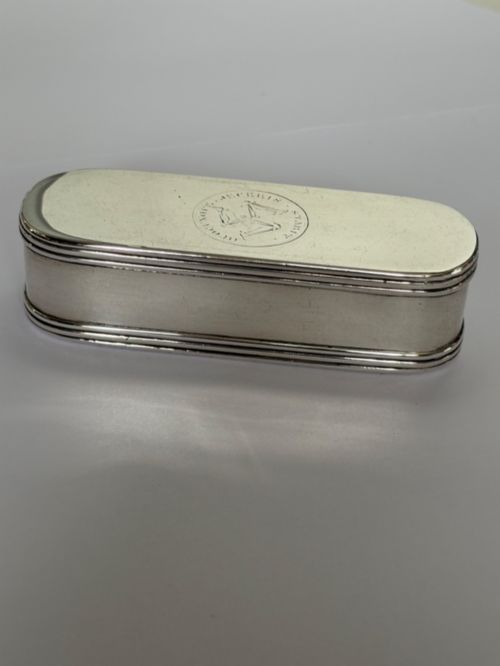
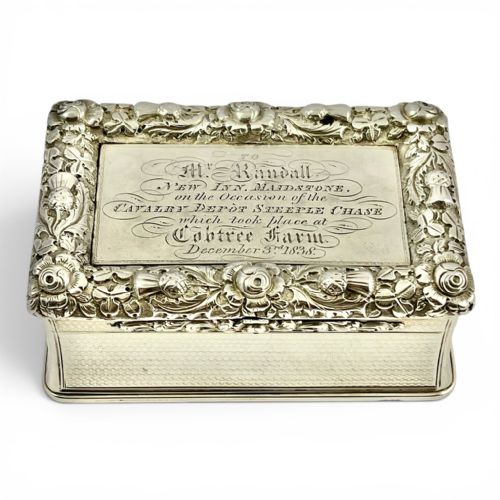
Engraving provides the primary surface decoration, recording names, dates, crests, and battle scenes directly into the metal body. Borders often feature floral chased patterns, while construction relies on secure hinges and close-fitting lids suited for portable use.
Engraved Tobacco Box Retail Price Guide 2026
Typical asking prices for engraved tobacco box among the pieces listed under this phrase on Sellingantiques today, from the lower quarter to the upper quarter. They describe what is for sale here now, not the wider market.
Materials span sterling silver, brass, copper, and 18ct gold, with Georgian and Victorian periods providing the majority of silver examples.
Distinctions in Quality
Quality rests upon the crispness of the hand-engraving and the structural integrity of hinges and closures. Pieces by known makers display superior depth in chased borders and precision in geometric or pictorial designs.
Material weight and purity distinguish standard items from luxury commissions, particularly where silver-gilt or solid gold is employed. The inclusion of specific heraldic crests, military provenance, or named individuals elevates the historical significance of a piece.
Cornelius Bland·Robert Thornton·Edward Smith·Joseph Willmore·Edward Edwards
The Engraved Tobacco Box Glossary
- Silver-gilt
- Silver that has been covered with a thin layer of gold, often applied to the interior of a box to prevent corrosion from tobacco.
- Engine turned
- A mechanical method of engraving geometric patterns into metal surfaces using a lathe.
- Crest
- A heraldic design engraved onto the metal surface, indicating the family or organisation of the original owner.
- Cartouche
- An ornamental frame enclosing an inscription, crest, or engraved name on the lid or base.
- Chased
- Metal decorated by hammering tools from the front to sink the design into the material without cutting it away.
Engraved Tobacco Box: Frequently Asked Questions
What did people keep in these boxes?
These containers held loose tobacco, snuff, or cigars for daily consumption. Sizes varied depending on whether the piece was meant for a pocket or a table.
Smaller examples carried measured doses of snuff or pills, while larger versions accommodated cigars or pipe tobacco for home use.
How do I date an antique box?
Assay office marks, maker's stamps, and date letters stamped into silver provide the most precise indication of origin. Georgian and Victorian pieces frequently carry hallmarks that reveal the exact year and city of manufacture.
Stylistic clues such as floral chased borders or engine-turned patterns also help narrow down the period of production when hallmarks are absent.
Why are some brass boxes Dutch?
Dutch workshops produced significant quantities of engraved brass and copper tobacco tins during the eighteenth century. These items often featured historical scenes or commemorative events and were widely exported.
Collectors prize these brass pieces for their detailed narrative engravings depicting contemporary battles and allegorical subjects.
How should I care for silver boxes?
Silver and brass surfaces require minimal intervention to preserve their historic patinas and delicate engravings. Gentle dusting with a soft cloth prevents the buildup of environmental debris.
Avoid aggressive metal polishes that can wear away crisp hand-engraving and remove the aged character accumulated over centuries.