





Golden Brass Box
A golden brass box brings warmth and utility to a desk, holding letters, cigars, or keepsakes with sturdy craftsmanship.
Golden Brass Box
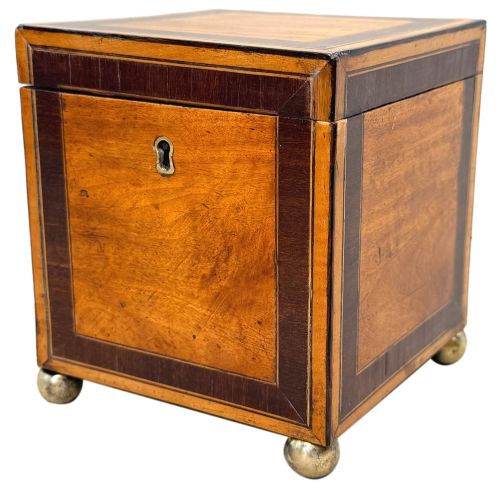
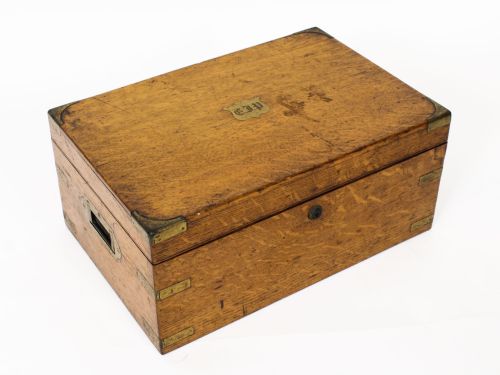
A golden brass box encompasses various desk accessories and storage pieces found on this page, including stationery boxes, writing slopes, and letter boxes. These items emerge primarily from the nineteenth century, spanning the Regency, Victorian, and Edwardian periods.
Buyers will frequently meet pieces fashioned from golden oak, walnut, and camphor wood, frequently reinforced with brass mounts and banding. Such containers served country houses, offices, and studies, holding correspondence, documents, and personal valuables.
Materials and Technique
Cabinet makers utilised dense hardwoods such as oak, satinwood, and walnut for the primary structure, often selecting figured grains for visual depth. Brass fixtures, handles, and banding provided structural reinforcement and decorative contrast.
Joinery techniques included dovetailing and meticulous fitting of internal partitions, slopes, and secret drawers. Lock mechanisms, such as those by Bramah, were integrated directly into the timber framework to secure contents.
Golden Brass Box Retail Price Guide 2026
Typical asking prices for golden brass box among the pieces listed under this phrase on Sellingantiques today, from the lower quarter to the upper quarter. They describe what is for sale here now, not the wider market.
Gradations in Standard
The standard of a golden brass box depends on the selection of timber grain, the weight and finish of the metal mounts, and the complexity of the internal fittings. Dense figured timbers and heavy brass hardware distinguish finer examples from simpler utilitarian containers.
Execution of internal details, such as secret drawers, secret compartments, and original locks with functional keys, separates standard production boxes from superior commissioned pieces.
Rodman and Co of Belfast
The Golden Brass Box Glossary
- Writing Slope
- A portable desk with a hinged, slanted writing surface that opens to reveal internal compartments for paper, ink, and pens. These slope downwards towards the user for comfortable writing.
- Stationery Box
- A desk tidy designed to hold writing paper and envelopes upright in tiered slots, often featuring a fall front or a lid.
- Campaign
- Furniture designed to dismantle or travel easily, characterised by recessed brass handles, corner brackets, and solid timber construction for military officers.
- Tantalus
- A locking drink cabinet holding decanters securely visible behind a frame of wood and metal, preventing unauthorized access without a key.
- Humidor
- A lined box designed to store cigars at a stable humidity, frequently constructed from woods like oak and fitted with secure closures.
Golden Brass Box: Frequently Asked Questions
What fits inside a stationery box?
Stationery boxes contain vertical dividers designed for envelopes, writing paper, and correspondence cards. Many include small compartments for stamps, sealing wax, and pens.
Larger variations accommodate ledgers and documents, serving as tidy desk organizers for country houses and offices.
How do writing slopes work?
Writing slopes open along a central hinge to form a slanted writing surface covered in leather or velvet. The interior houses inkwells, pen trays, and hidden compartments.
When closed, the sloping box becomes a compact lockable chest suitable for travel or desk storage.
Are brass mounts original to the wood?
Brass mounts on nineteenth century boxes were integrated during initial construction to reinforce corners, edges, and lids against heavy daily use. They range from flush campaign straps to ornate decorative hinges.
Original mounts match the wear patination of the surrounding timber and utilise period slot head screws.
How are Victorian and Edwardian boxes distinguished?
Victorian boxes from the nineteenth century often display heavier brass banding, rich figured walnut, or robust campaign styling. They emphasise functional security and solid wood construction.
Edwardian pieces tend toward lighter golden oak frames, simpler letter boxes, and domestic country house desk accessories dating from around nineteen hundred.