


19th Century Botanical Illustration
These 19th century botanical illustration pieces bring scientific observation into domestic rooms through hand-coloured watercolours and detailed engravings.
19th Century Botanical Illustration
A 19th century botanical illustration captures plants, flowers, and natural history specimens across paper through watercolour, ink, and lithography. Buyers find framed artwork, wall art, and prints spanning the Regency and Victorian periods.
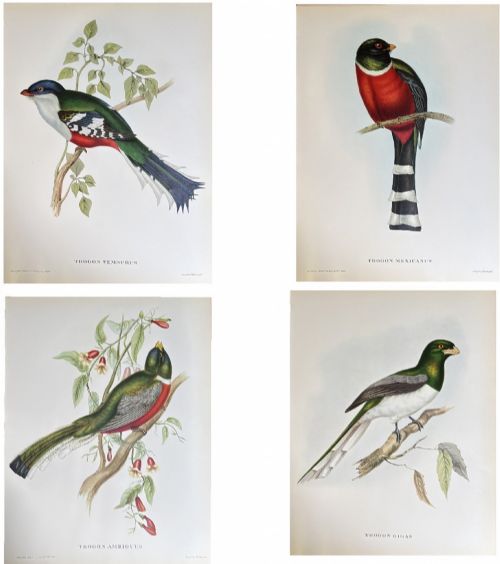
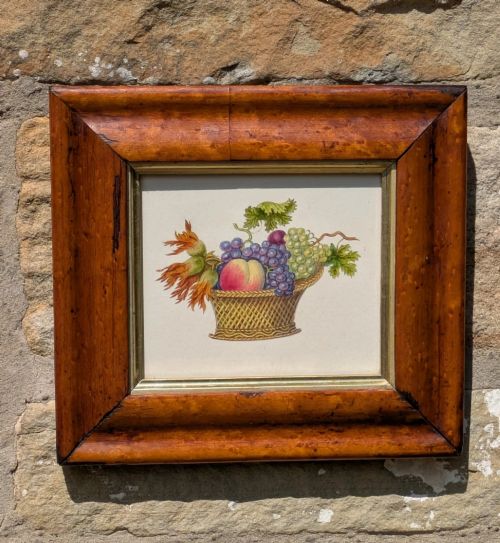
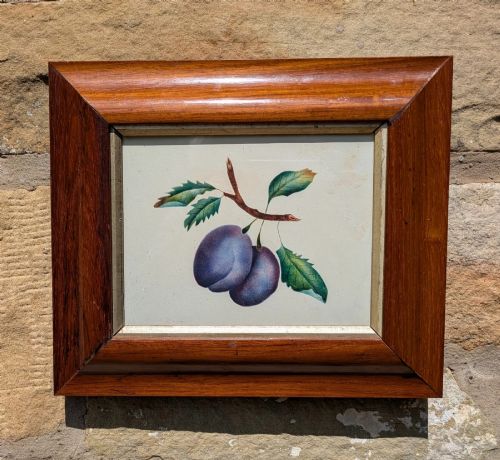
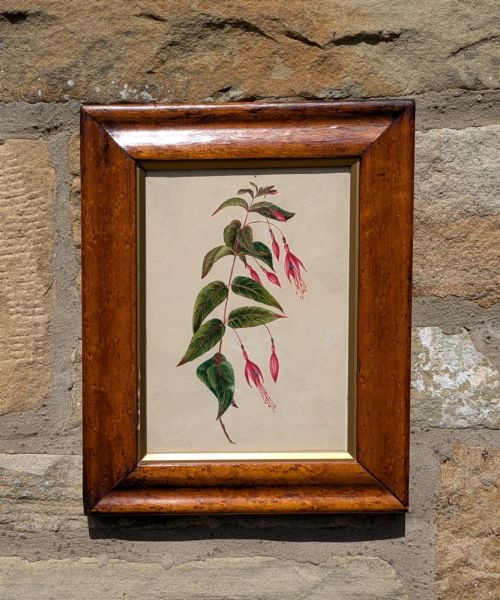
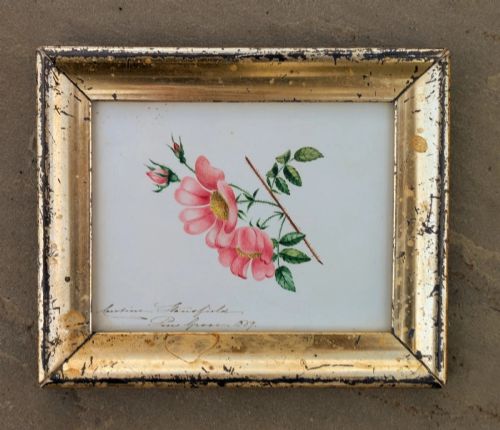
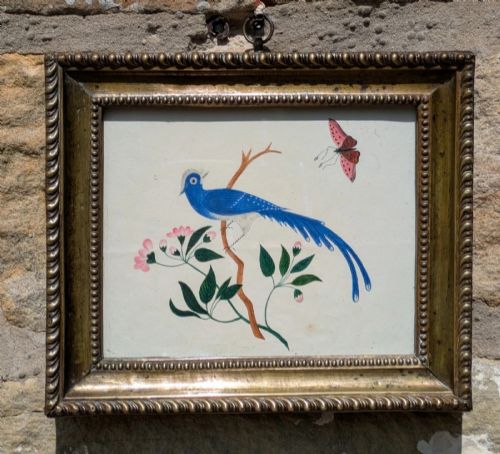
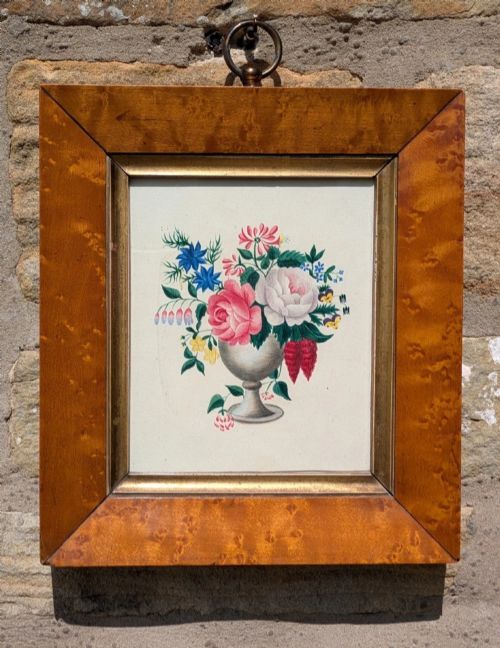
The selection ranges from individual watercolours of plums, fuchsias, and roses to series of engravings depicting birds, butterflies, and foliage. Many items record specific studies by named artists and regional English schools.
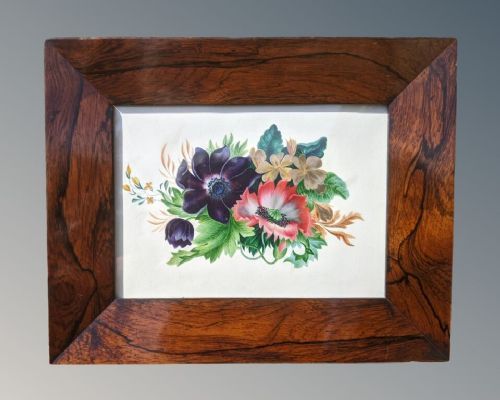
Most examples sit within traditional frames of wood or gilt wood, often preserved behind glass. These pieces reflect a nineteenth-century passion for natural history and decorative botanical recording.
How they were made
Artists and illustrators worked primarily on paper using watercolour, gouache, and pencil to capture fine botanical and ornithological details. Engravings and lithographs were frequently hand-coloured afterwards to add vivid tones to the printed line.
Finished works were housed in timber surrounds, utilising rosewood frames or gilt wood moulding to complement the delicate hues of the artwork. Protective glazing with glass preserved the fragile paper and water-soluble pigments from atmospheric damage.
19th Century Botanical Illustration Retail Price Guide 2026
Typical asking prices for 19th century botanical illustration among the pieces listed under this phrase on Sellingantiques today, from the lower quarter to the upper quarter. They describe what is for sale here now, not the wider market.
Several botanical plates record precise botanical anomalies, capturing curious insect interactions alongside the foliage.
What varies in quality
The precision of the draftsmanship and the subtlety of the hand-colouring separate standard decorative plates from superior works. Finer examples display meticulous botanical accuracy alongside well-preserved pigments that retain their original strength.
The integrity of the framing materials also influences the piece, with original rosewood or gilt wood frames adding considerable character. Condition of the paper itself, free from heavy foxing or fading, dictates the overall standing of the work.
Oliver Goldsmith·Henrietta Creswell·William Andrews Nesfield·William Hough·Pancrace Bessa·John Curtis·Annie Mary Youngman·William Swainson·John Sherrin
The 19th Century Botanical Illustration Glossary
- Lithography
- A planographic printing method using a stone or metal plate to produce multiple impressions on paper. This technique enabled the wide circulation of detailed natural history plates in the nineteenth century.
- Gouache
- An opaque water-based paint composed of pigment, water, and a binding agent such as gum. It provides solid, rich colour blocks in botanical studies.
- Engraving
- A printmaking process where an image is incised into a metal plate with a burin. The resulting lines hold ink to transfer fine linear details onto paper.
- Foxing
- Brown spots and discolouration that appear on old paper due to chemical reactions over time. It is a common occurrence in nineteenth-century book plates and watercolours.
- Gilt wood
- Wood that has been coated with a thin layer of gold leaf or gold paint. Frames treated this way offer a bright, reflective border to the artwork within.
19th Century Botanical Illustration: Frequently Asked Questions
How should I hang these framed prints?
Keep them away from direct sunlight to prevent the watercolour pigments and coloured inks from fading over time. Direct heat sources should also be avoided to protect the fragile paper and timber frames.
Grouping smaller studies together creates a balanced display on a wall. Ensure secure fixings are used, especially for heavier wooden or gilt frames.
Are these works original paintings or prints?
The category includes both original watercolours painted directly onto paper and printed works such as engravings and lithographs. Many of the printed items feature hand-applied watercolour washes added after the printing process.
Checking the surface texture with a magnifying glass helps distinguish between brushstrokes and printed ink lines. Descriptions specify whether an item is a unique painting or part of a published series.
How do I care for antique paper artwork?
Maintain a stable room temperature and low humidity to prevent mould growth and foxing spots on the paper. Glass fronts protect the surface from dust and accidental touching.
When cleaning the surrounding frame, use a dry cloth and avoid spraying liquids near the edge of the glass. Professional framing with acid-free backing materials helps preserve the paper for the future.
What subjects are common in these illustrations?
Botanical subjects include roses, fuchsias, pelargoniums, plums, and various floral still life arrangements. Zoological subjects feature tropical birds, butterflies, shells, and ornithological studies.
园艺 and garden views, such as Kew Gardens or architectural kiosk designs, also appear within the selection. These themes reflect nineteenth-century scientific curiosity and interior decoration tastes.