


Victorian Botanical Wall Art
Victorian botanical wall art brings the detailed study of flora and fauna into interior spaces through period watercolours, oils, and engravings.
Victorian Botanical Wall Art
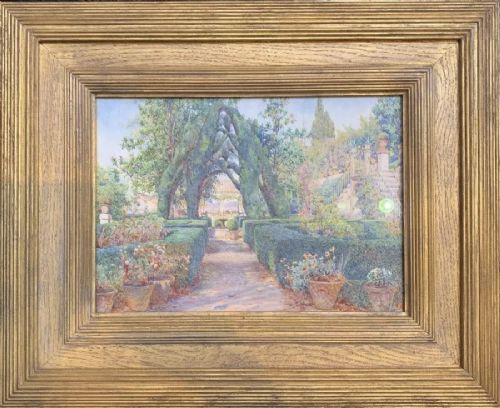
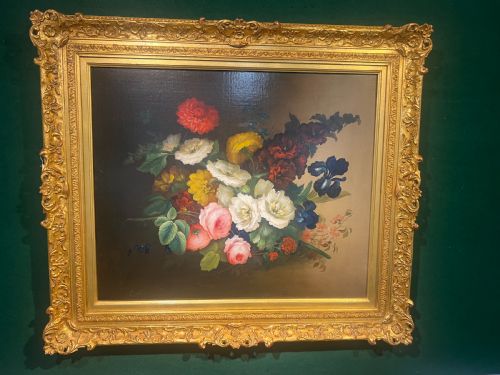
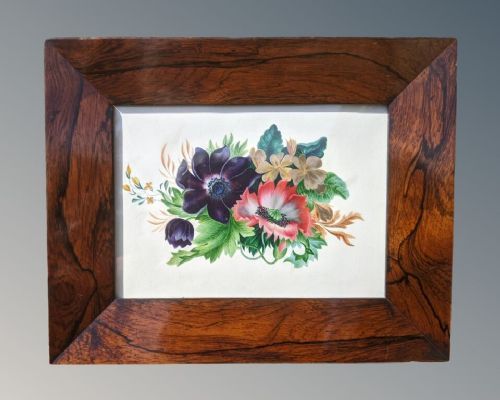
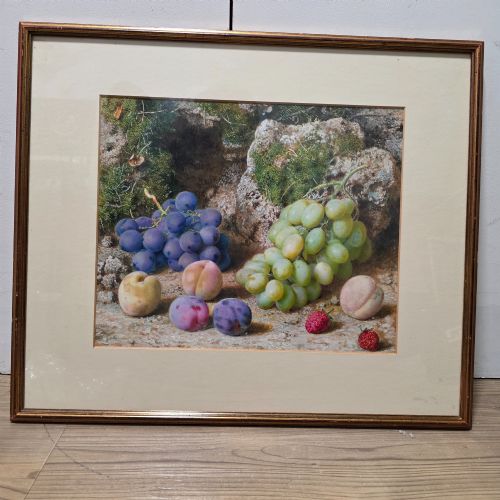
When searching for victorian botanical wall art, buyers encounter a variety of nineteenth-century depictions focussing on flowers, birds, and natural specimens. These pieces range from detailed watercolours and hand-coloured engravings to oil paintings on canvas and panel.
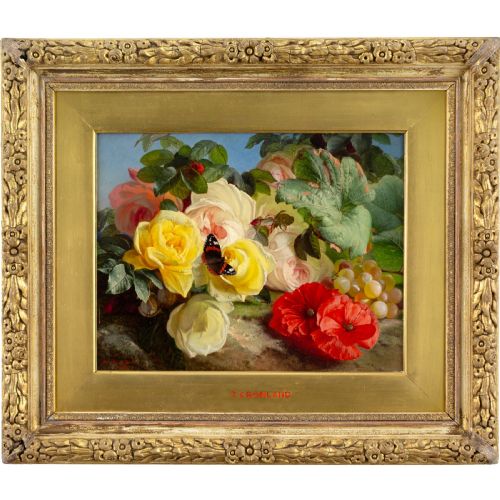
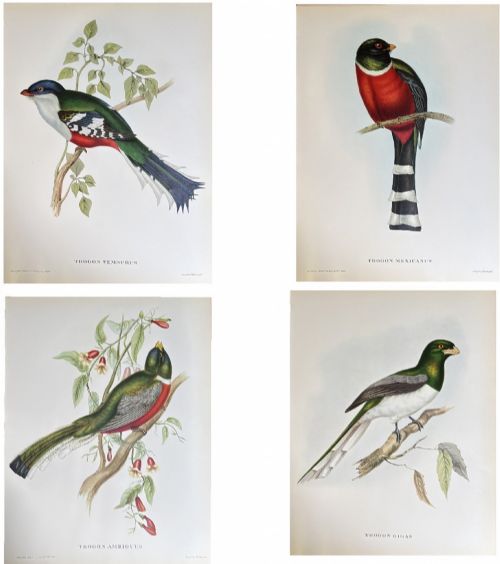
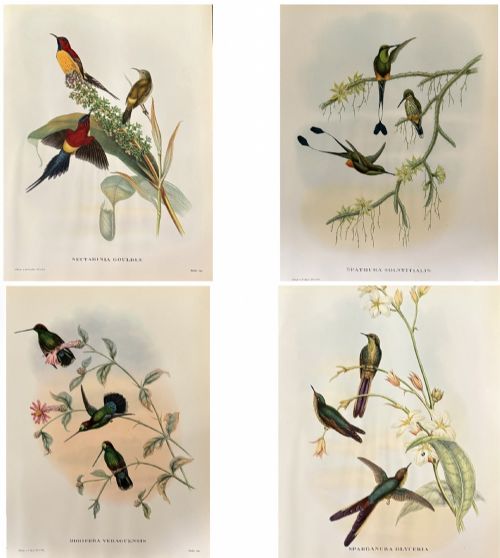
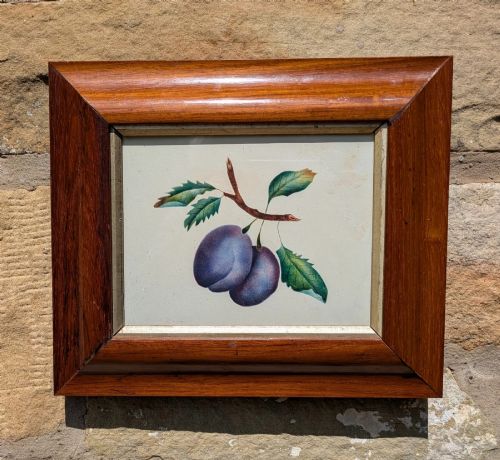
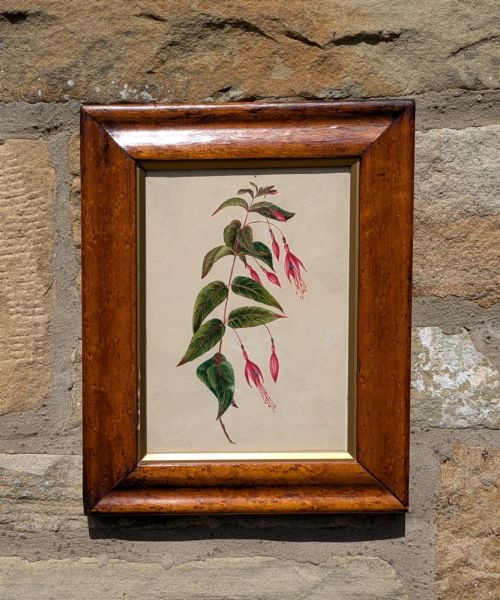
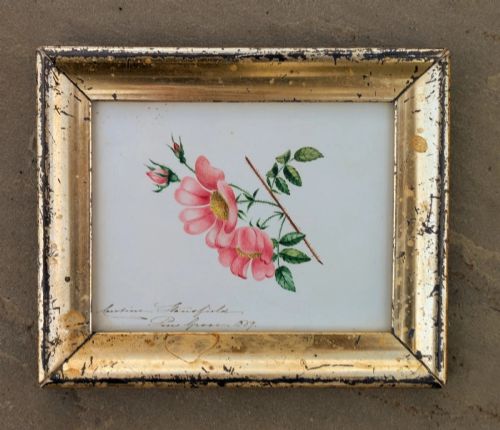
The selection on this page frequently includes nineteenth-century watercolours of garden flowers alongside framed prints and engravings by natural history illustrators. Makers and artists from the period document roses, fruit, and tropical birds with precise observation.
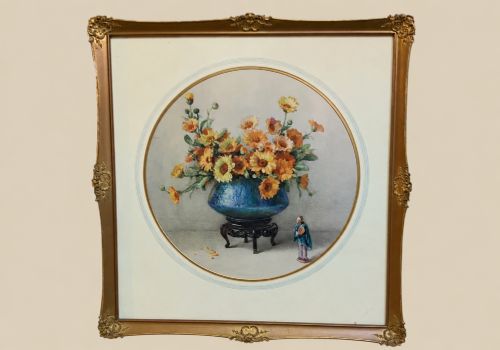
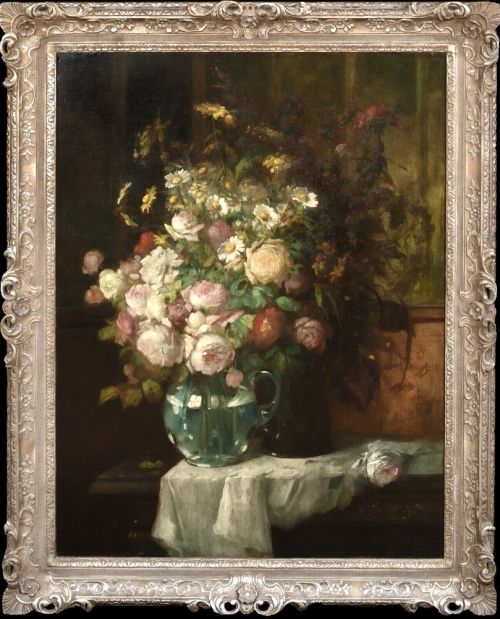
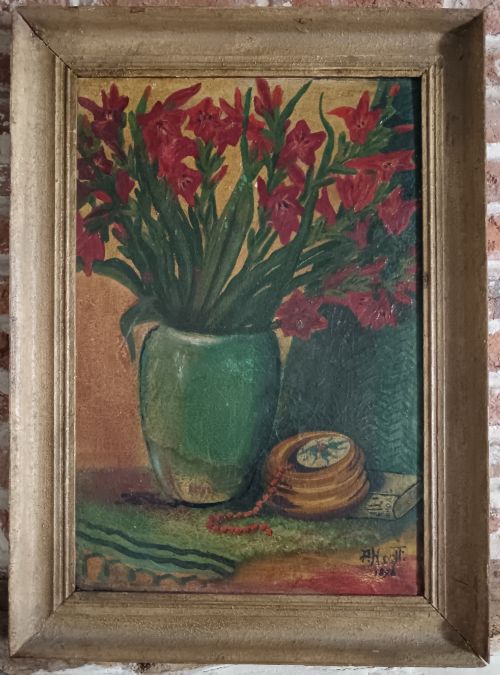
Subjects stretch beyond simple floral studies to incorporate still life arrangements featuring vases, Chinese objects, and garden settings. Examples span the nineteenth century into the early twentieth century, reflecting shifting tastes in naturalism and illustration.
Materials and techniques
Artisans and artists worked primarily with paper, canvas, and wood panels, applying watercolours, oil paints, or inks to capture botanical subjects. Many prints received careful hand-colouring to enhance the scientific and decorative detail of shells, birds, and insects.
Framing materials reflect the period aesthetic, utilising rosewood, gilt wood, and carved oak frames to house the paintings, embroideries, and herbarium specimens. These traditional mounting techniques preserve delicate paper and textile works over generations.
Listings feature works spanning from the nineteenth century through the 1950s, executed in oil, watercolour, embroidery, and engraved print.
Quality variations
Quality in these pieces depends on the precision of the draughtsmanship and the artist's ability to render natural forms with anatomical or botanical accuracy. Skilled handling of medium, whether the transparency of watercolour or the depth of oil paint, elevates an ordinary study to a notable work.
The condition of the paper, canvas, or frame also dictates standing, with well-preserved examples retaining their original pigments and framing without extensive restoration. Attribution to a recorded artist or naturalist adds significant weight to a piece.
Theude Grönland·Konstantin Stoitzner·Ernest Arthur Rowe·Edwin Steele·John Sherrin·Oliver Goldsmith·Gertrude Hayes·Henrietta Creswell·Vincent Clare·William Andrews Nesfield·William Hough·Edith Barrow·Grace Hastie·Jabez Bligh·Arthur Wardle·James Stuart Park·John Curtis
The Victorian Botanical Wall Art Glossary
- Engraving
- A printmaking technique where an image is incised into a metal plate, allowing multiple detailed impressions on paper. These sheets were often hand-coloured for botanical publications.
- Lithography
- A planographic printing method based on the repulsion of oil and water, widely used in the nineteenth century for producing coloured bird and plant plates.
- Herbarium
- A collection of preserved plant specimens scientifically arranged and studied. Folk art examples mount these dried specimens within decorative frames.
- Still life
- A painting or drawing depicting inanimate subject matter, typically commonplace objects such as flowers, fruit, or vessels.
- Watercolour
- A paint consisting of pigment suspended in a water-based solution, favoured for its translucent qualities in botanical illustration.
Victorian Botanical Wall Art: Frequently Asked Questions
How should I hang botanical watercolours?
Protect delicate watercolours from direct sunlight by placing them on interior walls away from harsh windows. Direct light fades the pigments on paper over time.
Group smaller framed prints or watercolours together in symmetrical arrangements to create a gallery wall effect that mirrors historical displays.
What is the difference between an engraving and a painting?
Engravings are printed multiples created from a carved plate and frequently hand-coloured afterwards. They often originate from scientific publications or natural history volumes.
Paintings are unique hand-executed works using oil or watercolour directly onto canvas, paper, or wood panels by the artist's hand.
How do I care for antique paper art?
Keep paper-based art in stable humidity conditions to prevent foxing and mould growth. Sudden environmental shifts damage delicate nineteenth-century paper.
Ensure framing uses acid-free backing materials to protect the paper from chemical degradation over the years.
Were these pieces meant for science or decoration?
Many works originated as scientific documentation for natural history texts, recording species with precise botanical accuracy. Naturalists and publishers produced detailed plates for study and reference.
Over time, these plates and framed watercolours transitioned into domestic decoration, valued for their aesthetic appeal as much as their scientific merit.