

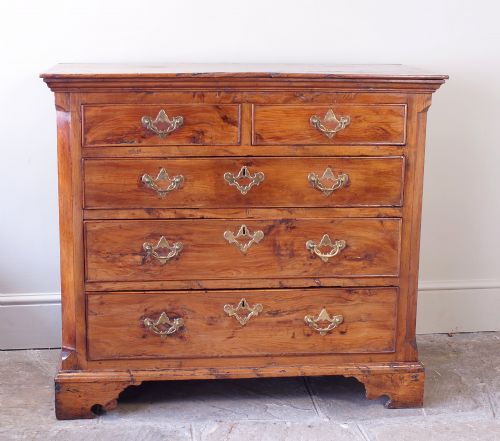


18th Century Yew Furniture
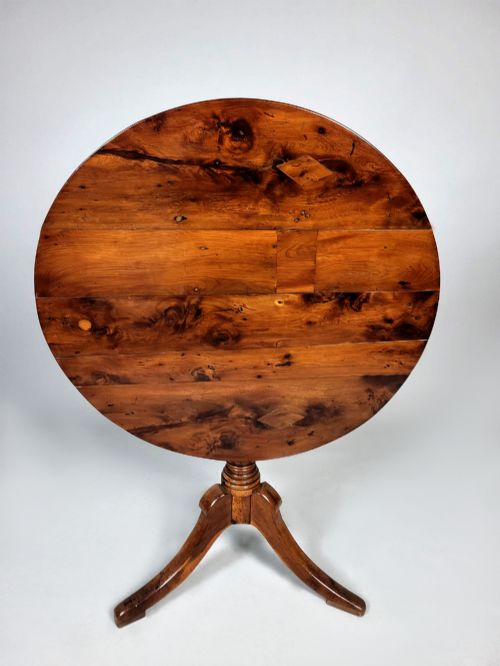
These pieces of 18th century yew furniture offer rich grain and deep colour, drawing collectors who value character in domestic timber.
18th Century Yew Furniture
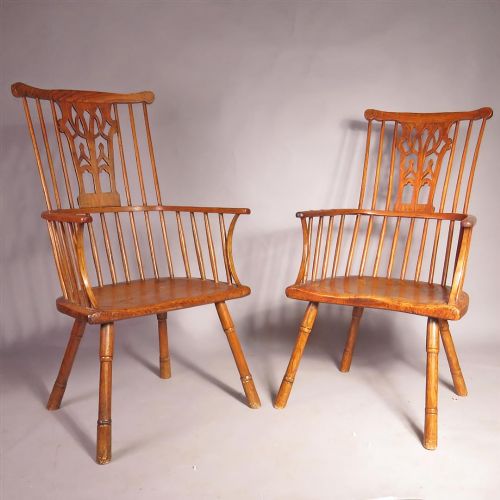
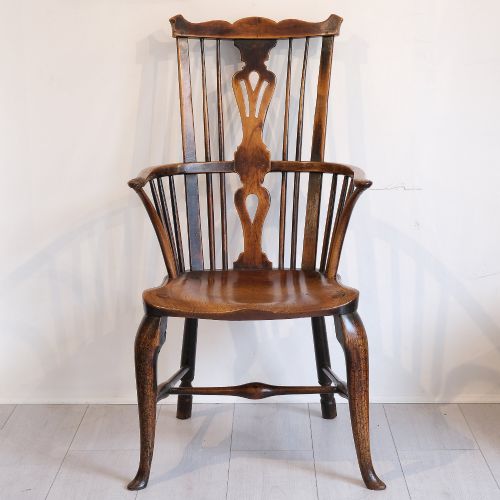
When you search for 18th century yew furniture, you encounter a specialised selection of domestic items made during the Georgian era. These pieces range from seating such as Windsor chairs to case furniture like bureaux, chests of drawers, and corner cabinets.
The most common forms on this page include country-made seating alongside more formal veneered items from the George II and George III periods. Makers often combined yew with elm, ash, and fruitwood, particularly in vernacular Windsor armchairs.
Origins span English country workshops as well as regional variations like Irish standing cupboards and occasional French pieces. Each item reflects the distinctive figuring of the timber, whether solid or applied as veneer.
How they were made
Cabinet makers and country joiners utilised solid yew alongside burr yew veneers to highlight the dramatic natural grain of the wood. Secondary timbers such as elm and ash frequently form the seats and structural frames of Windsor chairs.
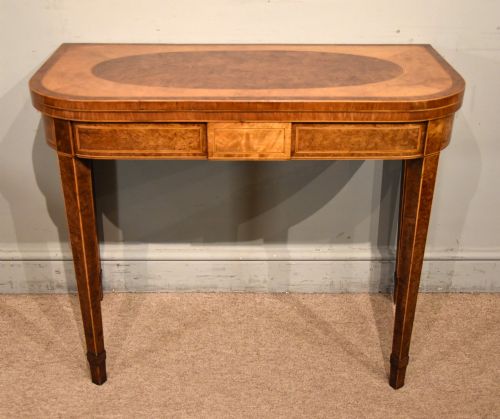
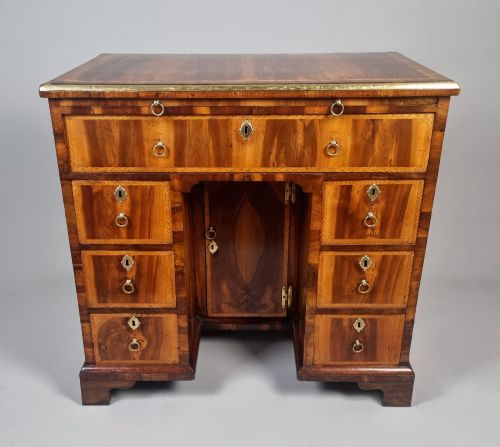
Techniques varied from intricate featherbanding and veneering on high-status kneehole desks and commodes to simple turned spindles on comb back and stick back chairs. Iron and brass fittings completed the construction of drawers and tables.
Listings feature periods spanning the eighteenth and nineteenth centuries, incorporating Georgian and vernacular styles executed in yew, elm, and burr yew.
What varies in quality
The visual depth of the grain and the selection of burr yew veneer set finer case pieces apart from plain utilitarian items. High-status desks and tables display careful timber matching and period brasses that enhance the overall proportion.
In seating, quality rests upon the complexity of the spindle turnings, the preservation of the comb back structure, and the harmonious integration of mixed timbers like fruitwood and laburnum.
Allsop Worksop
The 18th Century Yew Furniture Glossary
- Burr yew
- A growth on the tree producing highly figured, swirling grain patterns. Cabinet makers utilised this timber as a decorative veneer on tabletops and drawer fronts.
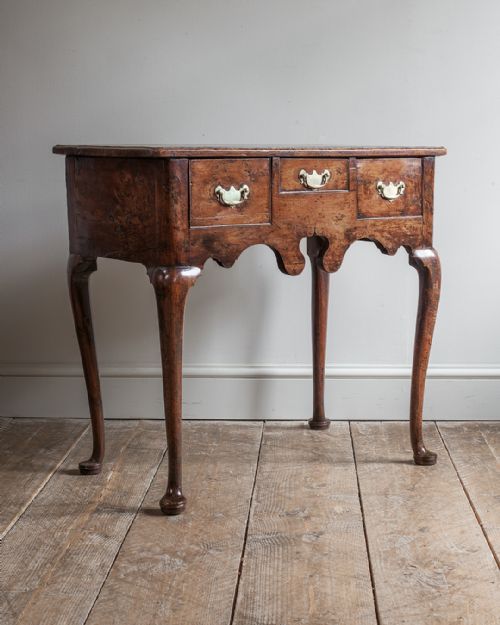
- Lowboy
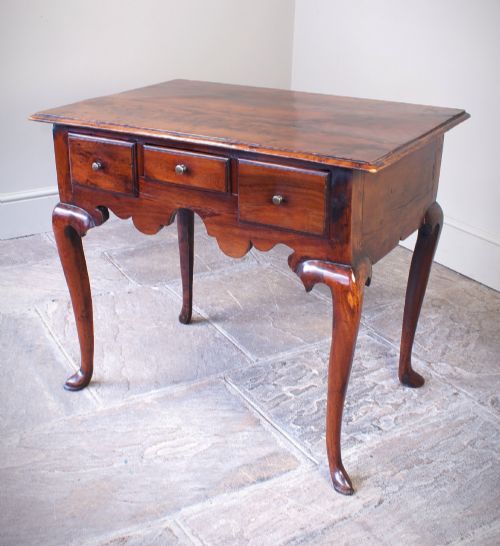
- A small side table featuring one or more rows of drawers, supported on four legs. These tables served various domestic purposes in Georgian chambers.
- Windsor chair
- A traditional seating form characterised by a solid wooden seat into which the legs and back spindles are directly inserted. Regional variants include comb backs and high backs.
- Featherbanding
- A decorative inlay technique using small strips of veneer laid in a herringbone pattern around the edges of drawer fronts or tabletops.
- Gateleg table
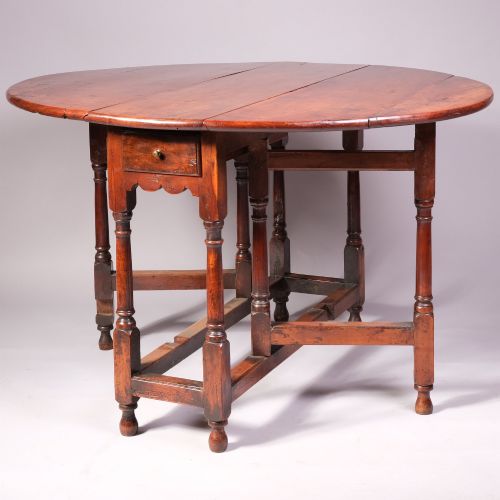
- A drop-leaf table with hinged legs that swing out to support the extended leaves. This form allows the table to fold down when not in use.
18th Century Yew Furniture: Frequently Asked Questions
What is yew wood like?
Yew is a dense softwood with a high oil content, known for its warm tones and complex grain patterns. It ranges from pale golden brown to deep reddish hues.
Over centuries of exposure, the timber develops a rich patina that enhances the natural figuring seen on tabletops and drawer fronts.
How do I date a Windsor chair?
Dating relies on construction details, turning styles, and the combination of woods used in the frame. Early examples often feature comb backs and multi-wood construction.
Later nineteenth-century pieces display different spindle arrangements and heavier proportions compared to their eighteenth-century predecessors.
Where were these items made?
Production took place across English regional workshops, country joineries, and specialised urban cabinet makers. Regional centres developed distinct vernacular styles.
Evidence also points to Irish and continental workshops producing specialised furniture forms in yew and allied timbers.