


18th Century Wooden Box
An 18th century wooden box provides compact, sturdy storage that carries the honest grain of centuries past.
18th Century Wooden Box
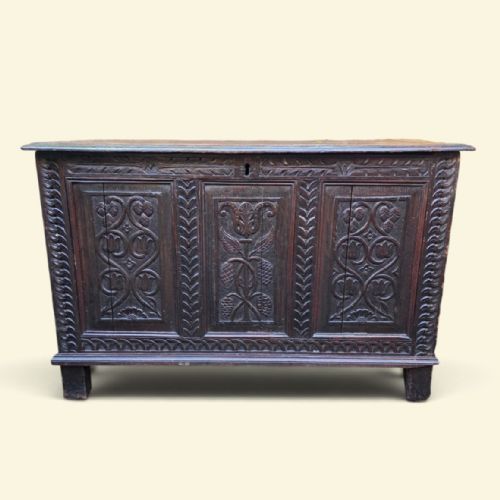
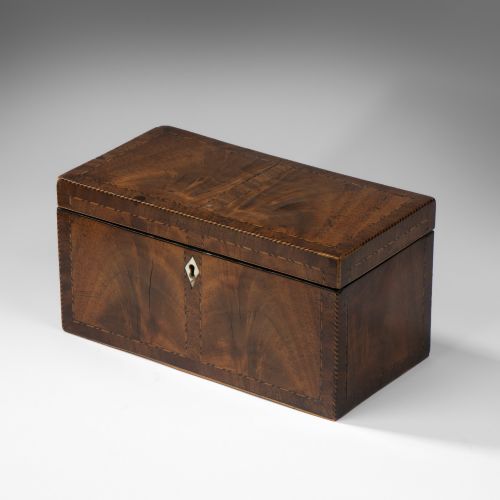
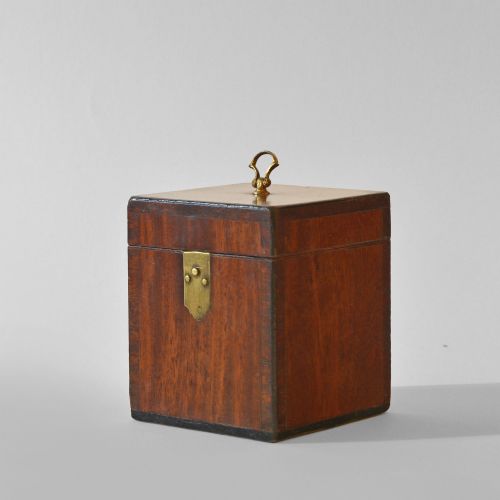
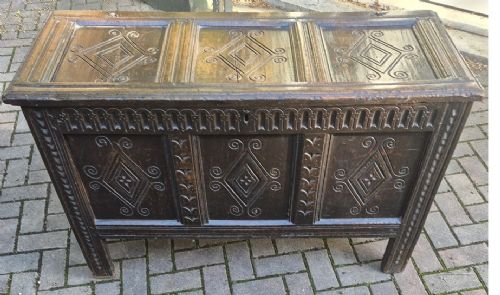
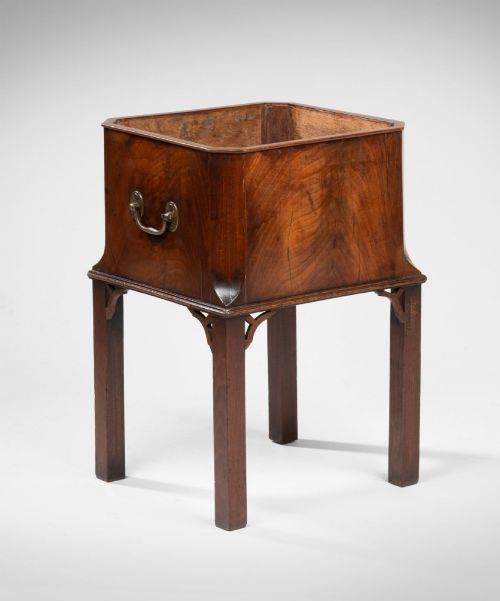
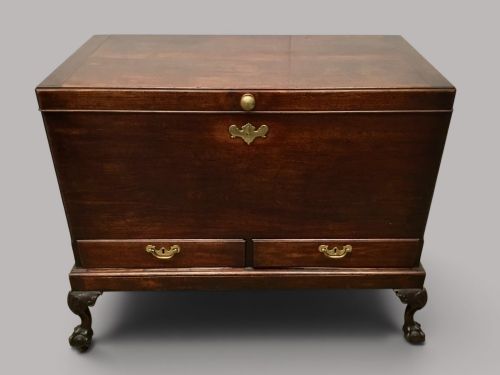
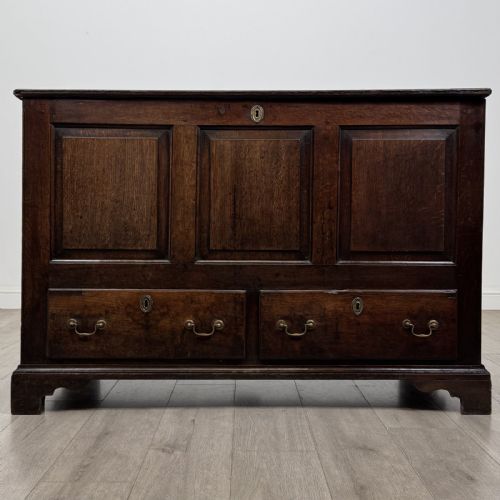
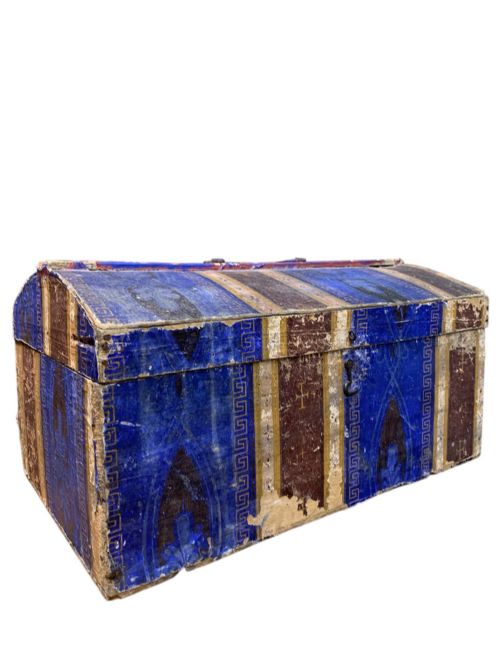
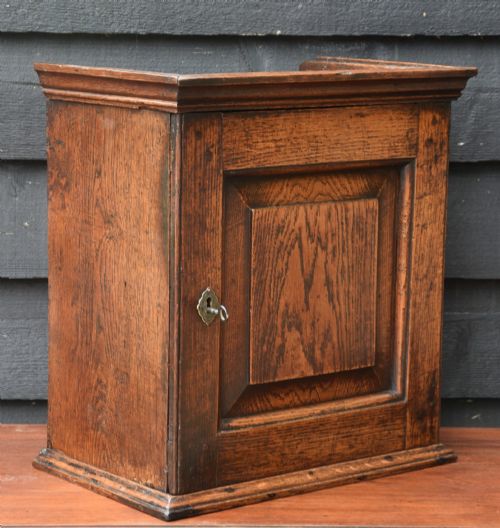
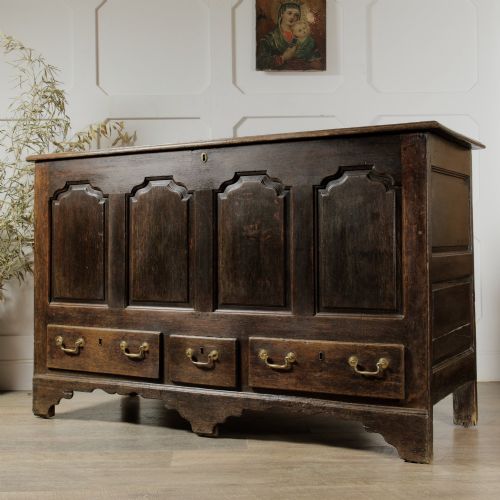
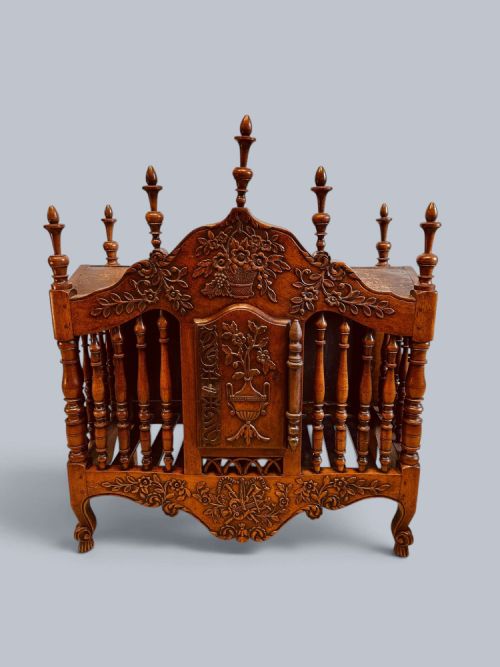
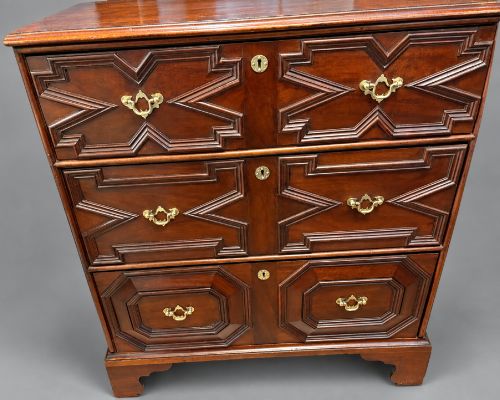
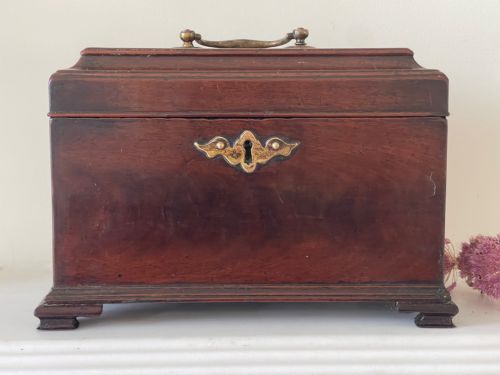
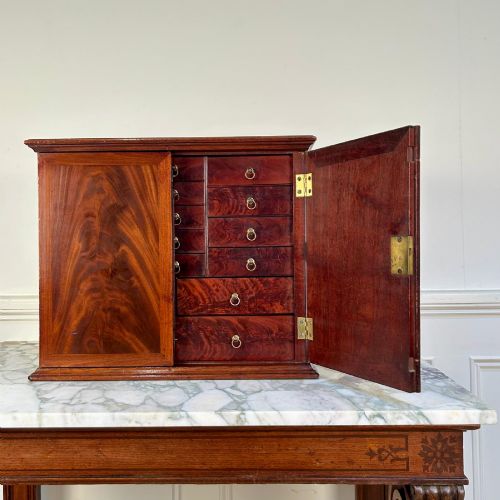
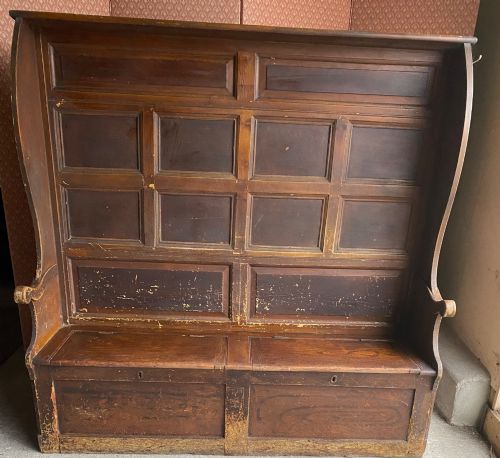
An 18th century wooden box encompasses a diverse range of utilitarian and domestic receptacles, from small document containers and tea caddies to larger coffers, trunks, and mule chests. These pieces served practical household needs, holding valuables, dry goods, correspondence, and textiles in domestic interiors.
How they were made
Makers utilised solid timbers such as oak, mahogany, elm, walnut, and satinwood, often constructing bodies with pegged joints, dovetails, or panelled framing to withstand heavy daily use. Decorative enrichment relied on natural grain patterns, crossbanding, inlay, or carved surface details.
Metal components such as brass carrying handles, iron strapwork hinges, and brass escutcheons provided structural reinforcement and security. Secondary woods like ash or pine frequently appeared in internal partitions and drawer linings.
18th Century Wooden Box Retail Price Guide 2026
Typical asking prices for 18th century wooden box among the pieces listed under this phrase on Sellingantiques today, from the lower quarter to the upper quarter. They describe what is for sale here now, not the wider market.
Secret compartments in document boxes remind us that ancestors loved hiding their spare keys just as much as we do.
What varies in quality
The calibre of an 18th century wooden box rests upon the selection of timber and the precision of its joinery. Superior examples display carefully chosen face veneers, tight dovetailing, and intact original hardware rather than replaced hinges or handles.
Proportion and surface preservation distinguish the finer specimens from simpler utility pieces. Retaining an original rich patina, uncompromised internal compartments, and crisp carved or inlaid details elevates the standing of any box or chest.
The 18th Century Wooden Box Glossary
- Coffer
- A large wooden chest used traditionally for storing valuables or household goods. These heavy receptacles frequently feature robust panelled construction.
- Mule chest
- A storage chest fitted with one or more drawers at the base beneath the main compartment. This form bridges the traditional coffer and the modern chest of drawers.
- Tea caddy
- A specialised small box designed to store tea leaves securely under lock and key. Examples from the period often incorporate internal lidded canisters and delicate veneer work.
- Crossbanding
- A decorative border technique where thin strips of veneer are laid across the grain of the primary wood. This method frames the lid or drawer fronts of finer Georgian boxes.
- Treen
- Small handmade wooden household objects created by turners using a lathe. These functional items range from spice towers to small domestic containers.
18th Century Wooden Box: Frequently Asked Questions
What woods appear most often?
Oak and mahogany form the foundation of the majority of these listings, reflecting regional availability and the preferences of Georgian cabinet makers.
Other timbers such as elm, walnut, satinwood, and exotic padouk appear in specific regional styles and finer decorative pieces.
How do I distinguish regional vernacular styles?
Regional pieces often display construction methods and decorative motifs specific to their geographic origins, such as Welsh oak framing or Scandinavian folk art painting.
Examining the secondary woods and traditional joinery techniques helps identify whether a piece originated in English provincial workshops or continental Europe.
How do I care for an old wooden box?
Maintain these pieces in stable indoor environments away from direct heat sources and strong sunlight to prevent timber shrinkage and veneer lifting.
Applying occasional conservative applications of appropriate wax preserves the historic surface patina without harming the original finish.