


18th Century Tea Bowl
An 18th century tea bowl is a small, handleless vessel designed for drinking infused leaves during the Georgian period.
18th Century Tea Bowl
An 18th century tea bowl represents a domestic drinking vessel produced during a period when tea drinking developed into an established social ritual. These pieces arrive from English factories and Chinese export kilns, reflecting global trade patterns of the Georgian era.
The English examples on this page stem predominantly from Worcester, Lowestoft, and Derby, frequently accompanied by matching saucers. Chinese porcelain pieces from the Kangxi and Qianlong periods also appear, showcasing painted decoration suited to European tastes.
How They Were Made
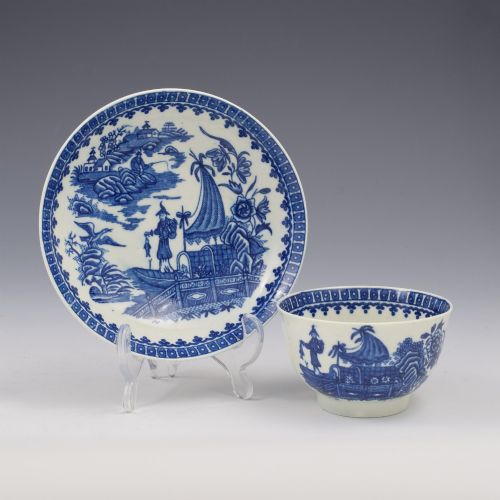
Potters utilised hard-paste porcelain, soft-paste porcelain, and creamware pottery to form the bodies of these vessels. Cobalt glaze applied under the glaze creates durable blue and white designs across many domestic English and export specimens.
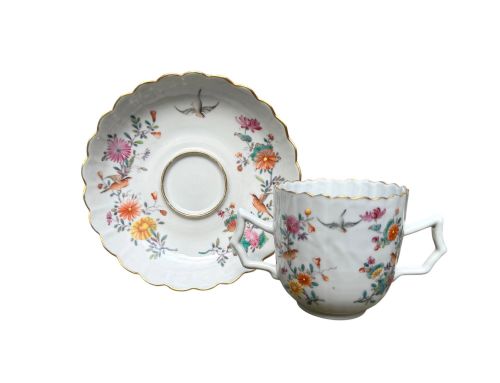
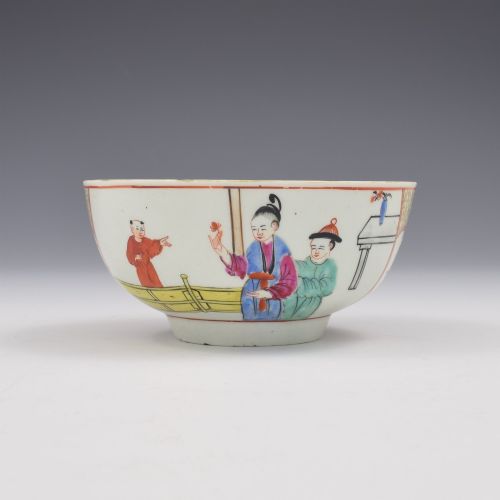
Enamel painting, gilding, and gold leaf were added in overglaze enamels, sometimes requiring a second firing in the kiln. Moulded fluting and painted motifs such as mandarin palettes, florals, and Chinese figures completed the surface decoration.
18th Century Tea Bowl Retail Price Guide 2026
Typical asking prices for 18th century tea bowl among the pieces listed under this phrase on Sellingantiques today, from the lower quarter to the upper quarter. They describe what is for sale here now, not the wider market.
What Varies in Quality
The distinction between tiers rests upon the precision of the throwing and the skill of the brushwork. Early factory pieces with hand-pencilled cobalt or intricate enamel scenes demonstrate superior artistic execution compared to standard production wares.
Control during the firing process dictates the crispness of the glaze and the absence of kiln distortion in the delicate walls of the vessel. The prestige of specific decorators and named factory periods elevates certain examples above standard domestic output.
Dr Wall Worcester·Lowestoft Porcelain·Derby Porcelain·James Giles
The 18th Century Tea Bowl Glossary
- Soft-paste porcelain
- A ceramic composition containing glass frit and white clay, fired at lower temperatures than hard-paste porcelain. This body type yields a warm, slightly creamy translucency typical of many English factories.
- Mandarin palette
- A polychrome enamel decoration scheme depicting Chinese figures in domestic or garden settings. This style gained popularity on export porcelain during the reign of Qianlong.
- Slop bowl
- A larger matching vessel used during tea service to discard spent tea leaves and dregs. These bowls form part of larger porcelain trios and services.
- Imari
- A decorative style employing underglaze blue combined with iron red, green, and gilding. Originating in Japan, this aesthetic was widely copied by European and Chinese export potteries.
- Flight Period
- A phase in the history of the Worcester porcelain factory spanning the late eighteenth century. Pieces from this era often carry specific factory marks associated with the Flight proprietorship.
18th Century Tea Bowl: Frequently Asked Questions
Did people use handles on tea bowls?
Traditional tea bowls manufactured during the eighteenth century were produced entirely without handles. Drinkers held the small porcelain or pottery vessels directly in the hands to enjoy the warmth of the tea.
As the century progressed, the introduction of saucers provided a stable resting place and a secondary vessel for cooling hot liquids. Cups with handles gradually superseded the handleless bowl toward the end of the Georgian era.
How do I identify a Worcester tea bowl?
Worcester pieces often display distinctive blue and white painted patterns, moulded fluting, or transfer-printed designs. Many specimens feature crescent marks or square seal marks hidden underneath the base.
Factory bodies range from early soft-paste porcelain with warm translucency to later Flight period porcelain marked by refined gilding.
What is Chinese export porcelain?
Chinese export porcelain comprises ceramics manufactured in China specifically for European and American markets. Kilns produced these items to suit Western dining habits, incorporating European shapes alongside traditional motifs.
These wares arrived via trading companies during the Qing Dynasty, featuring famille rose enamels and intricate hand-painted scenes.
How were tea bowls used in the Georgian home?
Tea bowls formed the central component of formal tea ceremonies hosted in the parlours of the Georgian gentry. Servants or hosts brewed high-status tea inside matching teapots before pouring the liquor into the bowls.
The matching saucers held the tea while it cooled, and slop bowls received the unwanted leaves between infusions.