

18th Century Storage Chest
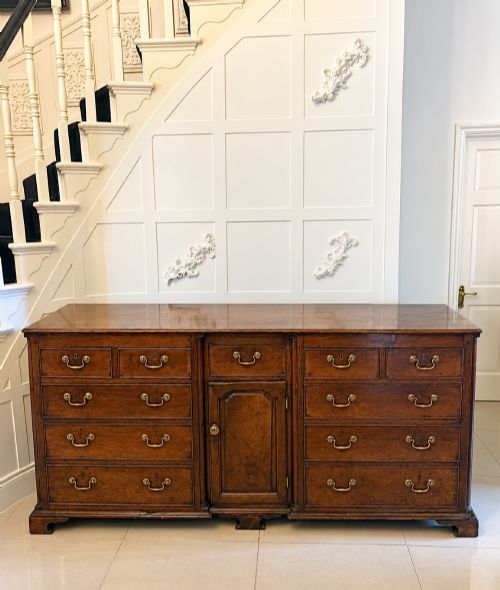
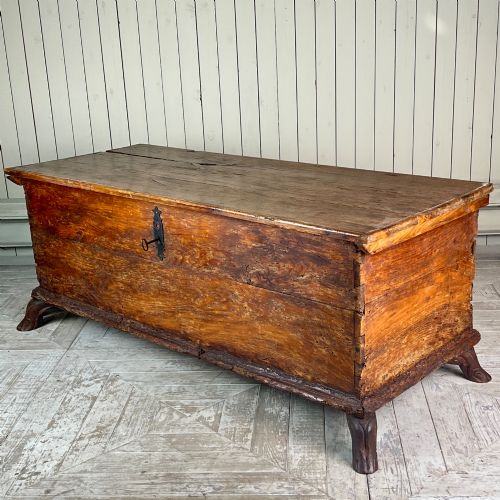
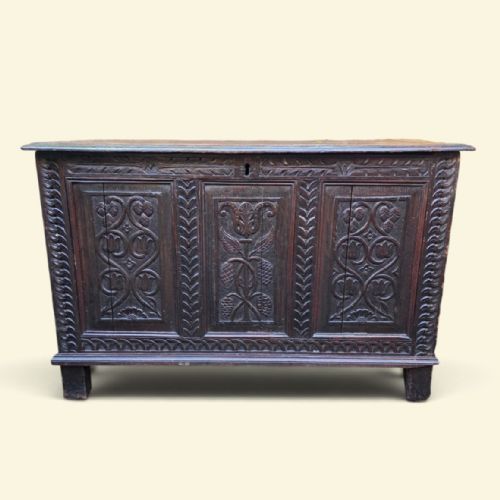
An 18th century storage chest provides robust utility and timeless domestic presence, uniting period craftsmanship with practical storage.
18th Century Storage Chest
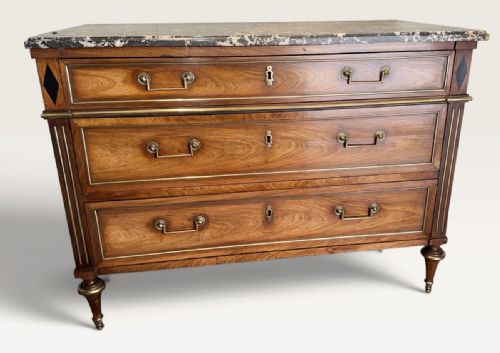
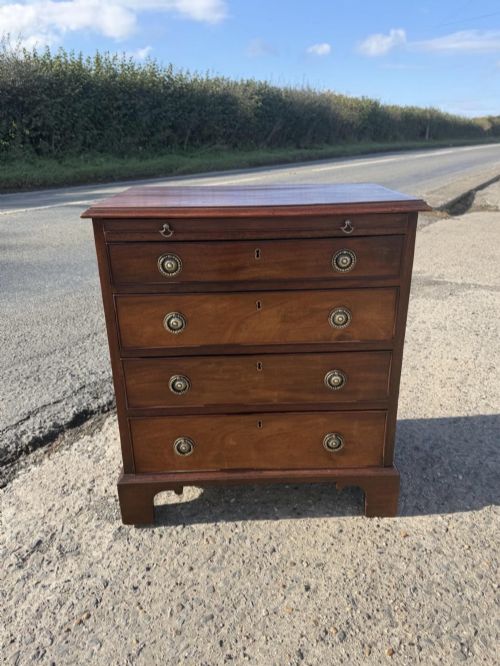
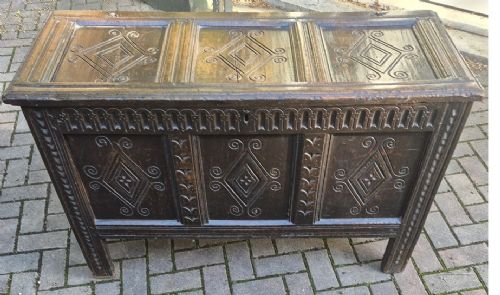
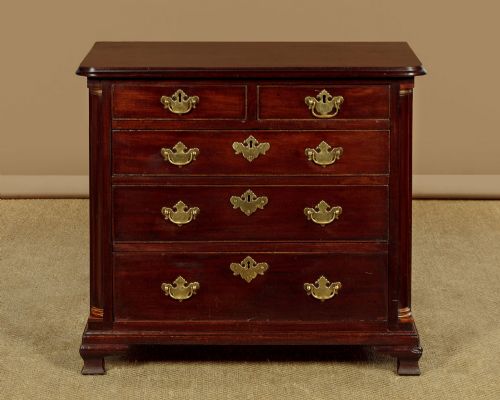
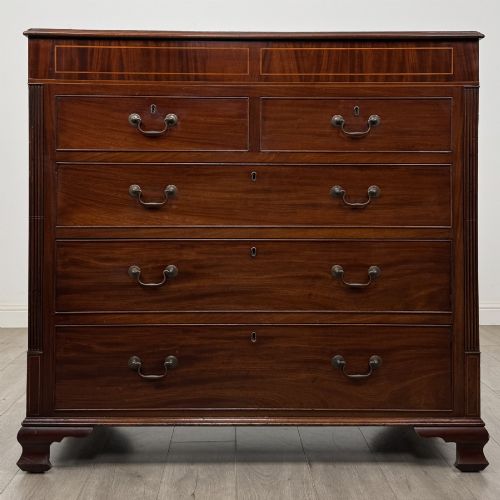
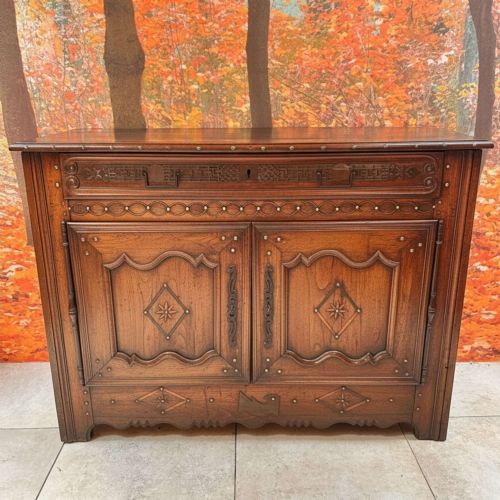
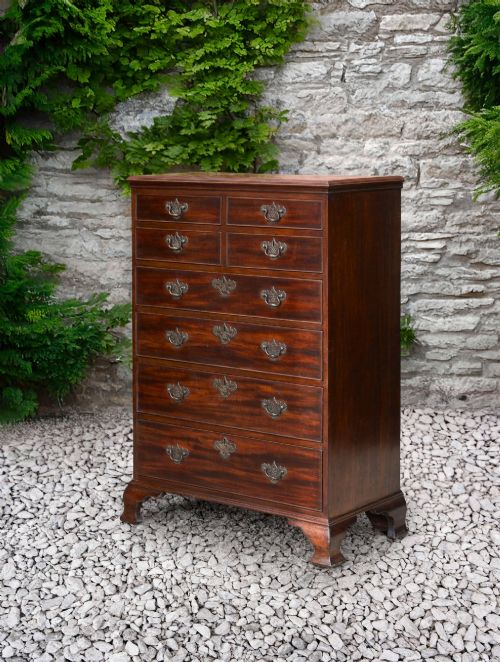
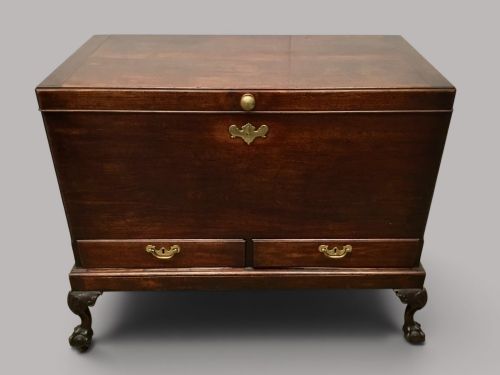
The pieces on this page span early oak coffers to refined George III mahogany chests on chest and serpentine commodes. Regional variations include French provincial styles, Dutch burr walnut cabinets, and Scandinavian country pieces.
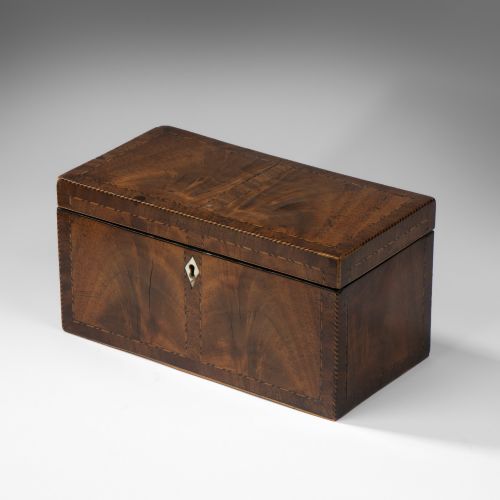
Form follows function closely in these items, shifting from simple lidded blanket boxes to compartmentalised document boxes and linen press cupboards. Domestic interiors benefit from the deep drawers and hinged lids designed for daily utility.
Materials and Construction
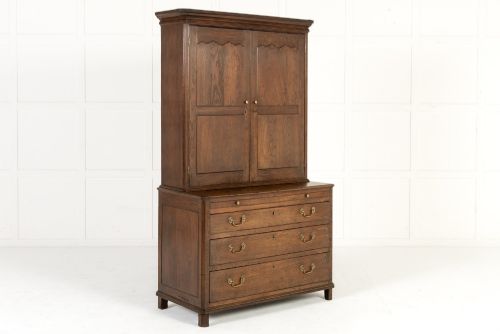
Cabinetmakers utilised native timbers such as oak, elm, and walnut alongside imported mahogany for structural integrity and visual depth. Panels were frequently joined using traditional frame and panel construction to accommodate timber movement over decades of use.
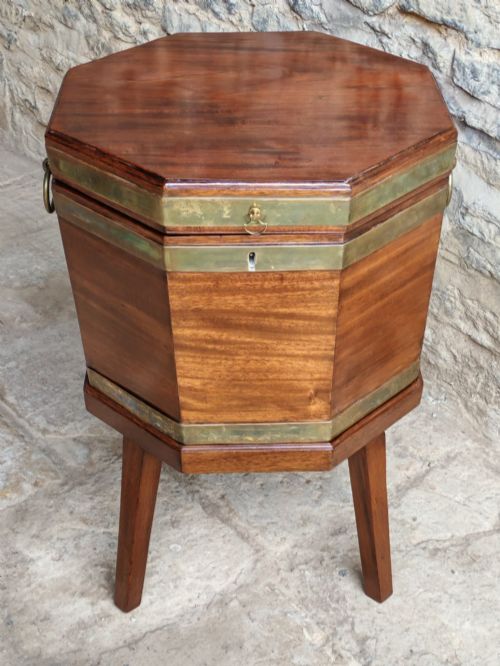
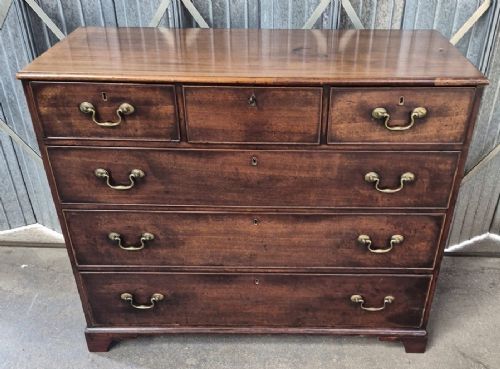
Secondary detailing involved brass drop handles, key escutcheons, and occasional bone or ebony inlay to accent the primary wood grain. Surfaces received hand-applied finishes that highlighted the natural figuring of figured walnut and dense mahogany.
18th Century Storage Chest Retail Price Guide 2026
Typical asking prices for 18th century storage chest among the pieces listed under this phrase on Sellingantiques today, from the lower quarter to the upper quarter. They describe what is for sale here now, not the wider market.
Document boxes protected household secrets long before modern safes existed.
Assessing Craftsmanship
Standard varies through the selection of timber figures, from plain utilitarian oak boards to highly figured burr walnut and book-matched mahogany veneers. Superior examples display meticulous dovetail joinery on drawer construction and crisp carving on panels and bracket feet.
Hardware integration also dictates standing, with original brass drop handles and working locks holding greater appeal than later replacements. Proportions and restrained decorative flourishes separate standard provincial items from high-style Georgian commissions.
J Moorcroft
The 18th Century Storage Chest Glossary
- Coffer
- A heavy wooden chest traditionally used for storing valuables or dry goods. Early examples feature pegged frame and panel construction.
- Mule chest
- A traditional storage chest featuring one or more drawers beneath the main lidded compartment. This form bridges the gap between the simple coffer and the chest of drawers.
- Brushing slide
- A pull-out shelf integrated into the upper section of a chest of drawers or wardrobe. It served as a temporary writing or dressing surface.
- Chest on chest
- A tall case furniture form consisting of a smaller chest stacked directly upon a larger base chest. Also known as a tallboy.
- Marquetry
- Decorative veneer work arranged in intricate geometric or floral patterns using various coloured woods. Dutch and French cabinetmakers utilised this technique extensively on walnut carcasses.
18th Century Storage Chest: Frequently Asked Questions
How do I date an 18th century storage chest?
Dating relies on examining construction methods, timber choices, and secondary woods used inside drawer linings. Hand-cut dovetails, original brass hardware, and regional stylistic cues help narrow the decade of production.
Early pieces often display plank construction and pegged joints, while later Georgian items favour mahogany and sophisticated veneering techniques.
What is the difference between a coffer and a chest of drawers?
A coffer is a deep box accessed via a hinged lid at the top, primarily designed for bulk storage of blankets or linens. A chest of drawers utilises horizontal pull-out drawers stacked vertically.
Mule chests combine both forms by placing drawers beneath the main lidded storage compartment.
How do I care for antique walnut and mahogany?
Keep wooden surfaces away from direct sunlight and sudden temperature shifts to prevent timber splitting or veneer lifting. Regular dusting with a soft, dry cloth maintains the finish without chemical buildup.
Application of traditional beeswax preserves the moisture and natural lustre of the wood over time.
Where were these chests originally used in the home?
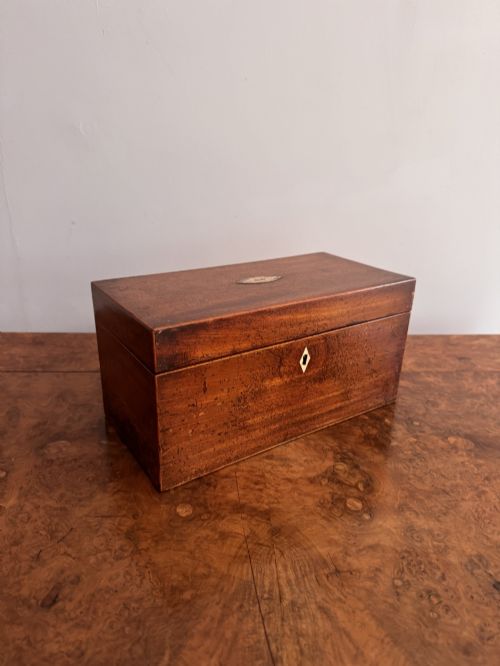
Storage chests served vital functions in bedrooms, hallways, and formal reception rooms for stowing heavy textiles, clothing, and personal documents. Document boxes and tea caddies sat atop tables to secure smaller valuables.
Larger linen presses and chests on chest functioned as primary wardrobes in domestic sleeping quarters.