



18th Century Side Cabinet
An 18th century side cabinet brings centuries of craftsmanship and practical storage into a room.
18th Century Side Cabinet
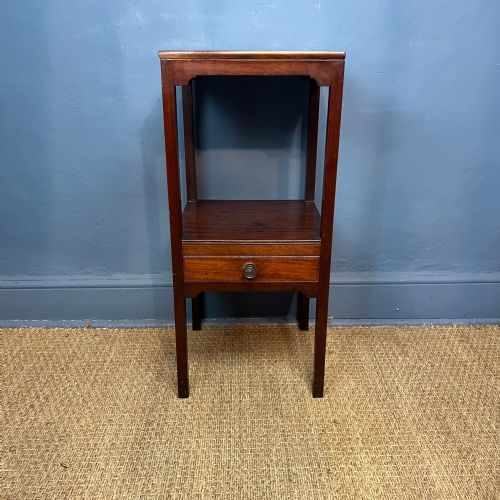
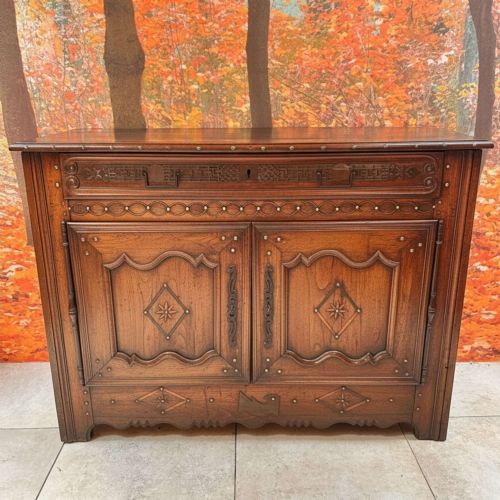
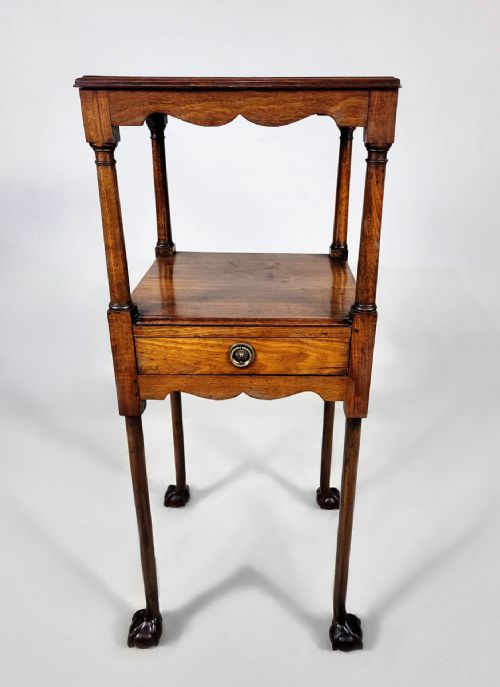
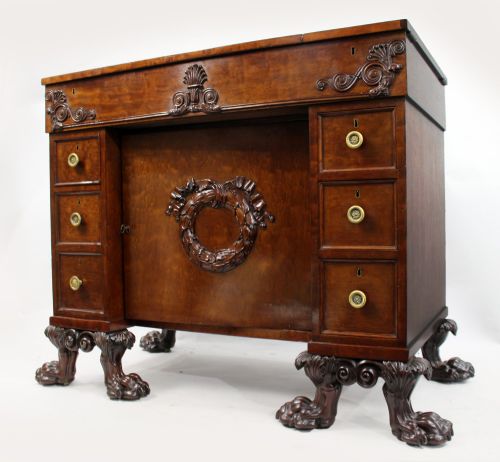
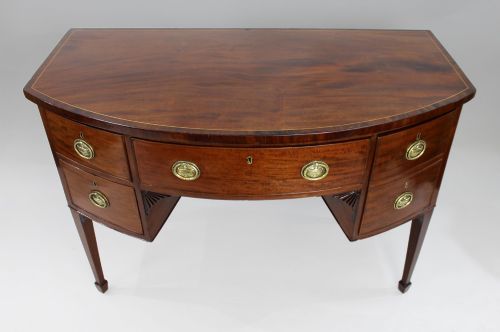
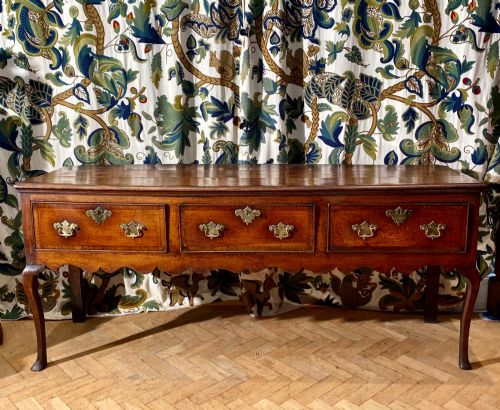
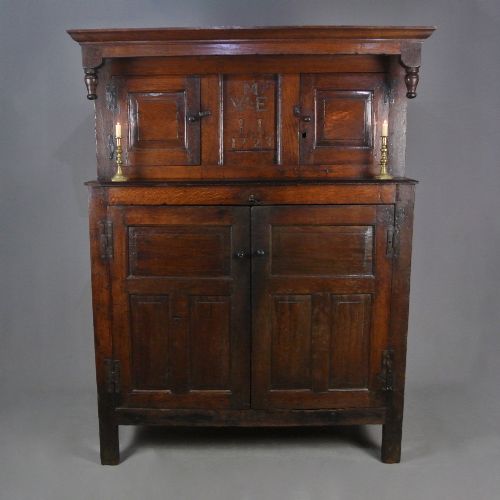
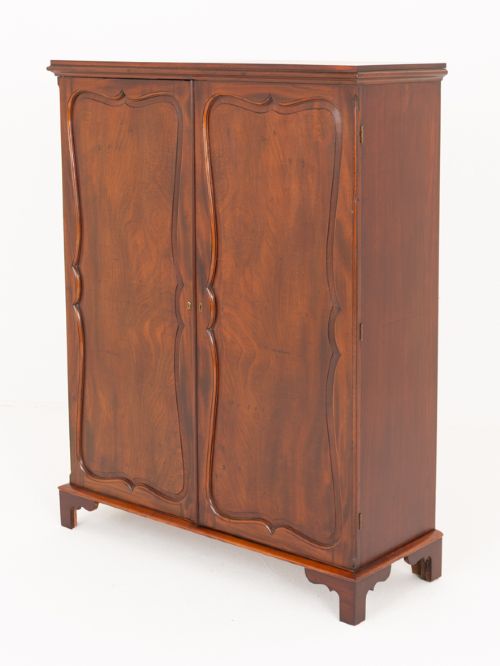
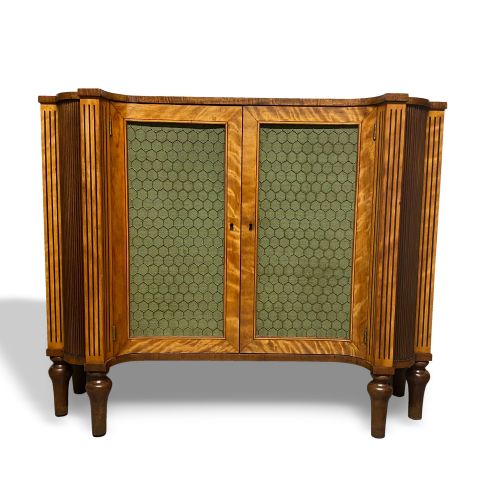
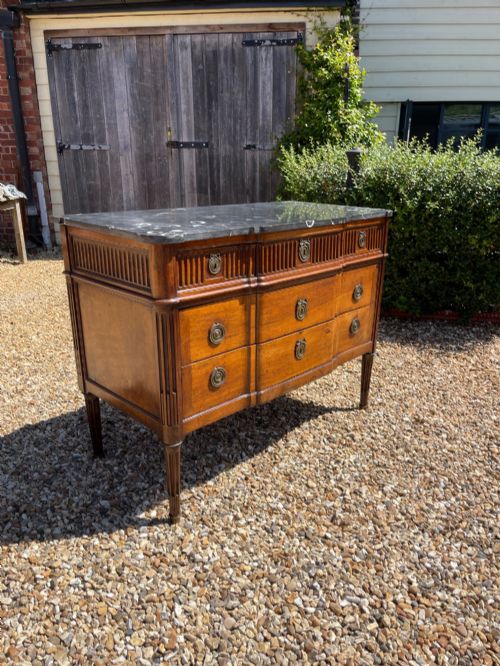
An 18th century side cabinet spans a variety of regional forms including bedside tables, commodes, lowboys, and larger cupboards from English, French, Dutch, and Italian origins. Buyers searching this phrase encounter substantial Georgian mahogany pieces alongside continental commodes and provincial fruitwood cabinets.
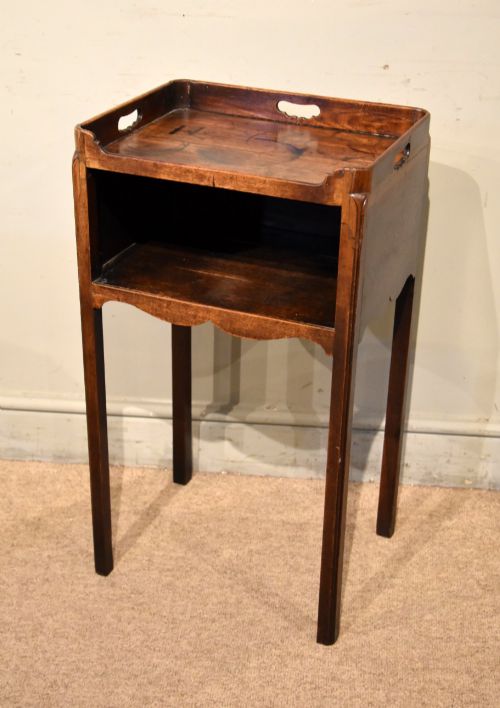
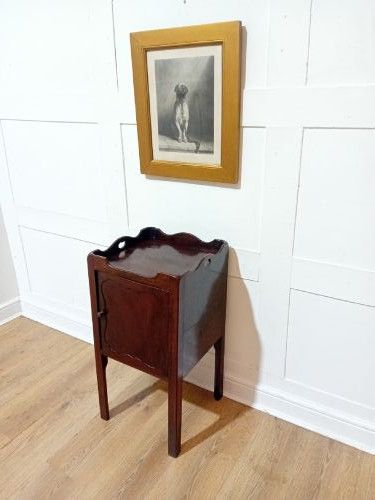
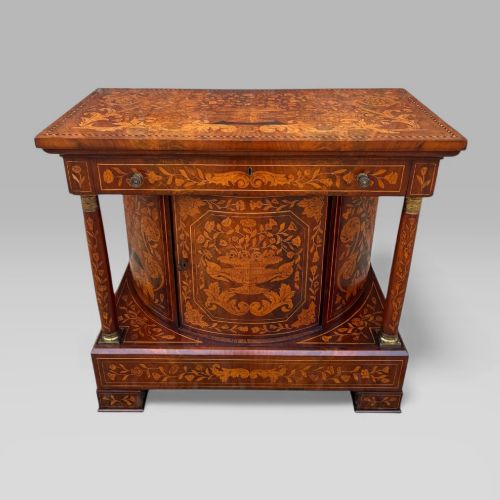
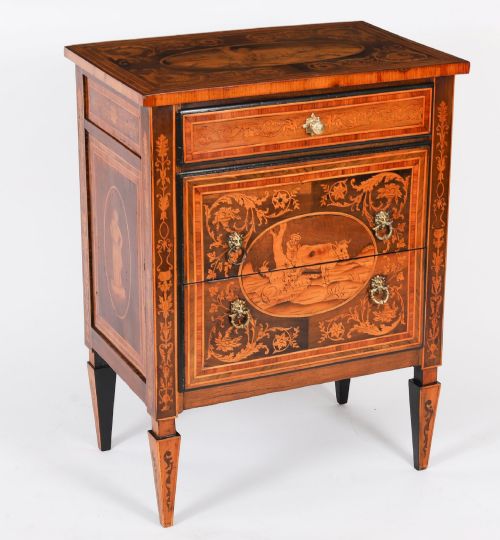
The English examples lean towards mahogany and oak bedside cupboards, tray top commodes, and George III side cabinets. Continental pieces frequently utilise walnut, cherrywood, and chestnut, often decorated with marquetry or topped with marble.
Bedside tables and compact night stands dominate the selections, serving both as functional storage and historical focal points within a room.
Materials and Technique
Cabinetmakers of the period relied heavily on solid hardwoods like mahogany, walnut, and oak, often enhanced by decorative veneers such as satinwood, harewood, burr elm, and burr yew wood. Marquetry inlay added floral or geometric patterns using contrasting timbers.
Metal fittings typically involve brass for handles, hinges, and escutcheons, while some provincial pieces incorporate marble tops or pewter elements for practical utility.
18th Century Side Cabinet Retail Price Guide 2026
Typical asking prices for 18th century side cabinet among the pieces listed under this phrase on Sellingantiques today, from the lower quarter to the upper quarter. They describe what is for sale here now, not the wider market.
The documented pieces span stylistic influences from Georgian and Sheraton to Louis XV, Louis XVI, and Italian Neoclassical.
Assessment of Quality
Quality rests on the depth of figure in the timber, the precision of the marquetry, and the integration of secondary woods. Superior examples display thoughtful grain matching across drawer fronts and doors.
The refinement of brass hardware and the crispness of carved details distinguish high-status workshop production from simpler provincial items.
The 18th Century Side Cabinet Glossary
- Commode
- A low cabinet or chest of drawers dating from the period, often featuring decorative veneer or a marble top. These pieces frequently served bedchambers and formal reception rooms.
- Marquetry
- Inlaid wood work forming decorative patterns or pictures using various coloured veneers. Cabinetmakers applied this technique extensively on Dutch and English furniture.
- Lowboy
- A small table with drawers, generally supported on four legs, functioning as a side table or dressing surface. They typically date from the earlier part of the century in oak or walnut.
- Tray top
- A raised rim around the upper surface of a bedside cabinet or table to prevent items from sliding off. This feature appears frequently on English mahogany commodes.
- Feather banded
- A decorative border made from veneers cut across the grain and laid at an angle to form a herring-bone pattern. Craftspeople used this to frame drawer fronts and tabletops on walnut pieces.
18th Century Side Cabinet: Frequently Asked Questions
Where were these cabinets placed?
These cabinets found places in bedchambers as bedside cupboards and night stands, or in reception rooms as commodes and side pieces.
Their compact footprints allowed them to fit neatly against walls while providing concealed storage for daily items.
How do I care for antique timber?
Keep wooden cabinets away from direct sunlight and steady heat sources to prevent the timber and veneers from drying out.
Apply natural beeswax occasionally to nourish the surface and maintain the finish.
Are marble tops original?
Many continental commodes and side cabinets incorporated marble tops originally for practical, hardwearing surfaces.
Inspect the edges and underside for signs of period fitting to confirm authenticity.
What defines a George III piece?
Furniture from the George III period exhibits classical proportions, refined mahogany or satinwood veneers, and restrained decorative carving.
These pieces reflect the dominant English design influence of the later eighteenth century.