
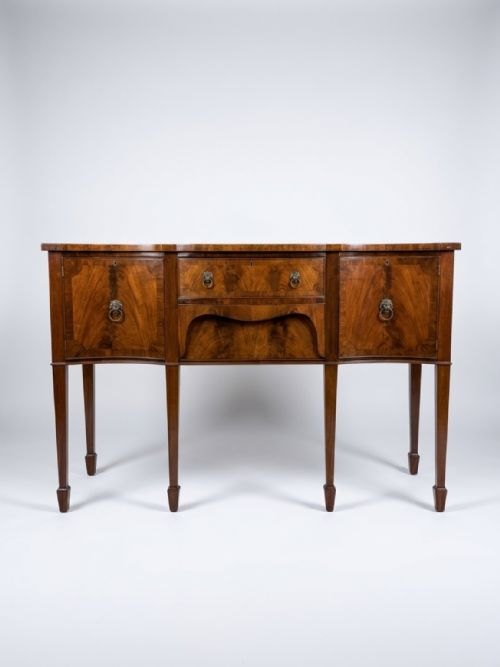
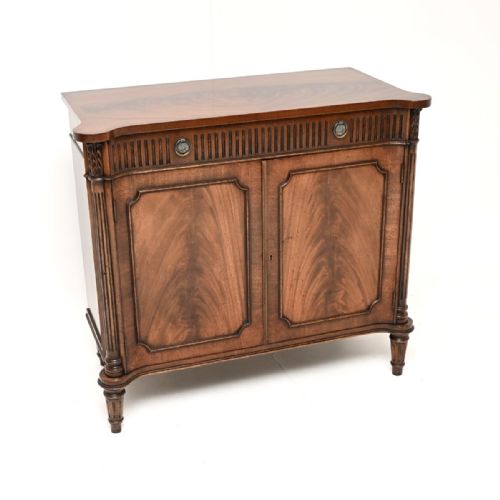
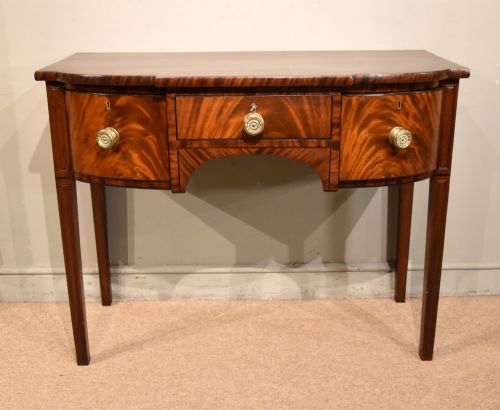
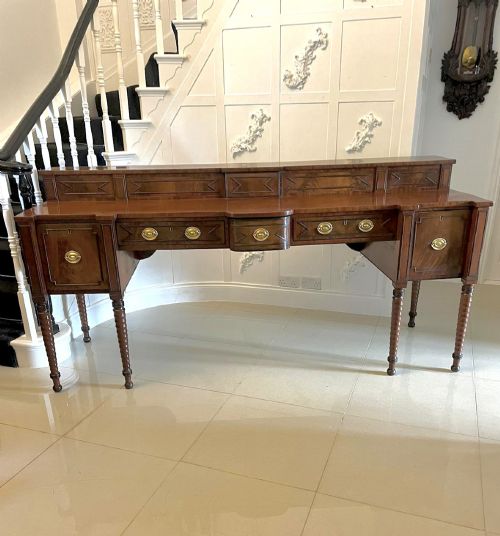
Georgian Mahogany Buffet Cabinet
A georgian mahogany buffet cabinet brings deep grain and disciplined storage to a dining room, uniting functional proportion with enduring timber.
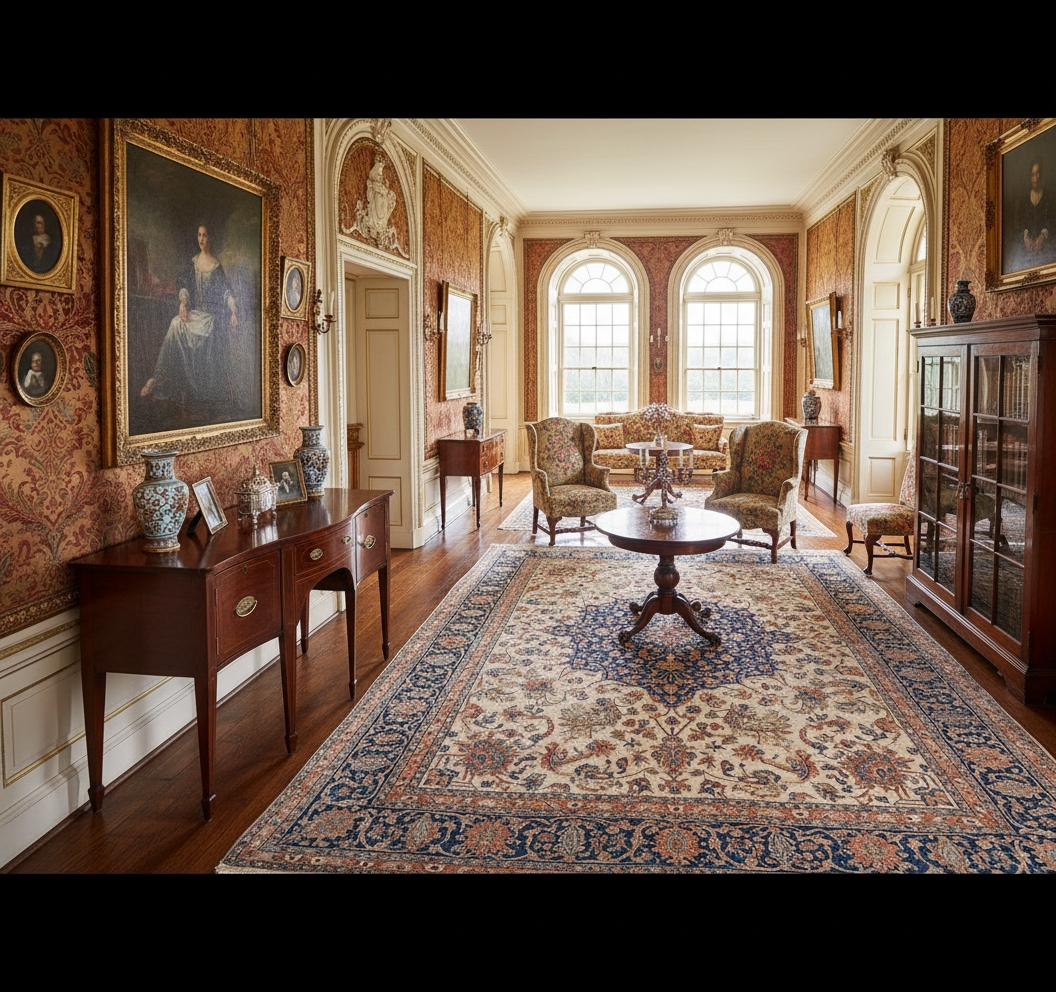
Georgian Mahogany Buffet Cabinet
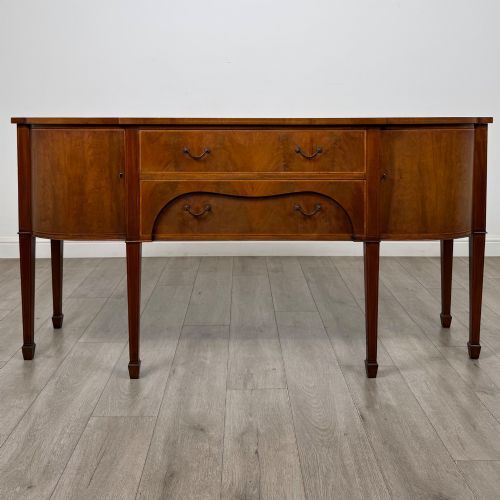
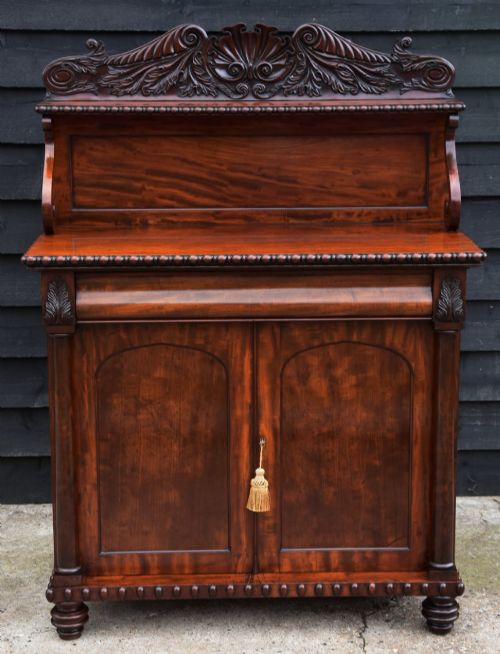
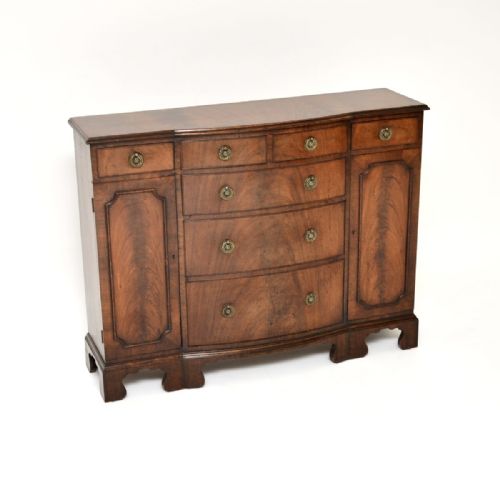
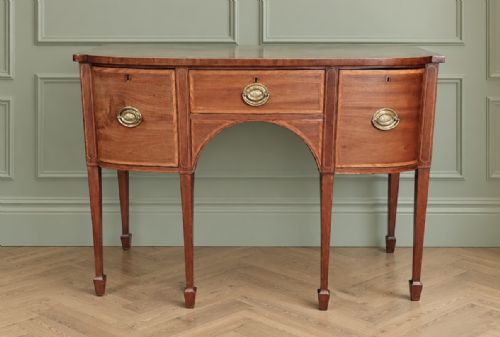
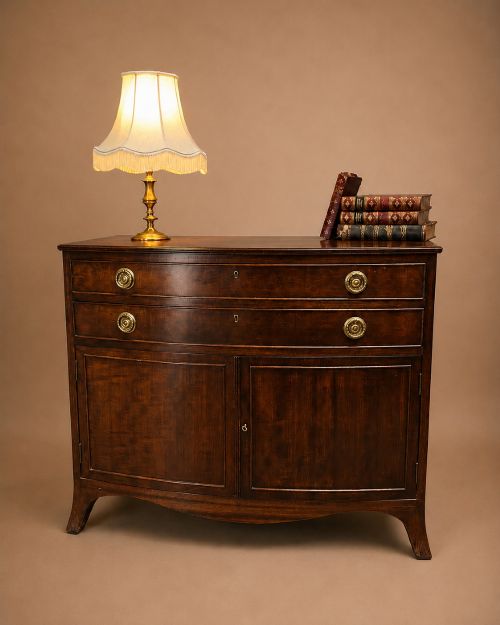
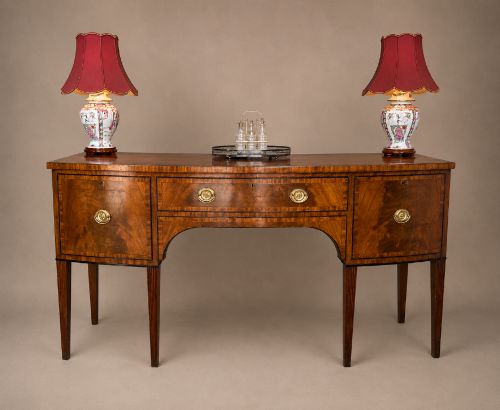
A georgian mahogany buffet cabinet encompasses the sturdy sideboards, chiffoniers, and serving cupboards that anchor formal dining spaces. These pieces emerge primarily from the Georgian, Regency, and 18th-century periods, though later revival pieces also appear.
How they were made
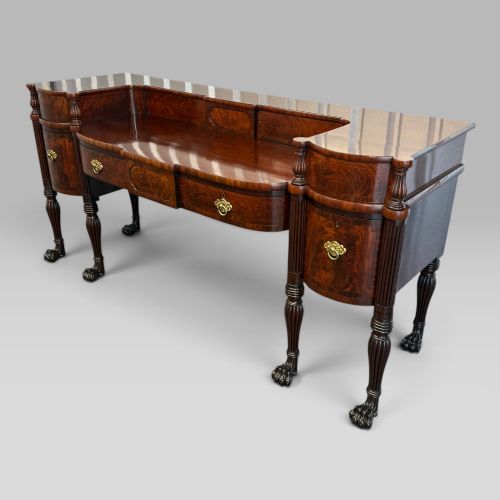
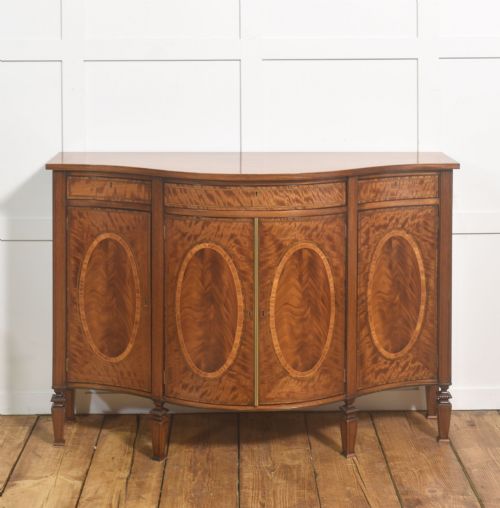
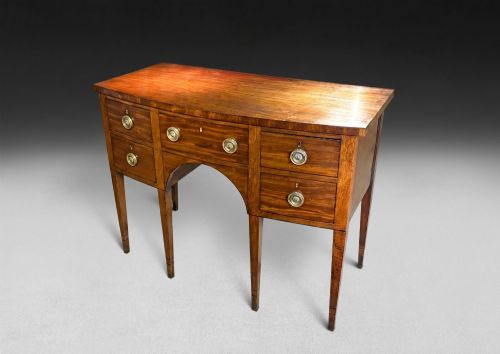
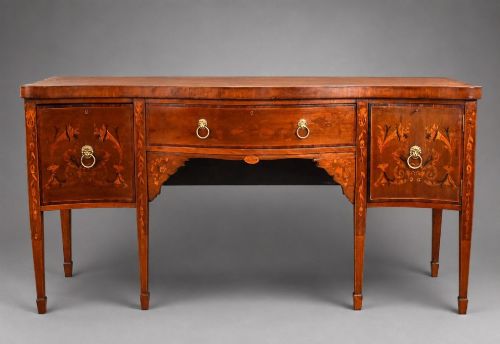
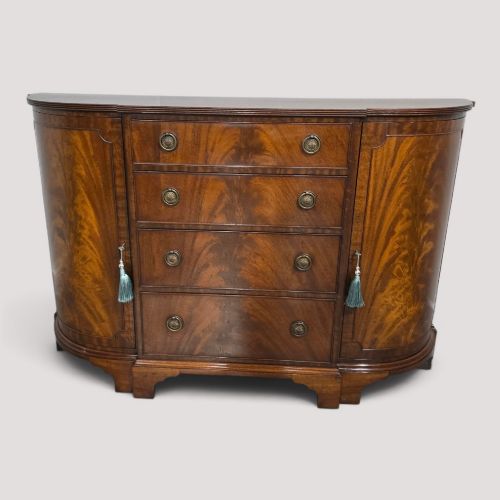
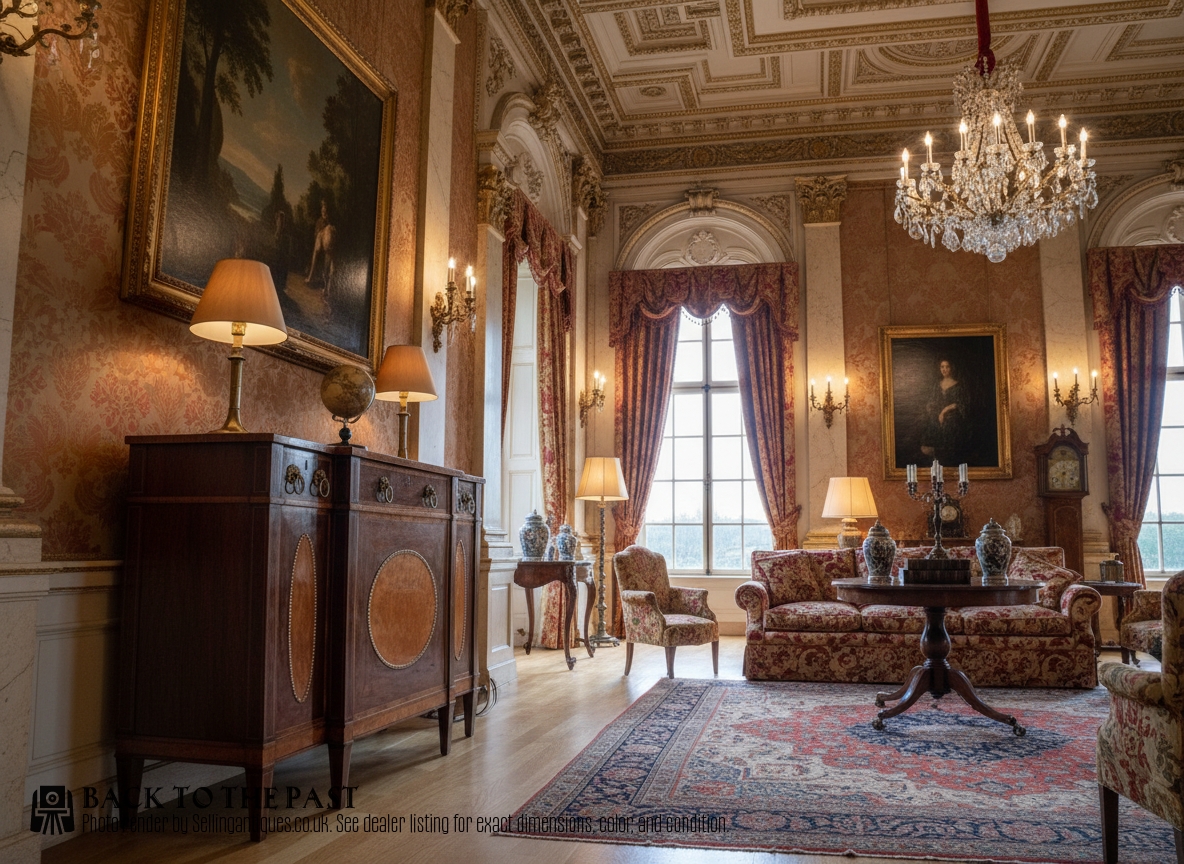
Cabinet makers utilised dense mahogany and flame mahogany veneers over secondary timbers, often applying satinwood inlay to create sharp contrasts along drawer fronts and borders. Brass featured prominently in handles, galleries, and occasional inlay strips.
Construction techniques relied on precise joinery to shape curved bow fronts and breakfront bodies, complemented by hand-cut dovetails within the drawer structures.
Georgian Mahogany Buffet Cabinet Retail Price Guide 2026
Typical asking prices for georgian mahogany buffet cabinet among the pieces listed under this phrase on Sellingantiques today, from the lower quarter to the upper quarter. They describe what is for sale here now, not the wider market.
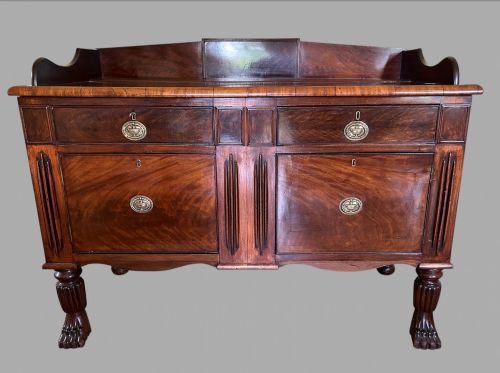
Some cabinet makers ensured their sideboards stood firmly on six carved lion paw feet, ready to pounce on the dinner service.
What varies in quality
Quality rests heavily on the choice of timber and the handling of grain, where richly figured flame mahogany and crisp satinwood inlay elevate a piece far above plain stock. The subtlety of the carving, particularly on feet and edging, marks the distinction between standard workshop production and finer cabinet work.
Proportion and structural integrity also separate examples, as well-balanced breakfronts and well-fitted doors maintain their alignment over centuries while lesser pieces show strain.
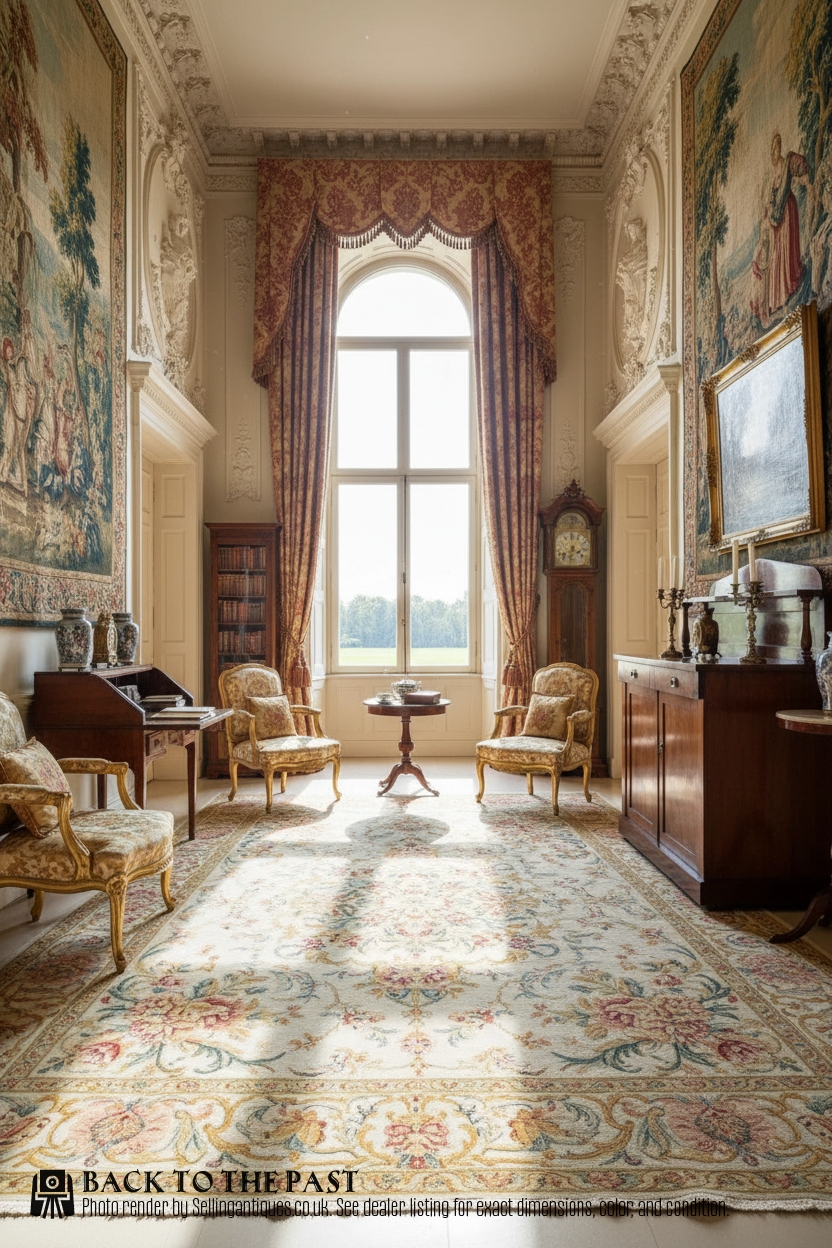
M. D. Miller & Sons, Nottingham
The Georgian Mahogany Buffet Cabinet Glossary
- Bow front
- A convex, curved front profile that softens the rectangular geometry of a cabinet. This curved shape requires advanced woodworking skill to veneer successfully.
- Breakfront
- A cabinet facade where the central section projects forward from the flanking outer sections. It creates a stronger architectural presence in a room.
- Flame mahogany
- A veneer cut from timber where the grain creates a dramatic, flamelike pattern. Cabinet makers reserved this striking figuring for primary display surfaces.
- Chiffonier
- A low sideboard or cabinet featuring shelves or a small superstructure on top. These pieces gained popularity during the Regency period.
- Satinwood inlay
- Contrasting pale yellow wood inserted into recesses in the darker mahogany surface. It forms geometric borders and delicate decorative motifs.
Georgian Mahogany Buffet Cabinet: Frequently Asked Questions
What is a georgian mahogany buffet cabinet used for?
These cabinets served primarily in dining rooms for storing silver, linen, and serving dishes while providing a surface to display ceramics during meals.
Today they function similarly in modern interiors, offering substantial storage capacity within a compact floor footprint while anchoring a dining or living space.
How do I tell a georgian piece from a revival piece?
Original period pieces show authentic timber shrinkage, hand-cut joinery marks, and wear patterns consistent with centuries of use. Revival items often display uniformity in timber selection and machine tooling.
Examining the secondary woods inside drawers and cabinet backs helps clarify the true age of the construction.
How do I care for mahogany furniture?
Mahogany benefits from stable indoor humidity levels and protection from direct sunlight to prevent the timber and veneer from fading or drying out. Gentle dusting with a soft cloth maintains the finish without stripping natural oils.
Applying occasional conservative wax polishes preserves the depth of the grain over time.
What does bow front mean?
A bow front describes a cabinet facade that curves outward in a gentle convex sweep rather than sitting flat. This design softens the room's angles and maximises internal storage space in the centre.
Cabinet makers used this form extensively during the Regency and Georgian eras to add visual movement to heavy timber.