
William IV Mahogany Cabinet
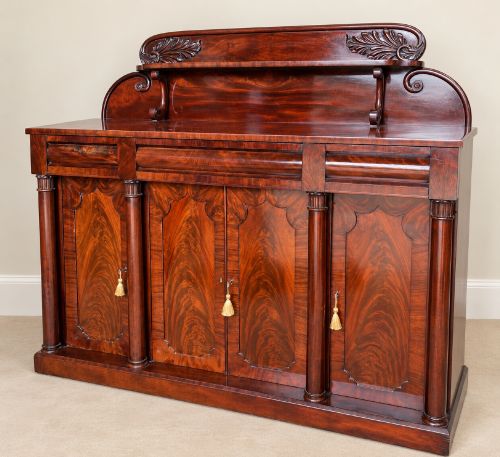
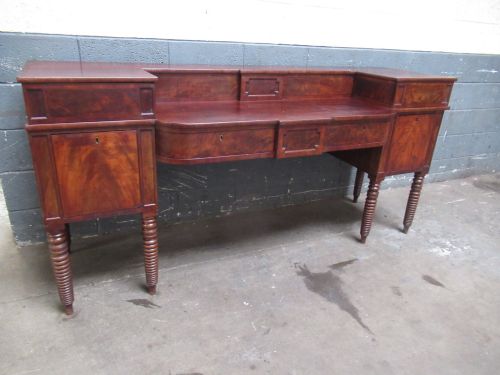
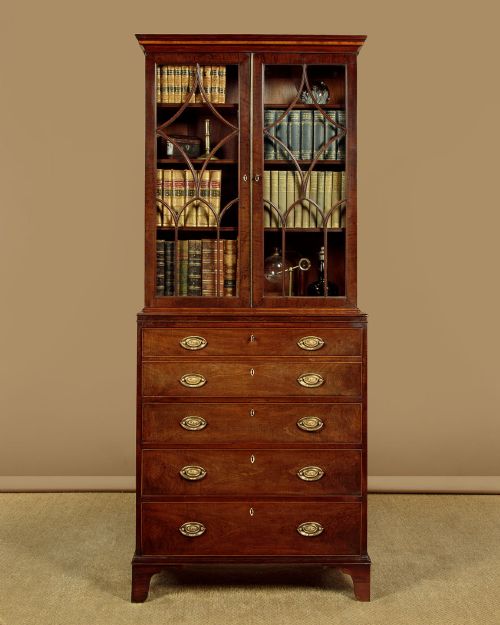
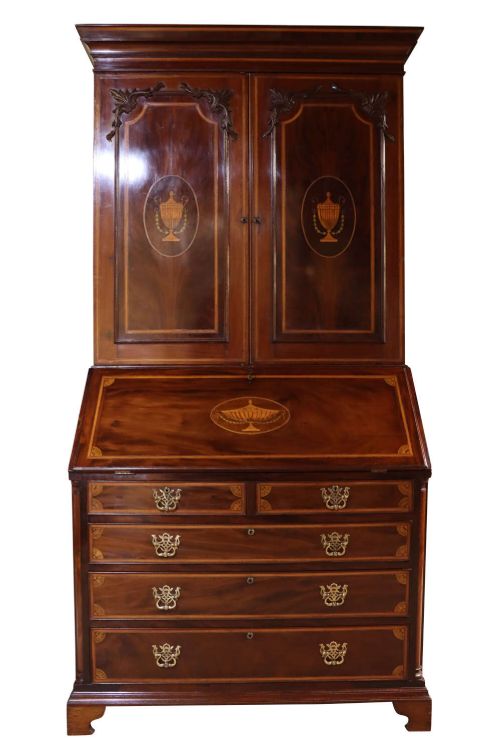
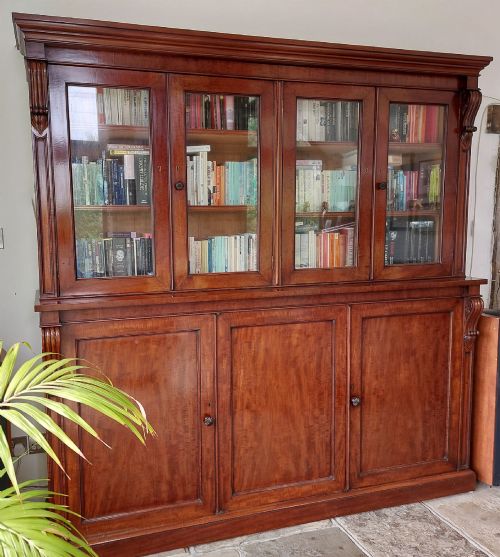
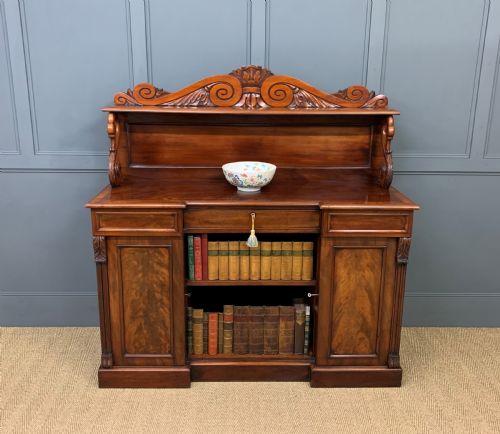
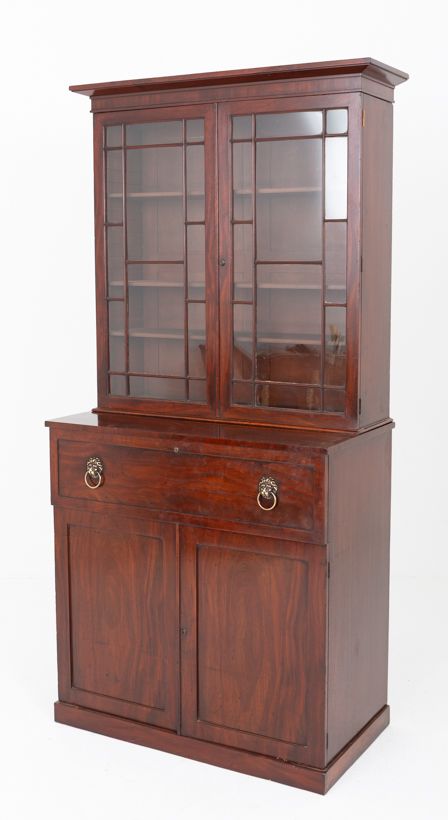
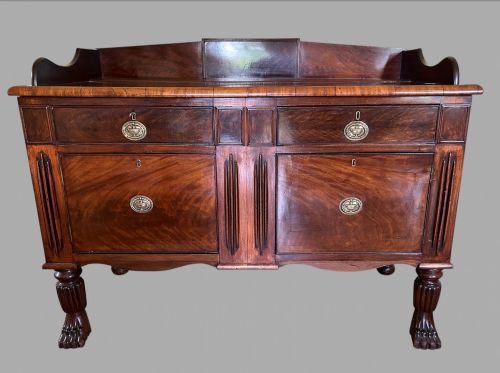
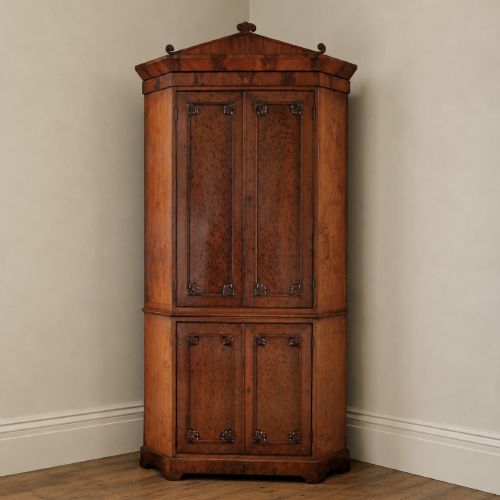
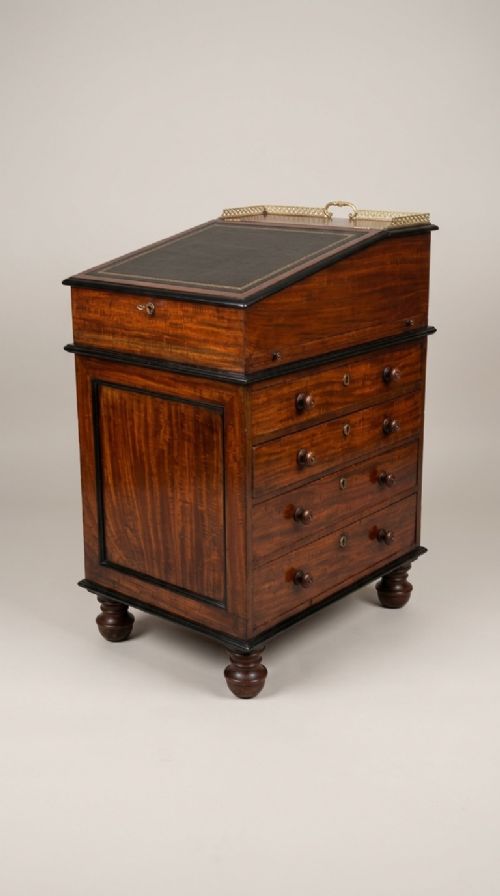
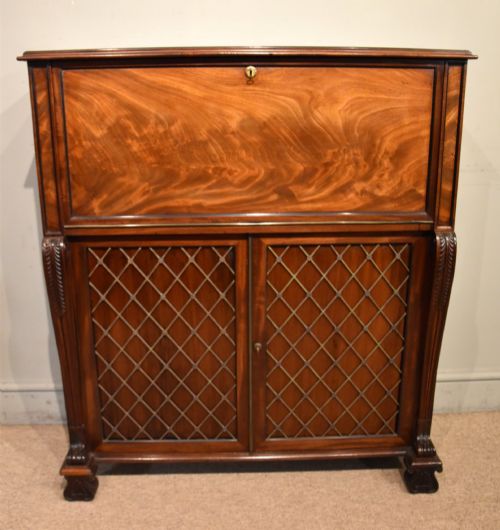
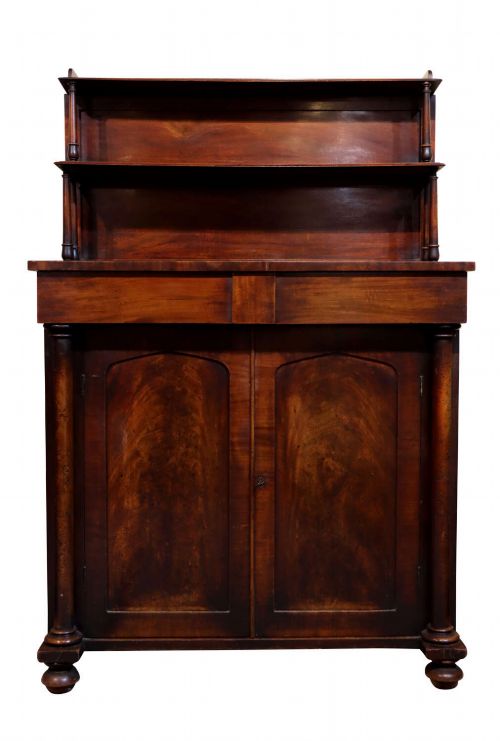
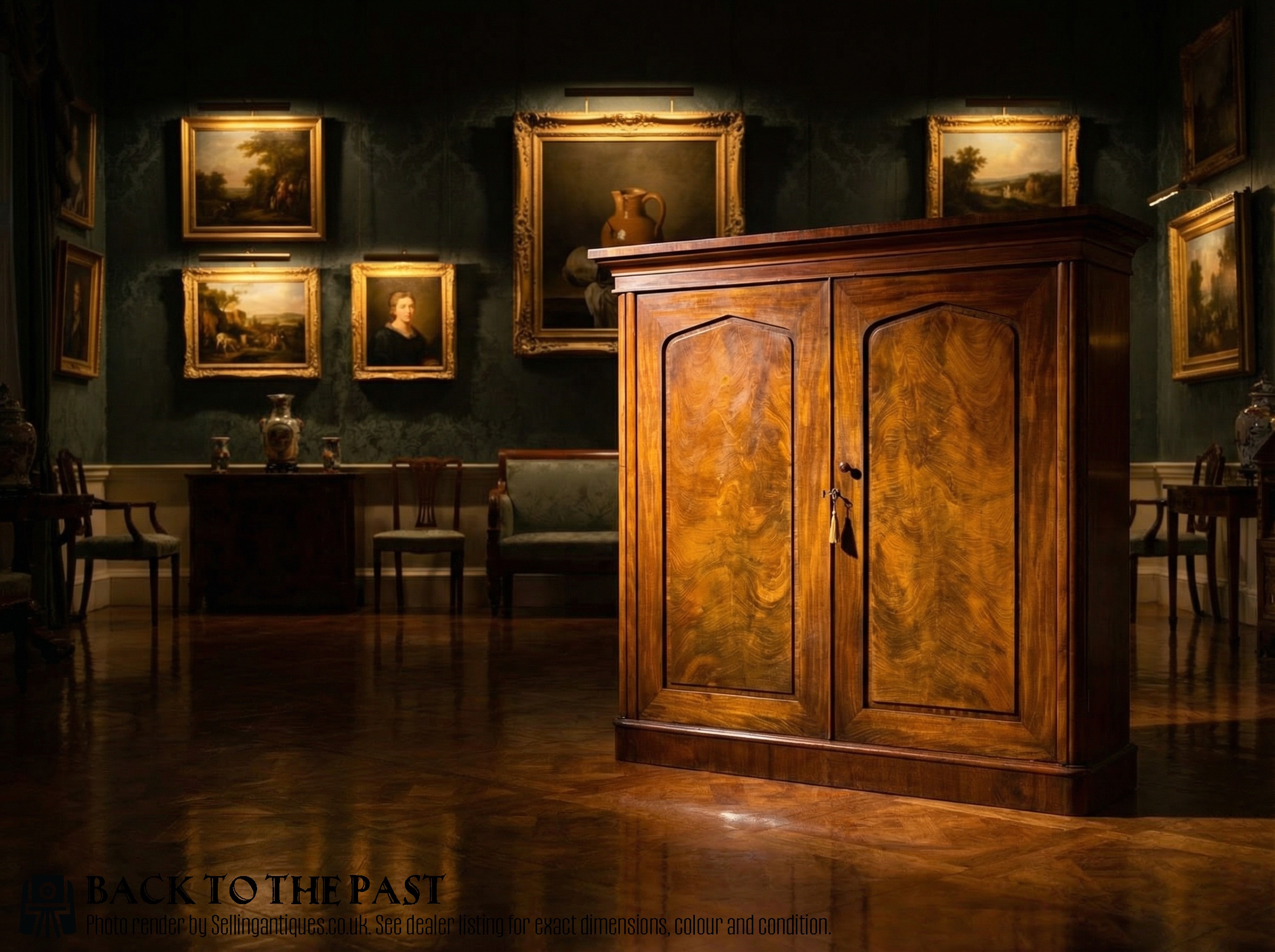
Solid timber, bold grain and architectural presence define every william iv mahogany cabinet found here.
William IV Mahogany Cabinet
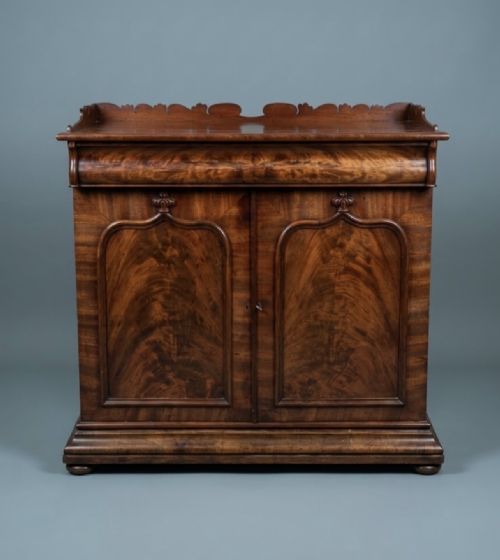
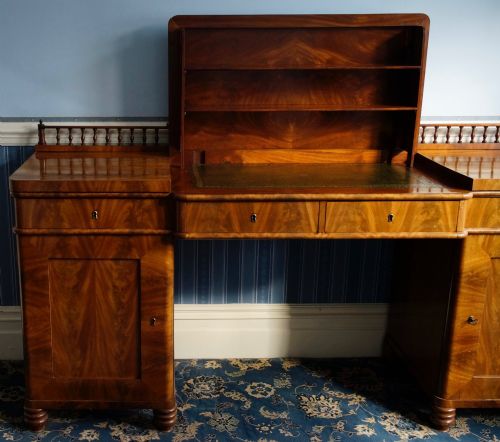
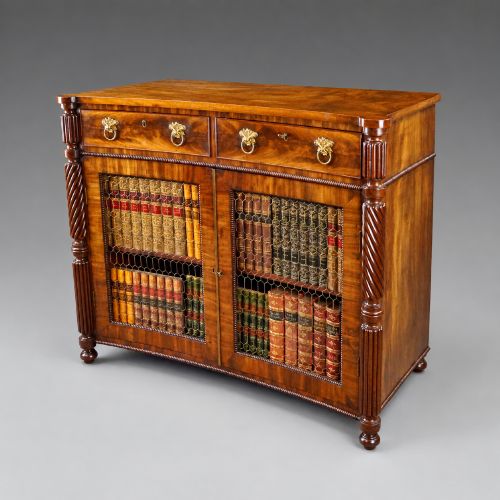
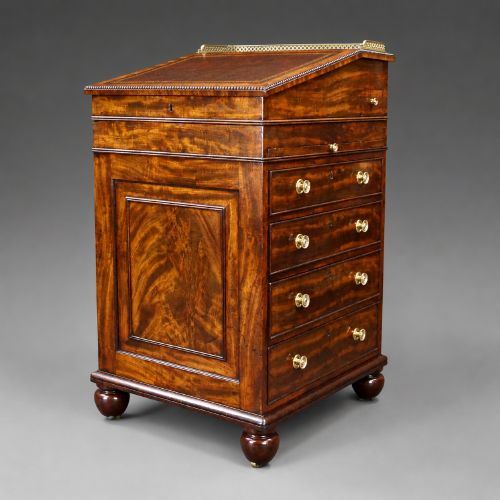
A william iv mahogany cabinet encompasses a diverse group of storage furniture designed to hold books, linen or display precious objects. Buyers search for these pieces to bring substantial presence and practical storage into a room.
The selections span side cabinets, chiffoniers, bookcase cabinets and bedside pieces, frequently originating from the nineteenth century. These forms reflect a period when furniture makers combined classical architectural motifs with robust domestic utility.
Most examples meet the eye as pedestals, sideboards or tall library bookcases, displaying the distinct proportions characteristic of the era. The surviving pieces demonstrate how domestic interiors evolved to accommodate specialised storage.
Materials and Technique
Cabinetmakers constructed these pieces primarily using solid mahogany and pine carcasses, often selecting highly figured flame veneer to cover primary surfaces. The timber was chosen for its rich colour and ability to take a deep, reflective polish.
Secondary materials such as brass fittings, glass panels and leather inserts appear regularly to add functional contrast and refinement. Skilled joinery techniques ensured that large timber panels could expand and contract without splitting the structure.
The recorded periods span the eighteenth century, the Regency era, the nineteenth century and the Victorian epoch.
Gradations of Excellence
Quality separates the standard workshop production from exceptional cabinet work through the selection and bookmatching of timber veneers. Master makers aligned flame mahogany figures precisely across drawer fronts and doors to create symmetrical patterns.
The architectural detail also dictates value, moving from plain functional carcasses to pieces adorned with carved corbels, reeded legs or glazed doors with intricate astragals. Interior fittings, including secret drawers and original brass locks, distinguish superior examples.
Gillows·James Winter and Sons·Charles William Schofield
The William IV Mahogany Cabinet Glossary
- Flame mahogany
- A veneer cut from the fork of the mahogany tree that produces a distinctive flickering, flame-like pattern across the timber surface. This decorative grain was highly prized for principal doors and drawer fronts.
- Chiffonier
- A low sideboard or cabinet featuring enclosed shelving below and sometimes a raised tier or gallery on top. It served as a versatile serving and storage piece in nineteenth-century dining and living rooms.
- Secretaire
- A desk disguised as a drawer or cabinet door that drops down to reveal a writing surface and small pigeonholes. This hybrid form offered hidden workspace within a formal storage unit.
- Astragal
- A small moulding used to hold panes of glass within a cabinet door in a grid pattern. These wooden bars divided large windows into elegant geometric shapes.
- Breakfront
- A piece of furniture where the central section projects forward from the flanking wings. This architectural arrangement creates depth and shadow on large bookcases and sideboards.
William IV Mahogany Cabinet: Frequently Asked Questions
How do I identify a genuine piece?
Examine the timber selection, construction methods and secondary woods like pine used in internal framing. Authentic period pieces show hand-cut dovetails and natural ageing in the mahogany finish rather than uniform modern staining.
Hardware and locks should correspond to the manufacturing period, showing appropriate wear and hand-finished screws. These physical indicators confirm the historic integrity of the cabinet without relying solely on labels.
Where were these cabinets used?
These pieces found their places in libraries, dining rooms and bedrooms depending on their specific form. Tall bookcases served studies, while low sideboards and chiffoniers equipped dining spaces for serving.
Bedside variants stood beside sleeping quarters to hold chamber items and night essentials. Each form matched the specialised domestic organisation of the nineteenth-century household.
How do I care for the timber?
Maintain the mahogany surface by keeping the cabinet away from direct sunlight and sudden temperature shifts that dry out timber. Regular dusting with a soft, dry cloth preserves the polished finish without building up heavy wax residues.
Condition the wood occasionally with a quality microcrystalline wax to protect the grain and deep colour. Avoid placing damp items or unsealed containers directly on the polished top surfaces.
What distinguishes the style?
The aesthetic blends Regency classical restraint with heavier, robust proportions and bolder carved details. Elements like scrolled corbels, reeded columns and architectural cornices set this era apart from lighter Georgian designs.
Makers utilised the rich grain of flame mahogany to create visual impact through pattern rather than excessive ornamentation. This balance of solid form and striking timber defines the period's output.