


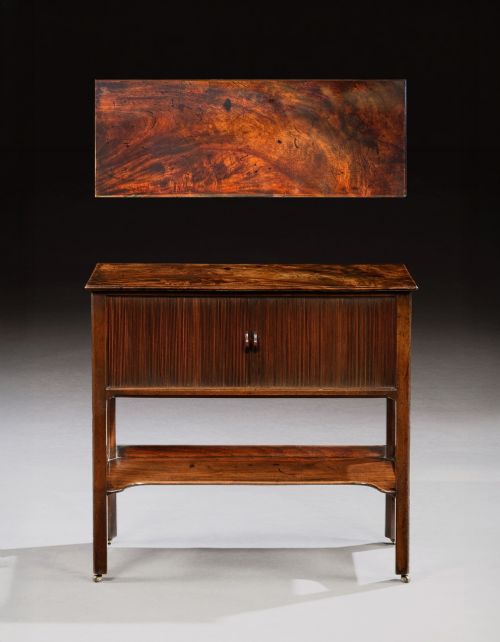


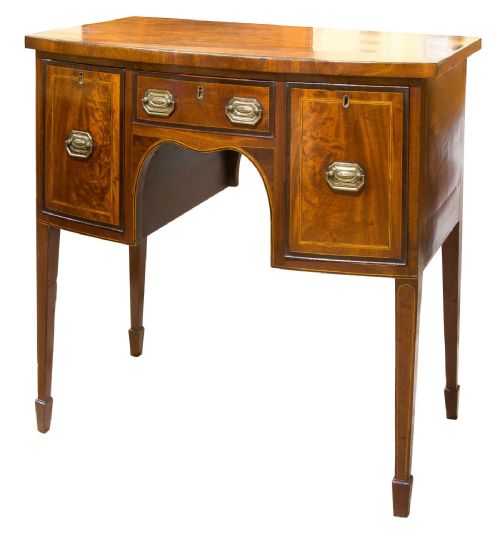

George III Side Cabinet
A george iii side cabinet brings refined storage to a room, offering practical utility through period craftsmanship.
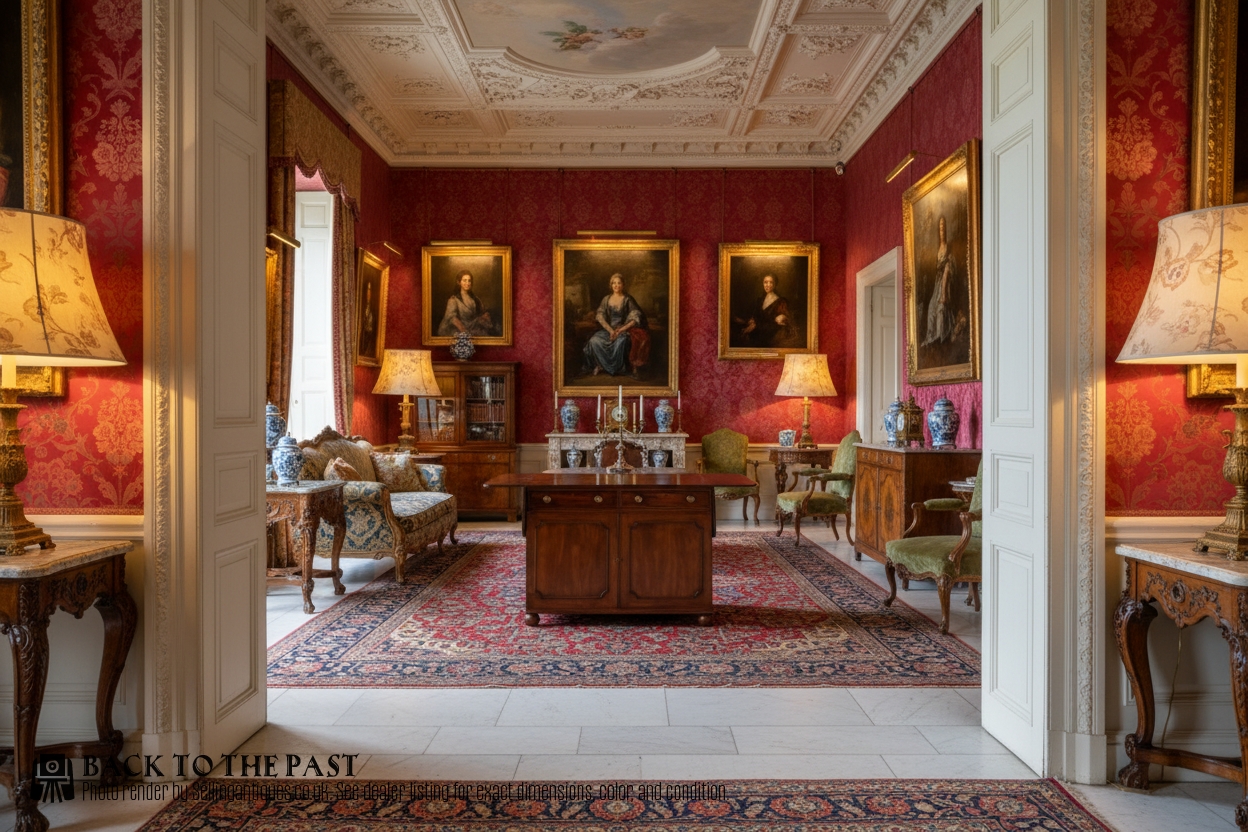
George III Side Cabinet
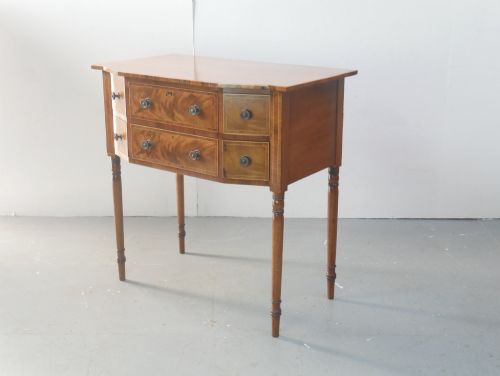
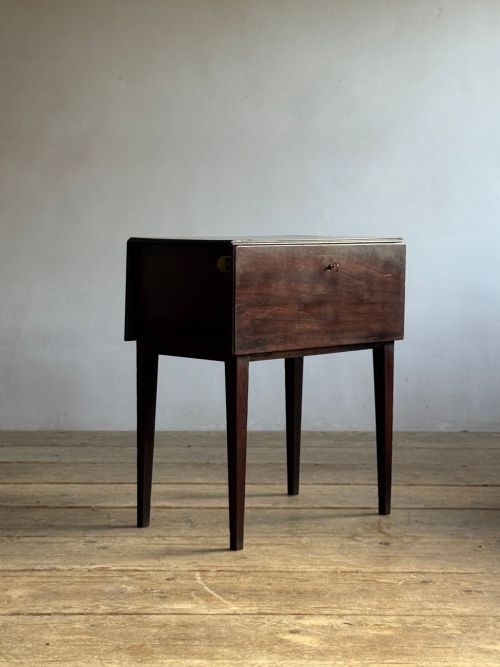
A george iii side cabinet encompasses a variety of forms designed for storage and display in domestic interiors during the Georgian era and later revivals. Buyers seeking this phrase encounter pieces ranging from compact bedside cupboards and night stands to larger breakfront sideboards and commodes.
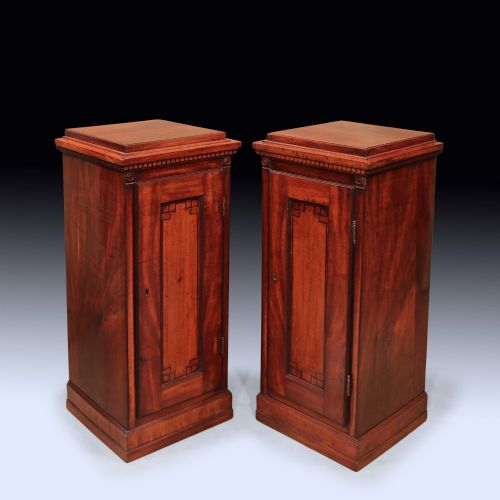
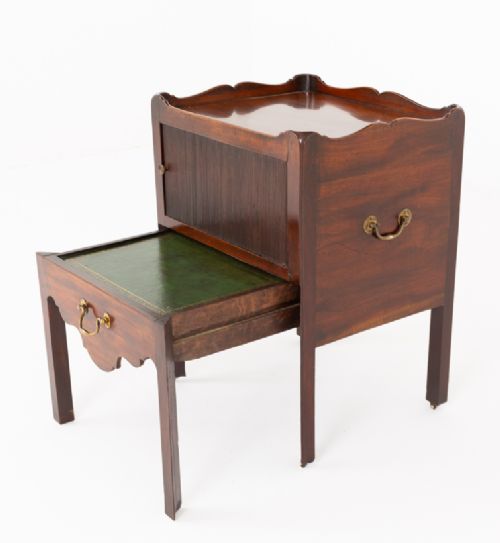
The selection frequently includes pedestal cupboards, bedside commodes, and two-door cabinets alongside occasional tables and chiffoniers. These items reflect the functional needs of 18th century rooms adapted for modern placement.
Originating primarily from the 18th century and the Georgian period, the inventory also contains later 19th and 20th century interpretations such as Sheraton Revival and Adam style side cabinets.
How they were made
Cabinet makers utilised solid timber and veneers, with mahogany serving as the predominant wood across the majority of pieces. Craftsmanship often incorporated contrasting details such as satinwood, boxwood inlay, and line inlay.
Alternative woods including burr elm, burr yew, and burr oak appear alongside brass hardware and leather inserts. Construction techniques prioritized structural stability through dovetailed joints and panelled doors.
George III Side Cabinet Retail Price Guide 2026
Typical asking prices for george iii side cabinet among the pieces listed under this phrase on Sellingantiques today, from the lower quarter to the upper quarter. They describe what is for sale here now, not the wider market.
Listings feature items dated across the Georgian era, 18th century, 19th century, and into the 1930s.
What varies in quality
The standard of a george iii side cabinet depends on the selection of timber grains, particularly the figuring found in flame mahogany or burr veneers. Superior examples display careful book-matching and cohesive wood selection across larger surfaces.
Refinement is evident in the precision of decorative elements such as boxwood stringing, inlay work, and the execution of carved mouldings. The integration of original brass handles and fittings further elevates the standing of an individual piece.
Edwards & Roberts
The George III Side Cabinet Glossary
- Commode
- A decorative low cabinet or chest with doors or drawers. In this category, many commodes were designed as bedside pieces or enclosed commode toilets.
- Bow front
- A convex curved cabinet front popular during the Georgian period. This shape softens the corners of the furniture and adds visual depth.
- Demi-lune
- A half-moon shape used for table and cabinet tops. Such pieces fit flush against a wall while offering a curved facade.
- Breakfront
- A piece of furniture where the central section projects forward from the flanking sides. This architectural layout creates shadow lines and varied depths.
- Cellarette
- A lockable container or cabinet used for storing bottles of wine or spirits. Some examples are integrated into side tables or metamorphic furniture forms.
George III Side Cabinet: Frequently Asked Questions
What is a george iii side cabinet used for?
These cabinets served multiple functions in period interiors, from bedside storage to holding night stands and serving food or drink.
Today, they function well in hallways, living rooms, and bedrooms to provide concealed storage surfaces.
How do I identify a george iii period piece?
Authentic pieces from the era display period construction methods, traditional timber choices like mahogany, and characteristic neoclassical or Georgian design motifs.
Later revival pieces often incorporate similar stylistic elements but reflect the manufacturing standards of the 19th or 20th century.
Are bedside cabinets different from commodes?
Bedside cabinets generally provide general storage with a cupboard door or drawers next to a bed. Commodes in this group often share similar dimensions but may conceal interior fittings originally intended for chamber pots.
Both forms share compact footprints suitable for smaller spaces.
Where should I place a side cabinet?
The compact proportions of these cabinets make them adaptable for placement in tight spaces, narrow hallways, or beside seating arrangements.
Their finished backs and detailed fronts allow them to sit flush against walls or serve as accent pieces within a room.