


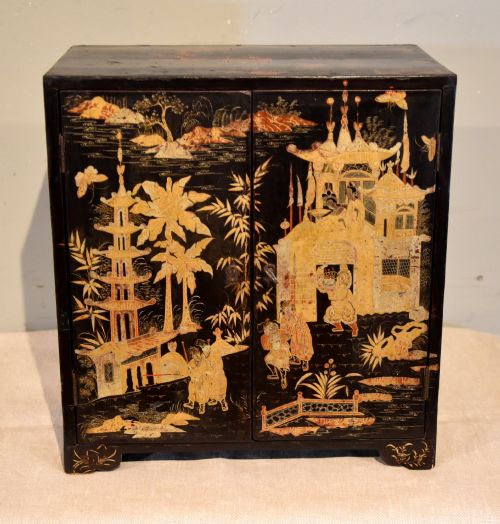
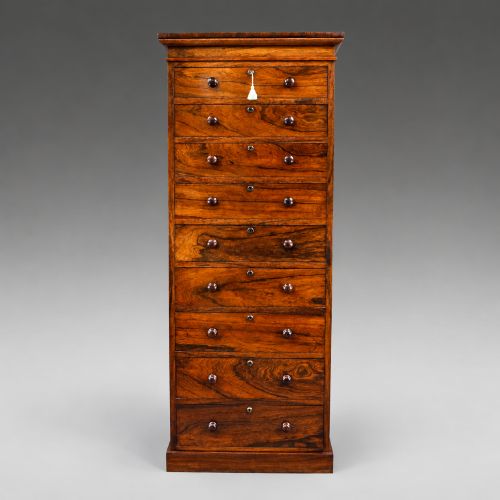
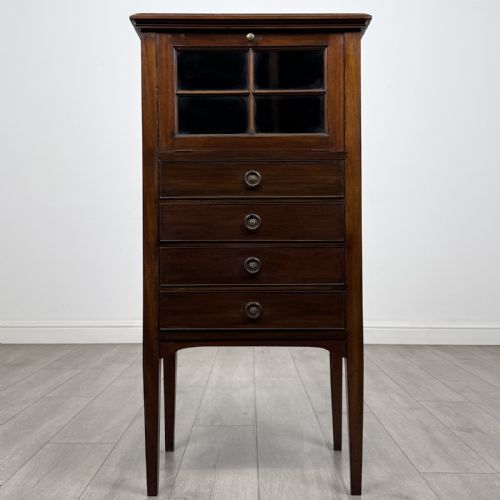
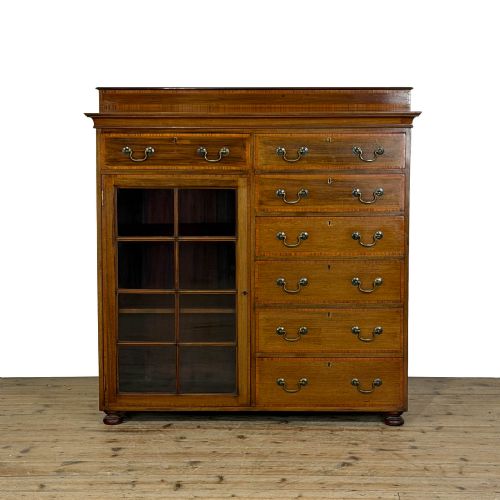
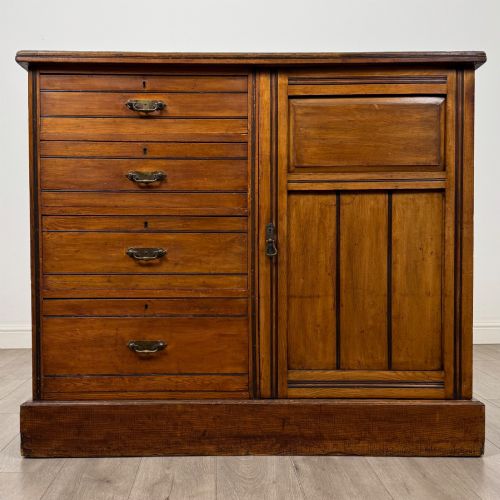
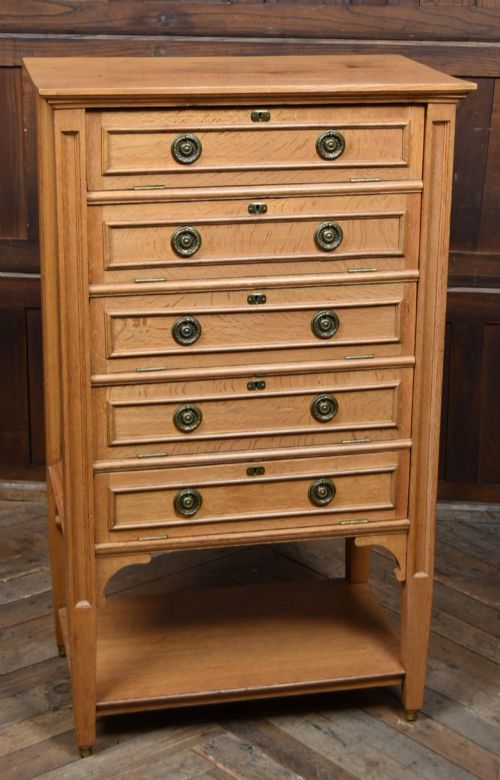
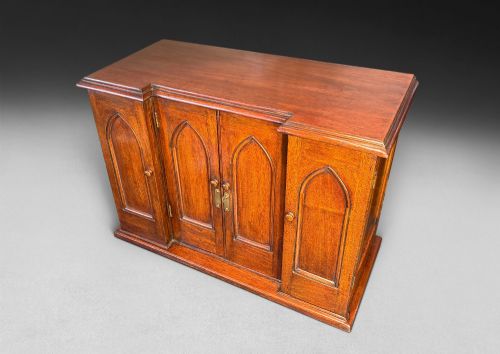
Collectors Storage Cabinet
A collectors storage cabinet sorts small specimens, notes and gear with neat rows of shallow drawers.

Collectors Storage Cabinet
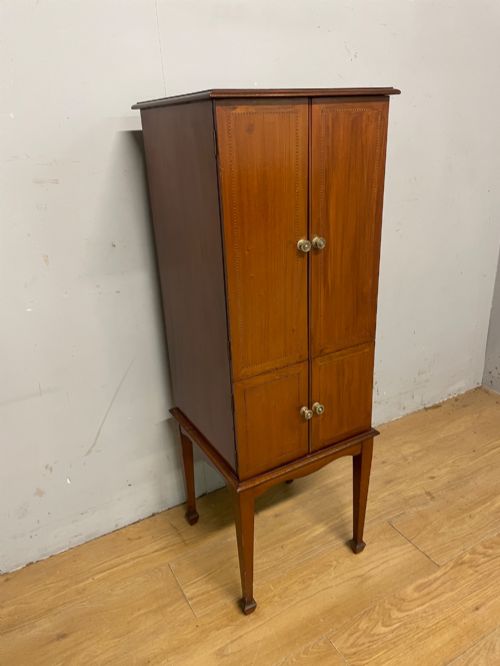
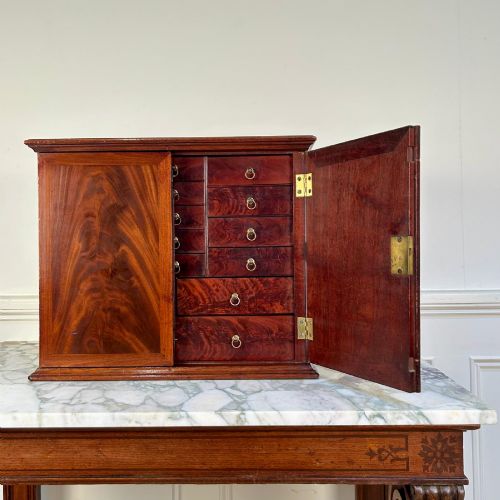
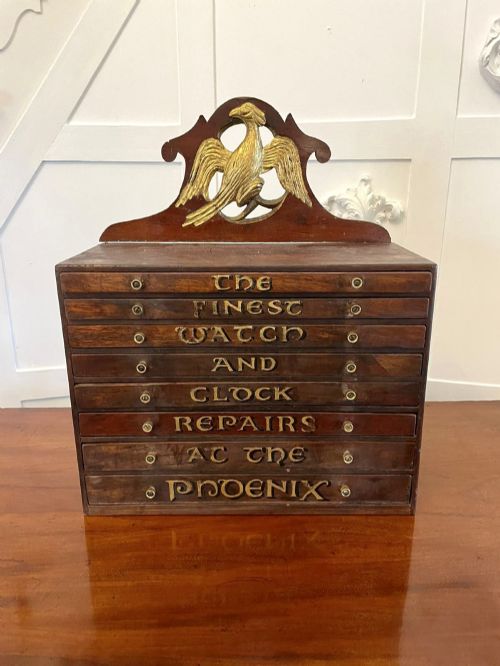
A collectors storage cabinet brings order to classification through banks of small drawers housed within timber frames. These pieces span centuries of methodical organisation, from Victorian specimen housings to Edwardian filing banks.
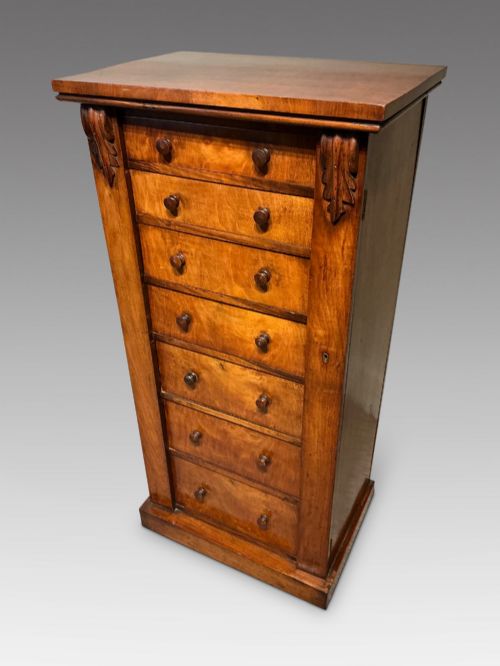
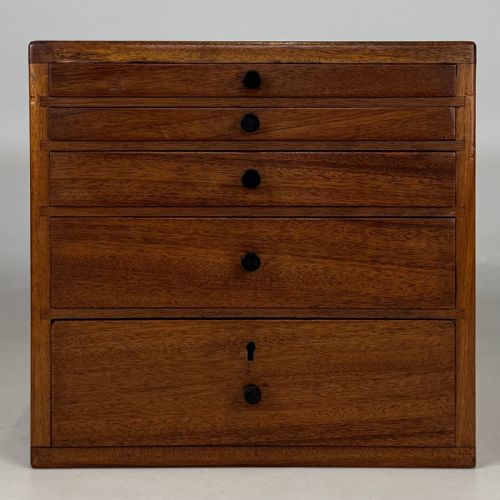
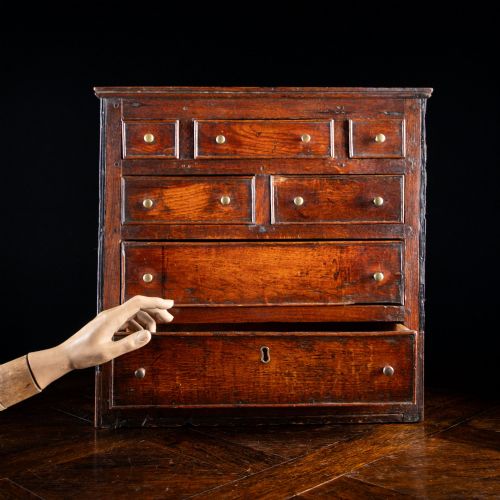
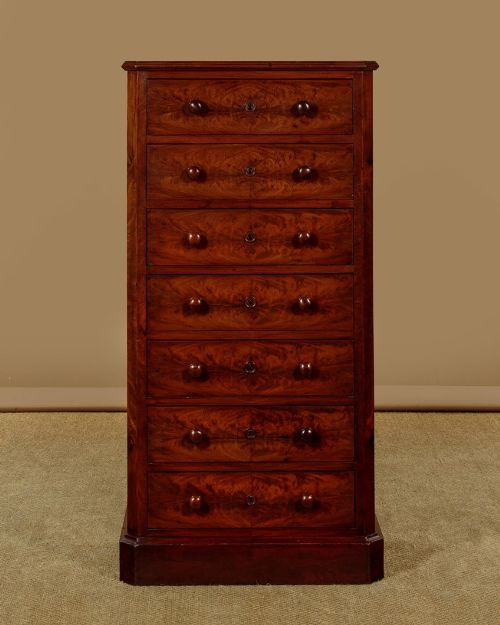
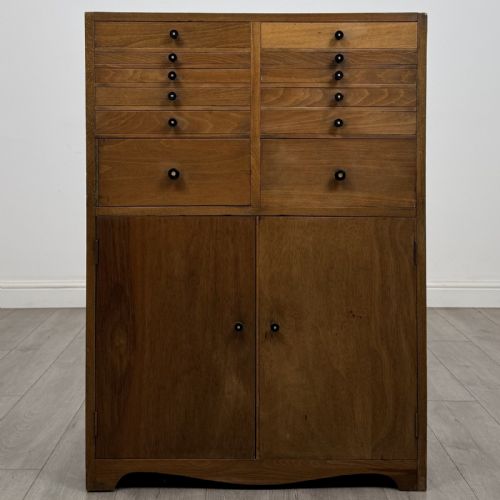
The selections here showcase domestic and institutional storage forms, including table-top units, multi-drawer chests and tall Wellington cabinets. Woods such as oak, mahogany and pine predominate, often fitted with original brass pulls and label holders.
Originating as practical furniture for naturalists, physicians and offices, these cabinets survive in varied scales. Smaller tabletop versions hold delicate items, whilst larger floor-standing banks accommodate extensive documents or objects.
Materials and construction
Cabinetmakers utilised dense hardwoods like mahogany and walnut alongside robust softwoods such as pine and deal to build these multi-drawer frames. Carcases often feature tightly joined sides housing numerous shallow compartments designed for uniform weight distribution.
Metal hardware plays a functional role in construction, with brass drop handles, shell pulls and iron label holders securing daily use. Glazed doors occasionally protect upper display sections, whilst parquetry veneer and brass inlay add decorative refinement.
Collectors Storage Cabinet Retail Price Guide 2026
Typical asking prices for collectors storage cabinet among the pieces listed under this phrase on Sellingantiques today, from the lower quarter to the upper quarter. They describe what is for sale here now, not the wider market.
Listings feature pine, mahogany, oak and walnut across nineteenth-century and early twentieth-century periods.
Distinctions in quality
The caliber of a collectors storage cabinet rests on the precision of drawer movement and the selection of timber figure. Finely figured mahogany or quarter-sawn oak combined with tight dovetail joints separates standard utility furniture from superior workshops.
Originality of internal fittings, such as specialised dividers, glass panels and maker stamps, elevates a piece significantly. Retaining authentic brass pulls and label holders preserves the integrity of the original design.
Watkins and Doncaster·Brady of Edmonton·J T Crockett·Luxmore of Ilfracombe·D Napier and Sons
The Collectors Storage Cabinet Glossary
- Wellington chest
- A tall, vertical chest of drawers secured by a hinged locking side pilaster that fastens over the drawer edges. This secure design originated in the nineteenth century for organising documents and valuables.
- Shell pull
- A stamped metal handle shaped like an inverted scallop shell, commonly found on Edwardian and Victorian filing drawers. These fittings frequently incorporate small slots for paper labels.
- Parquetry
- Geometric wood inlay work forming mosaic patterns across the exterior surfaces of high-status cabinets. This technique showcases contrasting timber tones without relying on applied carvings.
- Dovetail
- An interlocking wood joint formed by interlocking wedge-shaped fingers that resist pull-apart forces. Hand-cut dovetails indicate traditional drawer construction before industrial machinery became common.
Collectors Storage Cabinet: Frequently Asked Questions
What were collectors storage cabinets originally used for?
These cabinets housed scientific specimens, insects, microscope slides and botanical collections for study. Naturalists and doctors relied on the shallow drawer layouts to keep fragile items organised and protected from dust.
Over time, offices and medical practices adopted similar multi-drawer designs for filing records and instruments. Their compartmentalized structure suited any profession requiring orderly classification.
How do I date a wooden multi-drawer cabinet?
Examine the drawer construction methods and secondary timbers used inside the carcase. Hand-cut dovetails and solid mahogany linings generally point to nineteenth-century manufacture, whilst machine-cut joints and ply elements suggest later periods.
Hardware styles also help narrow the age, as brass shell pulls and specific lock types shifted across Victorian and Edwardian decades. Maker labels or stamps offer the most direct confirmation of origin.
Can I use an antique filing cabinet today?
These pieces integrate easily into modern spaces as organizers for stationery, craft supplies or jewellery. The shallow drawer depth prevents clutter from accumulating in deep piles.
Care should be taken not to overload drawers designed for lightweight specimens with heavy modern loads. Placing them away from direct heat sources protects the historic wood and joint integrity.
What is the difference between a specimen cabinet and a chest of drawers?
Specimen cabinets feature numerous very shallow drawers engineered specifically to hold flat trays, insects or small objects. Standard chests of drawers utilise deeper, taller compartments meant for clothing or bulk storage.
Many storage units bridge these categories, combining small upper drawers with larger lower spaces for varied utility.