
Georgian Credenza Cabinet
A georgian credenza cabinet brings practical storage and architectural presence to a room, drawing on centuries of fine cabinet-making traditions.
Georgian Credenza Cabinet
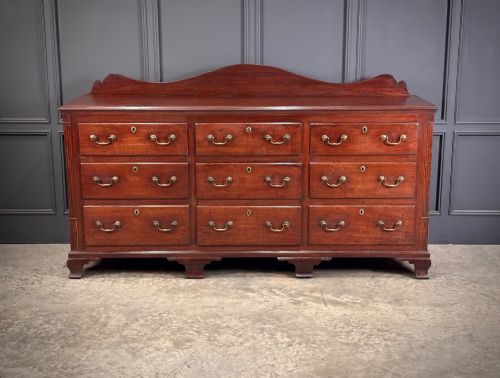
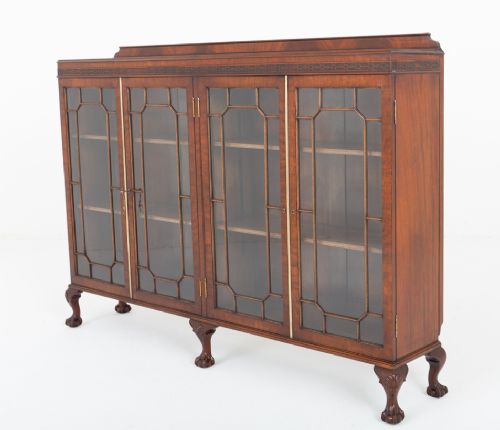
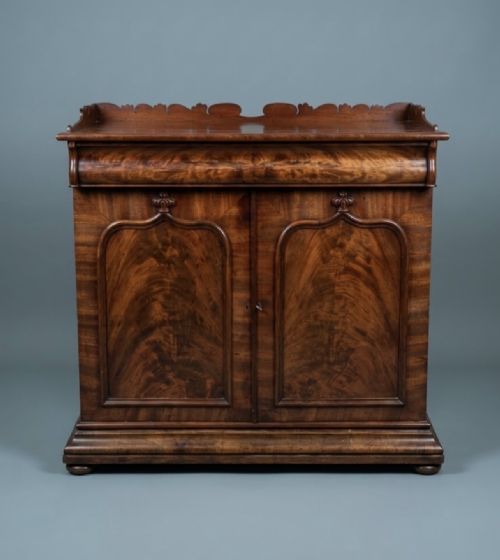
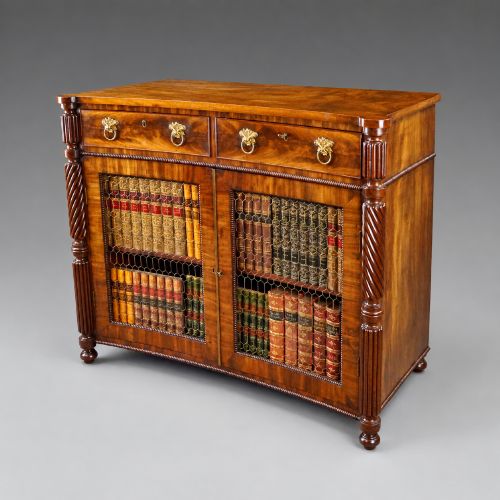
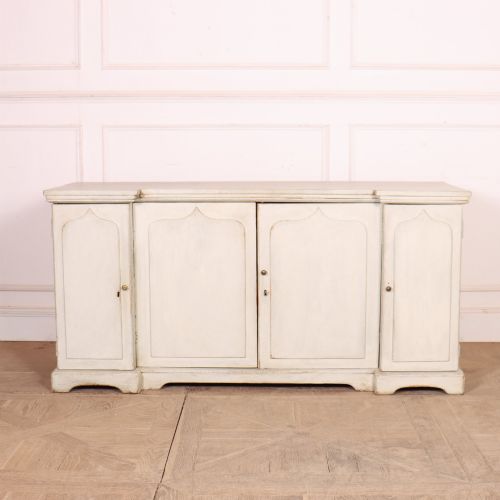
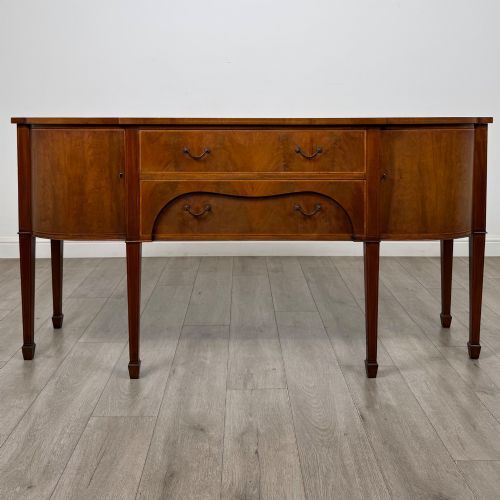
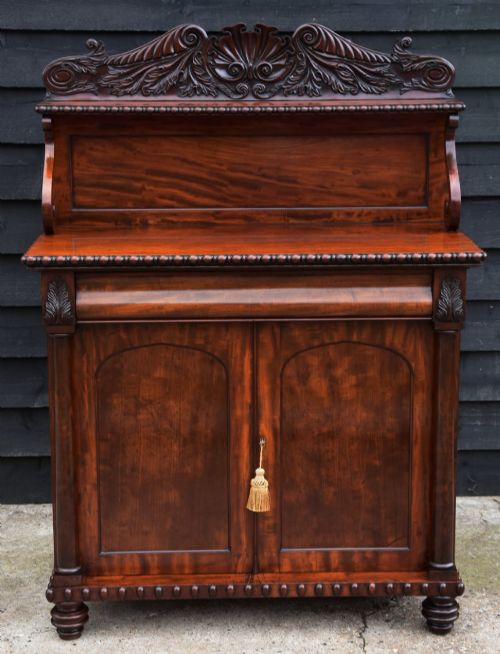
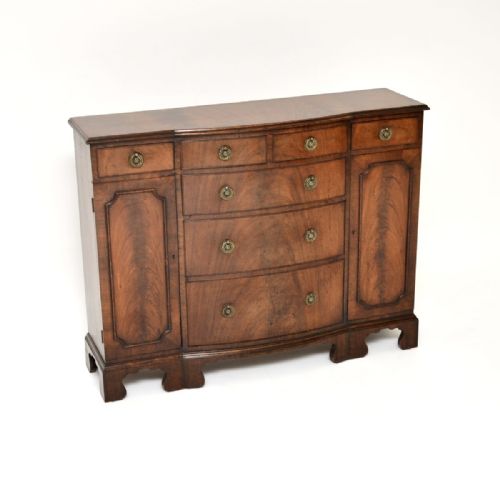
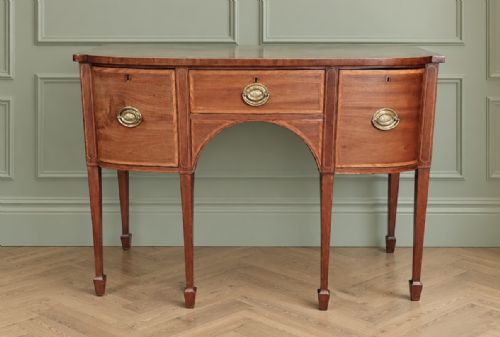
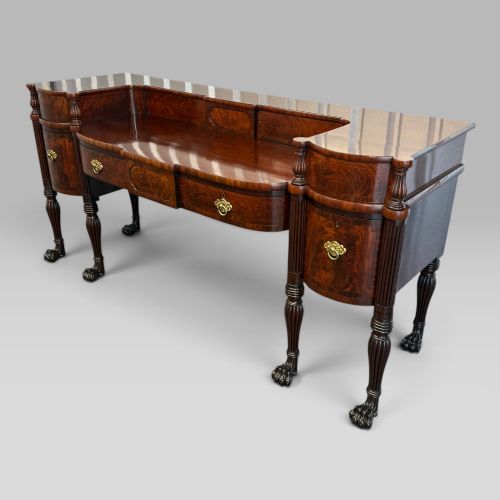
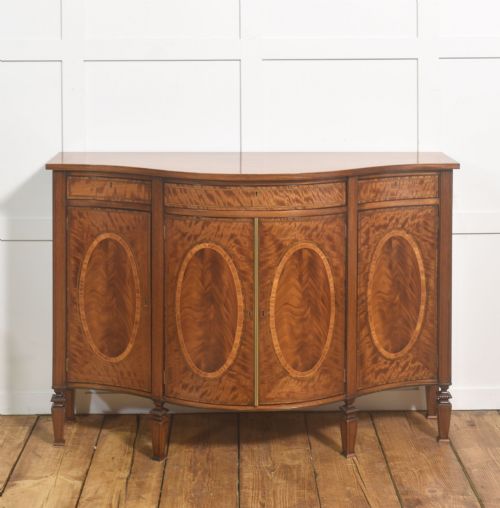
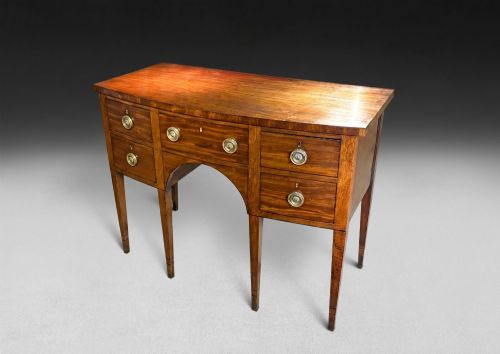
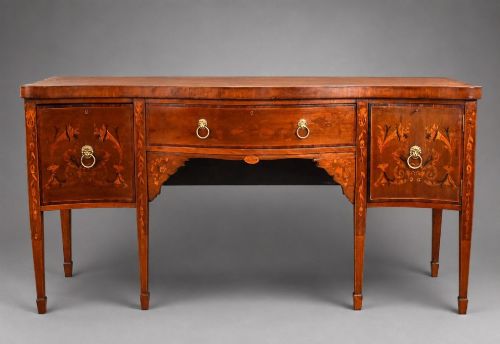
A georgian credenza cabinet encompasses formal dining room furniture designed for service and display, appearing primarily as sideboards, side cabinets, and chiffoniers. The selection reflects diverse periods, ranging from original 18th-century pieces to later revivals from the Edwardian era and the 1920s.
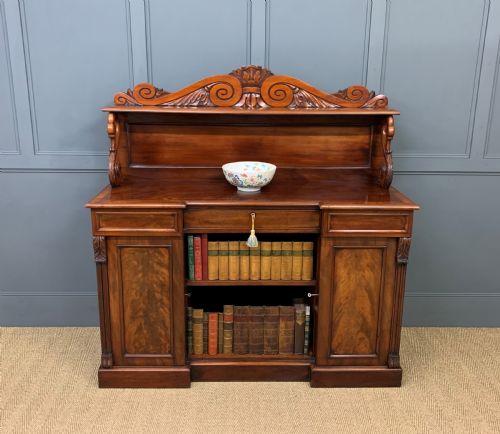
Buyers will most frequently encounter mahogany sideboards and side cabinets built during the Georgian and Regency periods, alongside later interpretations in satinwood and oak. These forms often feature enclosed cupboards, drawers, and occasionally upper bookcase sections.
The objects serve as functional storage units that anchor a dining room or hallway, utilising surface space for display while concealing tableware or linens within.
How they were made
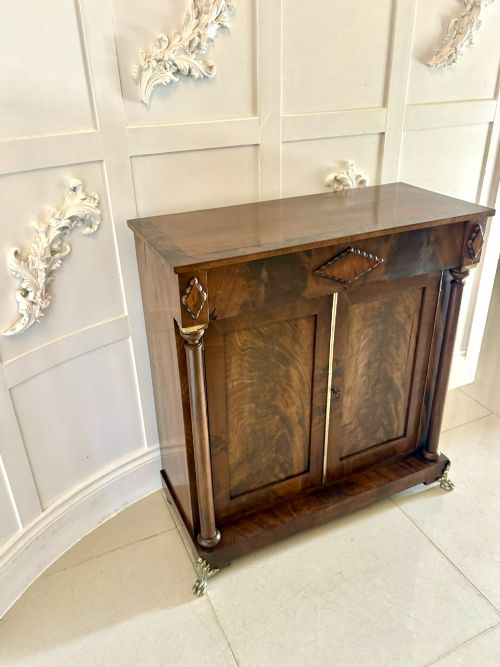
Cabinet-makers relied on solid timbers like mahogany, oak, and walnut as structural foundations, frequently applying flame mahogany, curl-mahogany, or satinwood veneers to prominent surfaces. These woods were chosen for their distinctive grain patterns and durability.
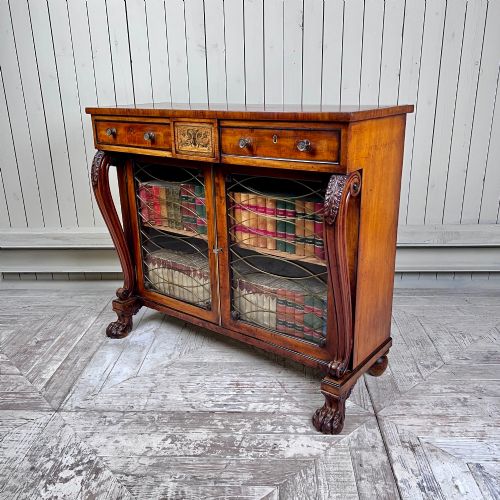
Construction techniques incorporated precise joinery, often enhanced with contrasting stringing, ebony details, and cast brass hardware. Glass doors and fabric linings appear on bookcase and chiffonier variants to display curated items.
Listings feature pieces spanning the 18th, 19th, and early 20th centuries, executed primarily in mahogany, oak, satinwood, and rosewood.
What varies in quality
The standard of a georgian credenza cabinet rests on the selection of timber veneers and the intricacy of inlay work. Figured mahogany and balanced grain matching distinguish finer examples from plain constructions.
Execution of decorative elements, such as lion paw feet, brass inlays, and carved mouldings, indicates the level of craftsmanship invested in the piece. Well-proportioned breaks, serpentine fronts, and original hardware elevate the overall presence.
The Georgian Credenza Cabinet Glossary
- Chiffonier
- A low sideboard or cabinet, frequently fitted with a shelf superstructure on the top. This form gained popularity during the Regency period.
- Breakfront
- A piece of furniture whose central section projects forward from the flanking outer sections. This arrangement creates a dynamic architectural facade.
- Serpentine
- A front profile that curves outward in the centre and inward toward the ends in a continuous wave line. It requires considerable skill from the woodworker.
- Demi-lune
- Half-moon shaped furniture designed to sit flush against a wall. These smaller side cabinets often feature tapering legs and delicate veneer work.
- Dresser base
- A sturdy low cabinet fitted with drawers and cupboards, originating from country houses. These pieces provide robust utility alongside traditional timber character.
Georgian Credenza Cabinet: Frequently Asked Questions
Where should I place a sideboard?
These cabinets suit dining rooms, grand hallways, or living spaces where surface display and concealed storage are equally useful. Their finished backs and substantial proportions allow them to anchor large wall spaces effectively.
Ensure adequate clearance for opening cupboard doors and drawers, particularly with bow-fronted or serpentine models that extend further into the room.
How do I identify a Regency piece?
Regency items often incorporate classical architectural motifs, brass inlay, and dark exotic woods like rosewood alongside mahogany. Proportions tend to be bold and clean-lined.
Look for specific hardware details such as lion paw feet and contrasting ebony stringing which are characteristic of the early nineteenth century.
What is the difference between a sideboard and a chiffonier?
A sideboard is typically a longer, lower serving table with multiple drawers and cupboards designed for dining rooms. A chiffonier is generally more compact and frequently includes a small bookshelf or mirrored superstructure on top.
Both fall under the broader category of storage cabinets but serve slightly different functional roles within traditional interiors.
How do I care for antique mahogany surfaces?
Maintain the timber by dusting regularly with a soft, dry cloth and applying natural beeswax sparingly to nourish the grain. Avoid placing the cabinet in direct sunlight or near heat sources to prevent the veneer from drying.
Protect the top surface from moisture and extreme temperature changes to preserve the original polish and finish.