


18th Century Sheffield Plate
These 18th century sheffield plate items combine copper and silver through a fused technique, bringing Georgian elegance to tablewares and serving pieces.
18th Century Sheffield Plate
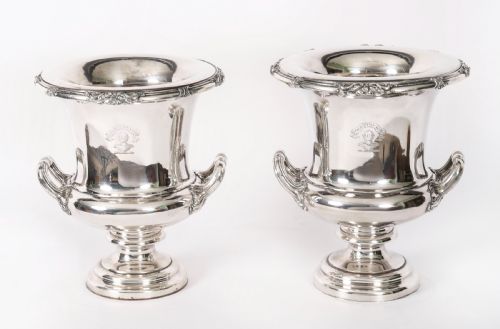
When you search for 18th century sheffield plate, you encounter items originating from the Georgian period that use a fused metal technique rather than electroplating. These pieces include coffee pots, lidded tankards, baskets, and wine goblets designed for dining and hospitality.
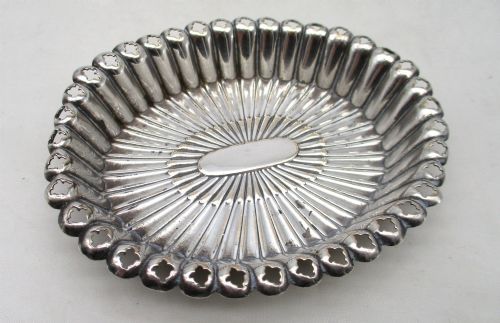
The objects span domestic and serving uses, ranging from wirework baskets and sweetmeat dishes to dish crosses and chambersticks. Coffee pots and tankards appear frequently among the listings, demonstrating the domestic utility of the material in the eighteenth century.
Materials and construction
Makers fused a thin sheet of silver to a thicker copper core by heating the metals until they bonded together. This composite sheet was then hammered, raised, or spun into vessels and decorative items.
Makers incorporated silver wire, wood handles, and occasionally coconut shell for mounts and vessels, combining metals with organic materials. Early marks and punch marks sometimes identify the workshops responsible for shaping the fused plates.
18th Century Sheffield Plate Retail Price Guide 2026
Typical asking prices for 18th century sheffield plate among the pieces listed under this phrase on Sellingantiques today, from the lower quarter to the upper quarter. They describe what is for sale here now, not the wider market.
Makers occasionally mounted coconut shells in fused silver, turning humble tropical nuts into exotic Georgian punch bowls and wine goblets.
Distinctions in craftsmanship
The quality of these objects depends upon the thickness of the original silver fusion and the crispness of the applied mounts. Superior examples retain their silver layers without excessive copper bleed through the wear points.
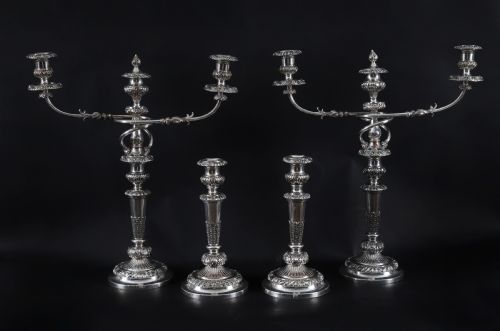
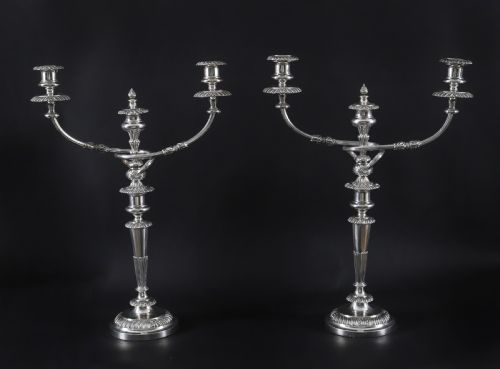
Form and ornamentation dictate the refinement of a piece, from plain tankards to intricate wirework baskets and lyre-shaped candlesticks. Hand-raised bodies and distinct early maker marks distinguish the finer productions from standard domestic wares.
Richard Morton·N Smith
The 18th Century Sheffield Plate Glossary
- Old Sheffield Plate
- A composite material made by fusing silver and copper together through heat and pressure before shaping. This method predates nineteenth-century electroplating.
- Wirework
- Openwork metal construction formed from soldered silver wires. This technique creates lightweight baskets, egg racks, and sweetmeat dishes.
- Lidded Tankard
- A drinking vessel with a hinged lid designed for ale or beer. These robust forms often feature substantial copper cores.
- Dish Cross
- An adjustable framework used to elevate dishes above the table surface during formal meals. They frequently incorporate pierced or silver-plated components.
18th Century Sheffield Plate: Frequently Asked Questions
What is copper bleed?
Copper bleed occurs when the thin silver layer wears away through centuries of polishing, exposing the reddish copper core beneath.
This telegraphs the age and usage history of the object, often appearing on raised edges or high-contact areas.
Are these pieces marked with maker stamps?
Some items bear early maker punches or workshop marks, though many domestic vessels remain unmarked from this era.
Maker attribution relies heavily on recorded workshop styles, construction methods, and contemporary documentation.
How do I display these items at home?
Display coffee pots, tankards, and candlesticks on wooden sideboards or within cabinets away from direct moisture and extreme heat sources.
Grouping items like wirework baskets or wine goblets highlights the varied forms produced during the Georgian period.