



18th Century Porcelain Plate
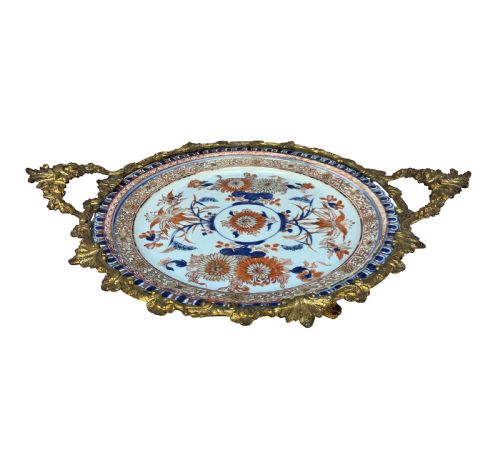
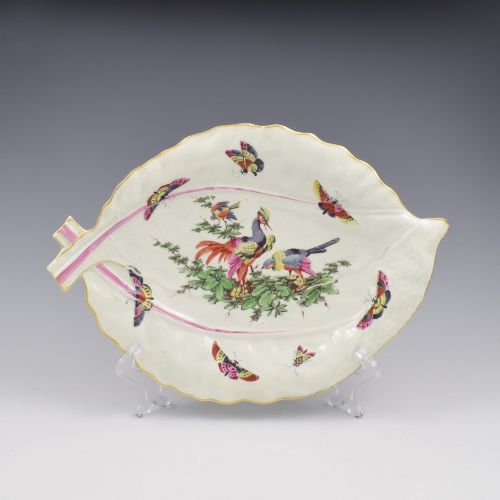
An 18th century porcelain plate brings hand-painted floral enamels, armorial crests and intricate oriental birds into a room as fine table service from the Georgian era.
18th Century Porcelain Plate
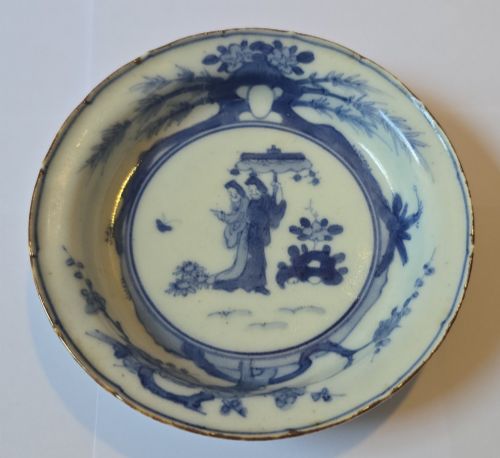
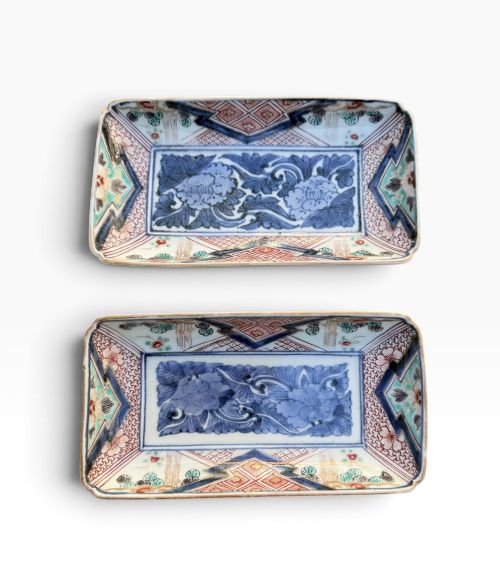
An 18th century porcelain plate encompasses decorative dishes, dessert services, chargers and soup plates produced across European factories and Chinese export kilns during the Georgian period. Buyers encounter everything from blue and white Chinese Imari dishes to elaborate French soft-paste table pieces decorated with hand-painted birds and flowers.
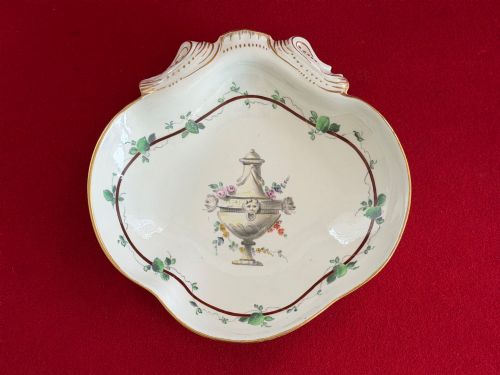
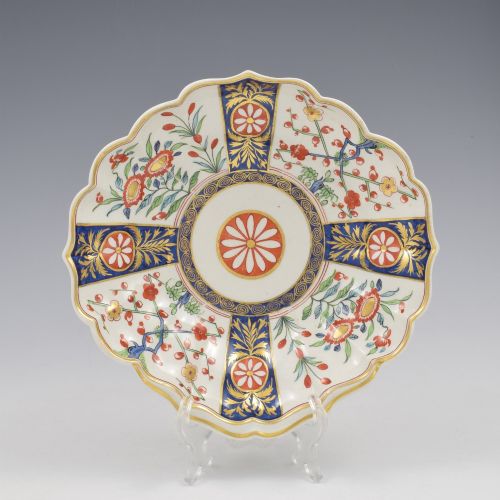
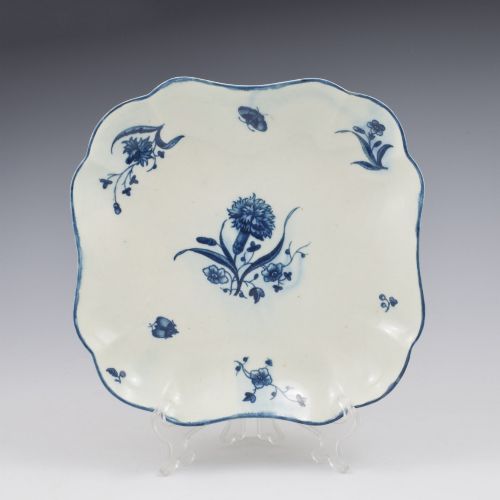
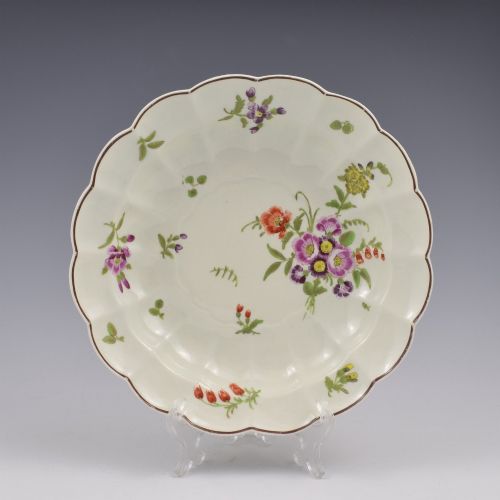
English manufactories such as Worcester, Derby, Bow and Caughley dominate the domestic side of the selection, often utilising distinct botanical patterns, scale grounds and exotic bird motifs. Alongside these sit continental porcelain plates from Sèvres, Meissen, Chantilly and Fürstenberg, reflecting various regional tastes and technical experiments in ceramic bodies.
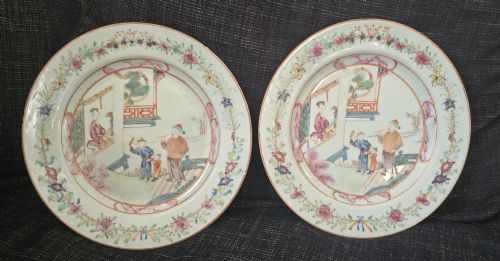
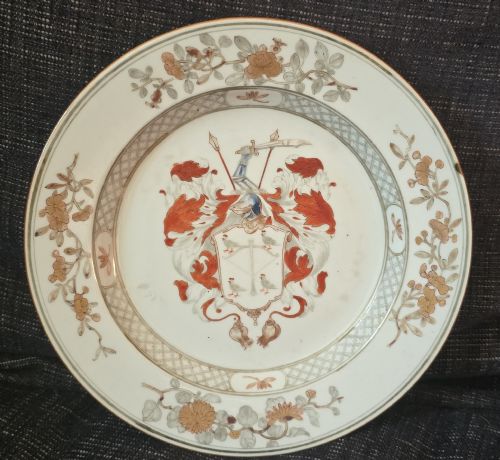
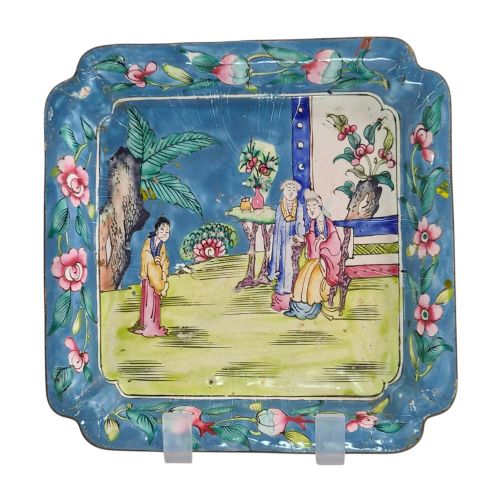
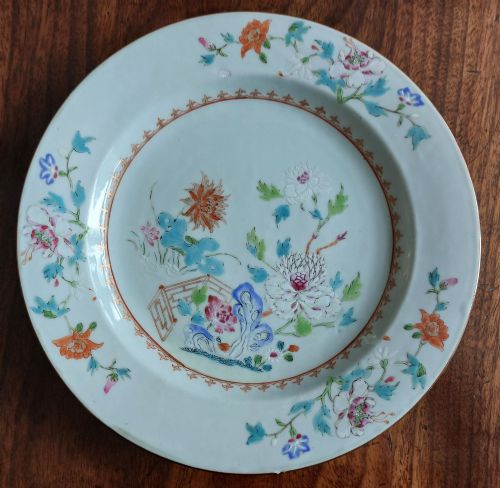
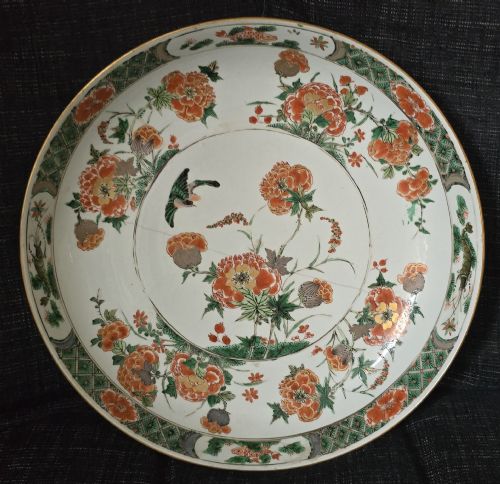
Chinese export porcelain plays a substantial role in this category, particularly Qianlong period Famille Rose armorial plates and chargers made for Western markets. These items bridge Eastern potting traditions with European heraldic designs, creating durable and highly decorative service pieces that survived centuries of handling.
How they were made
Potters utilised hard-paste porcelain, soft-paste porcelain, and pearlware bodies moulded into octagonal, lobed, or standard circular plates before applying fluid glaze. Soft-paste porcelain, common in early English and French workshops, required lower firing temperatures and produced a softer, warmer body that interacted differently with enamel colours.
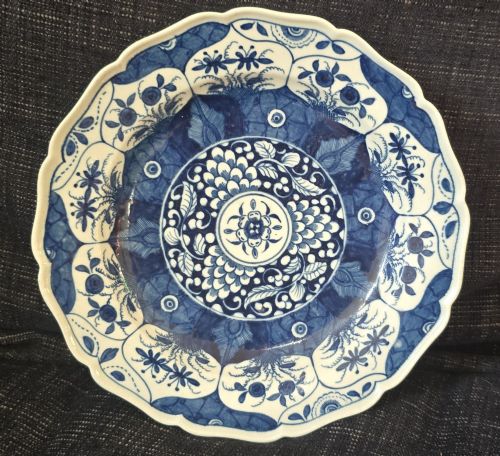
Decoration relied heavily on handpainted polychrome enamels, underglaze blue painting, and applied gold leaf or gilding to accent borders and rims. Workshops often integrated specialised techniques such as Kakiemon palettes, cailloute grounds, or moulded ozier borders to elevate plain white porcelain surfaces.
18th Century Porcelain Plate Retail Price Guide 2026
Typical asking prices for 18th century porcelain plate among the pieces listed under this phrase on Sellingantiques today, from the lower quarter to the upper quarter. They describe what is for sale here now, not the wider market.
Listings feature eighteenth-century porcelain plates spanning English soft-paste factories, Chinese export wares, and continental hard-paste manufactories.
What varies in quality
Quality rests upon the crispness of the hand-painted brushwork, the precision of the polychrome enamel application, and the complexity of the underlying porcelain form. Specialised motifs like armorial crests, detailed bird studies, or intricate Kakiemon patterns command attention through the artist's control over fine lines and colour saturation.
The physical condition of the ceramic body, the stability of the glaze, and the preservation of the original gilding or gold leaf define the upper tier of survivals. Pieces retaining their factory marks and originating from documented periods such as the First Period Worcester or Qianlong eras exhibit superior historical integrity.
Ambroise Michel·James Giles·Wedgwood·Meissen·Sèvres
The 18th Century Porcelain Plate Glossary
- Soft-paste porcelain
- A ceramic composition made from white clay mixed with ground glass and other materials, fired at lower temperatures than hard-paste. This early body type yielded a distinctive translucent warmth and absorbed enamel colours deeply into the glaze.
- Famille Rose
- A major palette of Chinese ceramic glazes introduced during the Qing dynasty, characterised by an opaque pink or purple enamel derived from colloidal gold. Artisans used this shade alongside greens and yellows to render vibrant floral and figurative scenes.
- Kakiemon
- An asymmetric Japanese porcelain style featuring milk-white backgrounds decorated with refined iron red, blue, green, and yellow enamels. European factories frequently copied these distinct bird and floral motifs throughout the eighteenth century.
- Armorial
- A term describing ceramics painted with specific family coats of arms or crests, commissioned primarily for export by European nobility and wealthy merchants. These plates represent documented historical commissions.
- Ozier border
- A moulded basketweave pattern pressed into the rim of ceramic plates, popular in European porcelain design. This relief technique added texture and structural rigidity to the edge of the dish.
18th Century Porcelain Plate: Frequently Asked Questions
How do I spot First Period Worcester?
First Period Worcester porcelain is identified by characteristic paste variations, crescent or square fret marks, and distinct decorative schemes like Chantilly sprigs or scale blue grounds. The body often shows translucent greenish tones when held to strong light.
Many pieces feature delicate hand-painted birds, floral sprays, or Japanese Kakiemon designs characteristic of the Dr Wall era. Examining the footrim and glaze pooling helps confirm eighteenth-century manufacture.
What is Chinese export porcelain?
Chinese export porcelain refers to wares made in China specifically for Western markets, encompassing durable plates and chargers featuring Famille Rose enamels or armorial crests. These items combined traditional Eastern potting methods with European design requirements.
Orders arrived via trading companies, resulting in durable hard-paste plates that served wealthy households across Georgian Britain. The decoration often depicts Western coats of arms, bespoke landscapes, or vibrant floral arrangements.
Can I use these antique plates?
Using eighteenth-century porcelain plates for dining is generally discouraged due to the fragility of soft-paste bodies, historical enamel wear, and potential damage to fragile gilding. Most collectors choose to display them on plate stands or mount them securely on walls.
Hand-washing in lukewarm water without harsh detergents is necessary if cleaning is required, avoiding dishwashers entirely. Modern utensils can easily scratch soft eighteenth-century glazes and enamels.
How do I tell soft paste from hard paste?
Soft-paste porcelain typically has a warmer, slightly creamy appearance with a softer glaze that may show tiny pinholes or pooling near the footrim. Hard-paste porcelain is whiter, harder, and rings more clearly when gently tapped.
Under magnification, soft-paste bodies reveal a glassy matrix that absorbed enamel colours differently than true porcelain stone mixtures. Continental factories like Meissen utilised hard-paste, while early English works relied heavily on soft-paste.