

18th Century Porcelain Bowl
When you search for an 18th century porcelain bowl, you enter a diverse field of English factories and East Asian export wares crafted for domestic display and dining.
18th Century Porcelain Bowl
An 18th century porcelain bowl encompasses domestic vessels intended for tea service, sugar storage, punch mixing, and table presentation. The selection spans English factories like Worcester, Derby, and Chelsea alongside Chinese export pieces and Japanese Arita wares.
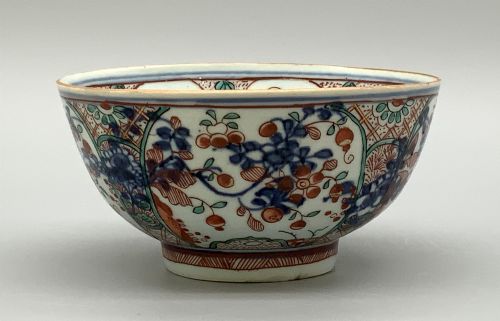
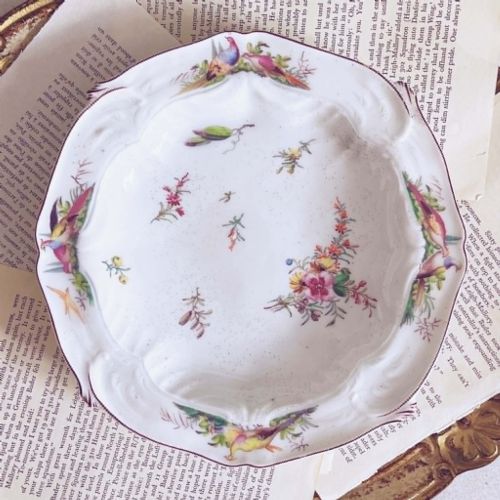
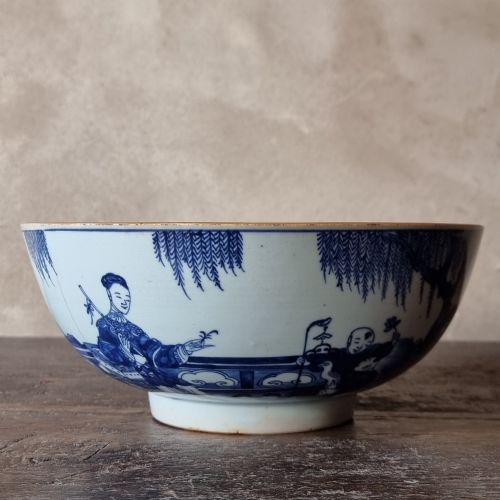
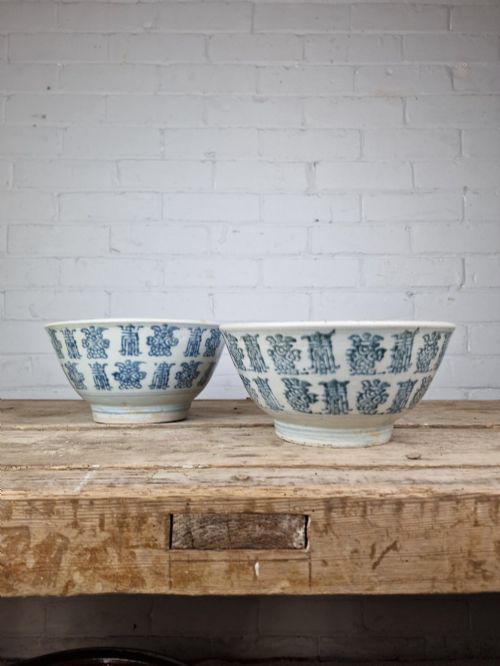
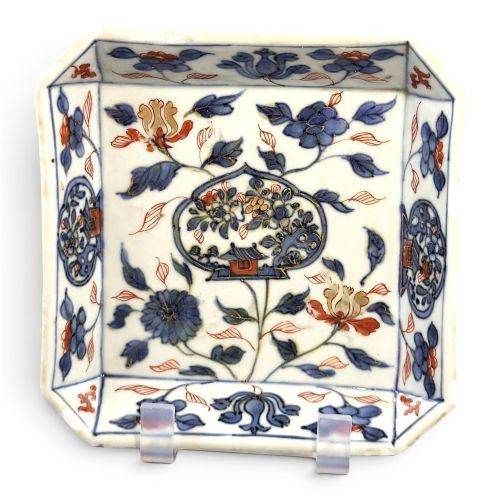
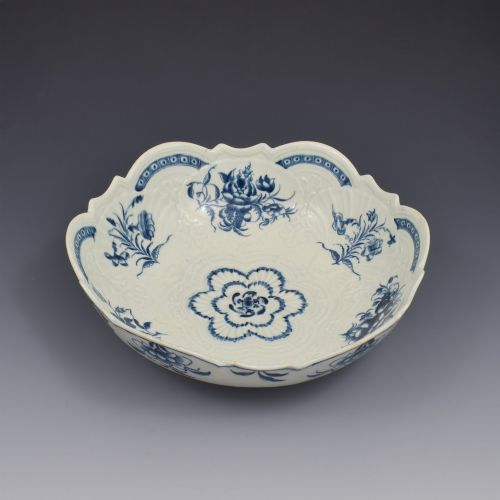
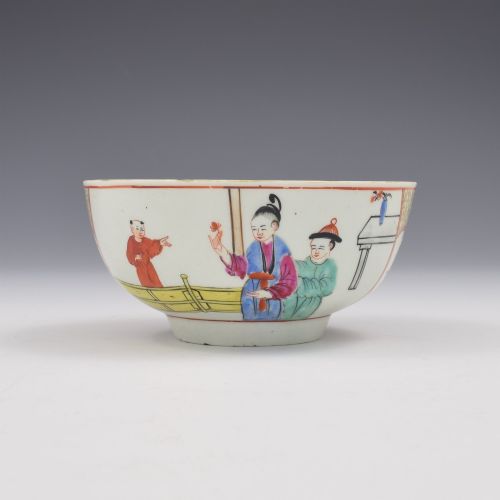
English examples frequently take the form of tea bowls, slop bowls, and sucriers, often decorated with cobalt blue underglaze or polychrome enamels. Export items from the Qing Dynasty and Edo Period introduce Imari palettes, famille rose pigments, and generous punch bowl dimensions.
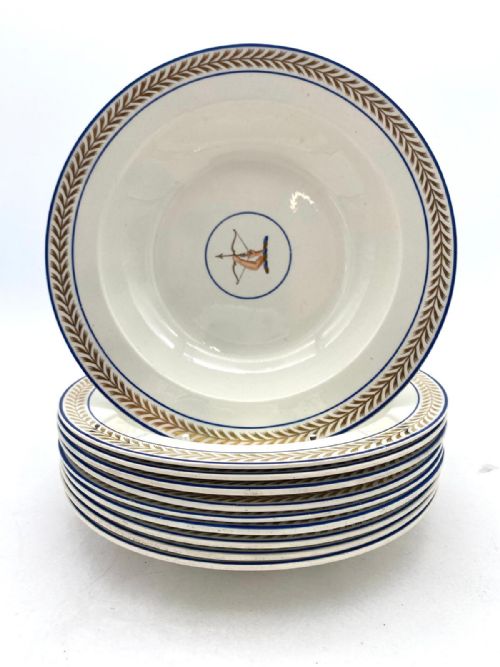
Buyers encounter both utilitarian table vessels and decorative display pieces produced across the Georgian era. These objects record the shifting tastes of European and Asian markets through handpainted flora, figures, and armorial motifs.
How they were made
Manufacture relies on hard-paste porcelain in Asian kilns and soft-paste porcelain formulations across English potteries, shaped by hand or moulded. Cobalt glaze provides the deep blue underglaze decoration seen on early pieces, fired at high temperatures to fuse with the ceramic body.
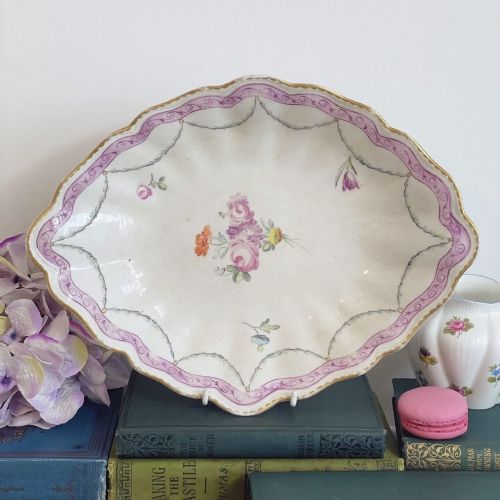
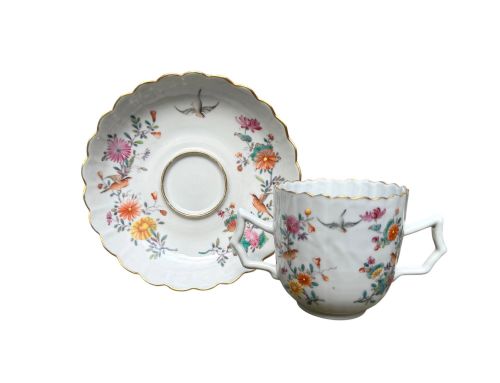
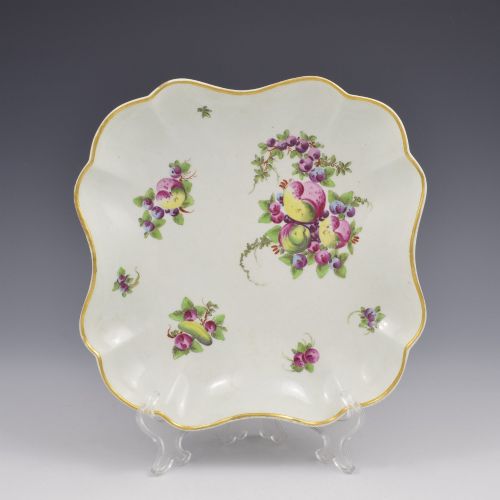
Enamel paints and gold leaf are applied over the glaze during subsequent lower-temperature firings to fix polychrome details and borders. Artisans utilise handpainted brushwork for figurative scenes, floral sprays, and intricate geometric framing.
Listings feature porcelain forms from the Qing Dynasty, Edo Period, and Georgian era, incorporating soft-paste bodies, enamel paint, and gold leaf.
What varies in quality
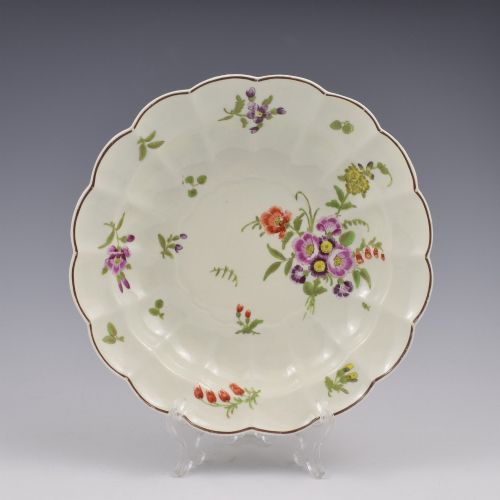
Quality separates through the precision and delicacy of the handpainted decoration, from spontaneous brushwork on Chinese export items to careful polychrome bird and flower studies on English porcelain. The clarity of the glaze and the successful vitrification of soft-paste bodies distinguish finer workshop outputs.
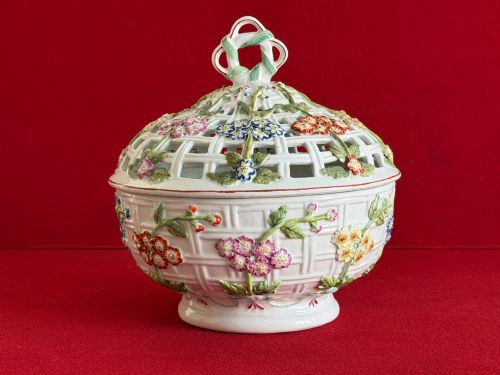
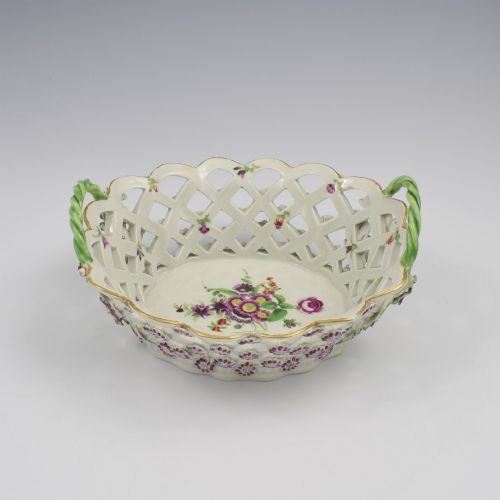
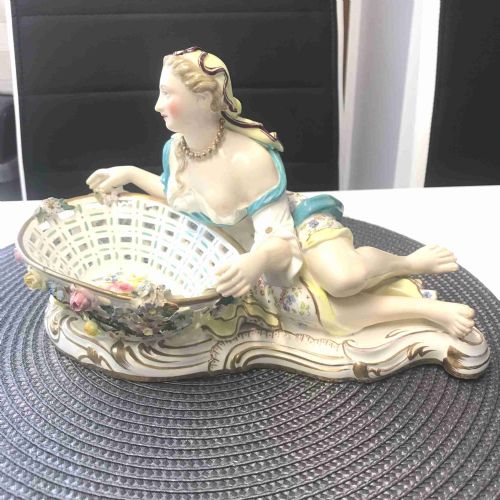
The sophistication of the form, such as fluted walls, moulded basket weave textures, or intricate handles and covers, marks higher production standards. Rarity of pattern, such as specific named printing or unusual armorial commissions, further elevates individual examples.
Dr Wall Worcester·Chelsea·Derby·Meissen·Sevres·Wedgwood·Chamberlain Worcester
The 18th Century Porcelain Bowl Glossary
- Soft-paste porcelain
- A ceramic composition developed in European factories using white-firing clay, glass frit, and ground minerals rather than natural kaolin. This body allows for distinctive glaze pooling and softer translucency under light.
- Slop bowl
- A larger vessel utilised during tea service to receive discarded tea leaves and leftover dregs from individual cups. These generous bowls often match the tea bowls and saucers of a complete service.
- Imari
- A style of decorative ceramic originating in Japan and subsequently copied by European factories, defined by a palette of underglaze blue, iron red, and gilt highlights. The designs typically feature complex floral and panel arrangements.
- Sucrier
- A covered vessel designed specifically for holding lump or loose sugar on the tea table. English and continental factories frequently paired these with matching tea bowls and cream jugs.
- Famille rose
- A palette of opaque enamel colours dominated by pink and rose shades introduced to Chinese porcelain production during the Qing Dynasty. Artisans apply these pigments over the glaze to render delicate floral and human figures.
18th Century Porcelain Bowl: Frequently Asked Questions
What is a slop bowl used for?
A slop bowl served an essential function during 18th century tea drinking by holding discarded leaves and unwanted liquid from guests' cups.
Hostesses emptied individual tea bowls into this larger central vessel before pouring fresh servings from the teapot.
What is Chinese export porcelain?
Chinese export porcelain comprises wares made in kilns such as Jingdezhen specifically for European and American trading markets during the Qing Dynasty.
These pieces combine traditional Eastern throwing and painting techniques with shapes and armorial designs requested by Western buyers.
How should I clean antique porcelain?
Antique porcelain requires gentle hand washing in lukewarm water using a mild, non-abrasive liquid soap and a soft cloth.
Soaking should be avoided, especially with pieces exhibiting overglaze enamel or gold leaf decoration that can degrade over time.