

18th Century Paper Print
An 18th century paper print captures the graphic arts and portraiture of the Georgian era, offering collectors tangible links to historical portraiture, cartography, and satirical commentary.
18th Century Paper Print
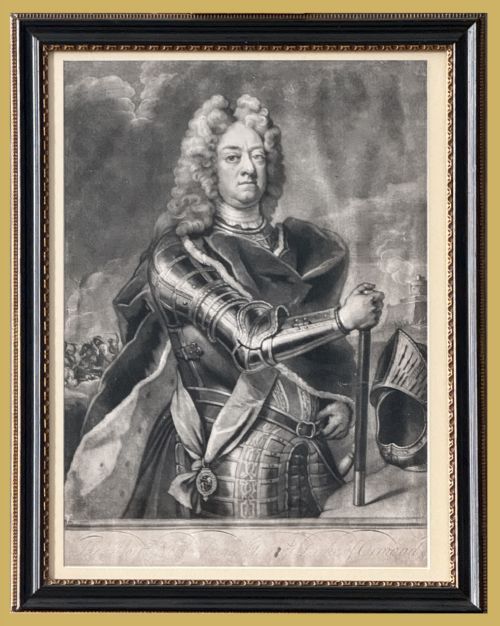
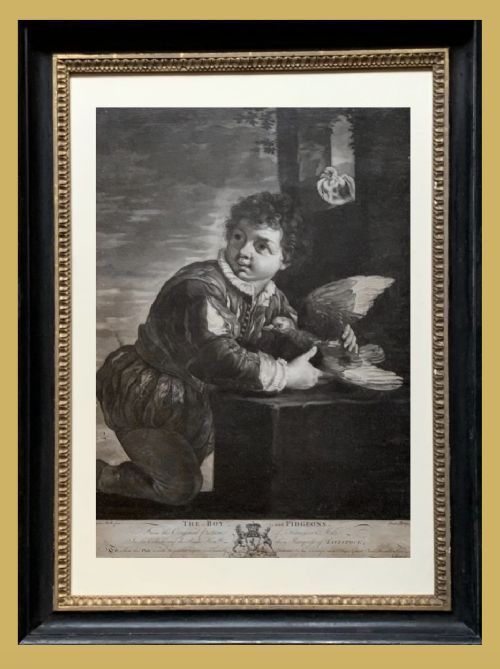
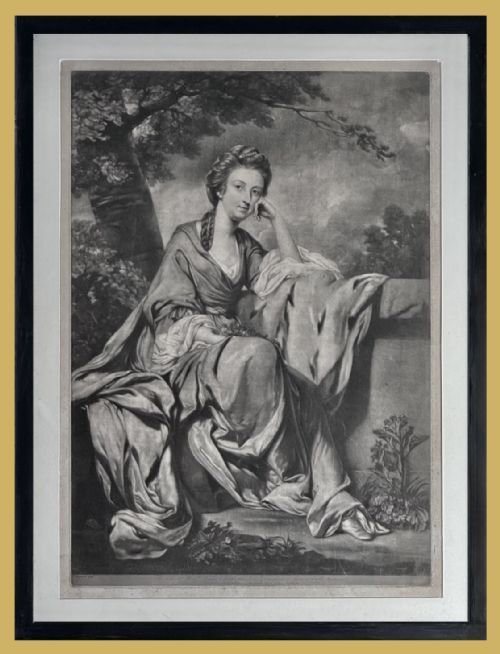
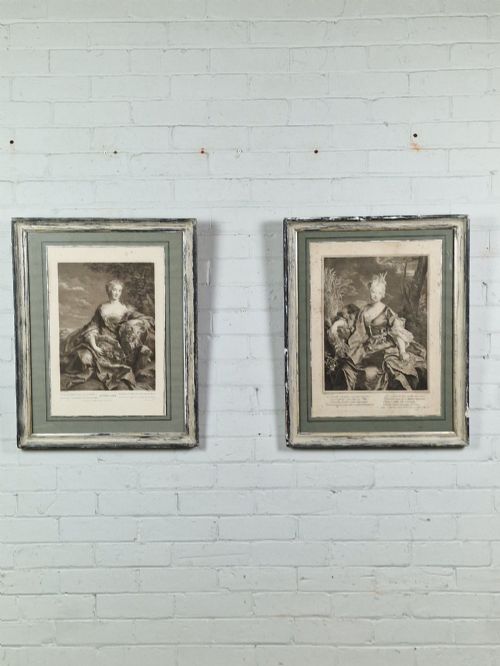
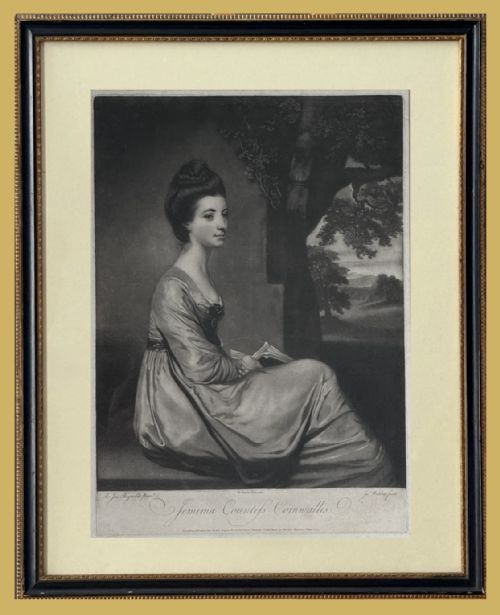
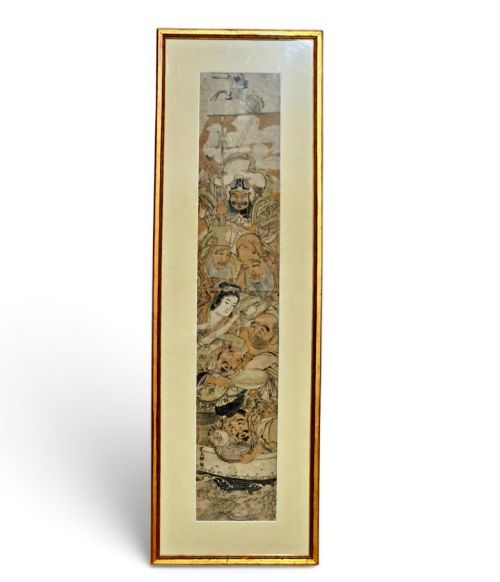
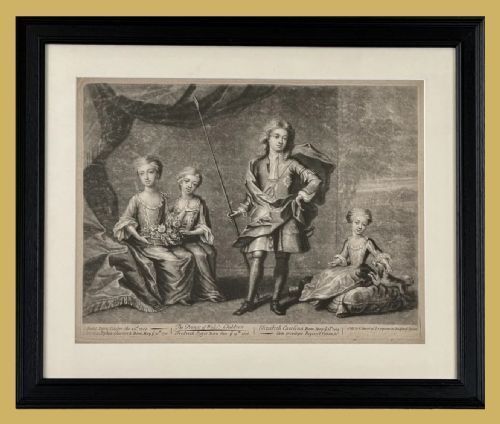
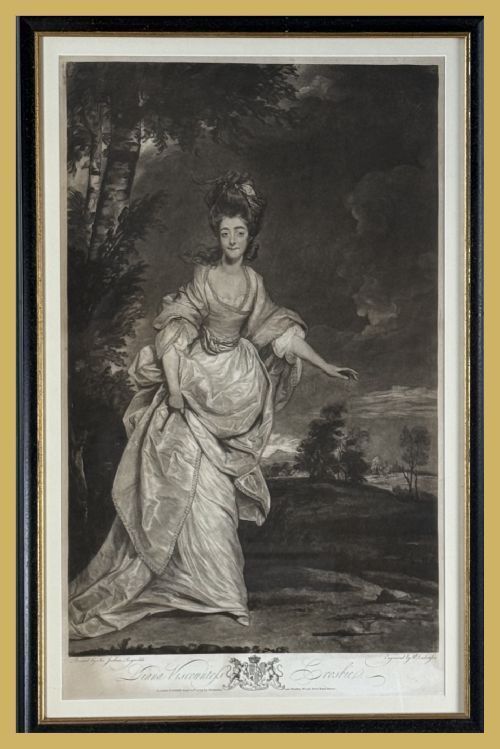
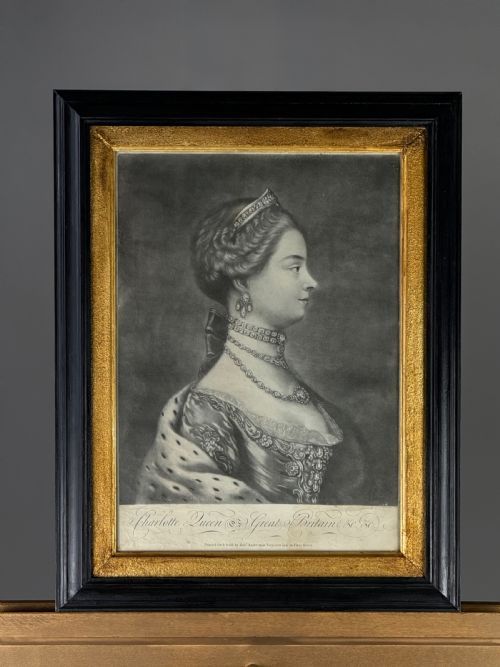
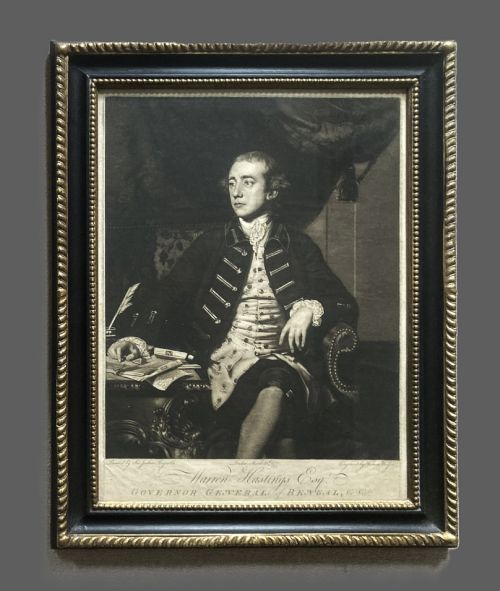
Collectors seeking an 18th century paper print encounter a diverse array of framed works, from mezzotint portraits and line engravings to antique maps and architectural plates. These works span the Georgian era and include European, French, and Japanese Ukiyo-e aesthetics.
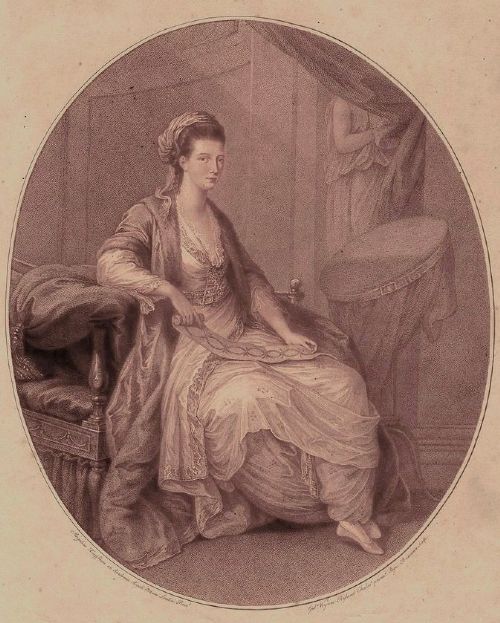
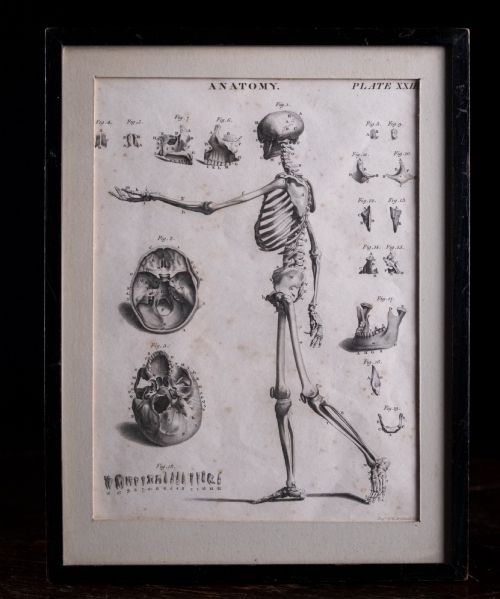
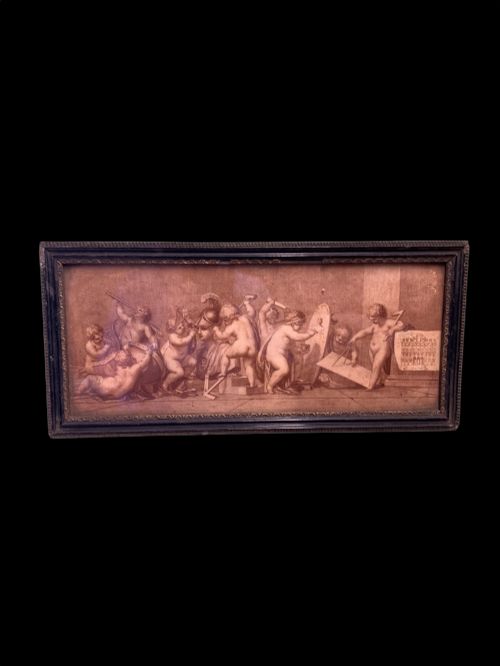
The pieces on this page are predominantly framed prints, wall art, and engravings that depict notable historical figures, military leaders, and classical scenes. Subjects range from botanical and anatomical studies to satirical caricatures and regional cartography.
Visitors will also find watercolours and wash drawings alongside the dominant print formats, reflecting the varied visual culture of the period. This selection provides an accessible entry point into collecting historical works on paper.
Materials and printmaking techniques
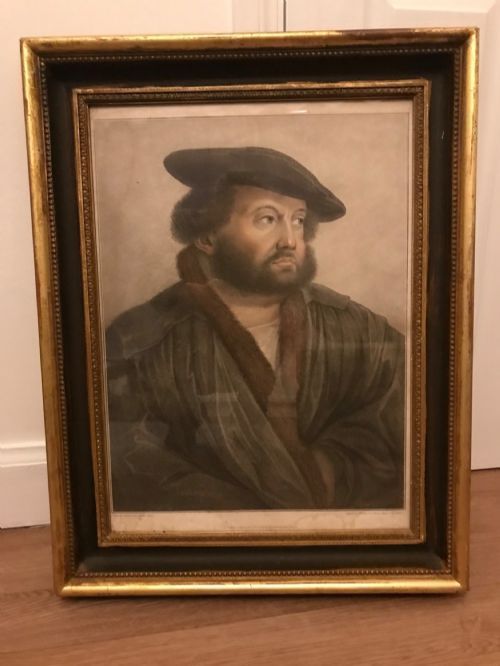
These works rely on paper as the primary support, combined with ink applied through intaglio techniques such as engraving and mezzotint. Artists also utilised watercolour and wash for hand-coloured details on specific plates.
Framing materials reflect the period aesthetic, utilising wood, glass, giltwood, and gold leaf to protect and display the delicate paper sheets. Original frames occasionally accompany the prints, maintaining the historical integrity of the piece.
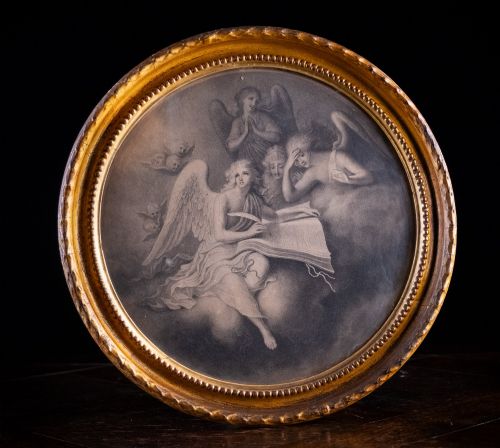
Several prints depict weeping angels and celestial dogs, proving that Georgian wall art possessed a wonderfully dramatic imagination.
Distinctions in craftsmanship and condition
Quality in these works depends heavily on the clarity of the ink impression and the skill of the printmaker or engraver translating the original painting or drawing. Sharp plate marks and deep contrasts distinguish superior mezzotints and line engravings from worn impressions.
The preservation of the paper substrate and the presence of contemporary hand-colouring influence the overall desirability of a piece. Original framing and well-documented provenance further elevate the standing of individual works.
John Simon·John Boydell·Edward Fisher·Francesco Bartolozzi·John Smith·James Watson·Katsukawa Shunshō·Thomas Watson·Valentine Green·James Macardell·Jacobus Houbraken·Étienne Baudet·William Hogarth
The 18th Century Paper Print Glossary
- Mezzotint
- A printmaking process of the intaglio family where the copper plate is roughened uniformly to produce rich dark tones and subtle tonal gradations. This technique was frequently utilised for 18th century portraiture.
- Stipple engraving
- A method of producing prints by means of dots rather than continuous lines, allowing for delicate flesh tones and subtle shading. Francesco Bartolozzi popularised this technique during the period.
- Cartography
- The study and practice of making maps, represented here by regional and national maps from 18th-century atlases. These sheets often feature decorative cartouches and hand-coloured borders.
- Plate mark
- The indentation left on the paper by the edge of the printing plate during the press operation. Its presence confirms the authenticity of an intaglio print.
18th Century Paper Print: Frequently Asked Questions
How should I display an 18th century paper print?
Protect the paper from direct sunlight by placing the framed work on interior walls away from harsh windows. UV-filtering glass helps prevent the ink and any hand-applied watercolour from fading over time.
Maintain stable room temperatures and avoid humid environments such as kitchens or bathrooms to prevent foxing and paper degradation. Secure hanging hardware ensures the original or period frame supports the weight safely.
What is the difference between an engraving and a mezzotint?
An engraving relies on lines cut directly into a metal plate with a burin to create a crisp, detailed image. This technique suits architectural plans, maps, and precise figurative work.
In contrast, a mezzotint builds an image from dark to light by roughening the metal plate to hold ink, producing velvety shadows and subtle tonal ranges. Portrait publishers favoured mezzotints for translating oil paintings into print.
Are these prints contemporary to the 18th century?
The listings comprise period impressions printed during the 18th century or under the direct supervision of the artists and publishers named. Reference to specific engravers and publishers confirms the historical window of production.
Buyers should examine the paper characteristics and plate impressions to verify the age of the print. Period framing often provides additional context regarding the era of assembly.
What subjects are most common in these collections?
Portraiture dominates the selection, featuring monarchs, military commanders, and literary figures after painters like Sir Joshua Reynolds. These historical likenesses formed the core of domestic portrait collections in Georgian homes.
Other frequent subjects include topographical maps, architectural elevations, botanical studies, and satirical caricatures. Each category reflects the intellectual and visual interests of the Georgian period.