

Georgian Art
Georgian antique art comprises painted portraits, delicate silhouettes, and fine prints that capture the distinct character of the eighteenth and early nineteenth centuries.
Georgian Art
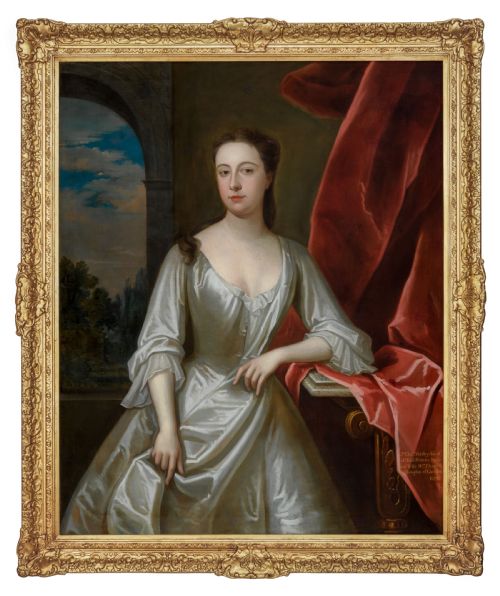
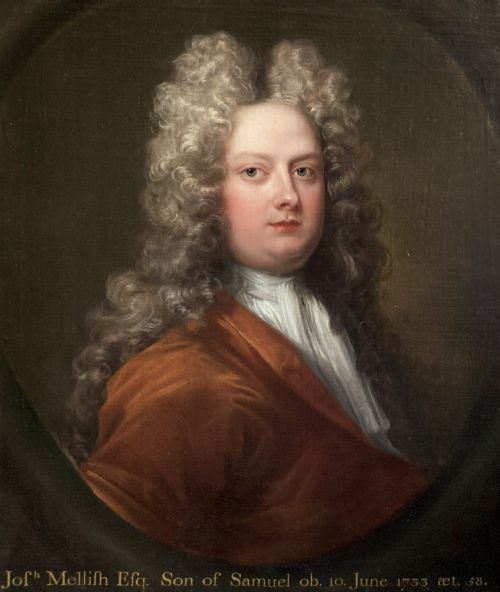
When buyers search for georgian antique art, they encounter a focused selection of works on paper, canvas, and glass from the eighteenth century and the Regency period. These pieces span oil paintings, portrait miniatures, framed prints, and detailed cut-paper silhouettes.
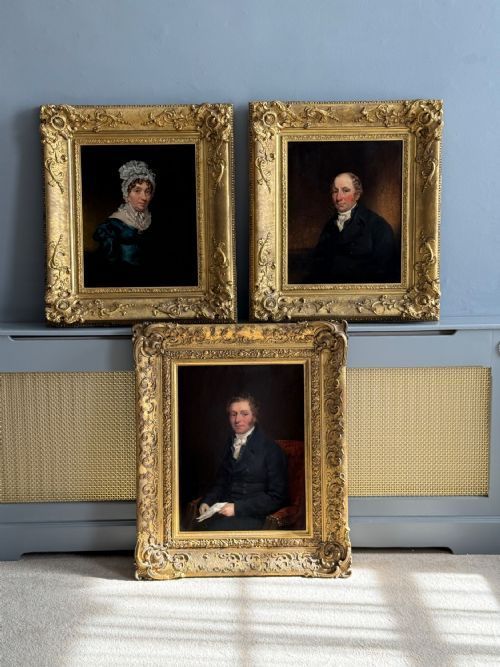
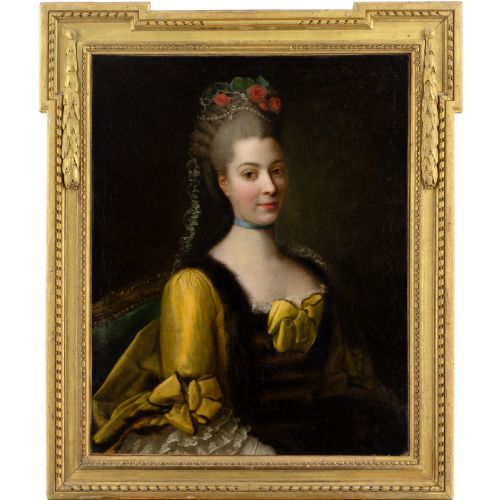
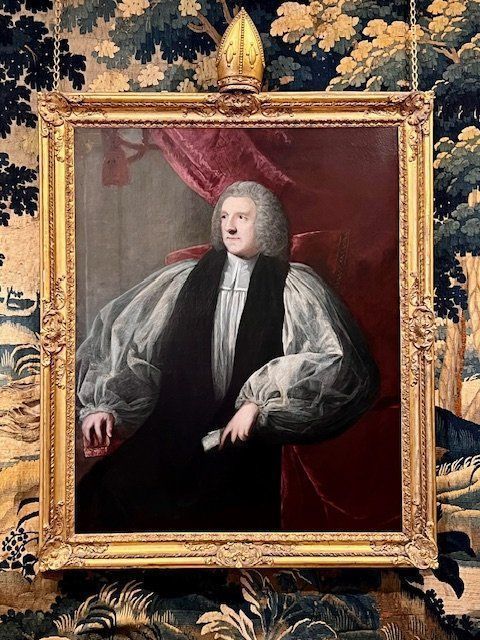
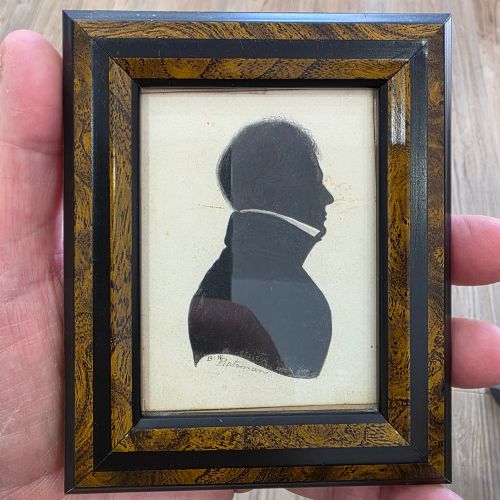
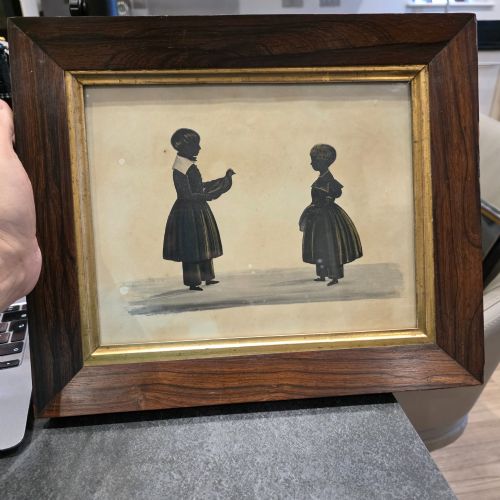
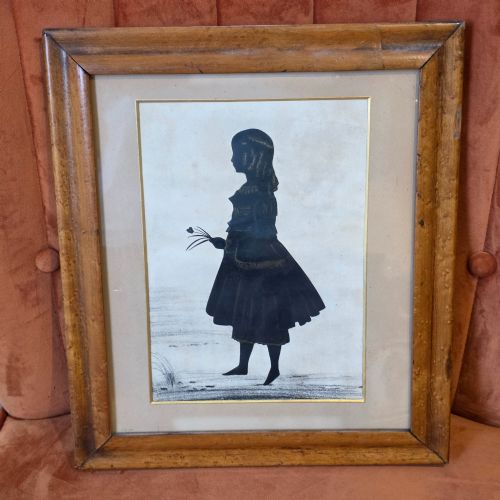
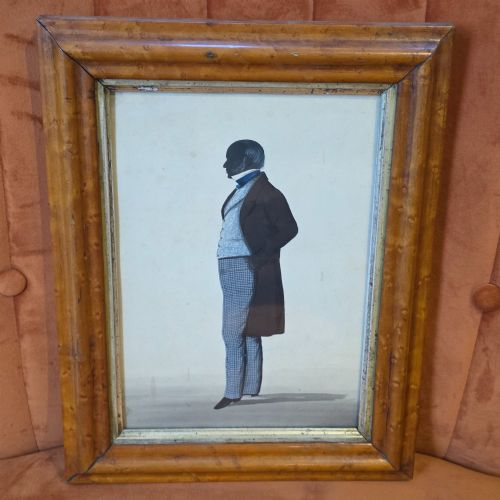
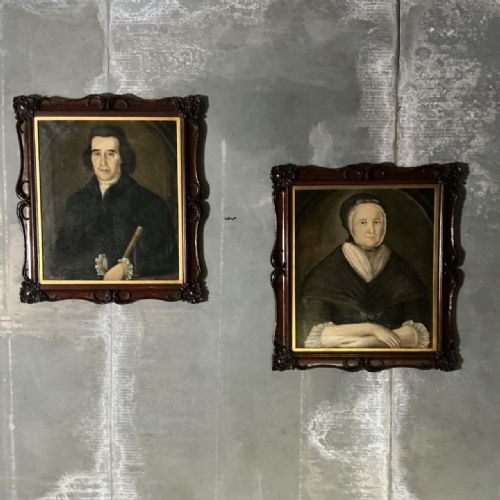
The inventory leans heavily toward portraiture, featuring oil paintings on canvas, pastel drawings, and stipple engravings of notable figures and gentlefolk. Alongside these formal portraits, delicate silhouettes in cut paper and watercolour document the era with intimate precision.
Many of these works originate from British workshops and studios, utilising techniques passed down through generations of painters and engravers. Buyers find both original works and period prints, offering a direct window into the visual culture of the Georgian age.
What varies in quality
Quality rests in the precision of the hand and the preservation of the medium, distinguishing master portraitists from competent jobbing artists. Fine brushwork, accurate anatomical rendering, and delicate line work in silhouettes separate exceptional examples from simpler output.
The condition of the surface material dictates desirability, with stable oil paint, crisp paper edges, and minimal fading preserving the visual impact. Original framing, such as period giltwood frames, enhances the integrity of the piece.
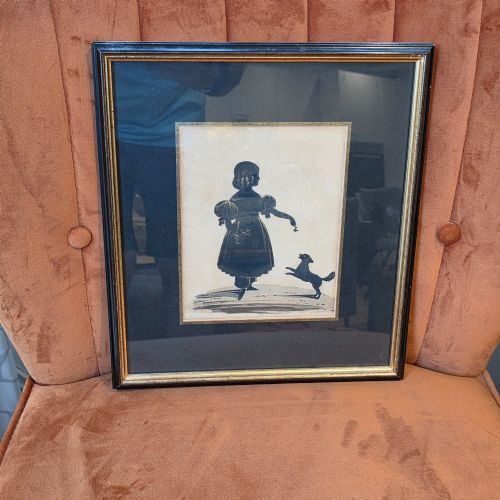
One silhouette captures a young girl alongside her loyal dog, preserving a quiet moment of Regency companionship in cut paper.
Sir Godfrey Kneller·Charles Jervas·Michael Dahl·Sir Joshua Reynolds·William James Hubard·Francesco Bartolozzi·John Boydell·James Watson·Edward Fisher·John Smith·James Sharples·Henry Bone·John Opie·Jeremiah Davison
The Georgian Art Glossary
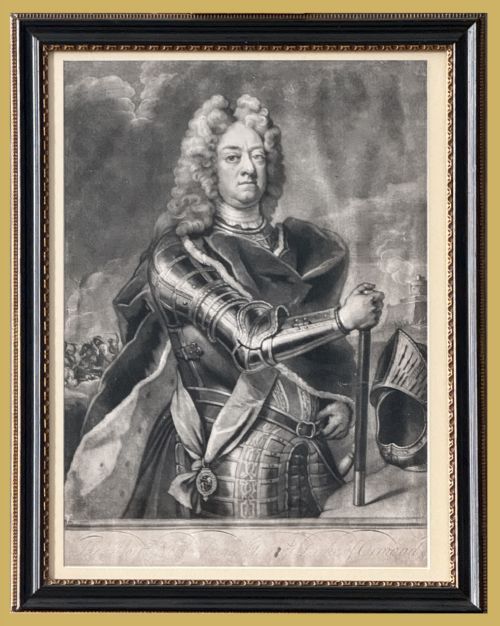
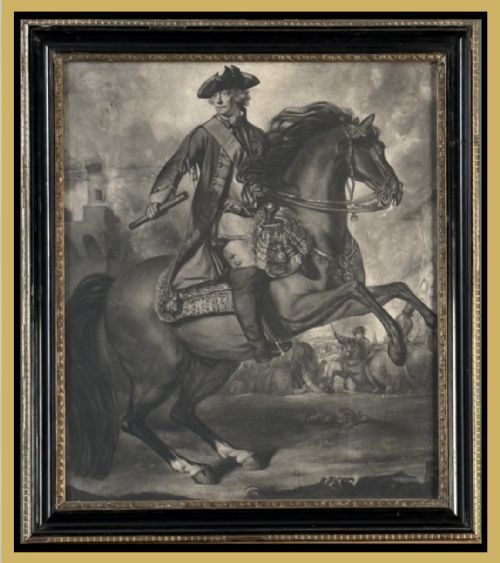
- Mezzotint
- A printmaking process where the copper plate is roughened to produce dark tones and scraped to create light areas. This technique allows for subtle gradations of tone, highly favoured for eighteenth-century portrait prints.
- Silhouette
- A portrait profile cut from black paper or painted in solid dark pigment against a light background. Named after Étienne de Silhouette, these profiles gained immense popularity during the Georgian era for portable likenesses.
- Stipple engraving
- A method of engraving that uses dots rather than lines to create tonal effects and soft shadows. Francesco Bartolozzi popularised this technique in Britain during the late eighteenth century.
- Reverse painting on glass
- An artwork created by painting or applying gilt on the reverse side of a glass panel so the image is viewed through the front. This technique protects the pigments from dust and atmospheric damage.
- Giltwood
- Wood that has been coated with a thin layer of gold leaf or gold paint. Georgian picture frames often feature carved giltwood construction with intricate moulded details.
Georgian Art: Frequently Asked Questions
What subjects appear most often in these paintings?
Portraits of identified and anonymous gentlemen, ladies, and nobility dominate the painted works in this category. Artists captured sitters with attributes such as books, orange blossoms, or horses to denote their status and interests.
Religious scenes and classical adaptations also surface, reflecting the broader artistic tastes of the eighteenth century and the Regency period.
How should I display antique silhouettes?
Silhouettes demand protection from direct sunlight to prevent the paper from fading and the delicate watercolours from bleaching. Hang them on interior walls away from moisture sources like kitchens and bathrooms.
Keep them in their original frames where possible, as these provide a stable environment and maintain the historical integrity of the piece.
What is a reverse glass mezzotint?
A reverse glass mezzotint combines printmaking and glass painting by adhering a printed mezzotint face-down onto glass. The paper backing is then rubbed away, leaving only the ink adhered to the glass surface.
Artists hand-coloured these transparent layers from behind, producing a luminous finish that protects the ink from atmospheric wear.
How do I care for eighteenth-century oil paintings?
Maintain a stable room temperature with moderate humidity to prevent the canvas from slackening and the oil paint from cracking. Avoid placing paintings near active heat sources or in areas subject to rapid temperature swings.
Dust the surface gently with a soft, dry brush and avoid chemical cleaning agents entirely.