

18th Century Lowboy Desk
An 18th century lowboy desk provides compact drawer storage and a writing surface, prized for its elegant proportions and versatile utility.
18th Century Lowboy Desk
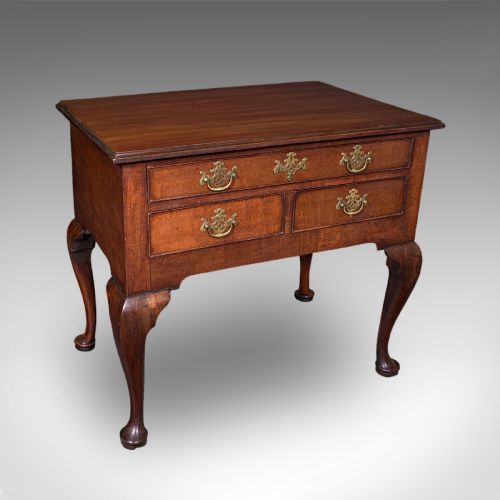
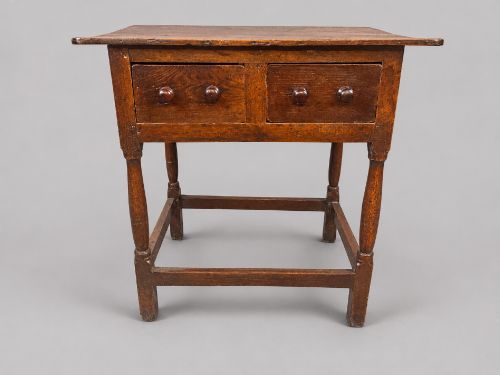
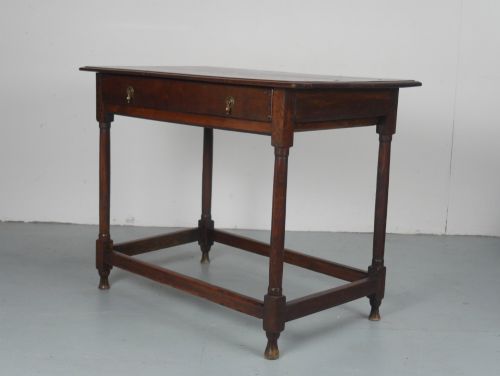
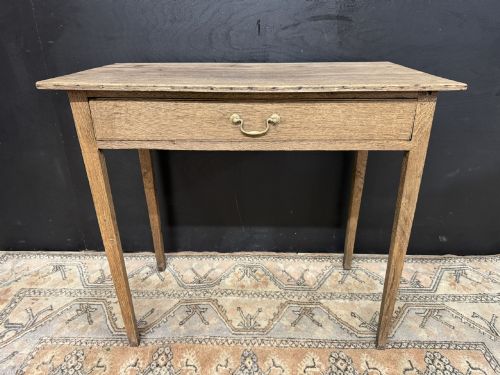
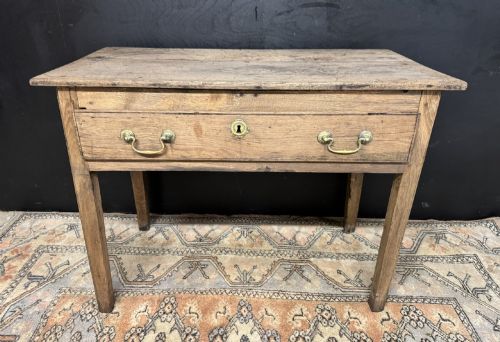
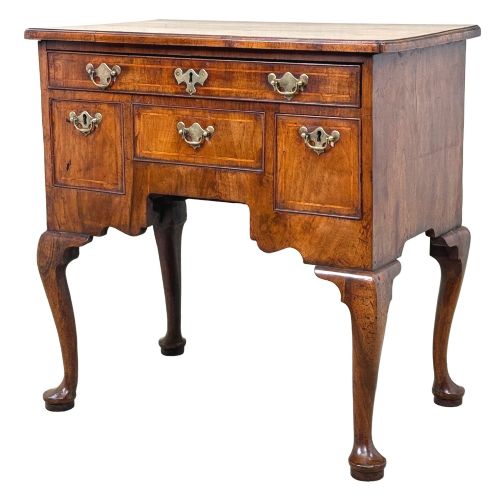
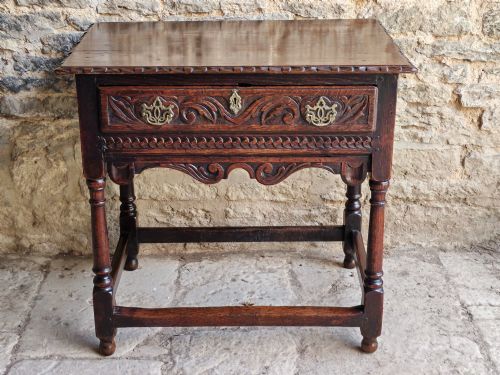
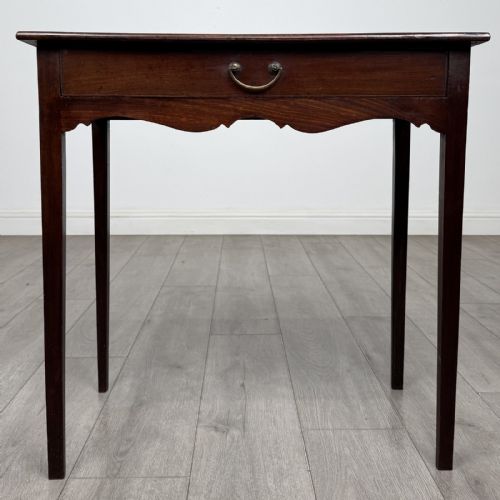
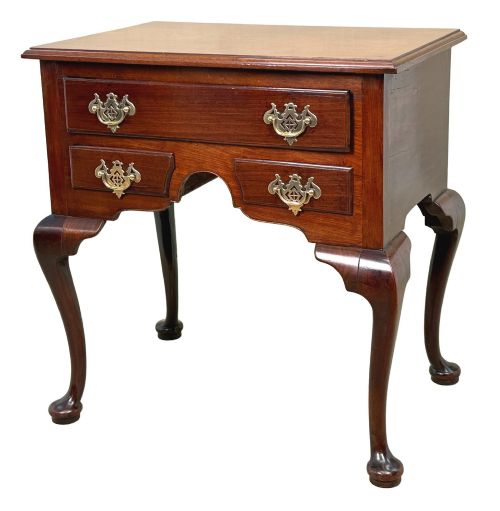
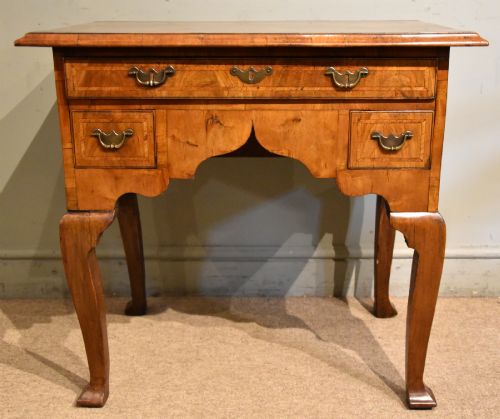
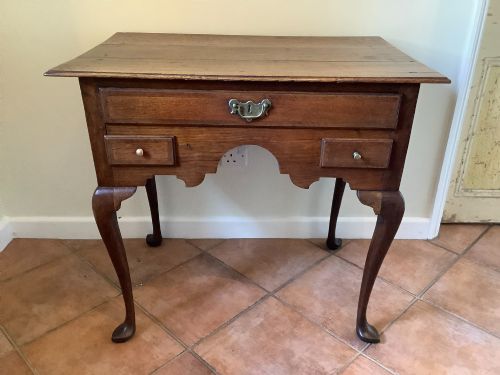
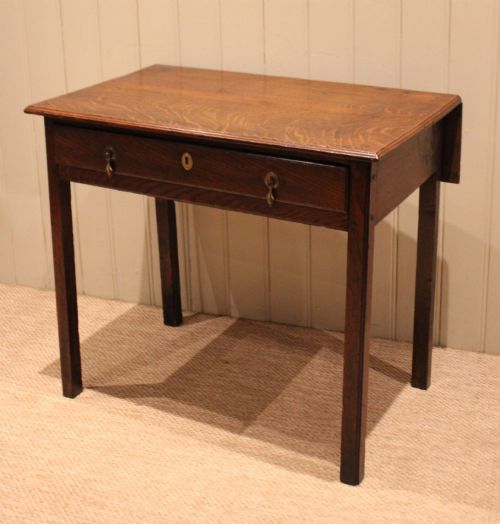
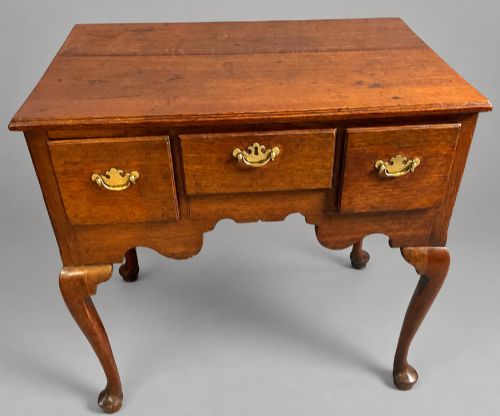
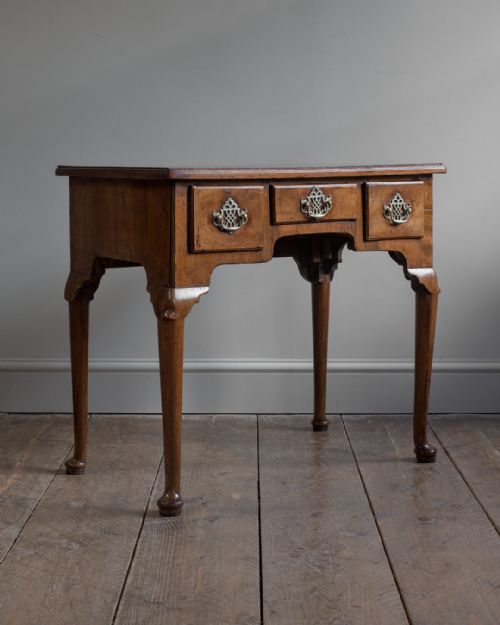
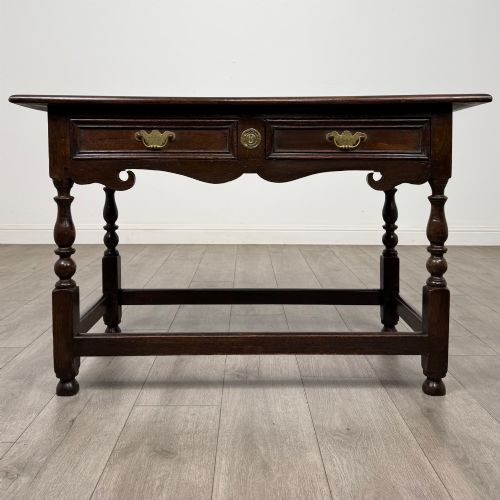
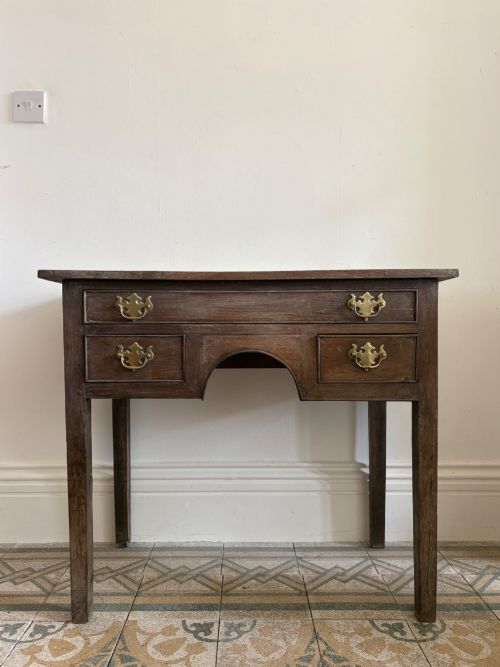
When you search for an 18th century lowboy desk, you encounter low tables fitted with drawers, often categorised historically as side tables, dressing tables, or writing tables. These domestic pieces appear primarily in forms dating from the Queen Anne, George I, George II, and George III periods.
The version you are most likely to meet on this page is an oak lowboy from the Georgian era, frequently featuring multiple drawers and cabriole or straight legs. Walnut and mahogany examples also emerge, alongside occasional regional pieces fashioned from yew, elm, fruitwood, or burr walnut.
How they were made
Cabinet makers constructed these tables using native timbers such as oak, elm, and fruitwood, alongside imported hardwoods like mahogany and walnut. Workshops utilised solid planks for tops and drawer linings, often applying figured burr veneers to primary surfaces for visual depth.
Joinery techniques included hand-cut dovetails for drawer construction and mortise and tenon joints for the framework. Brass drop handles and escutcheons were fitted to drawer fronts, secured with pins or small screws.
18th Century Lowboy Desk Retail Price Guide 2026
Typical asking prices for 18th century lowboy desk among the pieces listed under this phrase on Sellingantiques today, from the lower quarter to the upper quarter. They describe what is for sale here now, not the wider market.
Makers occasionally combined sturdy oak frames with whimsical fruitwood tops, proving country cabinet makers used whatever timber came to hand.
What varies in quality
Quality in these pieces depends upon the selection of timber and the sophistication of the cabinet work. Tables showcasing finely figured walnut or burr elm veneers sit at the upper end of the scale, whereas utilitarian oak examples reflect more straightforward country construction.
Proportion and detail dictate distinction, with slender cabriole legs, shaped aprons, and crisp mouldings separating finer metropolitan items from simpler regional variants. The preservation of original brass hardware and untouched timber surfaces further differentiates examples.
The 18th Century Lowboy Desk Glossary
- Lowboy
- A small table with drawers, standing on four legs, commonly used as a dressing or writing table during the 18th century.
- Cabriole leg
- A furniture leg that curves out at the knee and tapers inward to an ankle, typical of Queen Anne and George II styles.
- Dovetail
- A joint formed by interlocking wedge-shaped fingers, used extensively to join drawer corners securely.
- Escutcheon
- A flat plate surrounding a keyhole, designed to protect the surrounding wood from wear.
- Burr walnut
- Timber taken from a tree growth that produces intricate, swirling patterns, used for decorative veneer.
18th Century Lowboy Desk: Frequently Asked Questions
What was a lowboy used for?
These tables served multiple domestic functions in the 18th century, acting as dressing tables in bedrooms or writing desks in parlours and studies. Their compact size allowed them to fit into smaller rooms where a full-sized bureau was impractical.
Drawer configurations provided storage for personal papers, cosmetics, or writing implements while keeping the top surface clear for daily tasks.
Where should I place a lowboy in my home?
A lowboy works well in a hallway, living room, or bedroom due to its shallow depth and low profile. It functions effectively as a compact entryway console or a slim writing desk beneath a mirror.
Because these pieces are finished on all prominent sides, they can stand against a wall or be positioned where the proportions remain visible from multiple angles.
Are these tables made of solid wood?
Many examples utilise solid native timbers such as oak, elm, or mahogany for their primary framework and structural members. Cabinet makers often built drawer carcases and tabletops from solid boards.
Finer decorative surfaces, particularly those involving burr walnut or figured mahogany, were applied as veneers over secondary wood foundations to achieve striking visual patterns.