
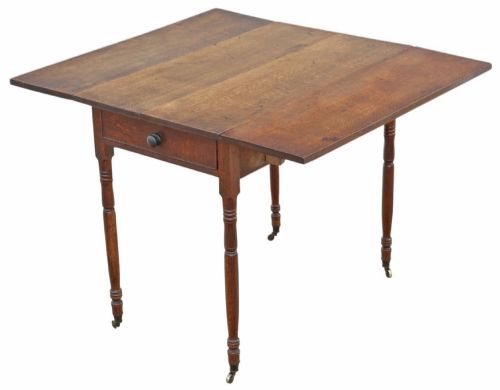
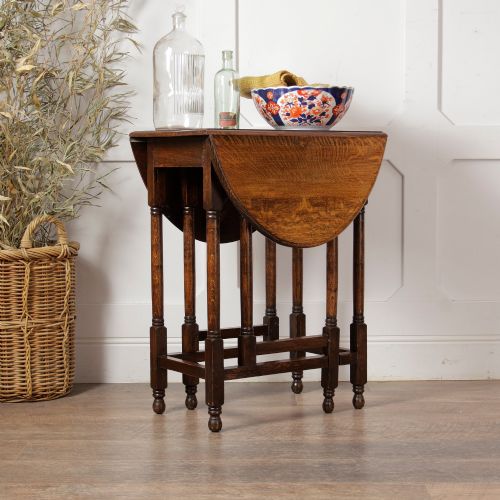
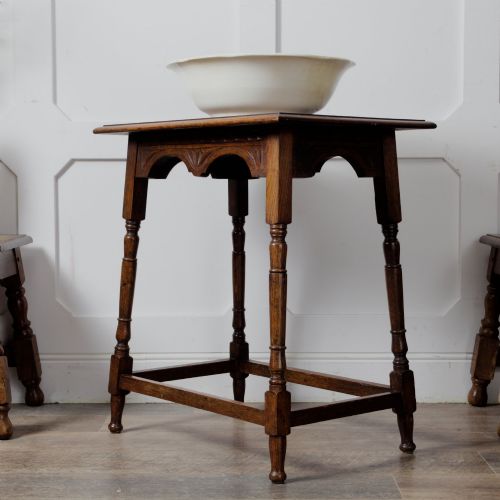
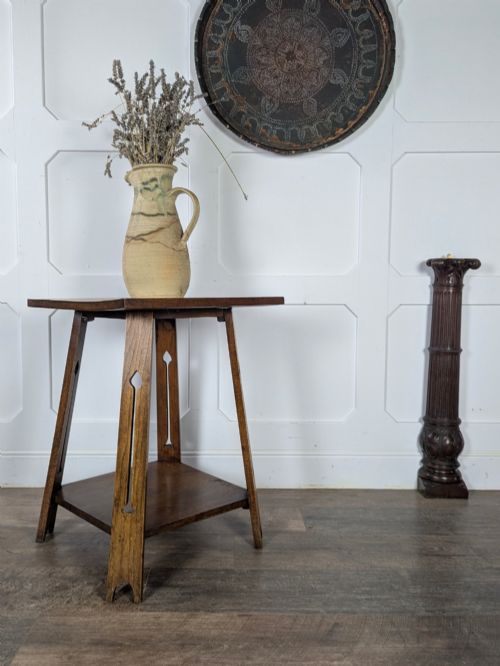


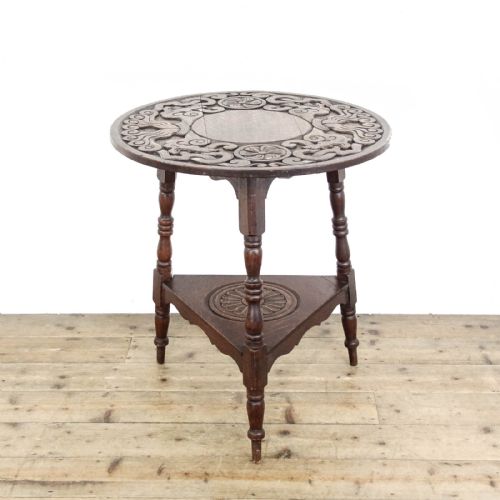


Early Oak Accent Table
An early oak accent table brings warmth and utility to a room, offering sturdy timber and centuries of character.
Early Oak Accent Table
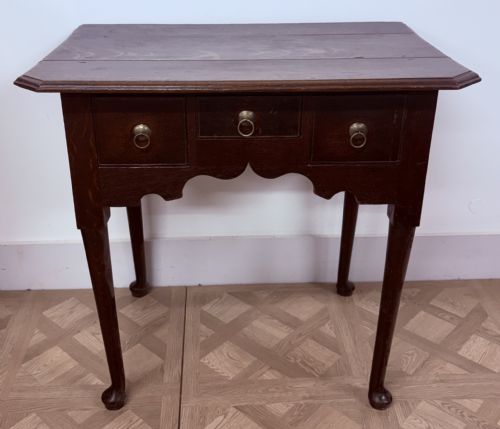
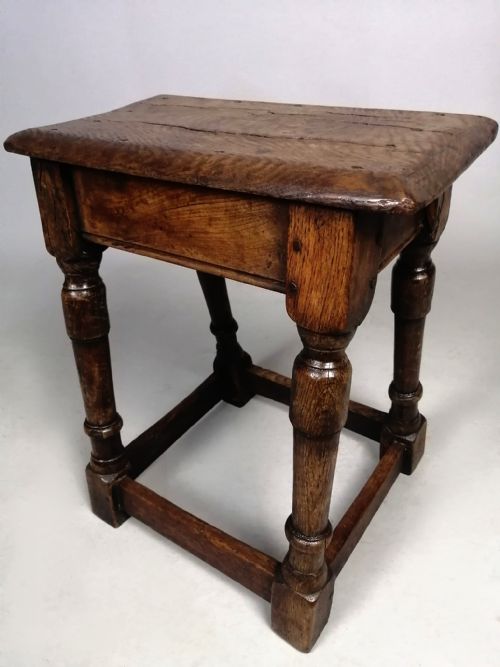
When you search for an early oak accent table, you encounter compact side tables, occasional tables, lowboys, and joint stools spanning from the 18th century to the early 20th century. These pieces served practical domestic purposes in kitchens, parlours, and hallways, constructed to handle daily use.
The most common versions on this page are side tables and occasional tables originating from the 18th century, alongside gateleg, cricket, and carved revival pieces from the Victorian and early 20th-century periods. They appear in solid oak, often combined with elm or walnut timber, showing Georgian, Jacobean, and Arts and Crafts styles.
How they were made
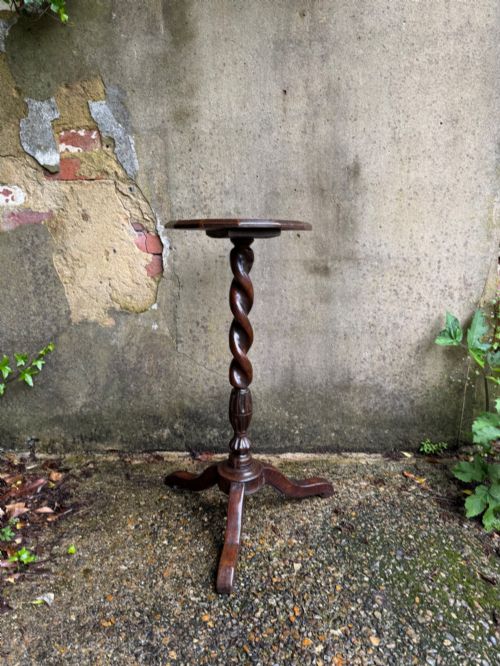
Cabinet makers utilised solid oak and elm for structural strength and durability, frequently shaping timber into slender columns, turned legs, and drop-leaf formats. Surfaces show hand-carved details or smooth panels depending on the prevailing style, from Georgian simplicity to Late Victorian relief work.
Joinery methods relied on traditional pegging and mortise and tenon joints, holding tables together through generations of use. Brass fixtures occasionally appear on drawer pulls or folding mechanisms, adding functional contrast to the dark wood grain.
Cricket tables earned their sporty name from an ancient three-legged stool design that reportedly resembled a cricket wicket.
What varies in quality
The distinction between a standard piece and a superior one rests on the integrity of the timber and the crispness of the hand-carving or turning. Early 18th-century examples display tighter grain patterns and more deliberate joinery compared to later revival pieces.
Proportion and untouched surface patination dictate desirability, where tables retaining their original timber tone and unblemished structural framing command greater attention. Altered elements or replaced hardware alter the historical consistency of the piece.
The Early Oak Accent Table Glossary
- Lowboy
- A small table with one or more drawers, typically standing on four legs and originating in the 18th century. They functioned as dressing tables or side tables in period homes.
- Gateleg table
- A table with hinged leaves supported by swing-out legs that fold away when not in use. This design allowed tables to sit compactly against walls.
- Joint stool
- A sturdy wooden stool constructed with pegged mortise and tenon joinery. These served as seating or small occasional surfaces.
- Cricket table
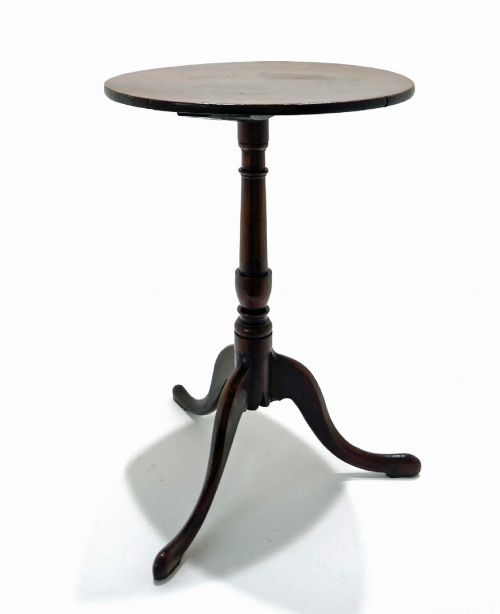
- A small, light round table supported by three splayed legs. The tripod design kept the table steady on uneven floors.
- Pembroke table
- A rectangular table with hinged drop leaves on either side. It provides adjustable surface space for dining or writing.
Early Oak Accent Table: Frequently Asked Questions
What is an early oak accent table?
An early oak accent table is a compact period surface, such as a side table, lowboy, or occasional table, made primarily of oak during the 18th or 19th centuries.
These pieces were designed for utilitarian tasks around the home, offering sturdy timber construction and modest proportions that suit modern interiors.
How were lowboys used?
Lowboys functioned primarily as small dressing tables or convenient side storage tables in bedrooms and reception rooms.
Their single or multiple drawers held personal items or documents while keeping a low profile against the wall.
How do I identify an 18th-century table?
Eighteenth-century tables display characteristic joinery methods, such as hand-cut pegging and natural timber shrinkage over centuries of ageing.
They also exhibit period-specific forms like slender tripod columns or simple side table designs without modern mechanical assists.
Where should I place an oak side table?
An oak side table fits naturally beside a living room sofa, in a narrow hallway, or as a bedside stand.
Its neutral wood tone and compact footprint allow it to anchor small spaces while providing a dependable surface for lamps or books.
What is a cricket table?
A cricket table is a small round occasional table raised on three splayed legs beneath a wooden top.
The three-legged structure prevented wobbling on uneven stone or timber floors in historical dwellings.