
18th Century Floral Painting
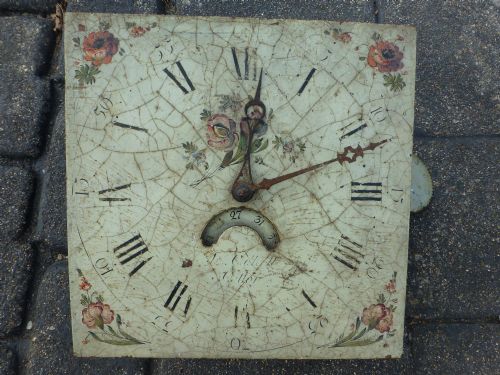
These pieces of 18th century floral painting capture delicate botanical studies on porcelain, enamel, and timber, offering tangible charm to any interior.
18th Century Floral Painting
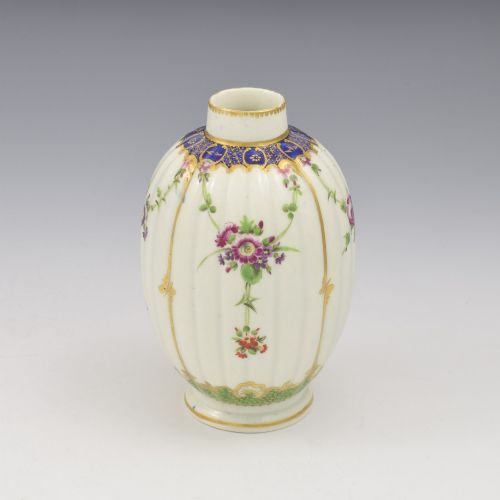
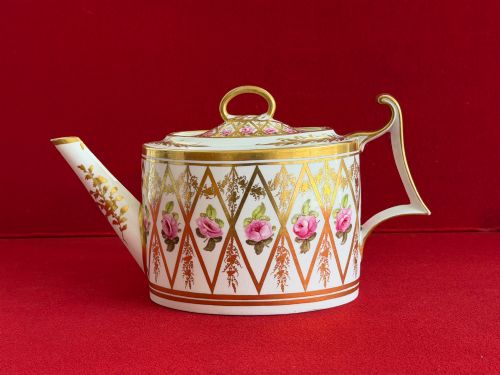
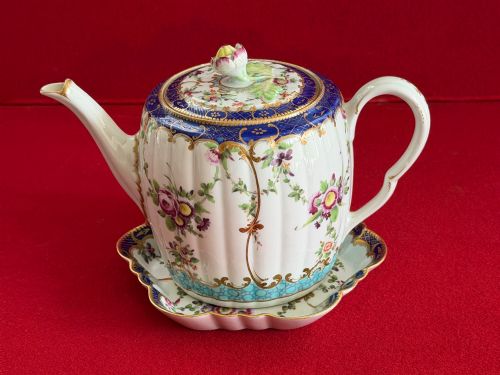
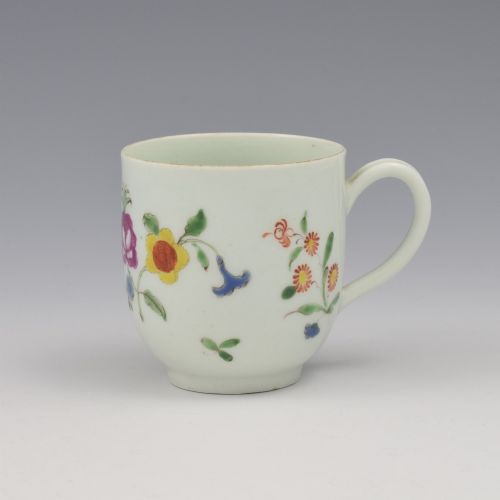
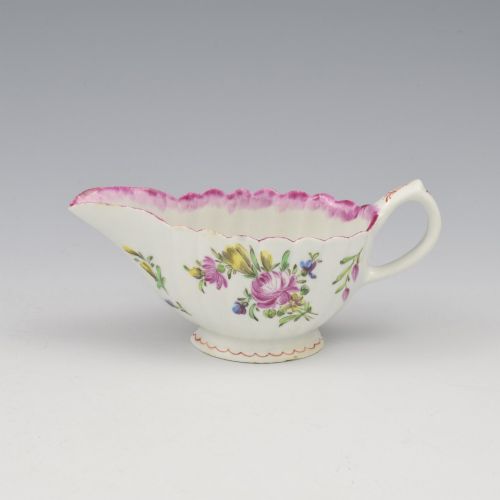
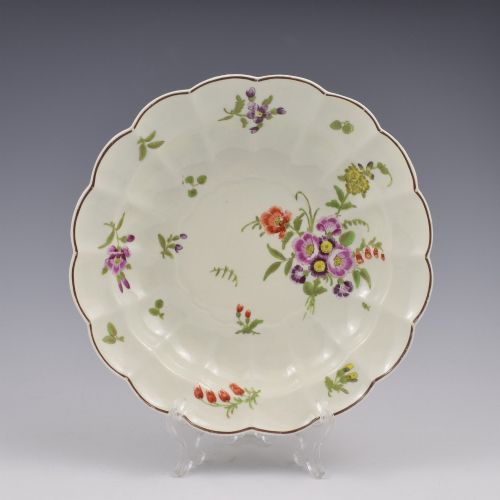
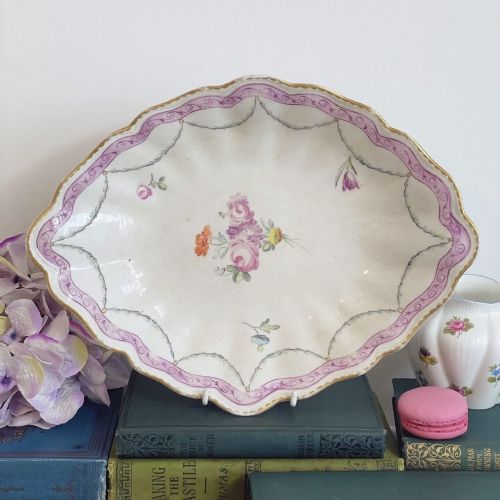
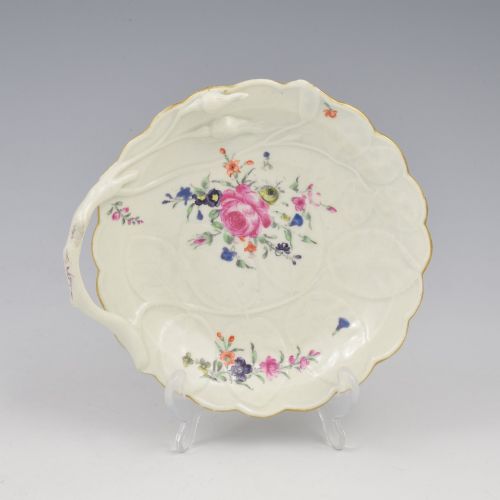
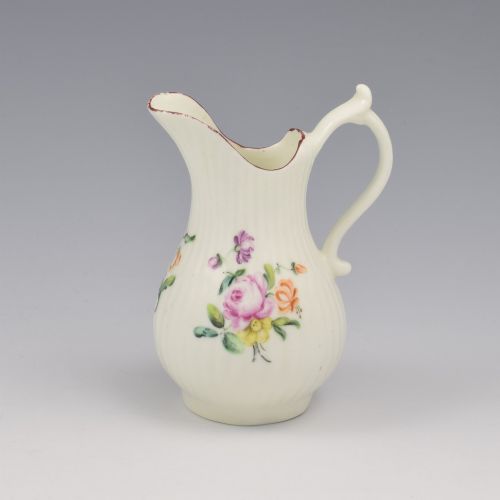
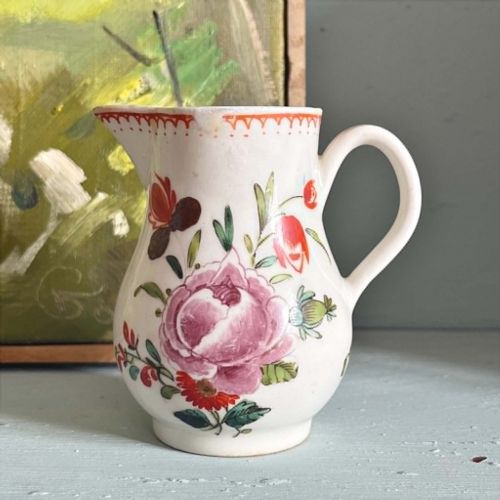
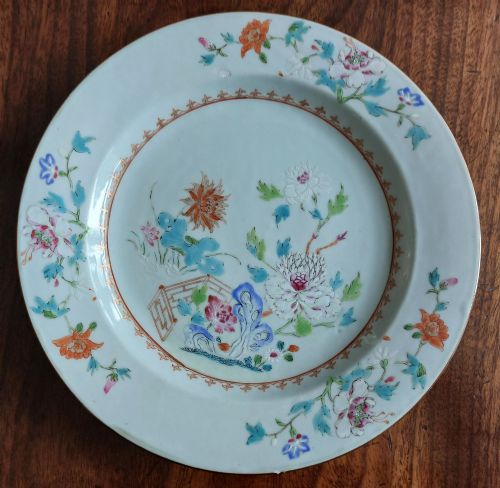
18th century floral painting encompasses hand-decorated ceramics, enamel patch boxes, and wooden panels originating from English, continental, and Chinese kilns and workshops. A buyer most frequently meets soft-paste porcelain tea ware, plates, and jugs adorned with polychrome floral sprays from English factories.
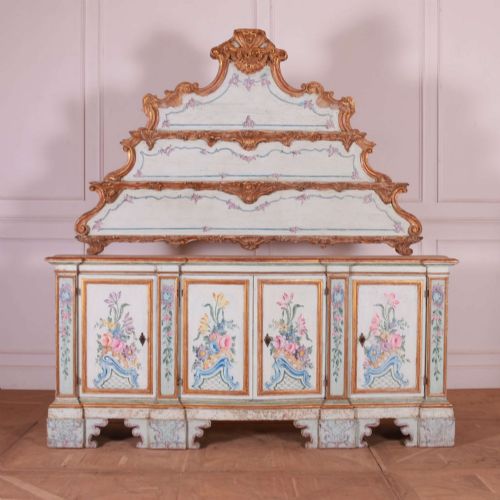
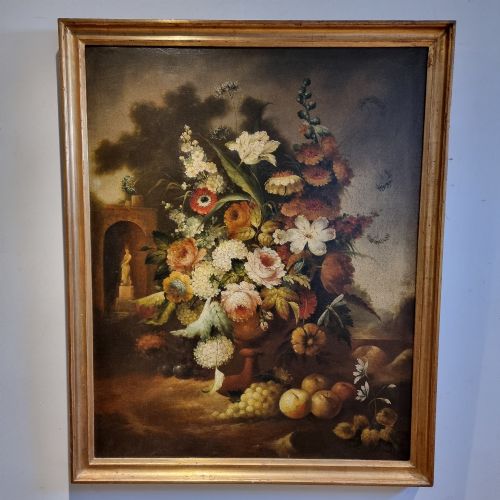
The category extends beyond ceramics to include gouache works on paper, carved wooden panels, and painted furniture displaying botanical motifs in the Georgian style. Pieces range from small utilitarian tea canisters and cream jugs to large chargers and decorative dishes.
Continental output is represented by French soft-paste porcelain, German factories like Meissen, and tin-glazed delftware vessels from Dutch and English sources. Each object displays the period preference for naturalistic flower arrangements applied by hand.
Materials and construction
Ceramic pieces utilise soft-paste or hard-paste porcelain bodies covered in white glazes, upon which artists painted floral subjects using metallic oxide pigments. Gilding and enamel work provide raised detail and colour on porcelain tea wares and patch boxes.
Wooden items employ carved timbers such as satinwood, panel boards, and leather substrates finished with paint and gold leaf. Gouache works utilise paper grounds, while delftware relies on tin glaze over earthenware bases to receive pigments.
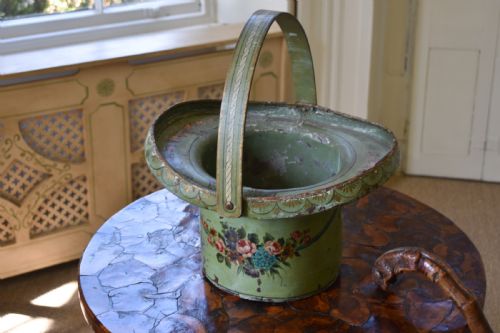
A painted leather hat box from the Georgian period proves that even practical storage once demanded botanical charm.
Quality differences
The standard of 18th century floral painting rests upon the precision of the brushwork and the vibrancy of the surviving enamel colours. Superior pieces exhibit deliberate, confident strokes in botanical rendering rather than repetitive factory output.
Material stability and the preservation of the original painted surface dictate overall merit. Pieces retaining crisp gilding and unblemished glaze finishes stand apart from heavily worn examples.
Richard Chaffers·Ambroise Michel·Joseph Gaspard Robert
The 18th Century Floral Painting Glossary
- Polychrome
- Decoration executed in multiple colours. This term describes ceramics and paintings featuring varied floral palettes.
- Soft-paste porcelain
- A ceramic material composed of clay and glass frits fired at lower temperatures. It provides a warm background for painted floral decoration.
- Tin glaze
- An opaque white glaze containing tin oxide applied to earthenware. It served as a smooth painting surface for delftware vessels.
- Gilding
- The application of gold leaf or powdered gold to surfaces. It accents the borders of porcelain plates and tea wares.
- Baluster
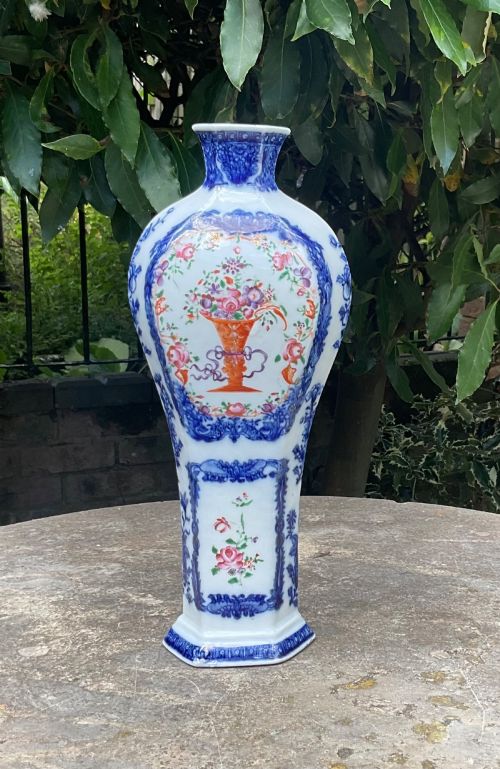
- An architectural form shaped like a vase or column. It describes the silhouette of specific jugs and vases in the listings.
18th Century Floral Painting: Frequently Asked Questions
How do I care for antique porcelain?
Wash porcelain pieces gently by hand in warm water using mild soap, avoiding abrasive sponges or harsh detergents.
Keep items away from direct sunlight and temperature fluctuations to protect the enamel pigments and fragile glazes.
What is Dr Wall Worcester?
Dr Wall Worcester refers to the initial period of porcelain production at the Worcester factory, established in the eighteenth century. Pieces from this era are noted for fine body composition and careful hand-painted decoration.
Collectors prize these items for their balanced forms and classic eighteenth-century aesthetic qualities.
How can I identify delftware?
Delftware typically consists of tin-glazed earthenware displaying blue and white or polychrome floral designs. The buff or pinkish ceramic body is often visible where chips have occurred on the glaze.
These pieces reflect Dutch and English manufacturing traditions from the seventeen hundreds.
Where were these items displayed?
Eighth-century floral items served both functional and decorative roles in wealthy households, adorning tea tables, sideboards, and walls. Tea caddies, cream jugs, and porcelain dishes were actively used during formal entertaining.
Enamel patch boxes and painted panels were kept in private rooms or dressing areas as personal luxuries.